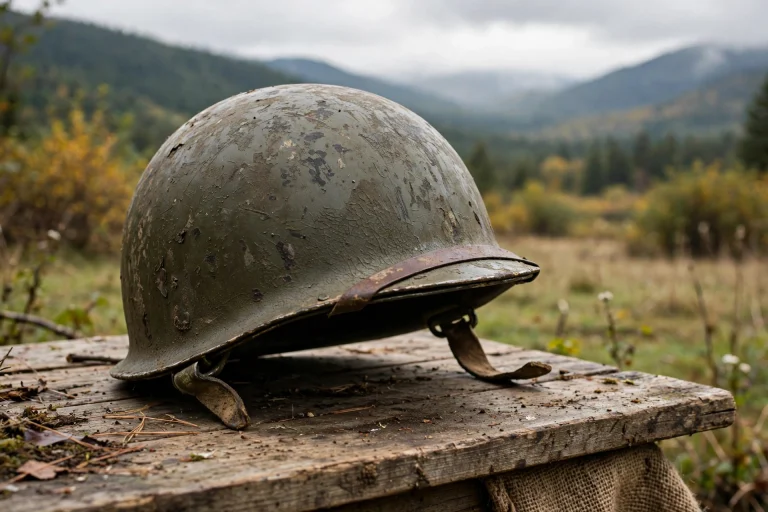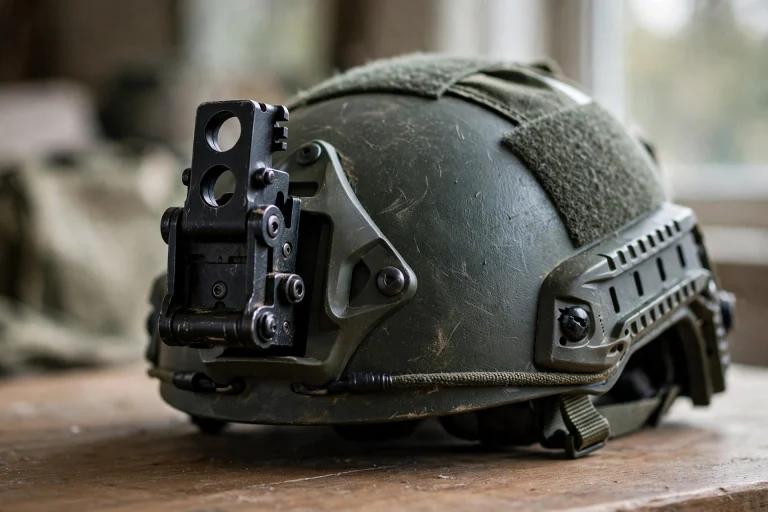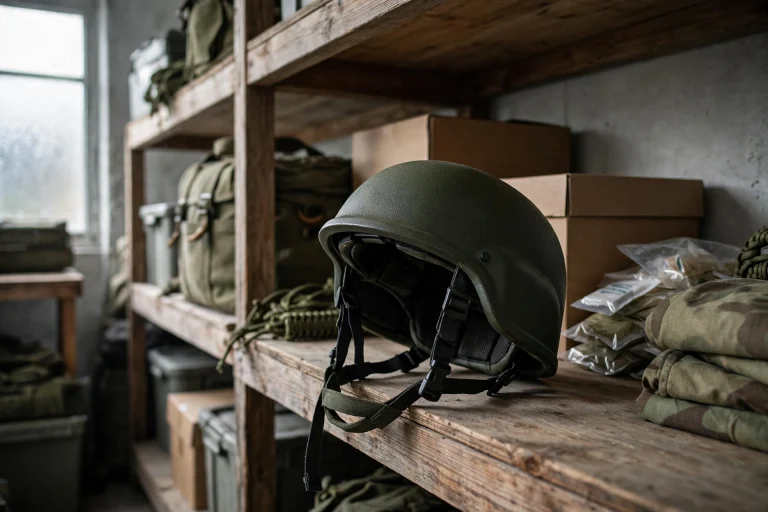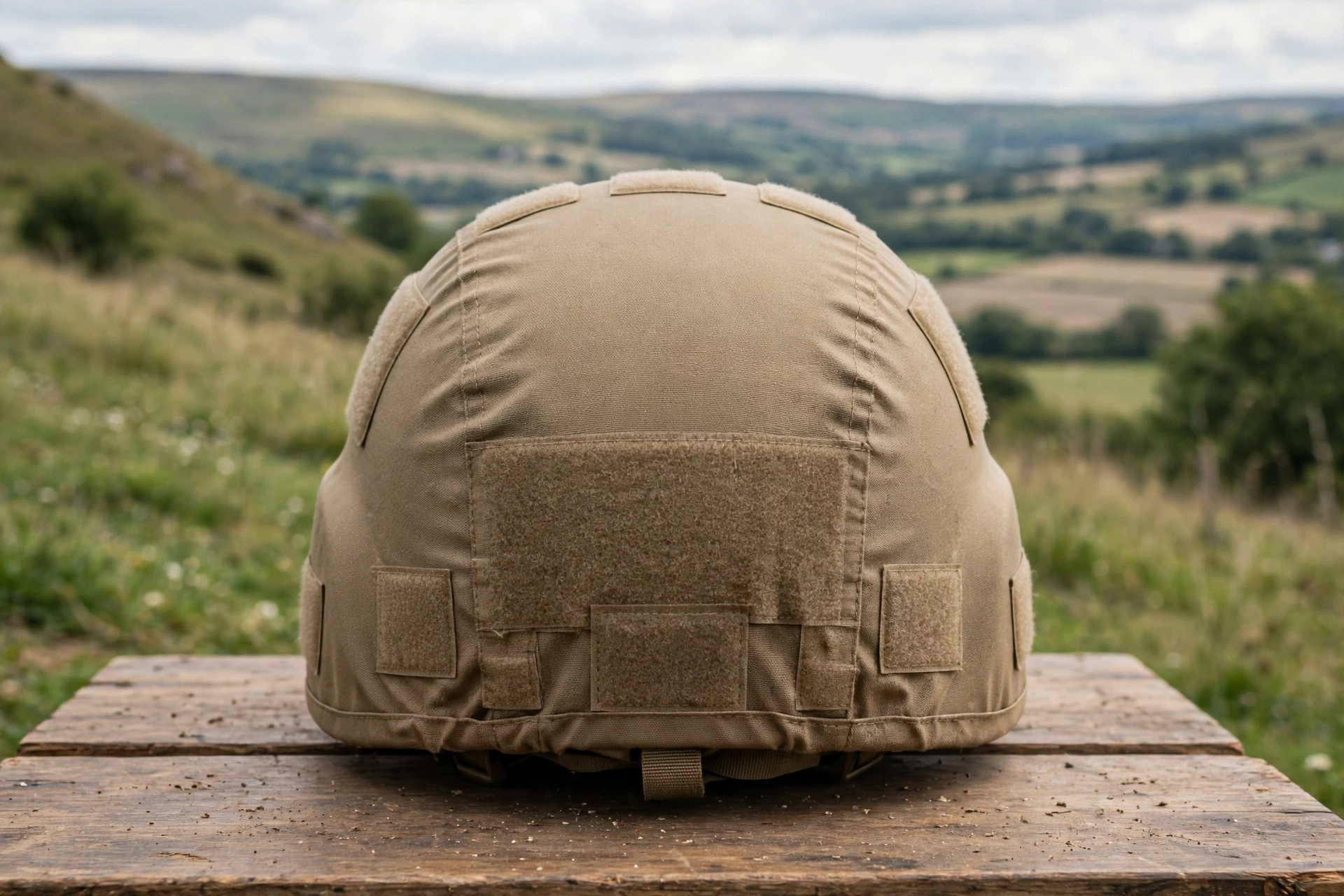
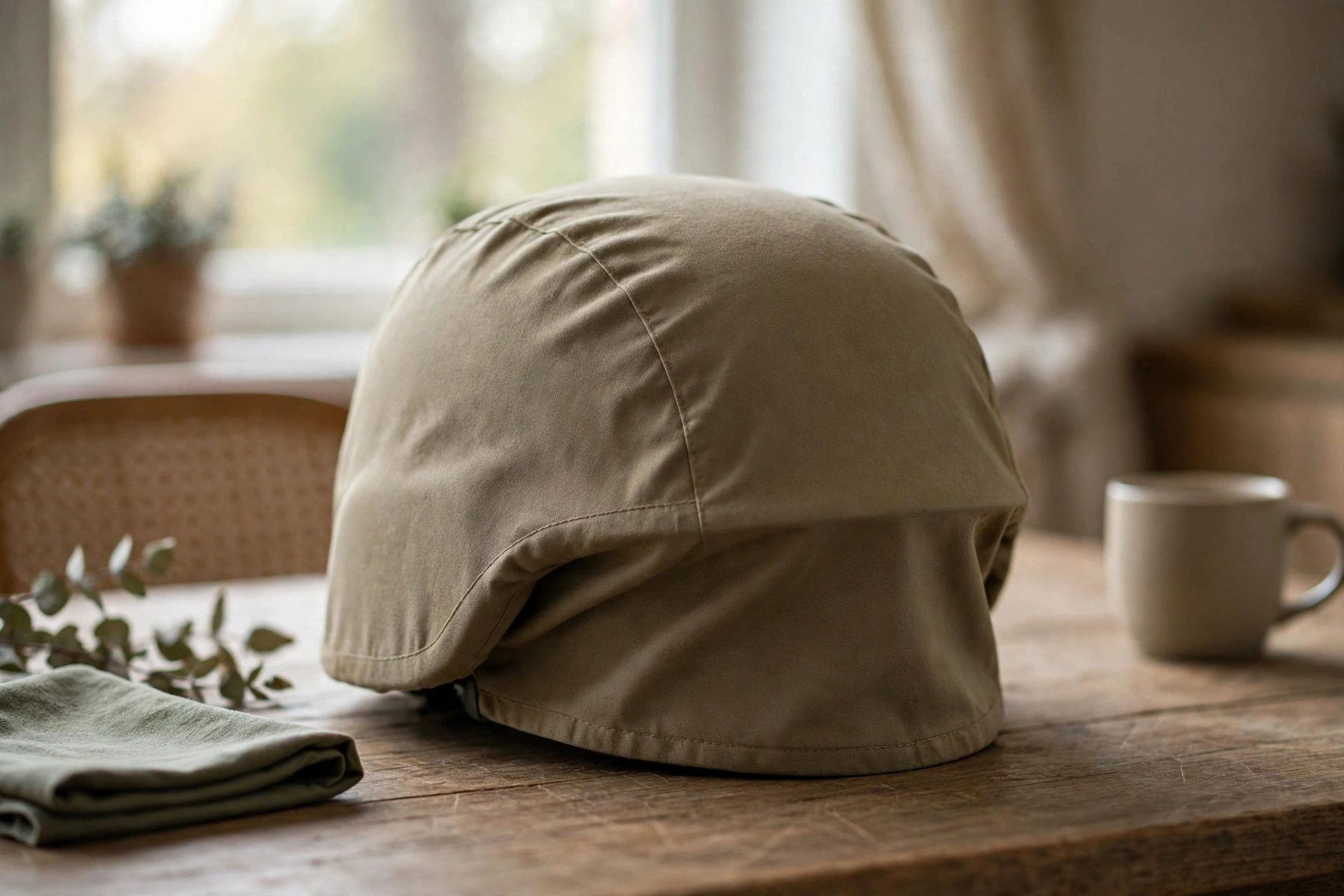
In general terms, a ballistic helmet cover is a fabric sleeve that fits over the shell of a ballistic helmet, protecting it from scratches, dirt, and sunlight, and providing a surface for attaching patches, camouflage, or identification — it does not add ballistic protection itself. Covers are simple accessories, but choosing the right one and fitting it properly matters for comfort, compatibility, and keeping the helmet in good condition.
If you have seen photos of ballistic helmets in different colours and patterns, you have usually been looking at covers rather than different shells. The shell underneath is often a single plain colour, and the cover is what changes the appearance. This guide explains what covers do, what they are made of, and what to check before buying or fitting one.
What Is a Ballistic Helmet Cover For?
A cover has three main jobs. First, it protects the shell: it guards against scratches, scuffs, and sunlight, which can age the shell’s surface and coatings over time. A scratched shell is not necessarily a weaker shell, but keeping the surface in good condition helps with inspection — damage is easier to spot on a clean, protected shell, and the cover itself is cheap to replace when it wears out.
Second, a cover changes the helmet’s appearance. Covers come in plain colours and camouflage patterns, letting the same helmet blend into different environments or match a unit’s dress requirements. Third, covers usually carry Velcro panels on the sides, top, and rear, which provide attachment points for identification patches, lights, and cable management, and they often include straps or a drawcord that holds the cover snugly to the shell.
What Are Helmet Covers Made Of?
Most covers are made from tough woven fabric, such as nylon or a nylon-cotton blend, chosen for durability and resistance to tearing. Some are treated to resist water or to reduce infrared visibility, depending on their intended use. The fabric needs to be strong enough to survive rough handling without tearing, but light and flexible enough to fit the shell closely without adding bulk or bunching.
The fit is specific: covers are made for particular helmet shapes and sizes, since ballistic helmets vary in cut and profile. A cover made for one helmet model may not fit another, even if the sizes sound similar. In general terms, always match the cover to the helmet model, not just to a generic size label, and check that it fits snugly without distorting the helmet’s shape or covering vents, rails, or mounts that need to stay accessible.
Covers also make it easier to keep several helmets looking uniform. Where a team is issued helmets of slightly different ages or shell colours, fitting the same cover to each one gives a consistent appearance, which matters for units that value a professional, uniform look. The cover hides cosmetic differences without hiding the important information — the helmet’s rating and inspection markings remain on the shell underneath, accessible whenever the cover is removed.
How Do You Fit a Helmet Cover?
Fitting a cover is usually straightforward: stretch it over the shell, align any openings with the helmet’s rails, mounts, and accessory points, and secure it with its straps, drawcord, or elastic edge. The cover should sit smoothly, without wrinkles or loose fabric that could snag, and it should not pull the helmet out of shape or interfere with the retention system. If the cover has openings for rails or a front mount, make sure those line up — a cover that blocks a rail defeats the purpose of having the rail.
After fitting, check the whole setup: put the helmet on, fasten the straps, and confirm that the fit and balance have not changed and that accessories still mount correctly. A cover adds a small amount of weight and bulk, which is usually negligible, but a poorly fitting cover that bunches or shifts can be irritating and can interfere with pads or straps. If the cover does not fit properly, it is better to replace it with the correct model than to force it.
Do Covers Affect the Helmet’s Protection?
In general terms, a properly fitted cover does not add ballistic protection and should not reduce it either. The cover is fabric, not armour, and it plays no part in stopping fragments or projectiles. Its role is protection of the shell’s surface, appearance, and accessory attachment. Claims that a cover increases protection should be treated with scepticism — protection comes from the shell and its rating, not from the fabric over it.
There is one indirect effect worth noting: a cover that traps moisture against the shell, or that is left dirty and damp, can contribute to deterioration over time. That is why covers should be removed and washed or replaced periodically, and why the shell should be inspected when the cover is off. Some helmets also include a low-friction layer for angled impacts; reading about what MIPS is for helmets can help you understand that kind of feature, which is part of the helmet itself rather than the cover.
How Do You Look After a Helmet Cover?
Covers are generally easy to care for: remove them from the helmet, wash them according to the fabric’s instructions — usually a gentle machine or hand wash — and let them air-dry before refitting. Do not use high heat, which can shrink the fabric or damage Velcro. Inspect the cover for tears, worn Velcro, and stretched elastic, and replace it when it no longer fits snugly or holds its attachments.
Keeping a spare cover is often practical, since covers wear faster than shells and are inexpensive by comparison. Swapping a worn cover for a fresh one is a quick way to refresh the helmet’s appearance and keep its surface protected, and it gives you a chance to inspect the shell underneath at the same time.
It is also worth checking the cover’s stitching and attachment points when you wash it. Seams take the most stress when the cover is stretched over the shell, and a split seam will only get worse with use. A cover with failing stitching should be replaced promptly, since a loose cover can shift during wear and interfere with accessories or the retention system.
Frequently Asked Questions
Q: Does a helmet cover make a helmet bulletproof?
A: No. A cover is fabric and adds no ballistic protection. Protection comes from the shell and its rating, not from the cover.
Q: Can I use any cover on any ballistic helmet?
A: No. Covers are made for specific helmet shapes and sizes, so match the cover to your helmet model and check that rails, mounts, and vents stay accessible.
Q: How often should I wash a helmet cover?
A: Whenever it is dirty, and as part of routine helmet maintenance. Remove it, wash it gently, air-dry it fully, and inspect the shell underneath before refitting.

Olivia
Writer at Helmet Today, covering helmet reviews, fit and riding safety.