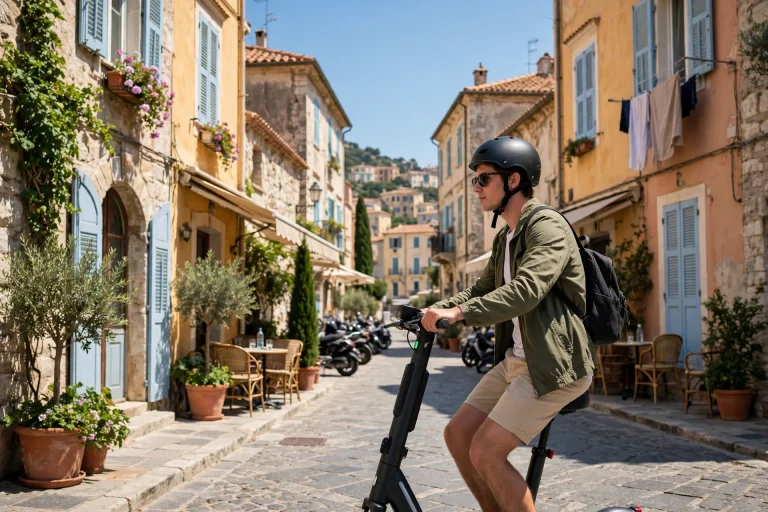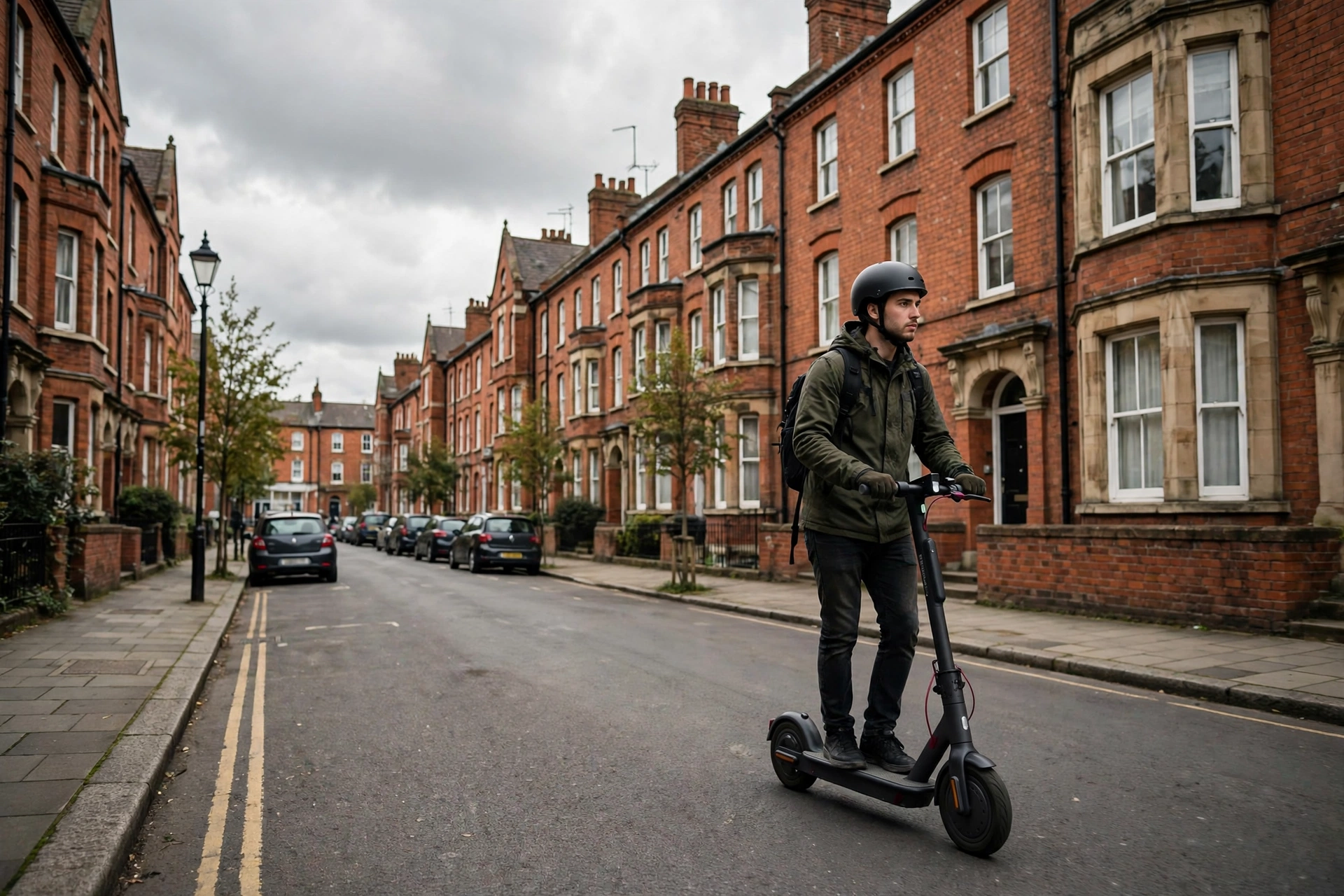
In general terms, e-scooter helmet rules in the UK depend on whether you are riding a rental e-scooter in an authorised trial area or a privately owned one, and the rules are still evolving, so riders should check the current local rules before setting off. Rental e-scooters in trial areas operate under specific trial conditions, while privately owned e-scooters are, in general terms, not legal for use on public roads and pavements. Helmets sit within that wider picture: they are strongly recommended for every rider, and trial operators often encourage or provide them, but the exact legal position varies with the scheme and the area.
This guide explains, in general terms, how e-scooter helmet rules work in the UK, why the rental and private distinction matters, and what riders should think about beyond the legal minimum. It is general information only, not legal advice, and it does not quote specific fines or statutes, since those details change and vary by area.
Are E-Scooters Legal to Ride in the UK?
In general terms, rental e-scooters operating in authorised trial areas are permitted under trial rules, while privately owned e-scooters are not permitted on public roads, pavements, or cycle lanes. Private e-scooters may be used on private land with the landowner’s permission. This split confuses many people, because a rental scooter and a private scooter can look identical while carrying very different legal status.
The trial system means the rules can also differ from place to place. Trial areas, operators, and operating conditions are set locally within a national framework, so a rider who moves between cities may find different arrangements. If you are unsure whether e-scooters are operating in your area, check with the local authority or the trial operator rather than assuming the rules from another city apply.
Do You Legally Have to Wear a Helmet on an E-Scooter in the UK?
In general terms, helmet use is strongly recommended for e-scooter riders in the UK, and trial operators commonly encourage it, with some schemes offering helmets or guidance on where to get one. Whether a helmet is a strict legal requirement in a given trial can depend on the trial’s conditions, so riders should check the operator’s terms and the current local rules before riding. Regardless of the legal position, wearing a helmet is the single simplest way to reduce head injury risk in a fall.
The practical point is that e-scooter falls happen at speeds where a head impact can cause serious injury, and riders have no protective frame around them. A helmet designed for cycling or skating, fitted properly, is far better than no helmet at all. If the legal question is unclear in your area, the safety answer is not: wear one. That approach also avoids any argument about whether a particular trial required it.
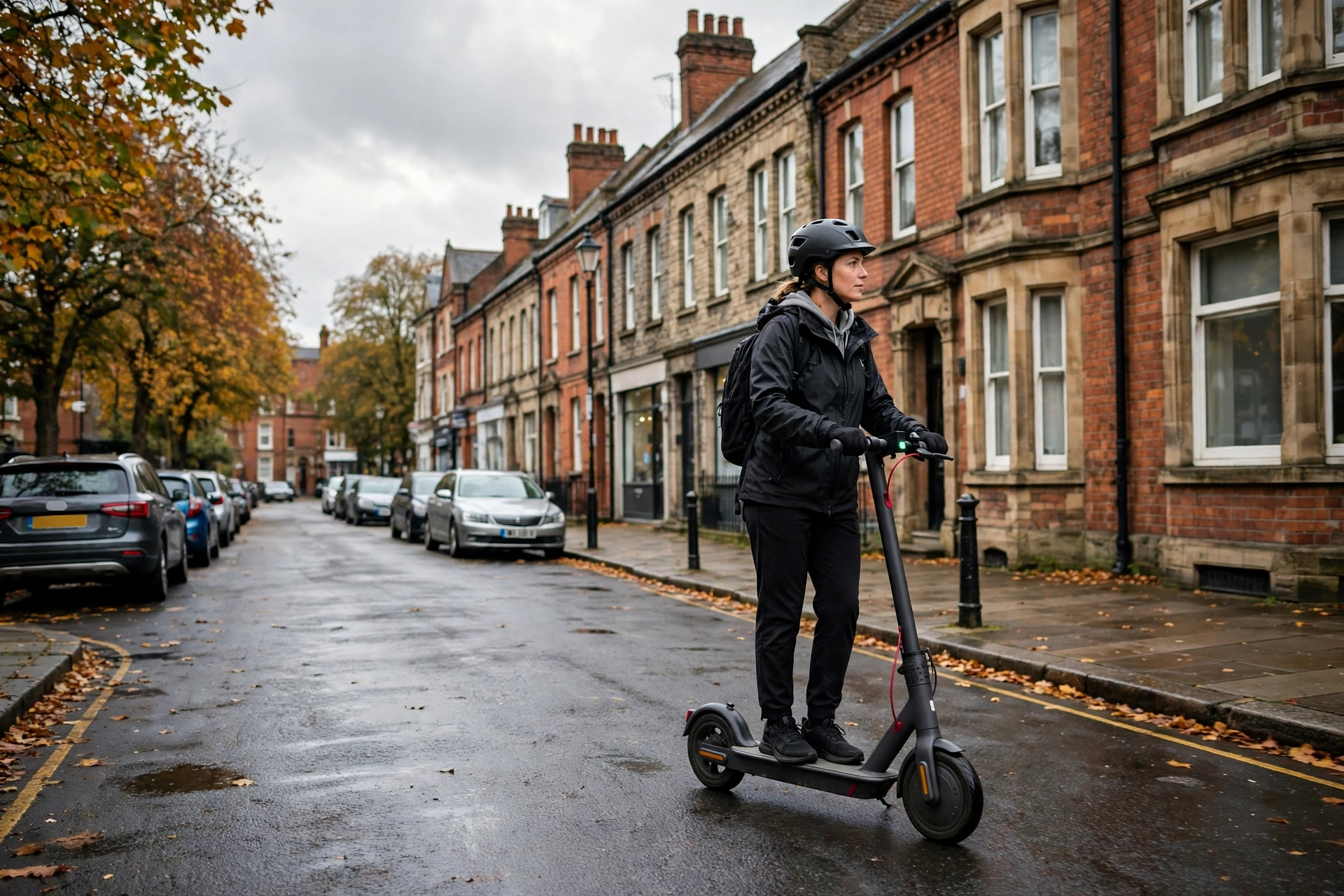
What Is Different About Rental and Private E-Scooters?
Rental e-scooters in trial areas are managed: they are speed-limited by the operator, maintained by the operator, and used within a defined area under trial conditions. Riders typically need to meet age and licence conditions set by the trial, and they agree to the operator’s terms when they hire the scooter. Private e-scooters, by contrast, have no operator managing them, and their use on public land is, in general terms, not permitted.
For helmet purposes, the distinction matters because trial operators set expectations for their riders, including helmet guidance, while private use carries no such framework. A rider on a private scooter on public land is already outside the permitted use, so helmet questions become secondary to the wider legality of the ride. Anyone considering buying a private e-scooter should understand this distinction before riding it anywhere beyond private land.
Who Can Ride a Rental E-Scooter, and What Else Applies?
In general terms, rental trial schemes set conditions on who may ride, such as minimum age and holding an appropriate driving licence, and they prohibit carrying passengers and riding on pavements. Riders are also expected to follow normal road rules: ride on the road or in cycle lanes where permitted, observe traffic signals, and not ride under the influence of alcohol or drugs. Helmets fit into this broader picture of responsible riding rather than standing alone.
Insurance is another difference between rental and private use. Trial rental scooters are covered under the trial’s arrangements, while a private scooter used on public land generally has no valid cover, which can leave the rider personally exposed after a collision. These wider rules are another reason to check the current position locally rather than relying on what friends or social media suggest.
What Kind of Helmet Should an E-Scooter Rider Wear?
A well-fitting cycle helmet is the usual choice for e-scooter riders, since it is light, ventilated, and designed for similar speeds and fall types. The helmet should sit level on the head, cover the forehead, and stay put when the straps are snug — if it slides back or rocks side to side, it is the wrong size or badly adjusted. A helmet that has been dropped hard or involved in a crash should be replaced, since damage is not always visible.
Comfort matters because a helmet left at home protects no one. Look for a helmet that fits your head shape, works with any glasses you wear, and does not make you overheat on a short urban ride. Some riders prefer helmets with a visor or lights for visibility, but the essentials are fit, coverage, and condition. For background on how helmet liners are designed to manage impacts, this explanation of modern helmet liner systems is worth a read.
How Can You Stay on the Right Side of the Rules?
Start by confirming whether a rental trial operates in your area and reading the operator’s terms, including any helmet guidance. Ride only where the trial permits, follow road rules, and wear a helmet even when it is only recommended rather than required. If you own a private e-scooter, keep it to private land with permission until the law changes, and watch for official announcements rather than rumours.
Rules in this area have changed before and may change again, so treat any article — including this one — as a snapshot. Before an important trip, a quick check of the local authority or operator’s current guidance takes a minute and avoids an expensive misunderstanding. The safest habit is simple: helmet on, rules checked, ride within the trial’s limits.
Frequently Asked Questions
Q: Do I need a helmet on a rental e-scooter in the UK?
A: In general terms, helmets are strongly recommended and trial operators commonly encourage them, but the exact requirement can depend on the trial. Check the operator’s terms and wear a helmet regardless.
Q: Can I ride my own e-scooter on the road in the UK?
A: In general terms, no. Privately owned e-scooters are not permitted on public roads and pavements, and may only be used on private land with the landowner’s permission.
Q: Does a cycle helmet work for e-scooter riding?
A: Yes, in general terms. A well-fitting cycle helmet suits e-scooter speeds and fall types, provided it sits level, stays snug, and has not been damaged in a crash.

Olivia
Writer at Helmet Today, covering helmet reviews, fit and riding safety.