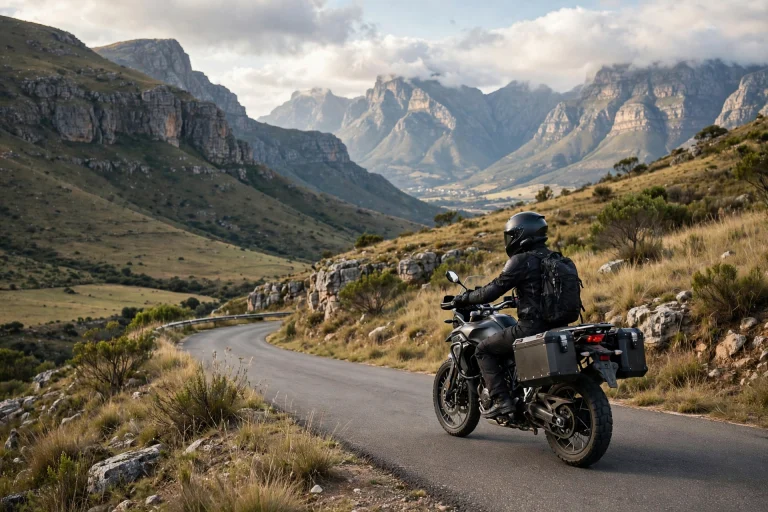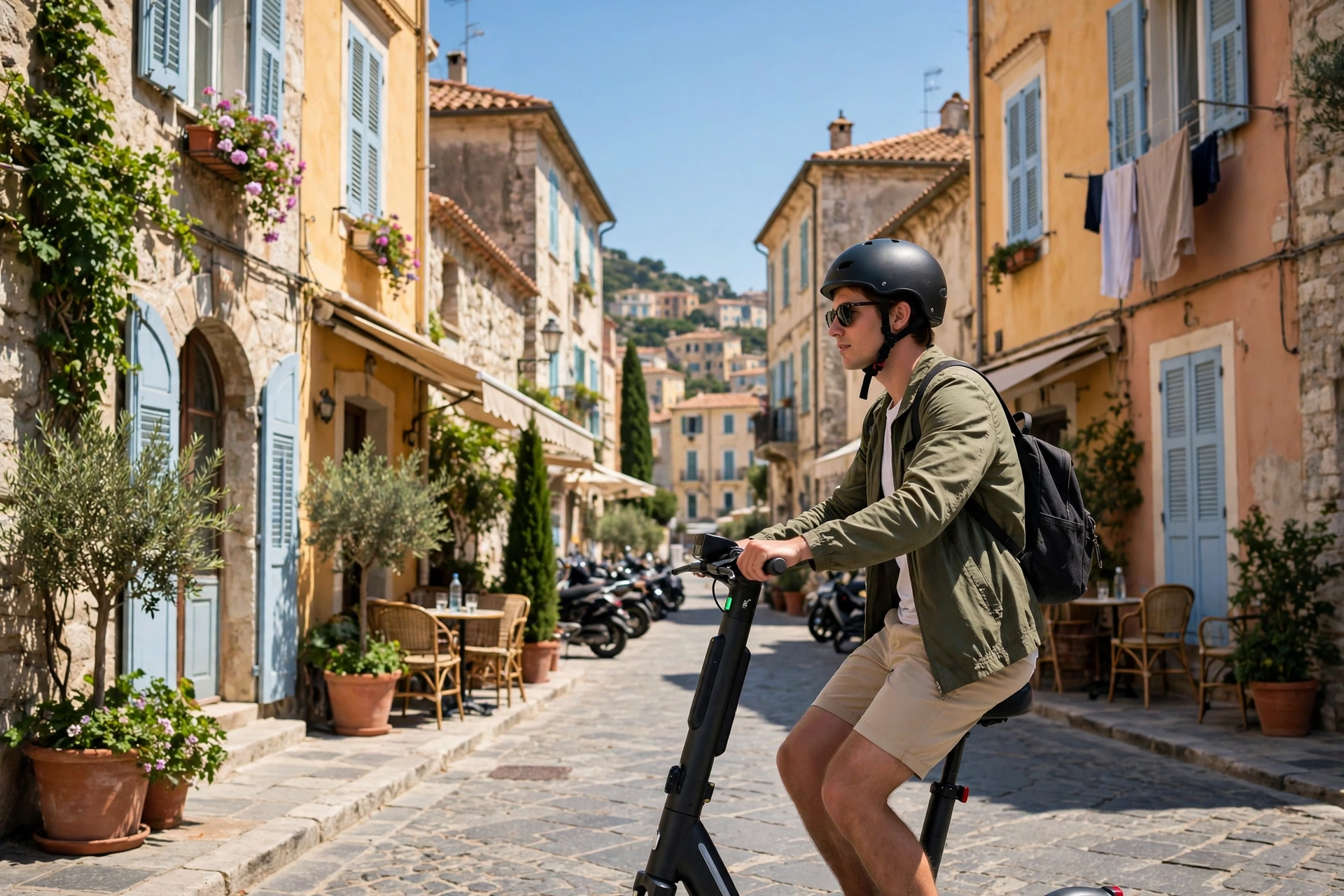
In general terms, tourists hiring scooters abroad should expect helmet rules to vary by country and sometimes by city, and the safe approach is to wear a helmet on every ride, check the local rules before hiring, and confirm whether the rental includes a suitable helmet. Some destinations require helmets by law, some recommend them, and some require them only for certain riders or vehicle types — and the rental company’s own terms may add a requirement even where the law does not. Assuming the rules from home apply abroad is one of the most common mistakes travelling riders make.
This guide explains, in general terms, how rental scooter helmet rules work for tourists, what to check before and during a trip, and how to handle the practical problems of hiring a helmet far from home. It is general information only, not legal advice, and it avoids specific fines or statute numbers, since those differ everywhere and change often.
Do Tourists Need Helmets for Rental Scooters Abroad?
In general terms, tourists are subject to the same helmet rules as local riders in the country they are visiting. There is no general tourist exemption: if the local law requires a helmet, it requires one for visitors too, and if it recommends one, that recommendation applies to visitors just as much. Rental companies normally explain the key rules at hire, but the legal responsibility remains with the rider.
The variation is wide. Some countries require helmets for all powered two-wheeler riders, some require them only for certain engine sizes or speeds, and some treat small rental scooters and e-scooters under separate frameworks with different helmet provisions. A tourist who rode without a helmet legally in one country may be breaking the law doing the same thing in the next. The only reliable approach is to check the destination’s rules specifically, before the trip if possible.
Does the Rental Company Provide a Helmet?
It depends. Some rental companies include a helmet in the hire price, some offer one as an optional extra, and some — particularly app-based e-scooter schemes — provide no helmet at all and expect riders to bring their own. Even where a helmet is provided, size, condition, and hygiene vary, and a helmet that does not fit is of limited use. Tourists should ask about helmets when booking, not discover the position at the kerb.
If the rental includes a helmet, inspect it before riding: check for cracks, a working fastening, and a fit that sits level and stays put. If it is damaged or the wrong size, ask for another one, and if none is available, reconsider the ride. A hire helmet that has clearly been dropped or crashed should not be accepted, since internal damage is invisible. Some travellers carry a thin liner or cap for hygiene under hire helmets, which is a practical compromise.
Should Tourists Bring Their Own Helmet?
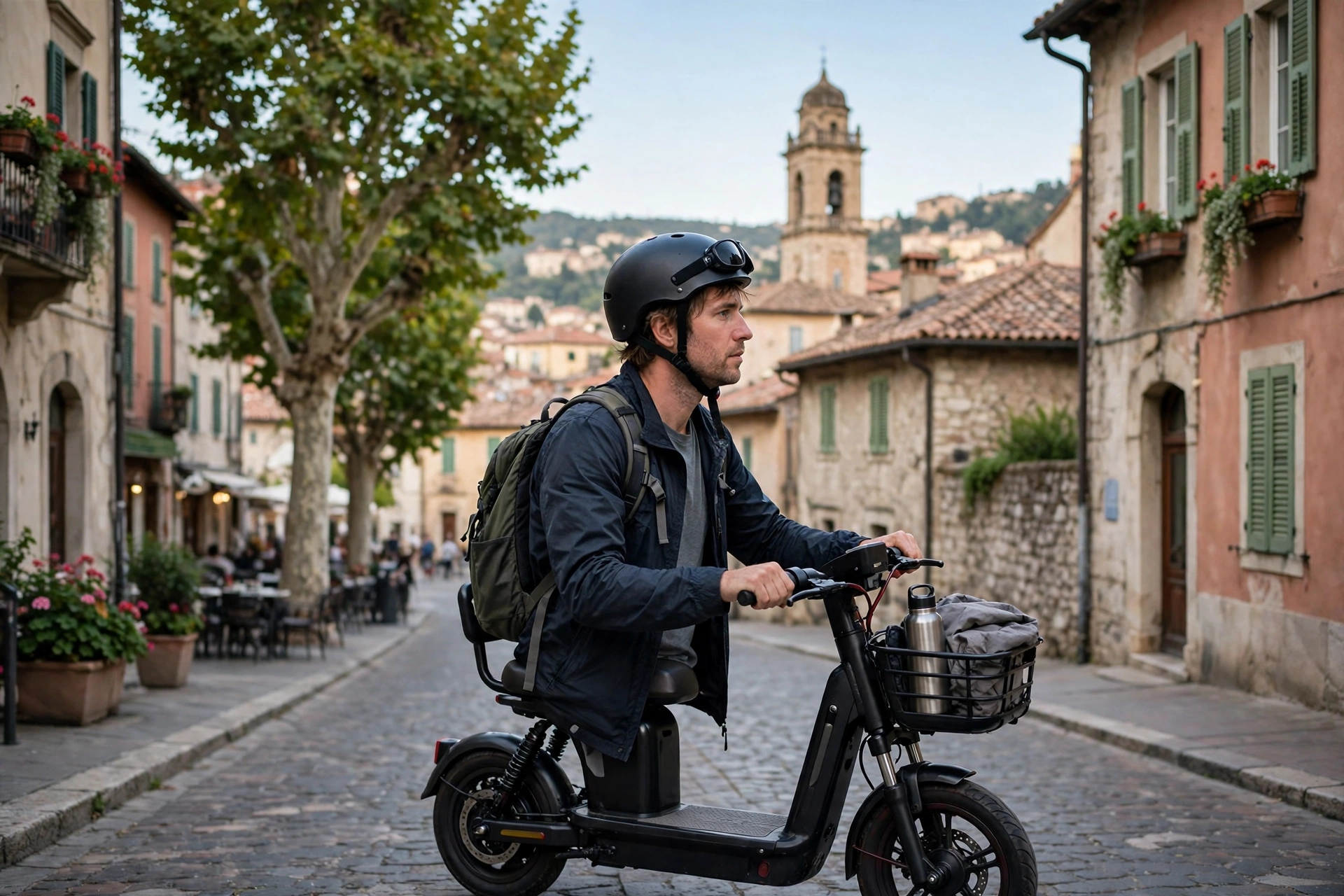
Bringing your own helmet solves the fit and hygiene problems and guarantees you have one where rentals do not provide them, but it has its own complications. A helmet takes up luggage space, and a helmet that meets your home country’s standards may not meet the destination’s recognised standards, although in practice a quality helmet from a reputable maker is widely accepted for rental use. Check the destination’s position if you plan to rely on your own helmet for a longer hire.
For short e-scooter hops, many tourists prefer a light, packable helmet, while for a multi-day motorcycle hire a proper full-face helmet is worth the luggage space. Whatever you bring, make sure it fits, is undamaged, and works with the eyewear or sun protection you will use. A helmet left in the hotel because it is uncomfortable or impractical protects no one, so pack one you will actually wear.
What Other Rental Rules Should Tourists Check?
Helmet rules sit within a wider set of rental conditions that tourists often overlook. Licence requirements vary: some destinations accept a home licence, some require an international permit, and some set different rules for different vehicle sizes. Age limits, passenger rules, insurance cover, and where the scooter may be ridden — roads, cycle paths, or neither — all vary too, and breaching any of them can void insurance cover.
Insurance deserves particular attention. Rental cover may be basic, may exclude certain injuries, or may depend on compliance with local rules, including helmet rules. A tourist injured while riding without a required helmet may face both legal trouble and an insurance dispute, far from home and in an unfamiliar system. Reading the rental terms and checking travel insurance before hiring is unglamorous but essential, and it takes far less time than dealing with the consequences afterwards.
What About E-Scooters Versus Petrol Scooters?
Tourists often treat all rental scooters alike, but the rules frequently differ between e-scooters and petrol scooters. Petrol scooters are generally treated as motorcycles or mopeds, with helmet requirements to match, while e-scooters may fall under newer, lighter frameworks where helmet rules are recommendations rather than requirements — or under trial schemes with their own conditions. The vehicle type, its speed, and its power all affect which rules apply.
That distinction matters at the kerb: a tourist who hires an e-scooter after reading motorcycle rules, or vice versa, may get the helmet position wrong. When hiring, confirm which category the vehicle falls into and what helmet rule applies to that category in that place. If the rental staff cannot answer clearly, treat that as a reason to wear a helmet regardless and to check the local rules yourself. For background on how helmet liners manage impact forces, this guide to modern helmet liner systems explains the basics.
How Can Tourists Prepare Before Travelling?
Preparation is simple and pays off. Before travelling, look up the destination’s scooter and helmet rules from an official or reputable source, confirm licence and insurance requirements, and decide whether to bring a helmet or rely on the rental company. On arrival, confirm the helmet position with the rental company, inspect any hire helmet, and wear it on every ride.
The habit to carry everywhere is the same one that serves riders at home: a well-fitting helmet, fastened, on every ride, whatever the local law says. Laws vary, enforcement varies, and rental practices vary — but the physics of a fall does not. A helmet is the cheapest, lightest insurance a travelling rider can carry.
Frequently Asked Questions
Q: Do helmet laws abroad apply to tourists?
A: In general terms, yes. Tourists are subject to the same local rules as residents, with no general visitor exemption, so check the destination’s rules before hiring.
Q: Will my rental scooter come with a helmet?
A: Sometimes, but not always. Some companies include one, some charge extra, and app-based e-scooter schemes often provide none, so ask when booking and inspect any hire helmet before riding.
Q: Should I bring my own helmet on holiday?
A: In general terms, yes, if you plan to ride. Your own helmet guarantees fit and availability, though you should check it meets a standard recognised at your destination for longer hires.

Olivia
Writer at Helmet Today, covering helmet reviews, fit and riding safety.