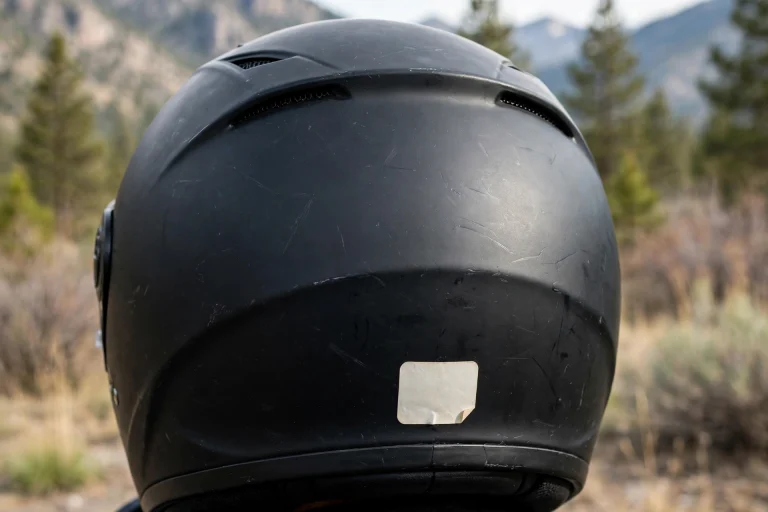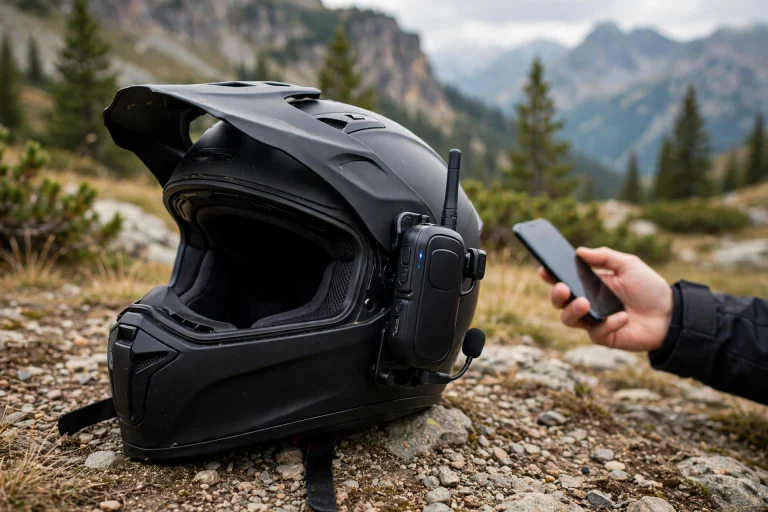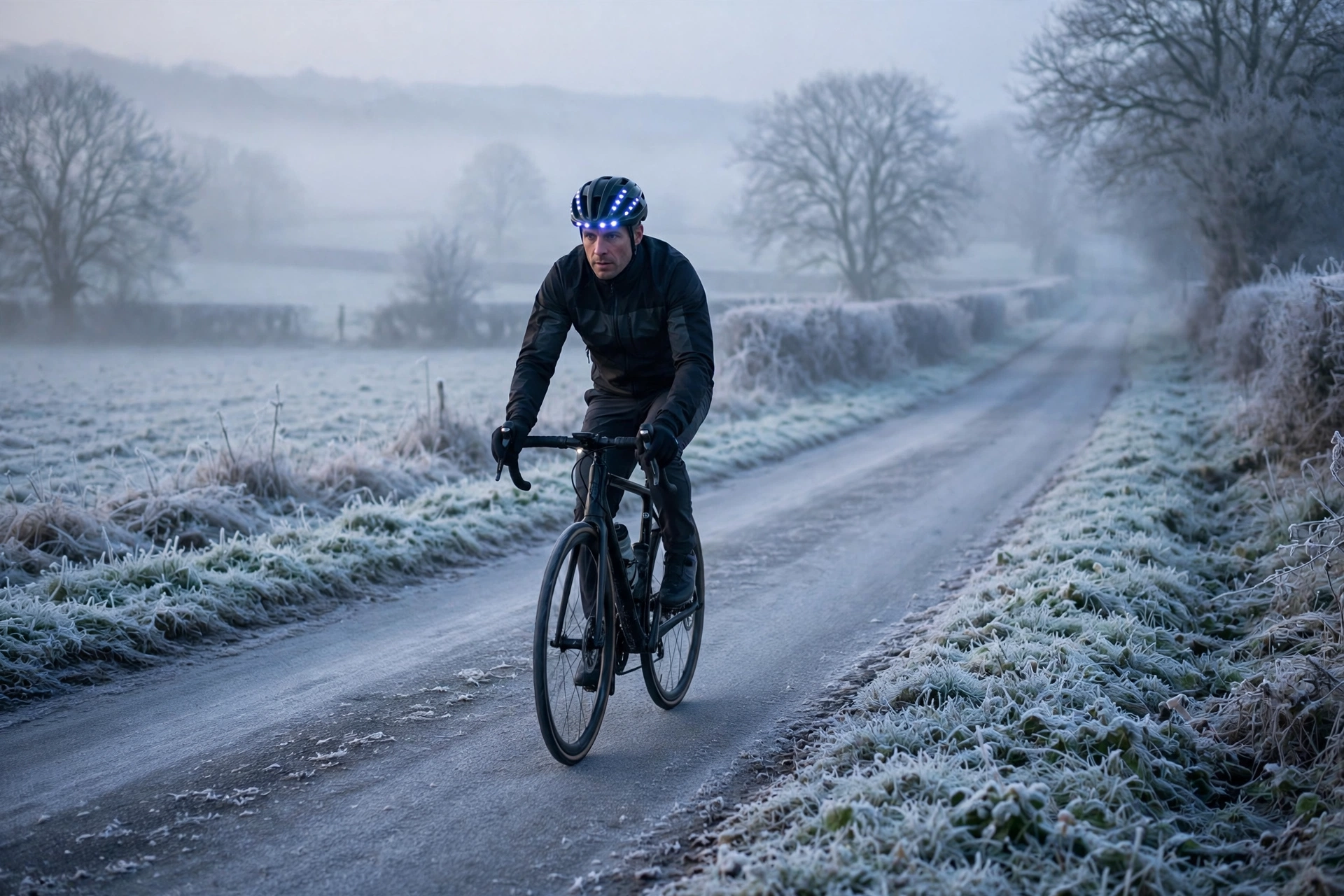
In general terms, smart helmet batteries last noticeably less long in cold weather than in mild conditions, because cold slows the chemical reactions inside rechargeable batteries and reduces the energy they can deliver. A helmet that comfortably lasts several rides in summer may run flat much sooner on a winter ride, especially if its lights, intercom, or music are running at the same time. The battery is not damaged by a single cold ride, but its usable charge on that ride will be lower.
This guide explains why cold affects smart helmet batteries, how much difference it can make, and what you can do to keep your helmet’s electronics working through winter.
Why Does Cold Weather Reduce Battery Life?
Rechargeable batteries store and release energy through chemical reactions, and those reactions slow down as the temperature drops. In cold air, the battery’s internal resistance rises, so less of its stored energy reaches your helmet’s electronics. The battery still holds the same charge in principle, but it cannot deliver it as effectively while it is cold.
The effect grows as the temperature falls. Mild cold has a modest effect, while freezing conditions can cut usable runtime substantially. Wind chill makes it worse, because a helmet on a moving bike is exposed to a constant stream of cold air that keeps the battery cold for the whole ride.
It is important to separate temporary loss from permanent damage. A battery that performs poorly in the cold usually recovers most of its capacity when it warms up again. Permanent damage is more likely when a battery is charged while frozen, or stored for long periods at very low temperatures, than from simply being used on a cold ride.
Which Smart Helmet Features Drain the Battery Fastest in Winter?
Lights are usually the biggest drain, and winter is exactly when you use them most. Short days mean lights run for the whole commute, and bright modes draw more power. If your helmet has a rear light and a brake light, those add up over a long ride.
Intercom and music come next. A long group ride with the intercom open, or hours of music streaming, keeps the Bluetooth radio and speakers working continuously. In cold weather that steady drain combines with the battery’s reduced output, so the helmet can run flat well before the ride ends.
Crash detection and sensors, by contrast, use very little power on their own. They sip energy in the background and only draw more when triggered. If you are trying to stretch battery life, dimming the lights and limiting music will help far more than switching off safety sensors.
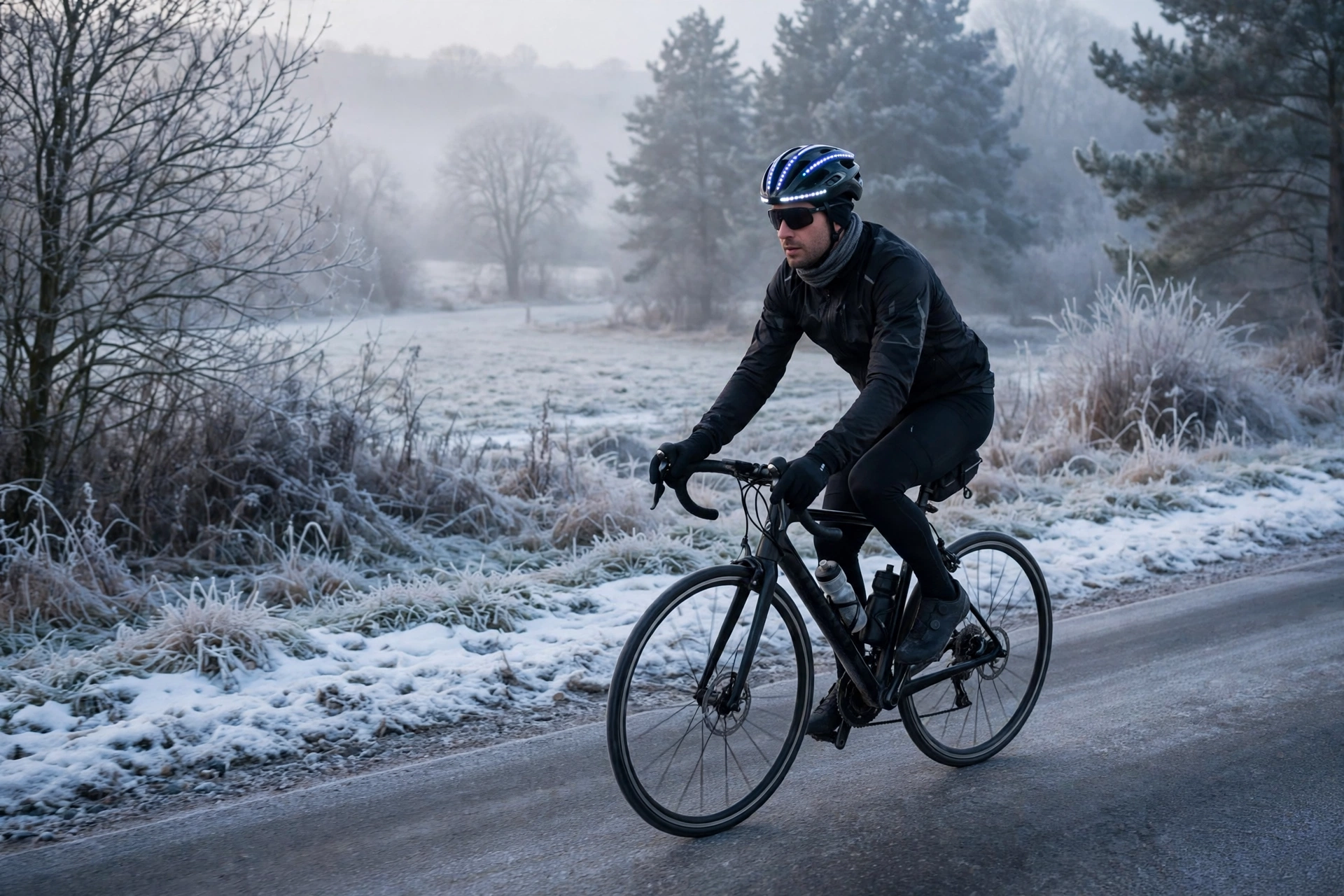
How Can You Make a Smart Helmet Battery Last Longer in the Cold?
Start warm. Keep the helmet indoors at room temperature before a ride rather than in a cold garage or car boot, so the battery begins the ride warm. A battery that starts warm delivers more energy before the cold takes hold, and that head start can make the difference on a medium-length ride.
Manage the features. Use the lowest light mode that keeps you visible, turn off music or intercom when you do not need them, and switch the helmet off during long stops instead of leaving it idling. Small savings add up when the battery is already struggling against the cold.
Carry a backup plan. If you rely on the helmet’s rear light for visibility, carry a separate bike light as well, so a flat helmet battery never leaves you invisible. Similarly, if you count on crash alerts, make sure your phone is charged and warm — a cold phone battery suffers the same problem.
Should You Charge a Smart Helmet Battery in the Cold?
In general terms, avoid charging a cold battery until it has warmed up. Charging a lithium battery while it is very cold can cause permanent damage and reduce its long-term capacity, which is a worse outcome than a single short ride. Bring the helmet indoors, let it reach room temperature, and then plug it in.
The same logic applies to storage. If you will not ride for weeks in winter, store the helmet indoors at a partial charge rather than fully flat or fully charged, and top it up occasionally. A battery left flat in a freezing garage for months may not recover well.
Check the maker’s guidance for your specific helmet, since battery types and recommended charging temperatures vary. The manual’s temperature range is the safest guide, and following it protects both the battery and any warranty.
Does Cold Weather Affect the Helmet’s Protection?
No — cold weather does not switch off the helmet’s core protection. The shell and foam liner work regardless of battery level, and a flat battery only means the electronic features stop, not that the helmet stops protecting your head. That distinction matters: you are never riding unprotected just because the electronics ran flat.
What changes is your reliance on those electronics. If your winter safety plan depends on a rear light, an intercom, or a crash alert, a cold-shortened battery can quietly remove that layer of safety. Planning for shorter electronic runtime in winter — with backup lights and a charged phone — keeps the whole system working.
Understanding the helmet underneath the electronics is just as important as managing the battery. Modern liners that reduce twisting forces in angled crashes are a key part of real-world protection, and this guide to MIPS technology explains how they work in plain language.
Long-term battery health deserves a mention as well. Repeated deep discharges and charging in extreme temperatures gradually reduce a battery’s total capacity, so a helmet that is a few winters old may hold less charge than it did when new. If your helmet’s runtime has shrunk noticeably, check whether the maker offers a battery replacement service before assuming the electronics are finished. In many cases a fresh battery restores the helmet’s smart features for several more seasons, which is far cheaper and less wasteful than replacing the whole helmet.
Frequently Asked Questions
Q: Will my smart helmet battery be permanently damaged by one cold ride?
A: In general terms, no. Cold temporarily reduces the energy a battery can deliver, but capacity usually recovers when the battery warms up. Permanent damage is more likely from charging while frozen or long cold storage.
Q: How can I keep my smart helmet battery working in winter?
A: Store and start the helmet warm, use lower light modes, switch off unneeded features, and carry a backup bike light so a flat battery never leaves you invisible.
Q: Should I charge my helmet straight after a freezing ride?
A: No. Let the helmet warm to room temperature indoors first, then charge it. Charging a very cold battery can cause permanent damage.

Olivia
Writer at Helmet Today, covering helmet reviews, fit and riding safety.