In general terms, you should replace a boxing headguard when the padding has gone soft or flat, the shell is cracked or misshapen, the straps no longer hold it firmly, or it has taken a very heavy impact — even if it still looks fine from the outside. For a boxer training several times a week, that often means a new headguard every one to two years, though the real test is condition, not the calendar.
A headguard does not come with a fixed expiry date, and it will not suddenly stop working on a particular day. It wears out gradually, and the padding that protects you gets thinner and softer a little at a time. This guide explains how long a headguard lasts, the warning signs to watch for, and how to make yours last as long as possible.
How Long Does a Boxing Headguard Last?
There is no single answer, because it depends on how often you train, how hard you spar, and how well you look after the headguard. A boxer training twice a week with light sparring may get several years from a good-quality headguard, while a boxer sparring hard four or five times a week may wear one out in a year or so.
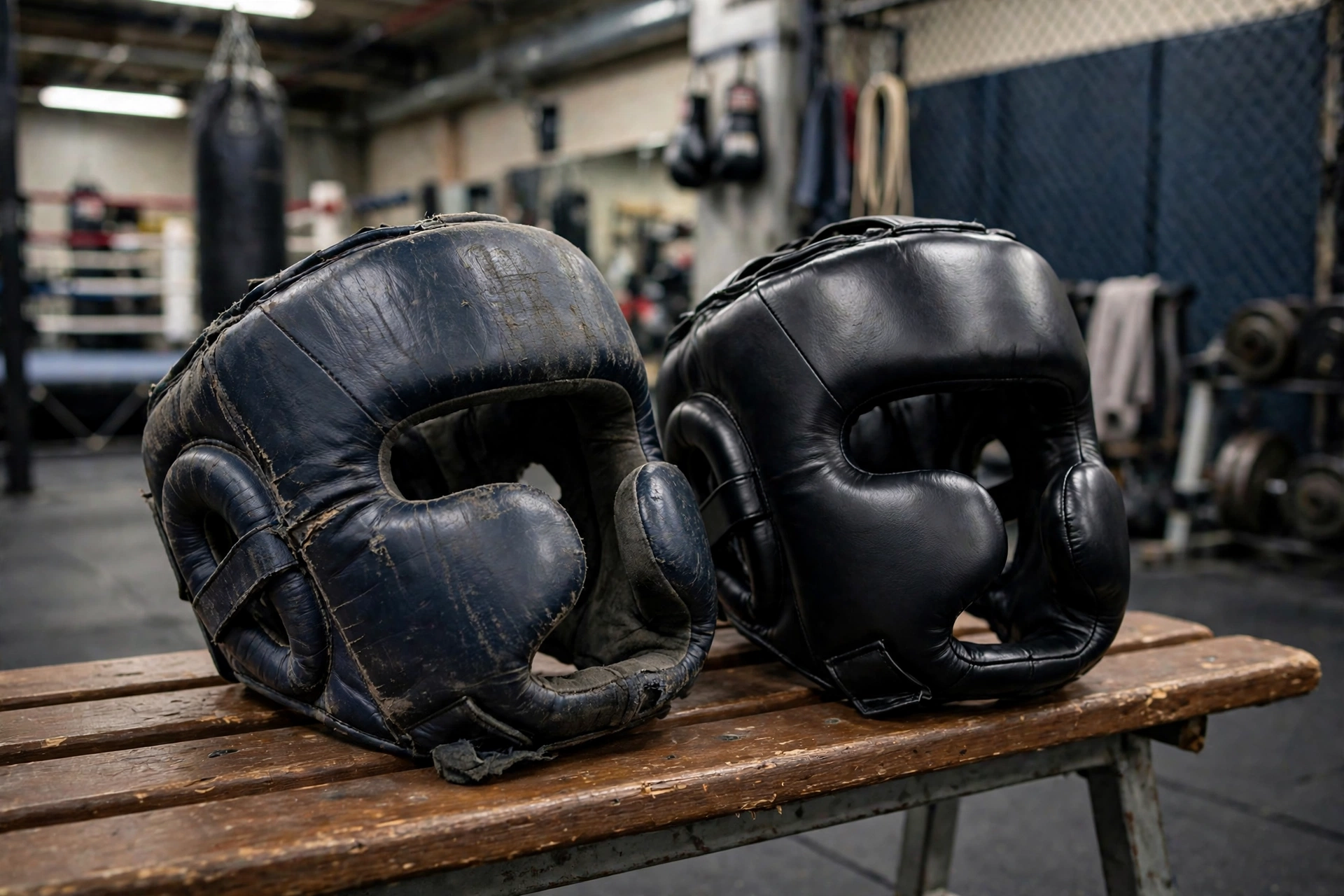
The padding is usually the first thing to go. Foam compresses with every impact and every session, and over time it loses the spring that lets it absorb a punch. The outer material also wears — leather scuffs and dries, synthetic covers crack, and stitching loosens. Straps and buckles wear too, and a strap that slips is a real problem in the ring.
Quality matters as well. A well-made headguard from a reputable maker, with dense foam and strong stitching, will generally last longer than a cheap one. That does not mean the most expensive headguard is always the best value, but buying a headguard purely on price often means replacing it sooner.
What Are the Signs a Headguard Needs Replacing?
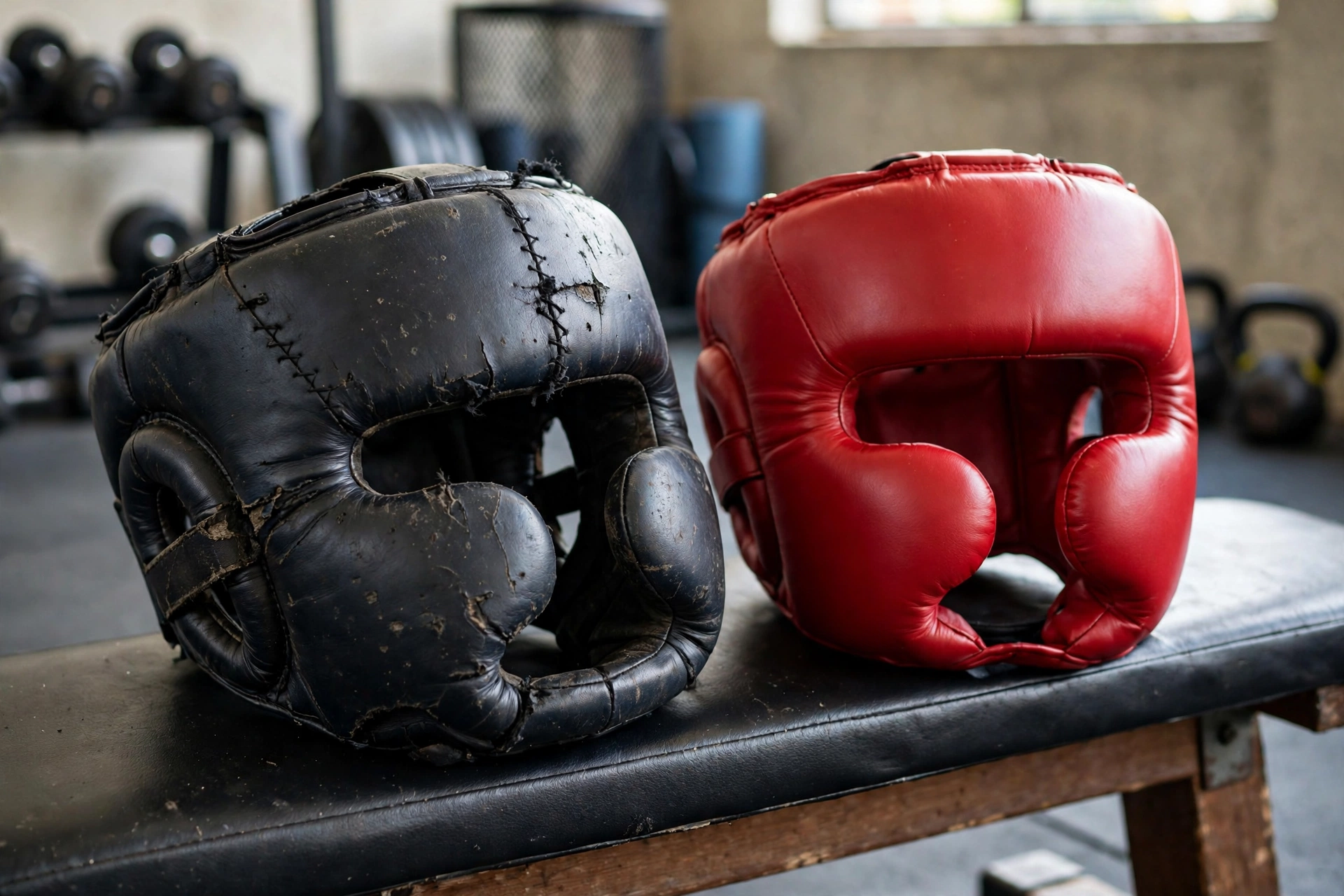
The clearest sign is padding that has gone soft, flat, or lumpy. Press the padding with your fingers — it should feel firm and spring back when you let go. If it stays dented, feels thin in places, or has hard spots where the foam has broken down, it is no longer absorbing impact the way it should.
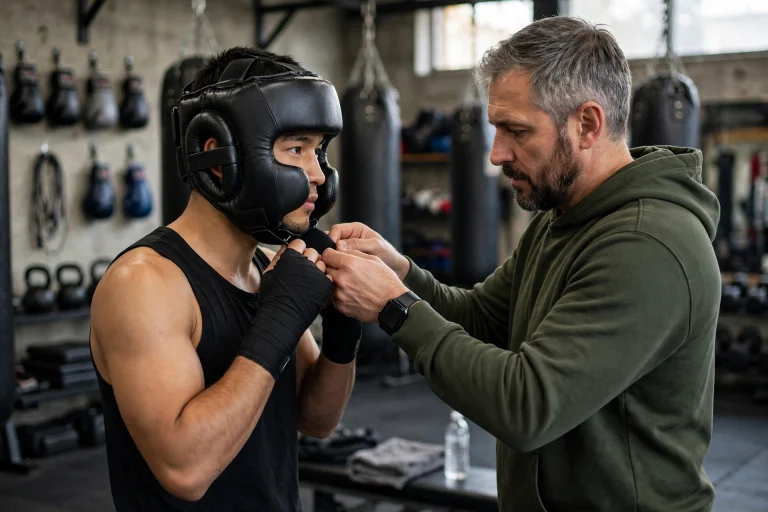
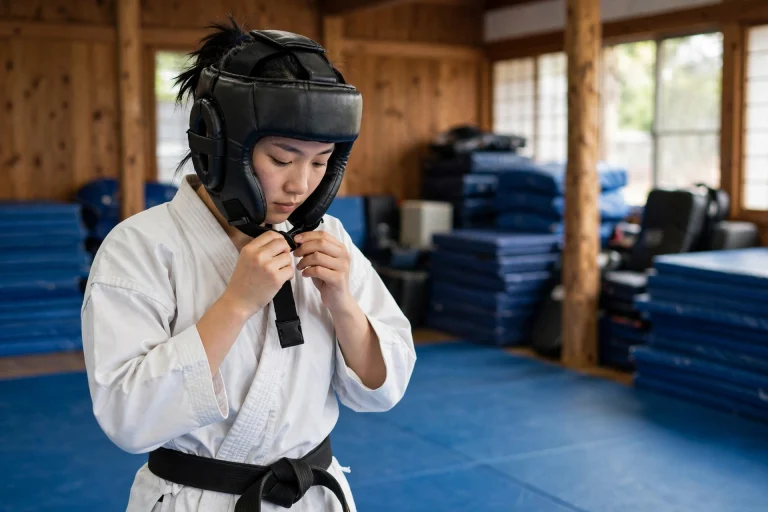
Check the shell and the stitching. Cracks in the outer material, torn seams, or padding that is pulling away from the shell are all reasons to replace the headguard. Also look at the straps and buckles: if the chin strap slips, the Velcro no longer grips, or a buckle is cracked, the headguard cannot be trusted to stay in place.
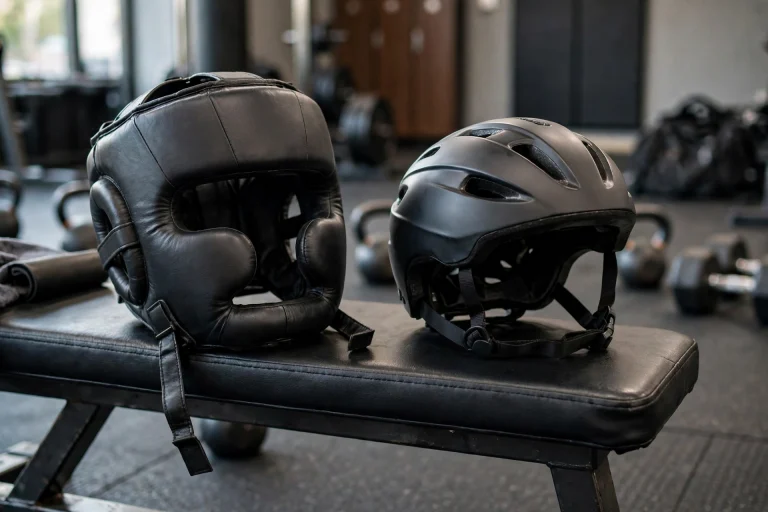
Also pay attention to how it fits. If a headguard that once fitted snugly now feels loose, even after you tighten the straps, the padding has probably compressed and thinned. A loose headguard can shift in use and block your vision, so a change in fit is itself a warning sign. If you are comparing replacement models and want to understand the safety features listed on the box, reading about what MIPS is for helmets can help you make sense of the technology terms.
Does a Headguard Expire After a Big Hit?
There is no official expiry after a single heavy impact, but a very hard blow can damage a headguard in ways you cannot see. Foam can compress permanently in one spot, and the layers inside can separate, even if the outside looks undamaged. If you have taken a particularly heavy shot — one that left you dazed or hurt — it is worth inspecting the headguard carefully afterwards.
Press the padding all over and look for any area that feels different from the rest: softer, thinner, or dented. Check the stitching around the impact area and make sure the shell has not warped. If anything feels off, replace the headguard rather than guessing. A headguard is not expensive compared with the cost of an injury.
It is also worth thinking about how the headguard has been treated over its life. One that has been dropped on concrete, left in a hot car, or soaked and dried badly may have hidden damage. If you are unsure, the safe choice is to replace it — a headguard you cannot trust is worse than no headguard at all, because it gives you false confidence.
Can You Repair a Damaged Headguard?
In general terms, minor cosmetic damage can be repaired, but structural damage cannot be fixed safely. A loose strap can be restitched, a small tear in the outer cover can be patched, and a worn chin cup can sometimes be replaced. These are surface fixes that do not affect how the headguard absorbs impact.
What you cannot repair is the padding. Once foam has compressed, cracked, or broken down, there is no way to restore it. Gluing a torn seam or stitching a split shell does not restore the protection either. If the damage is to the padding or the shell itself, the headguard should be replaced, not repaired.
Be wary of anyone offering to repair a headguard’s padding or rebuild it. A headguard is safety equipment, and a repair that looks fine from the outside may hide a weakness inside. If the cost of a proper repair approaches the cost of a new headguard, buying new is the better choice in almost every case.
How Do You Make a Headguard Last Longer?
The simplest way to make a headguard last is to clean it and dry it properly after every session. Sweat breaks down foam and stitching over time, so wiping the headguard down and letting it air-dry fully will slow that wear considerably. Never leave it in a damp kit bag, and never dry it with direct heat.
Store it sensibly. Keep it somewhere cool and dry, out of direct sunlight, and do not stack heavy gear on top of it. A headguard left squashed under a pile of kit will lose its shape, and the padding will compress unevenly. A shelf or a hook in a ventilated room is ideal.
Finally, rotate your headguards if you can. Having two headguards and alternating between them gives each one time to dry fully between sessions, and it halves the wear on each. It costs more up front, but both headguards will last longer, and you will always have a dry one ready to train in.
Frequently Asked Questions
Q: When should I replace my boxing headguard?
A: Replace it when the padding is soft, flat, or lumpy, the shell is cracked, the stitching is torn, or the straps no longer hold it firmly. For regular training, that often means every one to two years, but condition matters more than the calendar.
Q: How do I know if my headguard padding is worn out?
A: Press the padding — it should feel firm and spring back. If it stays dented, feels thin or hard in places, or the headguard fits looser than it used to, the foam has worn out and the headguard should be replaced.
Q: Should I replace a headguard after one hard punch?
A: Not automatically, but inspect it carefully. If the padding feels different in the impact area, or the shell or stitching is damaged, replace it. When in doubt, replacing the headguard is the safer choice.

Olivia
Writer at Helmet Today, covering helmet reviews, fit and riding safety.