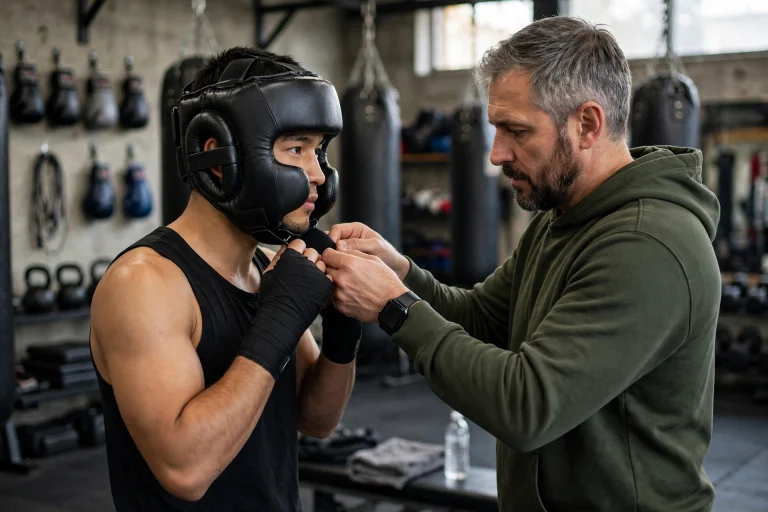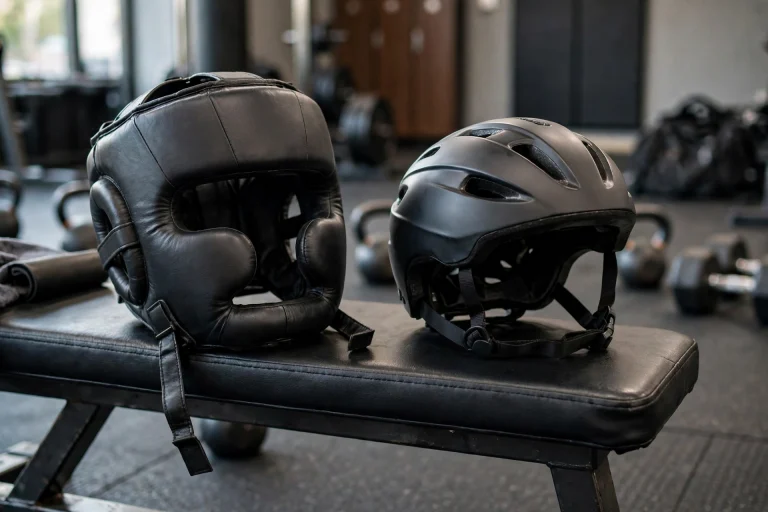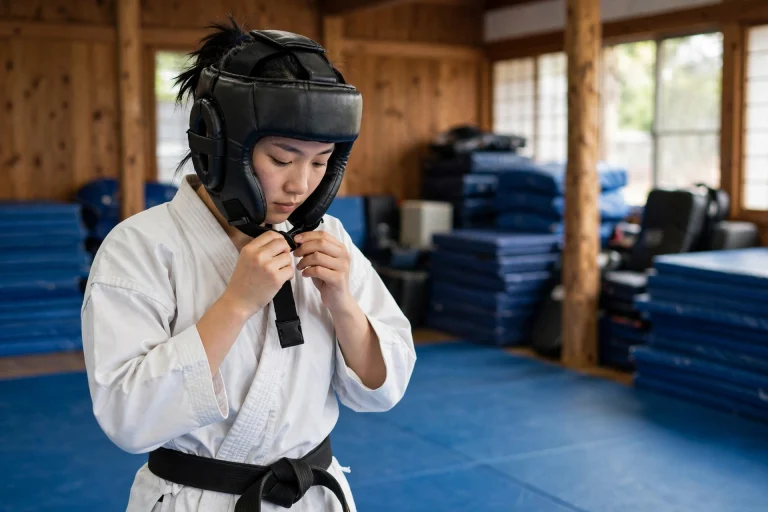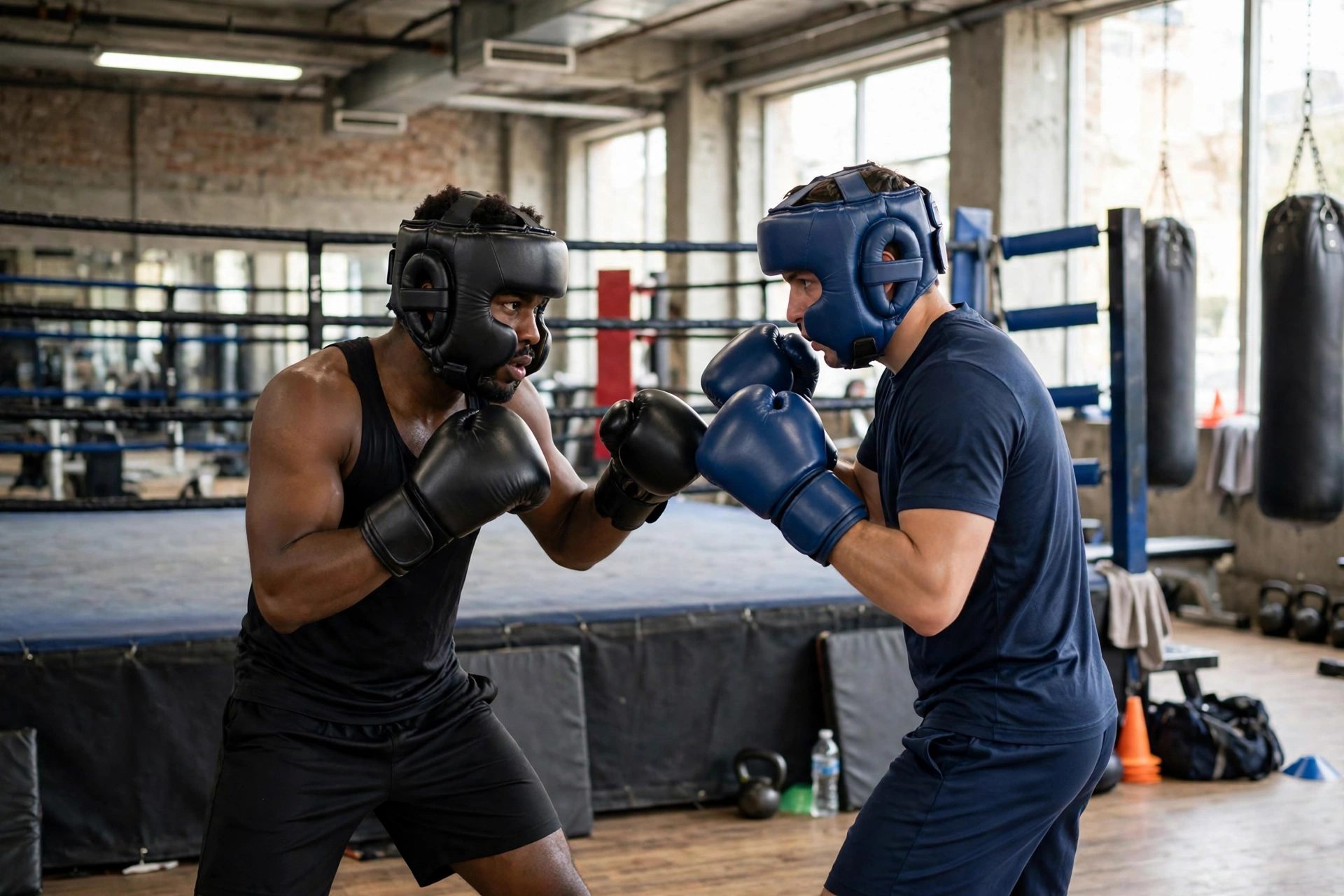
A boxing headguard for sparring is not the same as one for competition, and in general terms, the right choice depends on where you will use it. Sparring headguards are usually thicker and more padded, built for comfort and repeated hits in training. Competition headguards are usually lighter and slimmer, built to meet the rules of the event you are entering — and in some competitions, headguards are not worn at all.
Choosing the wrong one can cause real problems. A thick sparring guard may not be allowed in a bout, while a slim competition guard may not give you the cushioning you want for long training rounds. This guide explains how sparring and competition headguards differ, what the rules usually require, and how to pick one that fits your training and your goals.
What Is a Sparring Headguard Designed For?
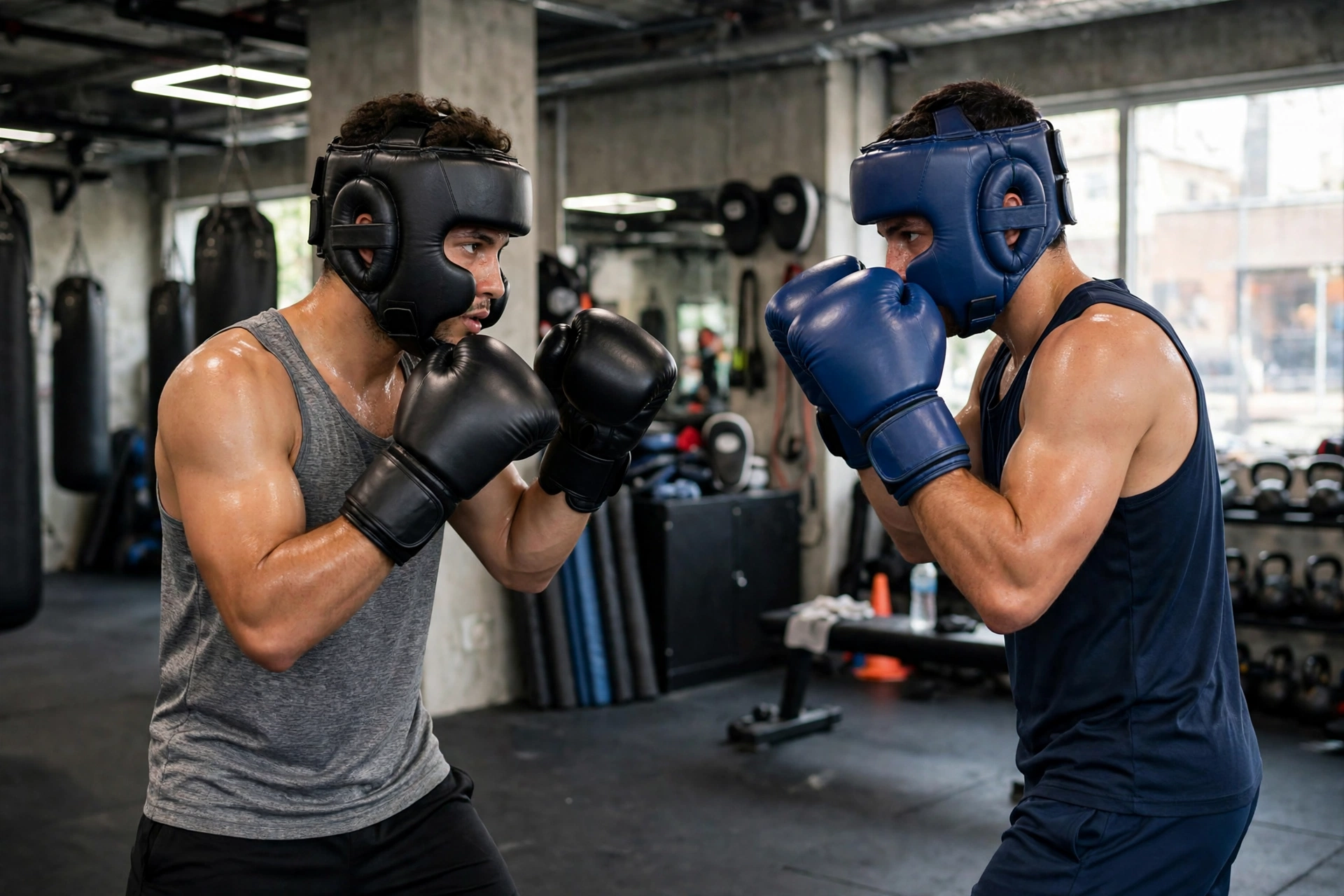
A sparring headguard is designed for training, where the priority is getting through many rounds safely and comfortably. Sparring sessions often last longer than a bout, with more exchanges and more time under pressure. The headguard needs to absorb repeated light and medium contact without becoming a distraction, and it needs to stay comfortable when you are tired and sweating.
That is why sparring headguards tend to have thicker padding around the forehead, temples, cheeks, and the back of the head. The extra padding spreads the force of a punch over a wider area, which can make glancing blows feel softer. Many sparring guards also cover more of the head, including the ears and the top of the skull, because training is where you are learning and mistakes are more likely.
What Is a Competition Headguard Designed For?
A competition headguard is designed for a bout, where the rules matter as much as the protection. In many amateur competitions, headguards are required, but they must meet specific standards set by the governing body for that event. Those standards can cover the thickness of the padding, the amount of coverage, the type of fastening, and even the colour of the guard.
Competition guards are usually slimmer than sparring guards. The padding is still there, but it is shaped to sit closer to the head, so the guard does not make your head a bigger target. A slimmer guard can also feel lighter and less hot, which matters when you are fighting at full pace and every gram counts. In a bout, you want protection that does not slow you down or tire your neck.
Vision is another priority in competition. A guard that blocks your side vision can make it harder to see punches coming from an angle, and that is a serious disadvantage in a fight. Competition guards often have a more open design around the eyes and cheeks, with the padding shaped to stay out of your line of sight as much as possible.
How Do Sparring and Competition Headguards Differ in Padding and Fit?
The clearest difference between the two types is the padding. Sparring guards use thicker, softer padding that is built to absorb repeated hits over a long session. Competition guards use firmer, slimmer padding that is built to meet a standard while staying light and close-fitting. Neither is better in every situation — they are built for different jobs.
Fit also differs in emphasis. A sparring guard should feel secure and comfortable for an hour or more, with straps you can adjust easily between rounds. A competition guard should feel like a second skin: snug, stable, and barely noticeable once you start moving. In both cases, the guard should sit level on your head, low enough to cover your forehead, without sliding forward over your eyes or tilting back and exposing your brow.
Durability is another point of difference. Sparring guards take a lot of use, week after week, so the stitching, lining, and straps need to hold up. Competition guards may be used less often, but they still need to be in good condition on the day. If you are learning about helmet technology in general, reading about what MIPS is for helmets can help you understand how protective headgear is designed to manage impact forces, even though boxing headguards work differently from cycling or riding helmets.
Can You Use One Headguard for Both Sparring and Competition?
In general terms, you can use one headguard for both, but it is not always the best idea. A competition-approved guard can be used for sparring, and many boxers do exactly that when they are starting out or on a tight budget. The guard will protect you in training, and you will get used to the feel of the guard you will fight in, which is a real advantage.
The problem comes when the guard is not right for the job. A slim competition guard may not offer the cushioning you want for hard, frequent sparring, especially if you spar several times a week. Over time, the padding can compress, and a guard that was fine for occasional bouts may become less protective in daily training. Using your competition guard for every sparring session can also wear it out faster, leaving it in worse condition when you need it most.
The other direction is riskier. A thick sparring guard may not be allowed in competition, either because of its padding, its coverage, or its design. Turning up to a bout with a guard that does not meet the rules can mean a last-minute scramble to borrow one that fits, which is the last thing you need before a fight.
How Should You Choose the Right Headguard for You?
Start with the rules. If you compete, or plan to compete, find out what your governing body requires and buy a guard that meets those rules. If you only spar, you have more freedom, and comfort and padding should lead your choice. Either way, do not buy a guard without trying it on, or at least checking the sizing guide carefully and measuring your head as instructed.
Think about your training load. If you spar three or four times a week, invest in a well-padded sparring guard with durable stitching and a washable or wipeable lining. If you spar rarely and compete often, a competition guard that fits well and gives you clear vision may be the better spend. If you do both regularly, consider budgeting for two guards over time rather than compromising on one.
Pay attention to vision and hearing. Try the guard on, move your head, and check that you can see to the sides without turning your whole head. Ask someone to speak to you from the side and check that you can hear them reasonably well. A guard that muffles everything or blocks your peripheral vision will make training harder and less safe, because you will miss cues you need to react to.
Frequently Asked Questions
Q: Do I need a different headguard for sparring and competition?
A: Not always, but in general terms it helps. A padded sparring guard suits training, while a slimmer competition guard must meet event rules. Many boxers eventually own one of each.
Q: Are headguards compulsory in amateur boxing competitions?
A: It depends on the event and the governing body. Many amateur and youth events require headguards, while some senior elite events do not use them. Always check the rules for your specific bout.
Q: Will a thicker headguard protect me better?
A: Thicker padding can soften repeated light contact in training, but it does not make you invincible, and it can limit vision and make your head a bigger target. Fit, coverage, and the rules for your event matter just as much as thickness.

Olivia
Writer at Helmet Today, covering helmet reviews, fit and riding safety.