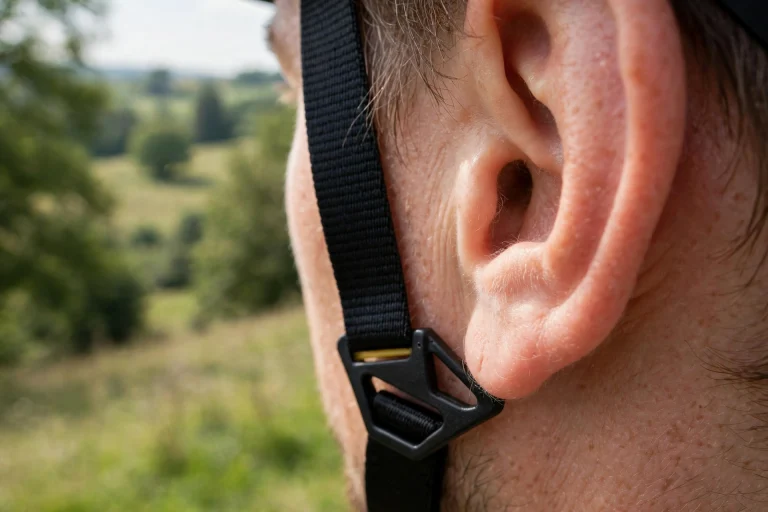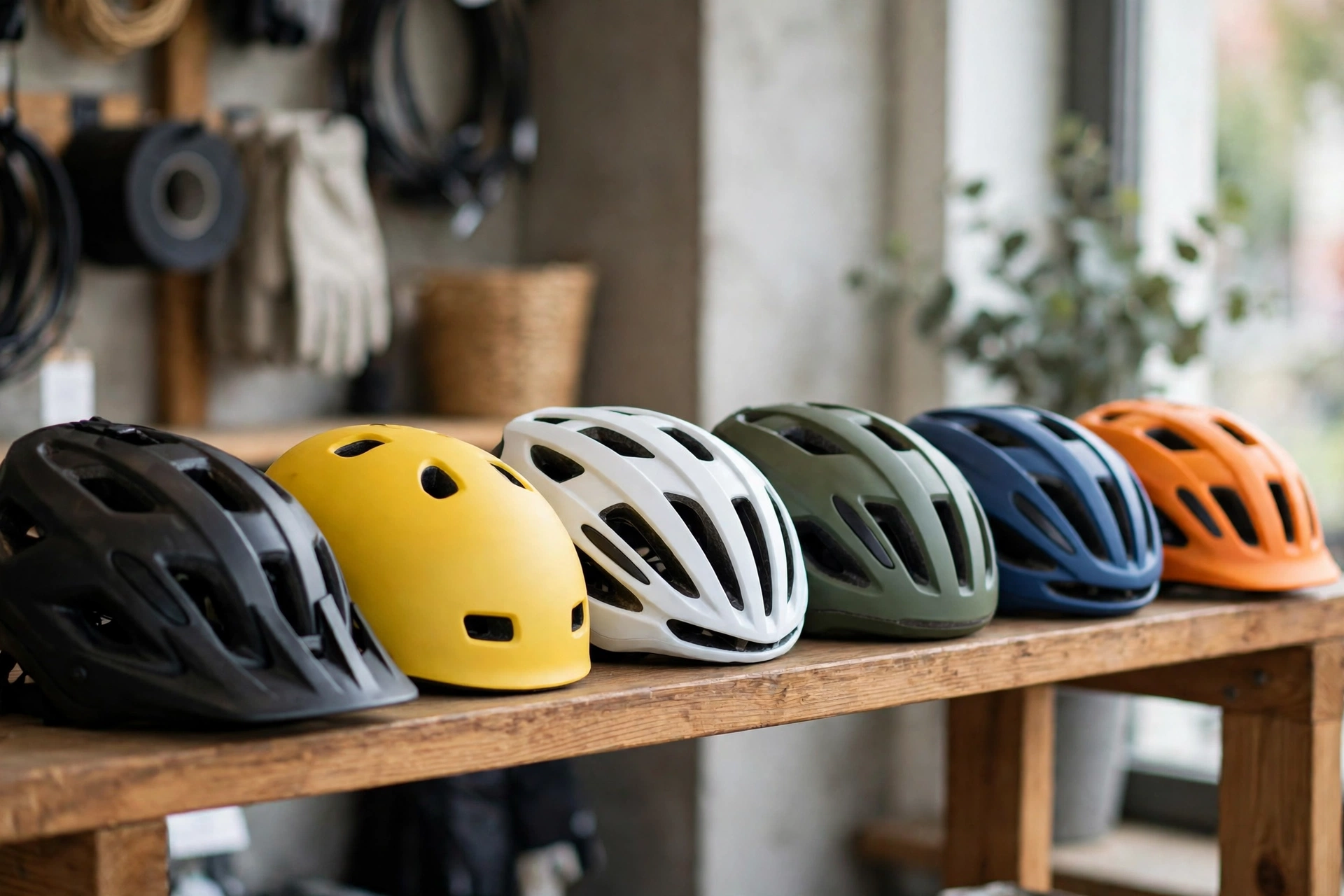
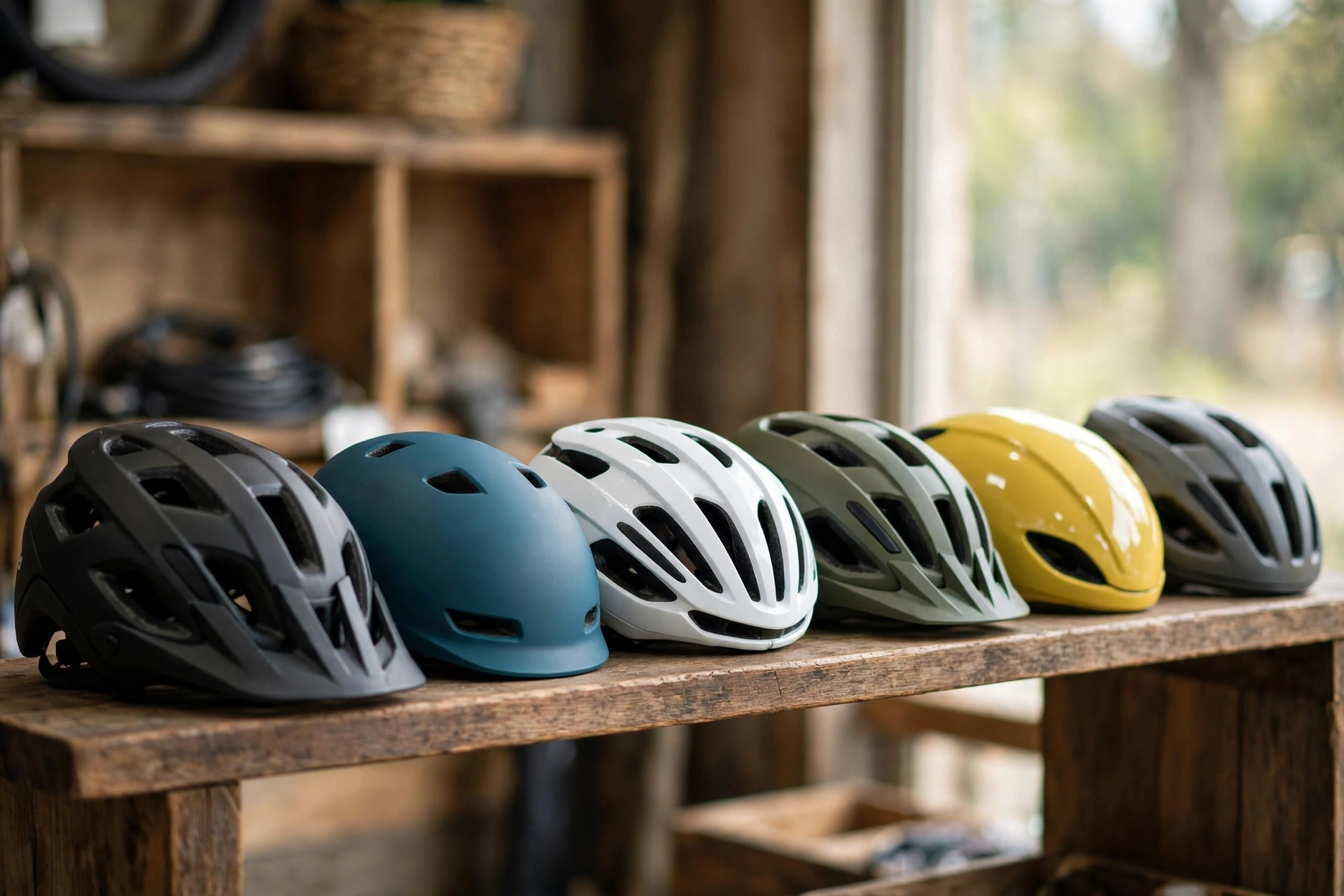
Yes — helmet sizes differ between makers, and often by a noticeable amount. A medium from one brand can fit like a large from another, and the size ranges on the labels do not always line up. There is no single, shared sizing standard that every helmet maker follows, so each brand sets its own size ranges, shell shapes, and padding thickness. The label is a starting point, not a guarantee.
This catches out plenty of riders. Someone who has worn a medium for years buys a different brand in medium, finds it painfully tight or strangely loose, and assumes something is wrong with the helmet. Usually nothing is wrong — the sizes simply do not match. This guide explains why sizes vary and how to compare them.
Why Don’t Helmet Makers Use the Same Sizes?
Helmet sizing starts with a head form — the model head a maker builds its helmets around — and head forms differ between brands. Some makers build around a rounder form, others around a longer one. Two helmets with the same labelled size and the same circumference range can still fit very differently because the shape inside the shell is different.
Size ranges also differ. One brand’s medium might cover 55 to 59 centimetres, while another’s covers 54 to 58. That one-centimetre shift is enough to push a rider from one size to another. Some brands use small, medium, and large; others add extra sizes or use numbered sizes, which makes direct comparison even harder.
Padding is the third variable. A helmet with thick, soft comfort padding feels smaller than a helmet with thin padding in the same shell size, and padding compresses with use. Two helmets fresh out of the box can feel a size apart, then feel closer after a few weeks of wear.
How Much Can Sizes Differ in Practice?
In general terms, the difference between brands is usually about one size, but it can feel like more when shape is involved. A rider who wears a medium in a round-fitting brand may need a large in a narrow-fitting brand, because the narrow shell presses on the forehead and temples even though the circumference is right.
The difference is not limited to cycling helmets. Motorcycle, ski, climbing, and equestrian helmets all vary between makers, and the variation can be larger in sports where the shell shape is more specialised. A ski helmet and a bike helmet in the same labelled size from the same brand may even fit differently, because they are built on different head forms.
Children’s helmets vary too, and the difference matters more because children grow fast. A child who fits a small in one brand may need a medium in another, so always measure and try on rather than ordering the same size as last time.
How Do You Compare Sizes Between Brands?
Start with your head measurement, not your old size. Measure around your head just above the eyebrows and ears, with a soft tape, and write the number down. Then check each brand’s size chart for the model you are considering — not a general chart for the brand, but the chart for that helmet, since ranges can differ between models from the same maker.
Then try the helmet on. The chart gets you to the right shelf; only the fit test tells you whether the helmet works. Do up the strap, adjust the retention dial, and do the usual checks: shake your head, nod, and try to twist the helmet. It should sit level, feel snug all around, and move the skin on your forehead rather than sliding across it.
Try the size above and below as well, especially when switching brands. If you wore a medium before, try the new brand’s medium first, but also try the large and the small. The right size in a new brand is the one that passes the fit checks, not the one that matches your old label.
What Should You Do When Buying Online?
Buying online makes brand differences harder to manage, so a few precautions help. Measure your head carefully, check the size chart for the exact model, and read reviews or forums for notes on whether that model runs small or large. Many riders share that kind of detail, and it is often accurate.
Buy from a shop with a clear returns policy, and try the helmet on properly as soon as it arrives — with your hair as you wear it riding, and with any glasses or goggles you use. If it fails the fit checks, send it back and try another size rather than hoping it will break in. A helmet that is painfully tight will not become comfortable, and a loose helmet will only get looser.
If you can, try the model in a shop first, then buy online if you prefer. Knowing your size in a specific model takes the guesswork out of it. If you are comparing helmet features while you shop, reading about what MIPS is for helmets can help you understand one of the liner systems you may see listed on the box.
Does the Same Brand Stay Consistent?
Mostly, but not always. A brand usually keeps the same head forms across its range, so a medium in one of its road helmets is likely to feel similar to a medium in another. But different models can still vary — a time-trial helmet and a commuter helmet from the same brand are built for different purposes and may fit differently.
Brands also change their sizing over time. A new version of a helmet may use a different shell or padding, and the fit can shift by a noticeable amount. If you are replacing a helmet you loved, try the new version on before assuming your old size still applies.
The safest habit is to treat every new helmet as a fresh fit, whatever the label says. Measure, check the chart for that exact model, try it on, and trust the fit checks. Size labels are a guide, not a promise.
Frequently Asked Questions
Q: I wear a medium in one brand — should I buy a medium in another?
A: Start with the medium, but check the size chart for the exact model and try the sizes above and below too. Sizes differ between makers, so the label alone is not reliable.
Q: Why does a helmet feel tight even though the size chart says it should fit?
A: Shape is usually the reason. A narrow shell on a rounder head presses at the temples and forehead even when the circumference matches. Try a rounder model or a size up.
Q: Are helmet sizes the same across different sports?
A: No. Motorcycle, ski, climbing, and bike helmets from the same brand can use different head forms and size ranges, so always check the chart and try the helmet on for the sport you will use it for.

Olivia
Writer at Helmet Today, covering helmet reviews, fit and riding safety.