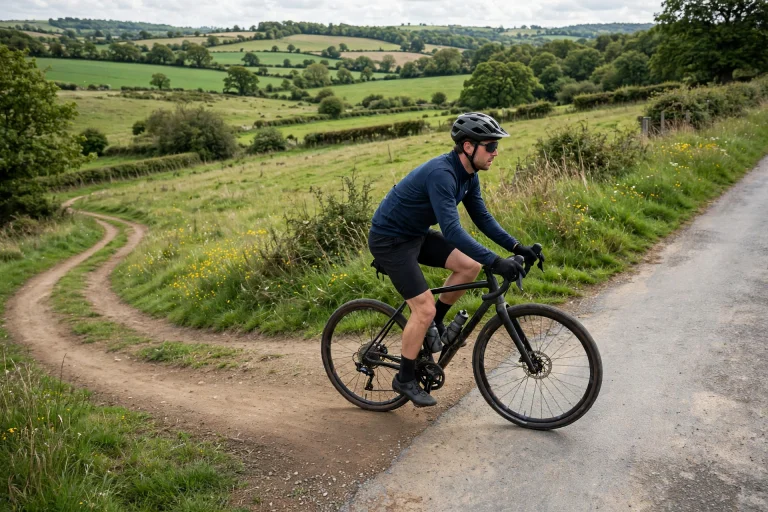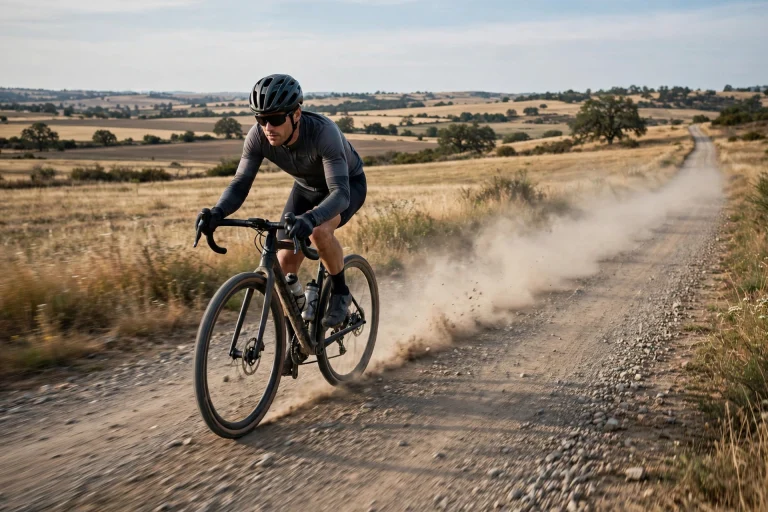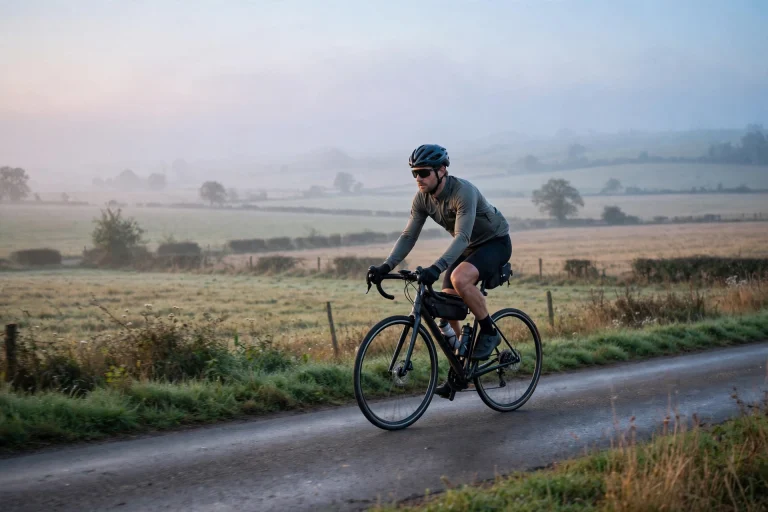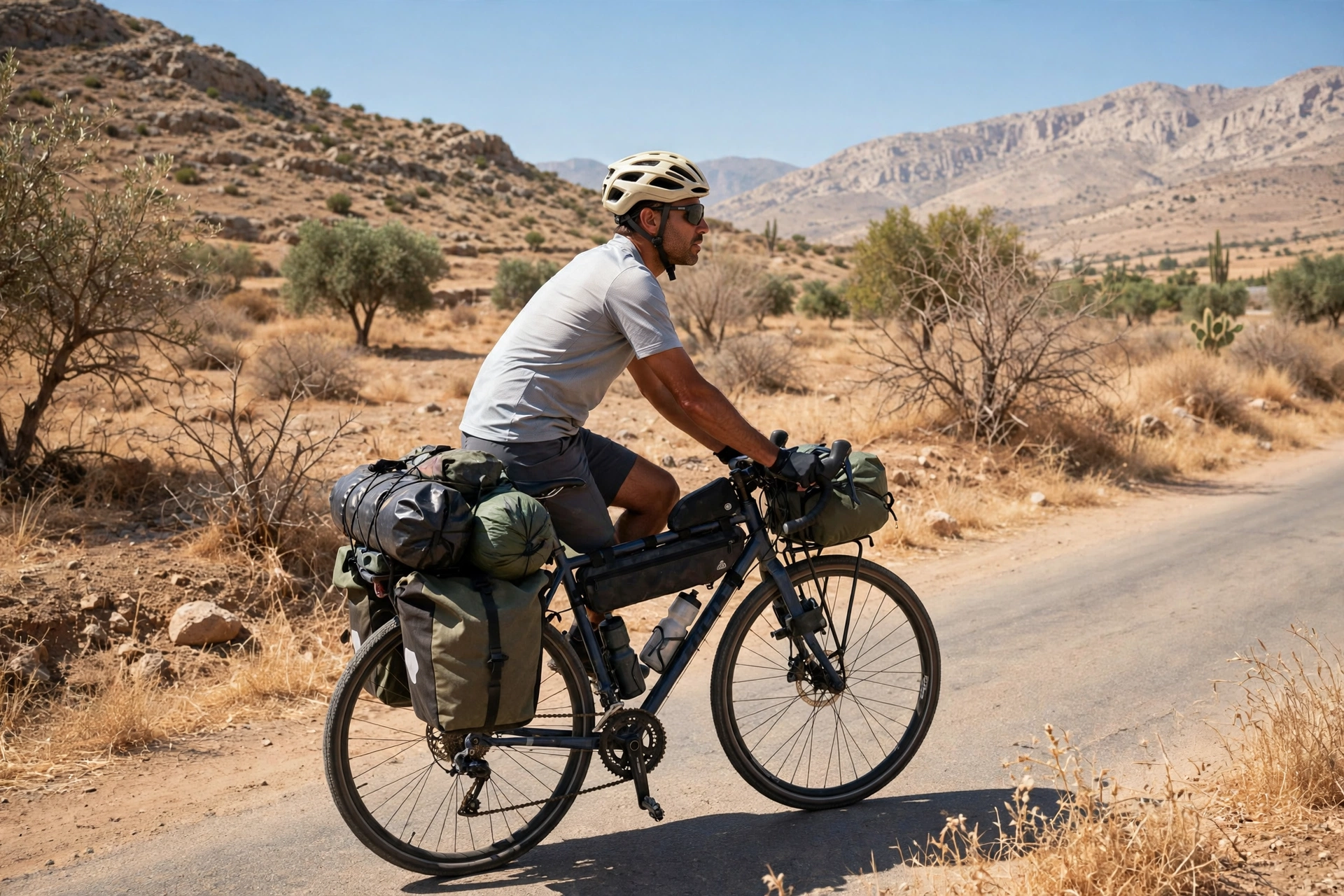
For cycle touring in hot countries, choose a well-ventilated road or touring helmet in a light colour, with a secure fit that stays comfortable for hours in the heat. Ventilation matters more than weight or aerodynamics on a loaded tour, because you spend long days riding slowly uphill, often in strong sun, with little shade. A helmet that moves air over your head helps you stay cooler and more comfortable, which in turn helps you keep riding safely.
Touring is not racing. You are riding day after day, often carrying luggage, stopping in towns, and riding through heat that builds from morning to afternoon. This guide explains what to look for in a touring helmet for hot countries.
What Makes a Touring Helmet Different in Hot Weather?
A touring helmet has a different job from a racing helmet. It needs to work for six or eight hours a day, day after day, rather than for a single fast ride. That means comfort over long periods matters as much as protection, and small irritations — a pressure point, a strap that rubs, padding that stays damp — can become serious problems by the third or fourth day.
In hot countries, heat is the main challenge. In general terms, a helmet traps a layer of warm air around your head, and your body produces more heat as you ride. A helmet with large, well-placed vents lets moving air carry some of that heat away. A helmet with few vents, or vents that are mostly decorative, can feel like a warm hat by midday. Look for vents at the front that take air in and vents at the rear that let it out, so air flows through the helmet rather than just sitting inside it.
Weight also matters on tour, but not in the way it matters to a racer. A heavy helmet becomes tiring over a long day, especially on climbs, and one that feels fine for an hour can feel heavy after five. In general terms, a lighter helmet is more comfortable for touring, as long as it still meets a recognised bicycle helmet safety standard and fits properly.
How Much Ventilation Do You Really Need?
As much as you can get without giving up coverage or fit. On a tour in a hot country, you will often be riding slowly, fully loaded, up a long climb in the middle of the day. At low speeds there is less airflow, so the vents have to work harder. A helmet with large front vents and clear internal channels that guide air across your head will feel noticeably cooler than a helmet with small, shallow vents.
Check how the vents are arranged, not just how many there are. Vents that line up with the shape of your head and connect through channels inside the helmet move air better than a scattering of small holes. If you can, try the helmet on and feel whether air reaches the top of your head when you move forward.
Padding plays a part too. Thin, quick-drying padding stays more comfortable than thick padding that soaks up sweat and stays damp. Removable, washable pads are a practical advantage on tour, because you can rinse them in the evening and have them dry by morning. If you are learning about helmet technology, reading about what MIPS is for helmets can help you understand one of the features you may see listed on touring helmets.
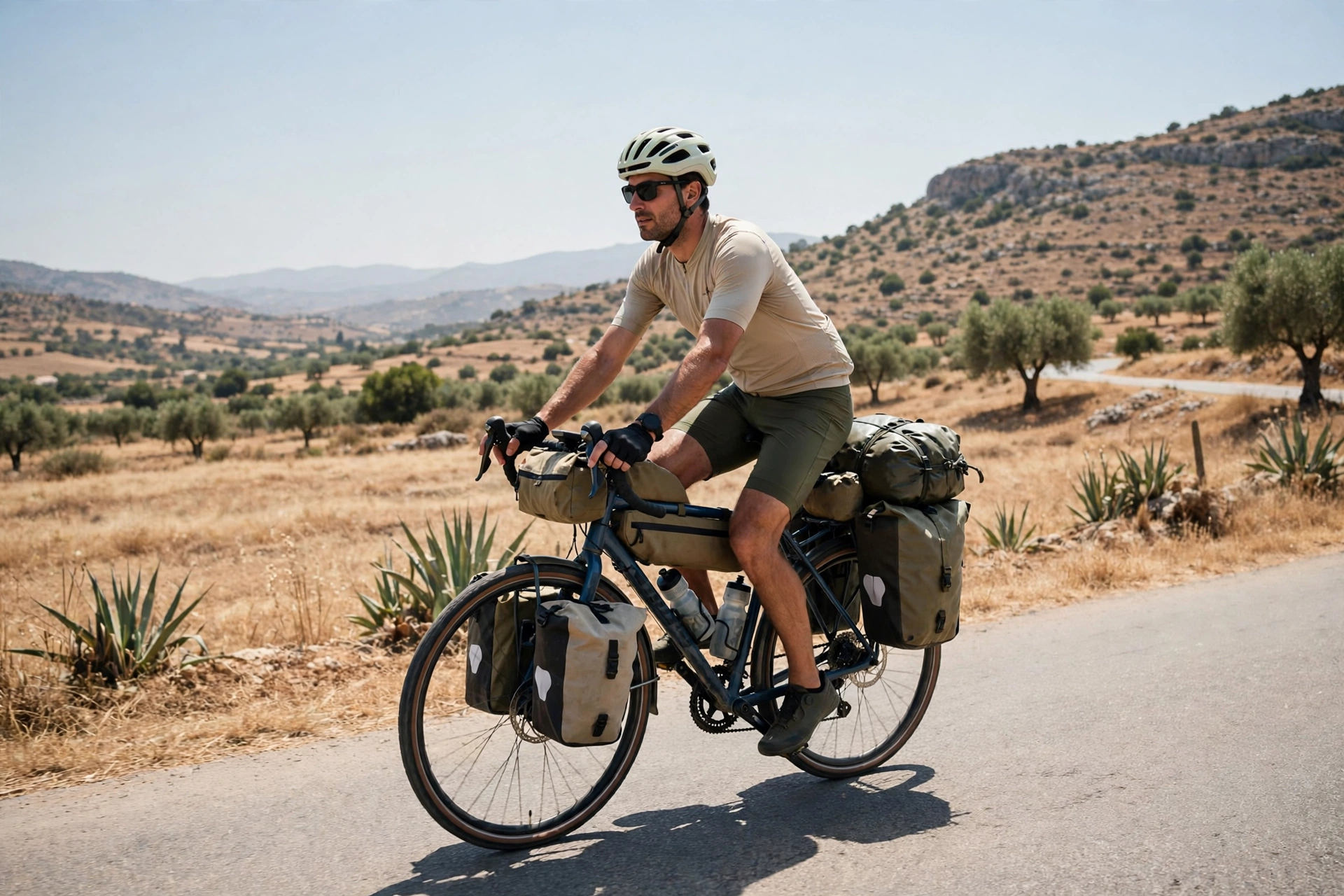
Should You Choose a Light-Colour Helmet for Hot Countries?
In general terms, yes. A white or pale-coloured helmet absorbs less heat from the sun than a black or dark-coloured one, and on a long day in strong sun that difference is noticeable. A light colour also makes you more visible to other road users, which is a genuine advantage on busy roads in unfamiliar places.
Colour is not the most important factor — ventilation and fit come first — but when two helmets are otherwise equal, the lighter one is the better choice for hot countries.
Some touring helmets come with a small peak or visor. A peak can shade your eyes and face from low sun, which is welcome on long straight roads, but it can also catch the wind and reduce airflow slightly. If you ride with a peak, make sure it is adjustable or removable, so you can take it off on the hottest climbs when airflow matters most.
How Do You Keep Cool on Long Days in the Heat?
Your helmet helps, but it is only part of keeping cool. Plan your riding day around the heat: start early, take a long break in the middle of the day when the sun is strongest, and ride again in the late afternoon when temperatures ease. Drink regularly, not just when you feel thirsty, and carry more water than you think you need between towns.
Soak your helmet pads or a thin skull cap in water at a stop, and let evaporation cool your head as you ride. A light, breathable cap worn under the helmet can also help manage sweat, but check that it does not change the fit — try the combination at home before the tour, not on the first hot day.
Watch for signs that the heat is affecting you, such as headache, dizziness, or feeling unusually tired. If you feel unwell, stop, rest in shade, and drink water. No helmet makes you immune to heat.
What Else Should a Touring Helmet Offer?
Look for a helmet that works with the rest of your touring kit. If you wear sunglasses, check that they sit comfortably with the helmet and do not press against your temples. If you ride with a mirror or a light mounted on your helmet, check that the mount fits securely without blocking vents.
Durability is worth considering too. A touring helmet gets knocked around: stuffed into panniers, hung on handlebars, and dropped on campsite ground. A helmet with a sturdy outer shell will look and feel better after a month on the road, and replacement pads and straps are worth checking for, so a worn part does not mean replacing the whole helmet mid-tour.
Finally, make sure the helmet is easy to adjust with one hand while wearing gloves, because you may need to tighten or loosen it on the move. A simple dial at the back and straps that stay put once adjusted are worth more than extra features you will never use.
Frequently Asked Questions
Q: Is a road racing helmet suitable for cycle touring in hot countries?
A: In general terms, yes, if it is well ventilated and comfortable for long days. A racing helmet may be lighter and better ventilated than a touring-specific model, but check that it suits slow climbing speeds and all-day wear before relying on it for a tour.
Q: Do I need a helmet with a peak for touring in hot, sunny countries?
A: Not necessarily. A peak can shade your eyes from low sun, but it can also reduce airflow slightly. A light-coloured, well-ventilated helmet without a peak is often cooler, and sunglasses can provide the shade instead.
Q: Can I wear a cap under my helmet to manage sweat in the heat?
A: You can, as long as the cap is thin and does not change the fit. The helmet should still sit level and snug on your head. Try the cap and helmet together before the tour, and remove the cap if the helmet feels loose or sits too high.

Olivia
Writer at Helmet Today, covering helmet reviews, fit and riding safety.