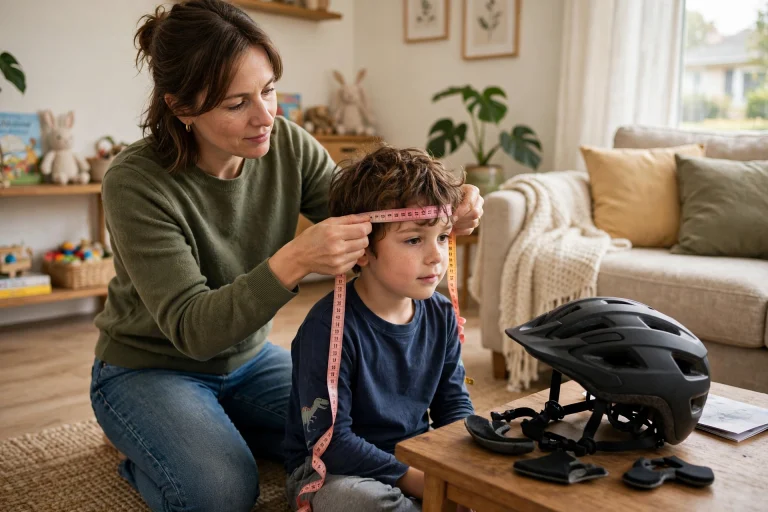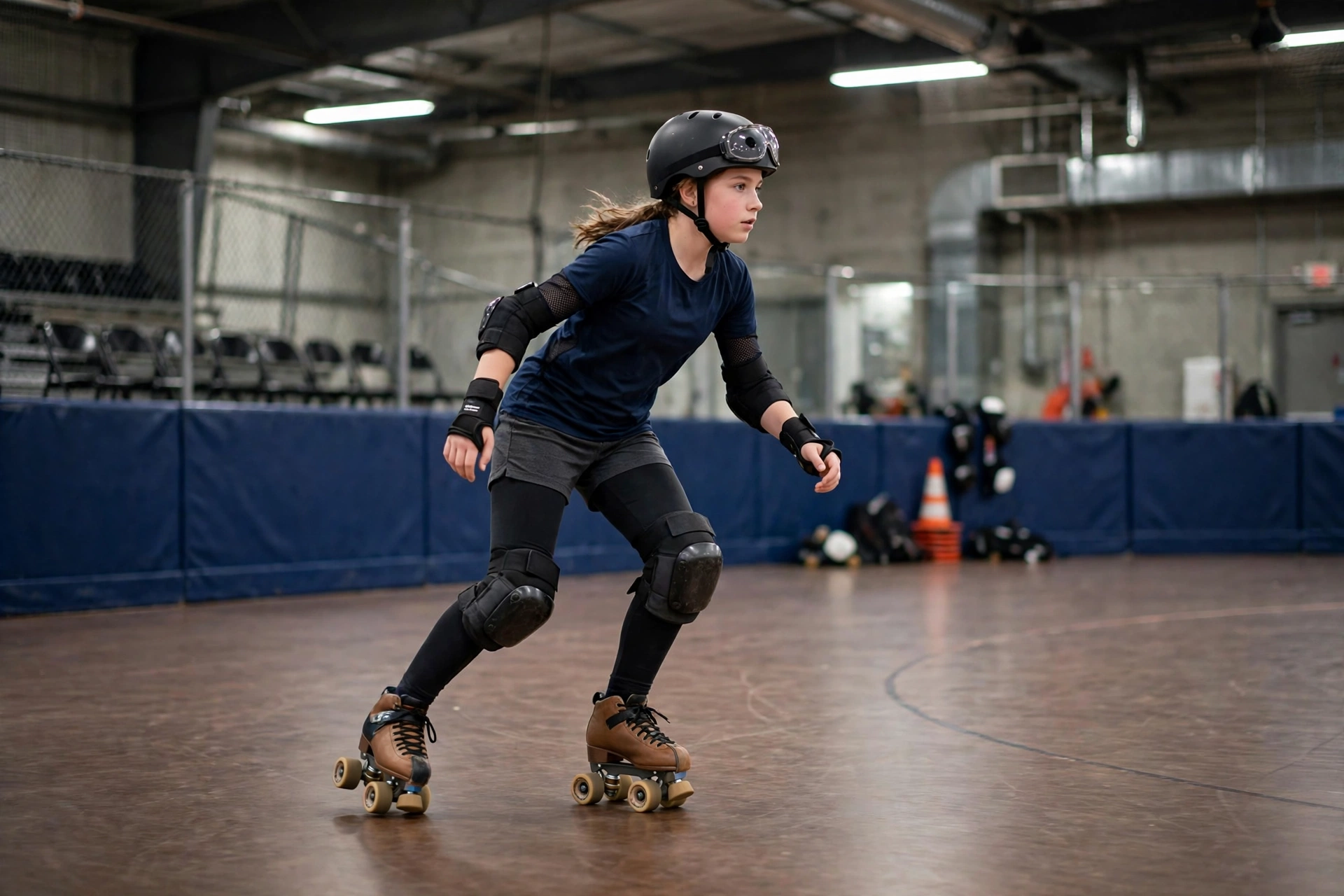
Yes, in general terms, junior roller derby players wear a helmet, and at most organised leagues a helmet is compulsory. Roller derby is a full-contact sport played on skates, and falls, blocks, and collisions are part of the game. A properly fitted helmet is essential kit for any child taking part, from their very first training session.
Roller derby is a fast-growing sport for young people, combining speed, teamwork, and strategy on quad skates. It is also a contact sport, which means junior players need to be properly protected before they take to the track. This guide explains what kind of helmet suits roller derby juniors, how it should fit, and what parents should check before their child’s first session.
What Kind of Helmet Suits Roller Derby Juniors?
A multi-sport or skate-style helmet is the usual choice for roller derby juniors. These helmets cover more of the back and sides of the head than a typical road cycling helmet, which suits the way derby players fall, often sideways or backwards after a block. They are also designed for the repeated lower-speed impacts that happen in training and games, rather than the single hard impact a cycling helmet is built around. Look for a helmet that meets a recognised safety standard for your region, and check the label inside to confirm which standard it meets.
Most leagues have their own rules about helmets, so check with your child’s league before you buy. Some leagues require a specific type of helmet, and some provide helmets for beginners to borrow while they decide whether the sport is for them. A borrowed helmet is fine for a first session, but if your child joins the league, their own helmet is worth buying because the fit will be right every time. Do not use a bike helmet for roller derby if a skate-style helmet is available, since the coverage is not the same.
How Should a Junior Roller Derby Helmet Fit?
A roller derby helmet should sit level on your child’s head, low enough to cover the forehead, and snug enough that it does not rock from side to side when they shake their head. It should feel comfortable with no pressure points that throb after a few minutes, and it should stay in place during the quick turns, stops, and changes of direction that derby involves. If the helmet moves easily, it is too loose, whatever the size label says.
The chin strap should be done up snugly under the chin, with only one or two fingers fitting between the strap and the chin. Check the fit regularly, because children grow quickly and a helmet that fitted in September may be too small by spring. If your child wears their hair in a particular style for derby, check the fit with the hair as it will be during play, since a bulky hairstyle can change how the helmet sits. If you are learning about helmet technology, reading about what MIPS is for helmets can help you understand one of the features you may see listed on the box.
What Other Protective Gear Do Roller Derby Juniors Need?
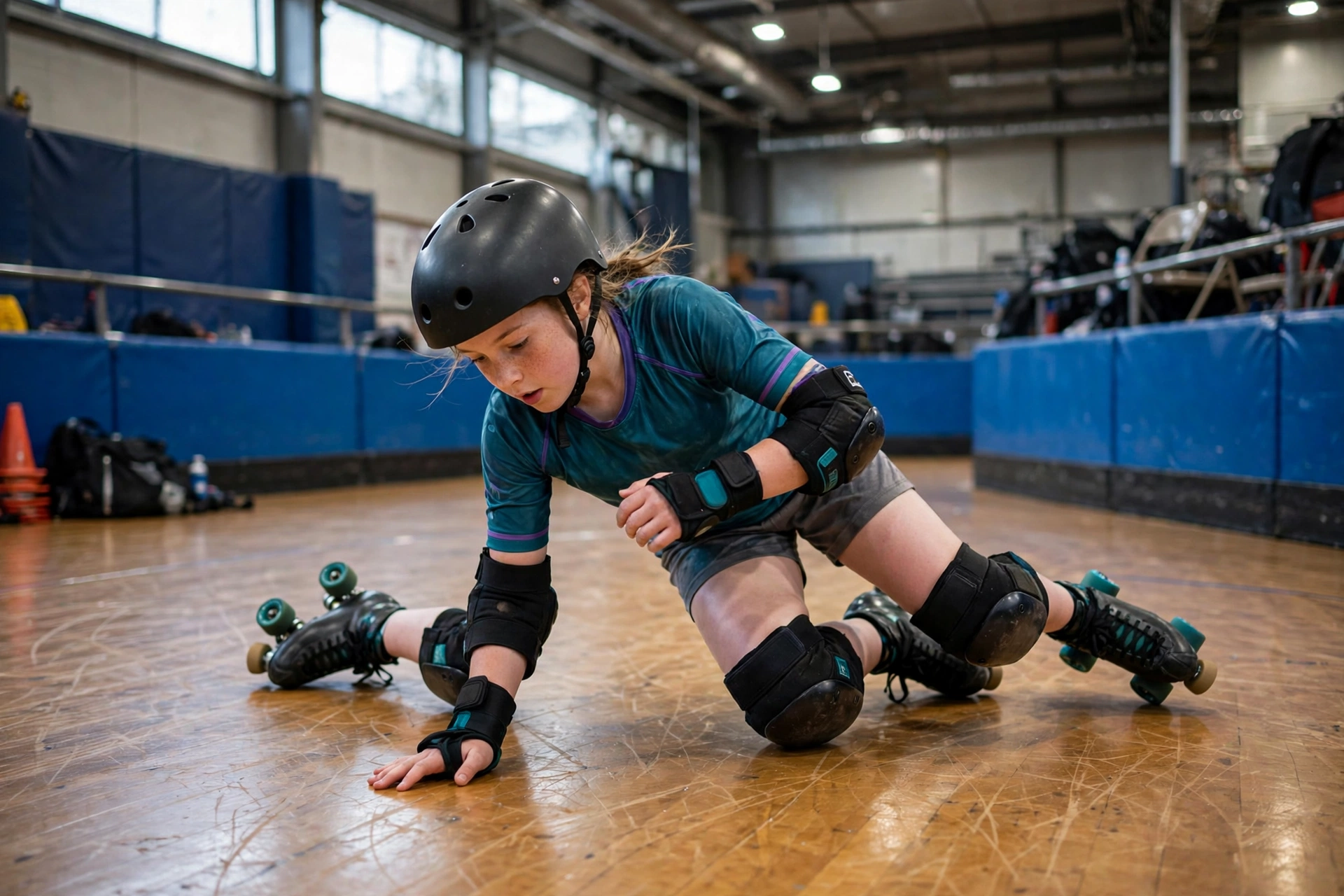
A helmet is the most important item, but it is not the only one. Roller derby juniors also wear wrist guards, elbow pads, and knee pads, and most leagues require all of them before a child can take part in contact drills. Knee pads are particularly important in derby, because players fall onto their knees often, and a good pair of knee pads protects against both impact and the friction of sliding across the floor.
A mouthguard is also standard kit in roller derby, and many leagues require one from the first session. It protects teeth and reduces the risk of jaw injuries in a collision. Make sure all the gear fits properly and is comfortable, because a child who is distracted by ill-fitting pads is not focused on the game. Check the gear regularly for wear and tear, and replace anything that is cracked, torn, or no longer fits.
How Do Junior Roller Derby Sessions Work?
Junior roller derby sessions usually start with basic skating skills before any contact is introduced. Children learn to skate, stop, turn, and fall safely, and they practise these skills for weeks or months before they take part in contact drills. This gradual approach means that by the time contact begins, the players are confident on their skates and know how to fall without hurting themselves.
Contact is introduced slowly, with coaches watching closely and stopping play if anything looks unsafe. Junior leagues have rules designed to keep the game safe for young players, including limits on how hard players can block and which moves are allowed. Parents should expect their child to fall often, especially in the early weeks, and should treat it as a normal part of learning. A helmet and pads mean most falls are harmless, and a child who gets up and carries on is building confidence as well as skill.
How Can You Help a Child Enjoy Roller Derby?
Let your child choose their own helmet colour or design if you are buying one. Roller derby has a strong culture of personal style, and a helmet a child picked themselves feels like part of their derby identity rather than a rule. Many leagues also let players choose a derby name, which adds to the sense of belonging and fun.
Stay to watch training sessions when you can, and cheer your child on without putting pressure on them to perform. Roller derby is a team sport, and the friendships children make in a league are often as important as the skating itself. Praise effort, teamwork, and sportsmanship rather than just scoring, and your child is far more likely to stick with the sport and enjoy it for years.
Frequently Asked Questions
Q: Can my child use a bike helmet for roller derby?
A: In general terms, a bike helmet is not the best choice for roller derby. A skate-style helmet covers more of the back and sides of the head and is designed for the repeated lower-speed impacts that happen in derby. Check with your child’s league about their helmet rules.
Q: Does my child need a helmet for non-contact derby training?
A: Yes. Even non-contact training involves skating at speed, quick turns, and falls, so a helmet is sensible from the very first session. Most leagues require a helmet for all on-skates activities, not just games.
Q: When should a junior roller derby helmet be replaced?
A: Replace it after any hard knock, if the shell is cracked or the foam is damaged, or when your child outgrows it. In general terms, a helmet that no longer fits snugly cannot protect properly, so check the fit regularly as your child grows.

Olivia
Writer at Helmet Today, covering helmet reviews, fit and riding safety.