Yes, in general terms, a child starting BMX racing needs a proper BMX racing helmet, and at most organised tracks a helmet is compulsory. BMX racing involves speed, jumps, and close racing with other riders, and beginners fall often while they are learning the track. A well-fitting helmet is the most important piece of kit a young racer will own.
BMX racing is a thrilling sport for children, combining speed, skill, and the excitement of racing against others. The first races, though, are when falls are most likely. A beginner who is still learning to handle berms, jumps, and a crowded start gate can come off without warning, and a helmet protects the head in exactly those moments. This guide explains what kind of helmet suits a BMX racing beginner, how it should fit, and what parents should check before the first session.
What Kind of Helmet Suits a BMX Racing Beginner?
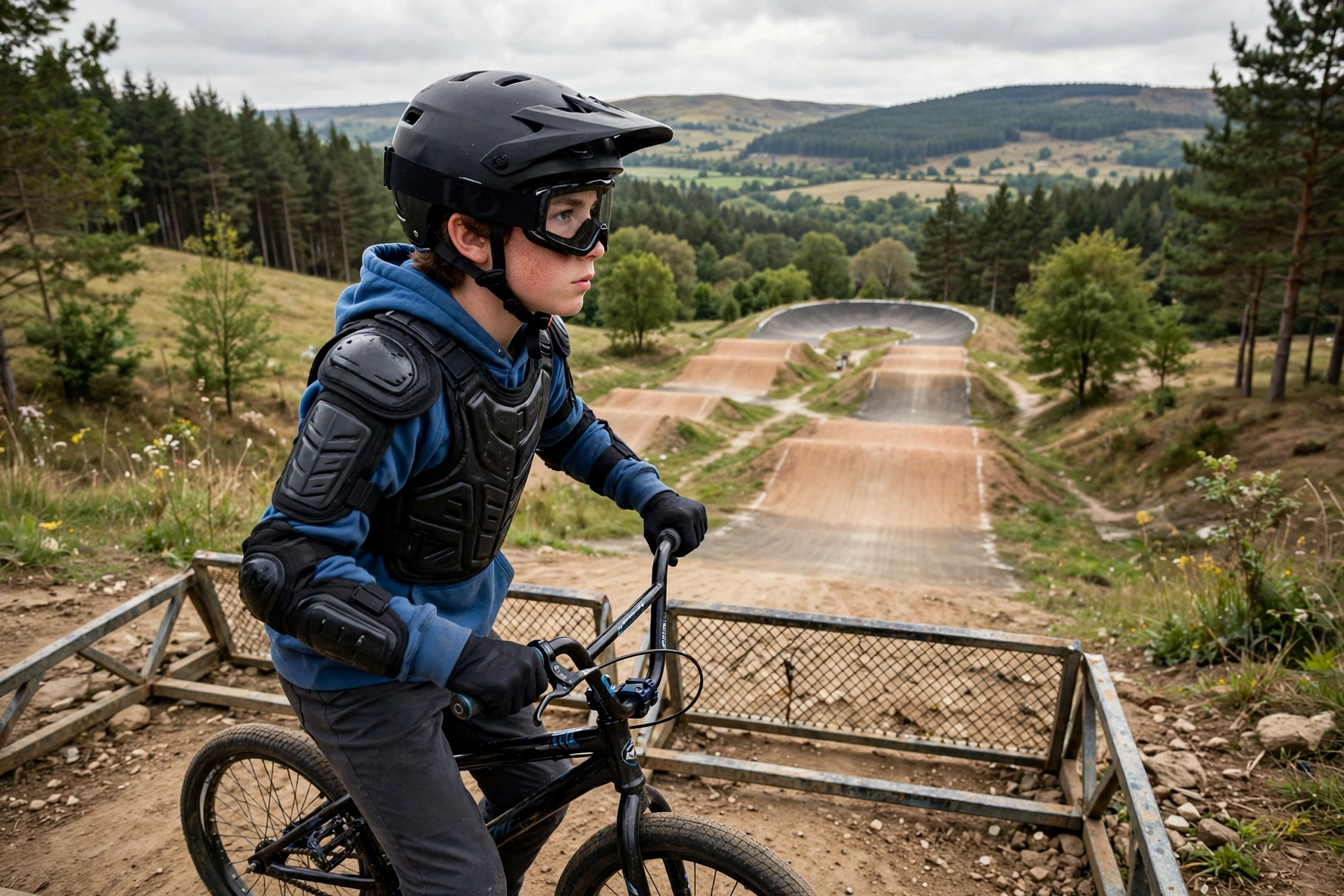
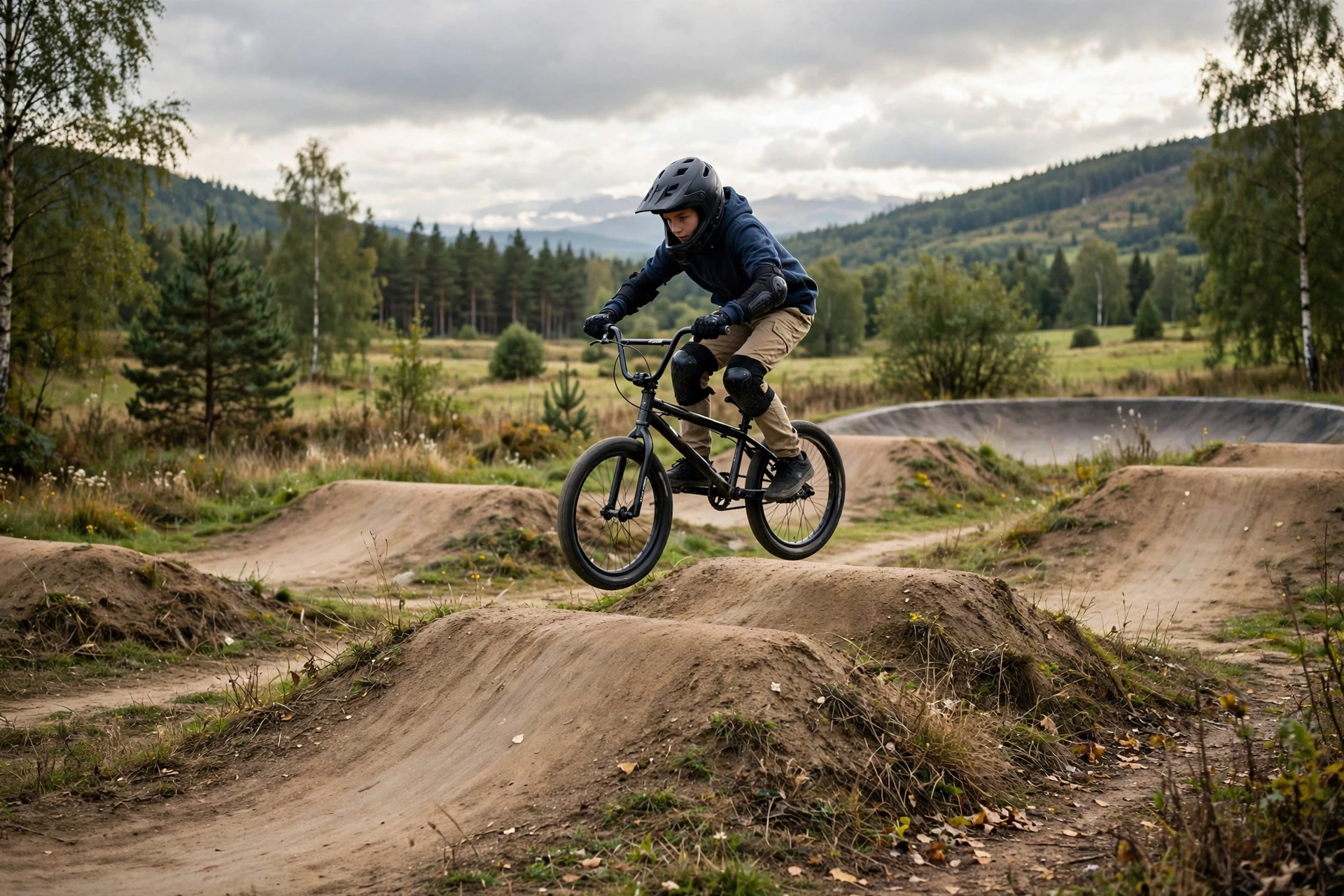
Most BMX racing beginners start with a full face helmet. A full face helmet protects the jaw, teeth, and chin as well as the top and sides of the head, which matters on a BMX track where falls are often face-first at speed. Many organised tracks and racing clubs require a full face helmet for racing, so check the rules of your child’s club before you buy. A full face helmet designed for BMX or downhill mountain biking is usually lighter and better ventilated than a motocross helmet, which makes it a better choice for a young rider.
Some beginners start with an open-face BMX helmet for practice sessions, particularly if they are young and riding a small, flat track. An open-face helmet is lighter and cooler, and it can be a good way to get a child comfortable on the bike before they move to racing. For any actual racing, though, a full face helmet is the standard, and it is worth buying one early rather than waiting for a fall to show why it is needed. Look for a helmet that meets a recognised bicycle helmet safety standard for your region, and check the label inside to confirm which standard it meets.
How Should a Kids BMX Racing Helmet Fit?
Fit decides how much protection a helmet actually gives, so it deserves real care. A full face helmet should sit level on your child’s head, low enough to cover the forehead, and snug enough that it does not rock from side to side when they shake their head. The cheek pads should hold the cheeks gently without squashing them, and the chin bar should sit close to the chin without pressing hard against it.
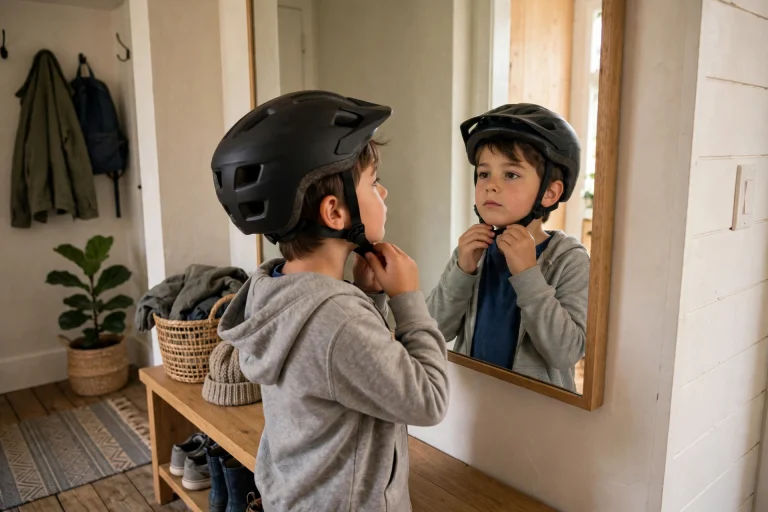
The chin strap should be done up snugly under the chin, with only one or two fingers fitting between the strap and the chin. Check the fit with any goggles your child will wear, since goggles need to sit neatly against the helmet without leaving gaps. Remember that sizing varies between makers, so a size label is only a starting point, and your child should try the helmet on before you buy it. If you are learning about helmet technology, reading about what MIPS is for helmets can help you understand one of the features you may see listed on the box.
What Else Does a BMX Racing Beginner Need?
A helmet is the first item on the list, but it is not the only one. Gloves protect hands in a fall and improve grip on the bars, and long sleeves and long trousers protect skin from gravel rash. Knee and elbow pads are a sensible addition for beginners, who fall more often than experienced racers. Make sure your child’s clothing is comfortable and allows free movement, and that nothing loose can catch in the chain or wheels.
The bike itself deserves a check before the first session. Tyres should be pumped up, brakes should work properly, and the chain should be oiled and correctly tensioned. A bike that is in good working order is far easier and safer to ride than one that is not, and a beginner has enough to think about without a slipping chain or a soft tyre. If you are unsure how to check the bike, ask at the track or at a local bike shop, where staff will usually be happy to help.
What Should Parents Expect at a First BMX Session?
A first BMX session is usually a coaching session rather than a race. The coach will show the children how to ride the track, how to handle the start gate, and how to fall safely. Children start slowly, often walking the track first to learn the shape of the jumps and berms, before riding it at low speed. This gradual approach builds confidence and skill without putting a beginner in a situation they cannot handle.
Parents should expect their child to fall, and should treat it as a normal part of learning. A child who falls, gets up, and carries on has learned something valuable, and a helmet means the fall is far less likely to hurt. Stay to watch the session, cheer your child on, and praise effort rather than results. A child who enjoys the first session will be keen for the second, and a helmet that fits well is part of that enjoyment.
How Can You Help a Child Get Comfortable in a Full Face Helmet?
A full face helmet can feel strange to a child who has only ever worn an open-face helmet. It is heavier, warmer, and more enclosed, and some children find the chin bar claustrophobic at first. Let your child try the helmet on at home before the first session, wearing it around the house for short periods so it feels familiar. Let them choose the colour or design if you are buying one, because a helmet they picked feels like theirs.
Keep the tone positive and matter of fact. A full face helmet is what racers wear, and wearing one makes your child a real BMX racer rather than just a child on a bike. If the helmet feels hot, look for one with good ventilation, and remind your child to take it off between runs so they can cool down. A helmet that is comfortable and familiar is a helmet a child will wear without complaint.
Frequently Asked Questions
Q: Can my child race BMX in an open-face helmet?
A: It depends on the track and the club. Many organised BMX tracks require a full face helmet for racing, so check the rules before your child’s first race. A full face helmet protects the jaw and chin, which an open-face helmet cannot.
Q: How do I know when my child’s BMX helmet needs replacing?
A: Replace it after any hard crash, if the shell is cracked or the foam is damaged, or when your child outgrows it. In general terms, a helmet that no longer fits snugly cannot protect properly, so check the fit regularly as your child grows.
Q: Should a BMX beginner wear goggles?
A: In general terms, goggles are a good idea for BMX racing because they protect the eyes from dust, mud, and stones thrown up by other riders. Make sure the goggles fit neatly with the helmet, without gaps or pressure points.

Olivia
Writer at Helmet Today, covering helmet reviews, fit and riding safety.