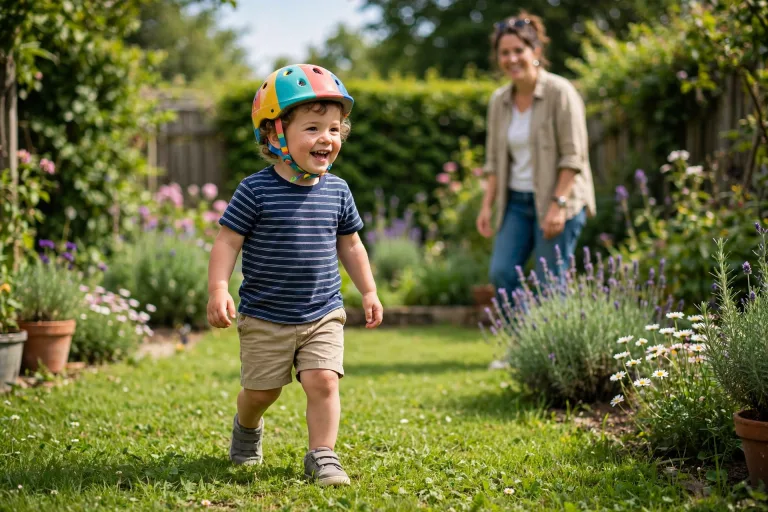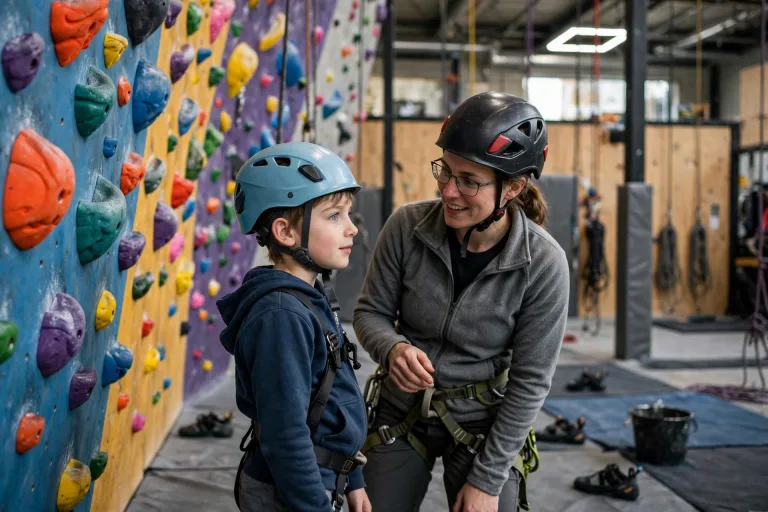
A kids helmet for the playground is a light, well-fitting helmet a child wears while playing on swings, slides, and climbing frames, and in general terms it protects the head from falls onto hard ground and knocks against playground equipment. Playgrounds are fun, but they are also full of hard surfaces, metal bars, and sudden drops, and a child who falls can hit their head before they have time to put their hands out. A helmet gives a child a simple layer of protection while they play, climb, and explore.
Many parents think of helmets as something for bikes and scooters, but playground play carries its own risks. A child can slip from a climbing frame, fall from a slide, or be hit by a moving swing, and the ground under playground equipment is often hard packed earth, tarmac, or rubber tiles that are firm underfoot. A helmet made for play helps to guard against those everyday knocks, and it also helps the child build the habit of wearing head protection without a fuss.
Why do children need a helmet on the playground?
Children need a helmet on the playground because falls are a normal part of play, and the head is the part of the body most at risk when a child falls from height. A climbing frame or a tall slide can be several feet off the ground, and a child who loses their grip can land hard. In general terms, a helmet spreads the force of an impact and helps to protect the skull, and that protection matters all the more for a young child whose head is large in proportion to the rest of the body.
There is also the risk of being struck by moving equipment. Swings, roundabouts, and seesaws move quickly and can hit a child who walks into their path, and the metal bars of a climbing frame are hard and unforgiving. A helmet gives a layer of protection against those knocks too. It also keeps the child visible to other children and to adults watching from nearby, which helps everyone play more safely together.
What kind of helmet is best for the playground?
The best helmet for the playground is, in general terms, a light, well-ventilated helmet made for children, with a hard outer shell, a snug fit, and a chin strap that a child can fasten with help. Many parents choose a multi-sport helmet made for bikes, scooters, and skateboards, because those helmets are light, comfortable, and made for the kind of play that happens on a playground. The key points are a snug fit, good ventilation, and a strap that holds the helmet in place when the child is running, climbing, and swinging.
The helmet should also be easy for the child to wear. A helmet that is too heavy, too hot, or too tight will be pulled off and left on a bench within minutes, so comfort matters as much as protection. Bright colours help a parent spot their child across a busy playground, and a lining that can be wiped clean is useful after a muddy afternoon. A helmet that the child likes wearing is a helmet that actually gets worn.
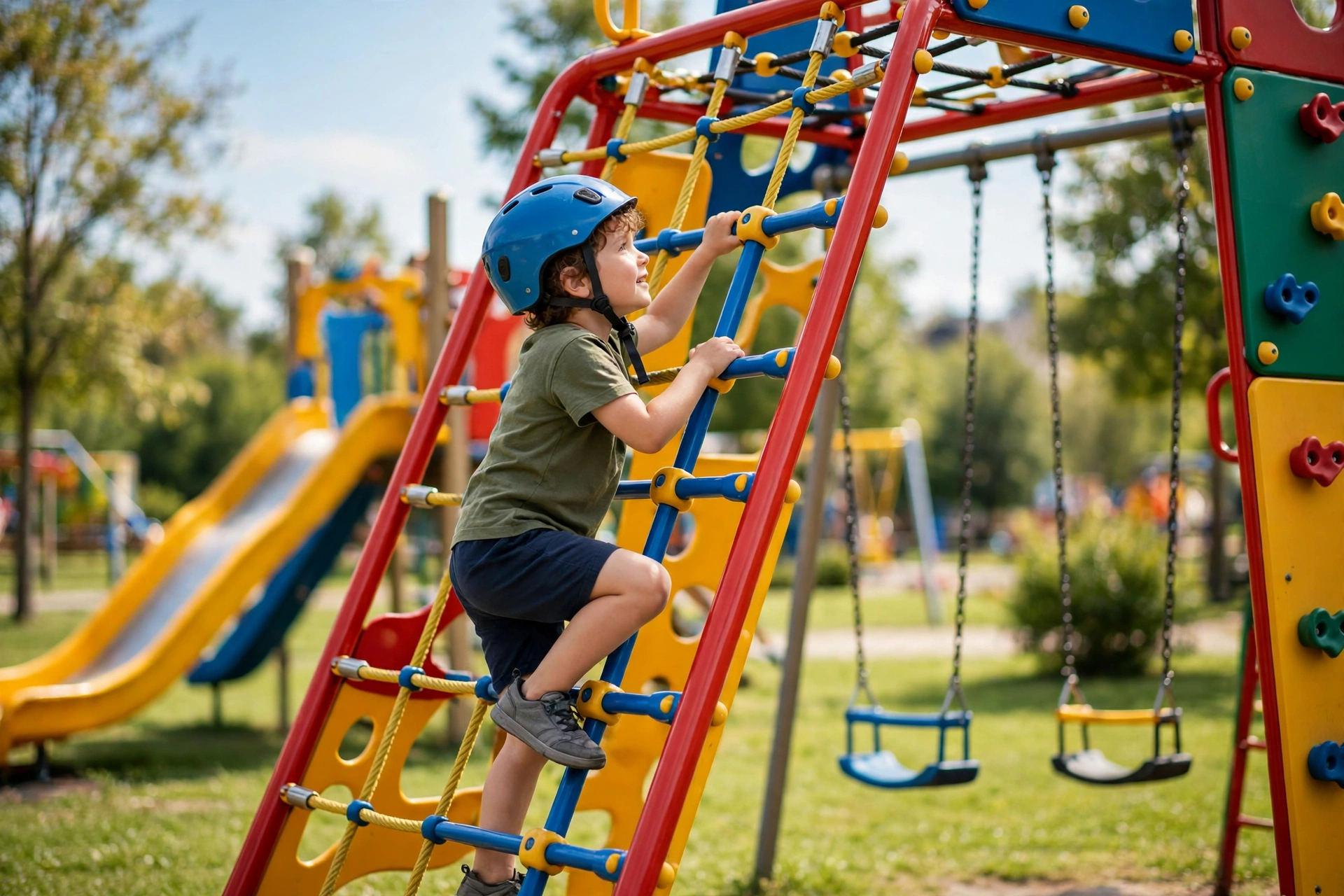
How should a playground helmet fit a child?
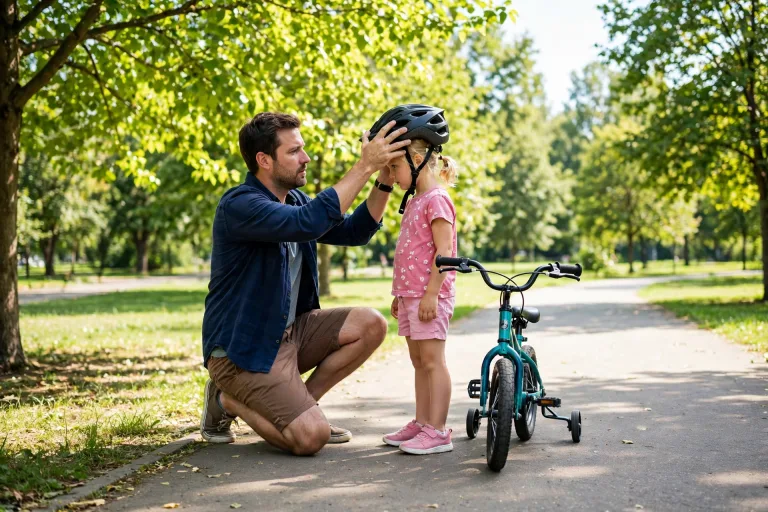
A playground helmet should fit snugly, sit level on the head, and stay in place when the child shakes their head or runs across the playground. The helmet should cover the forehead and the top of the head, and the chin strap should be fastened securely every time the child is playing. A strap left loose lets the helmet slide forward over the eyes or slip off in a fall, and a helmet that comes off is no help at all.
Parents should check the fit with the child, not just by eye. Two fingers should fit between the chin strap and the chin, and the helmet should not rock from side to side when the child moves their head. The helmet should be tried on with any hat the child will wear underneath on a cold day, because a hat can change how it sits. A helmet that is too big will wobble, and a helmet that is too small will pinch and give the child a headache, so the right size matters.
Should a child wear a helmet on every piece of playground equipment?
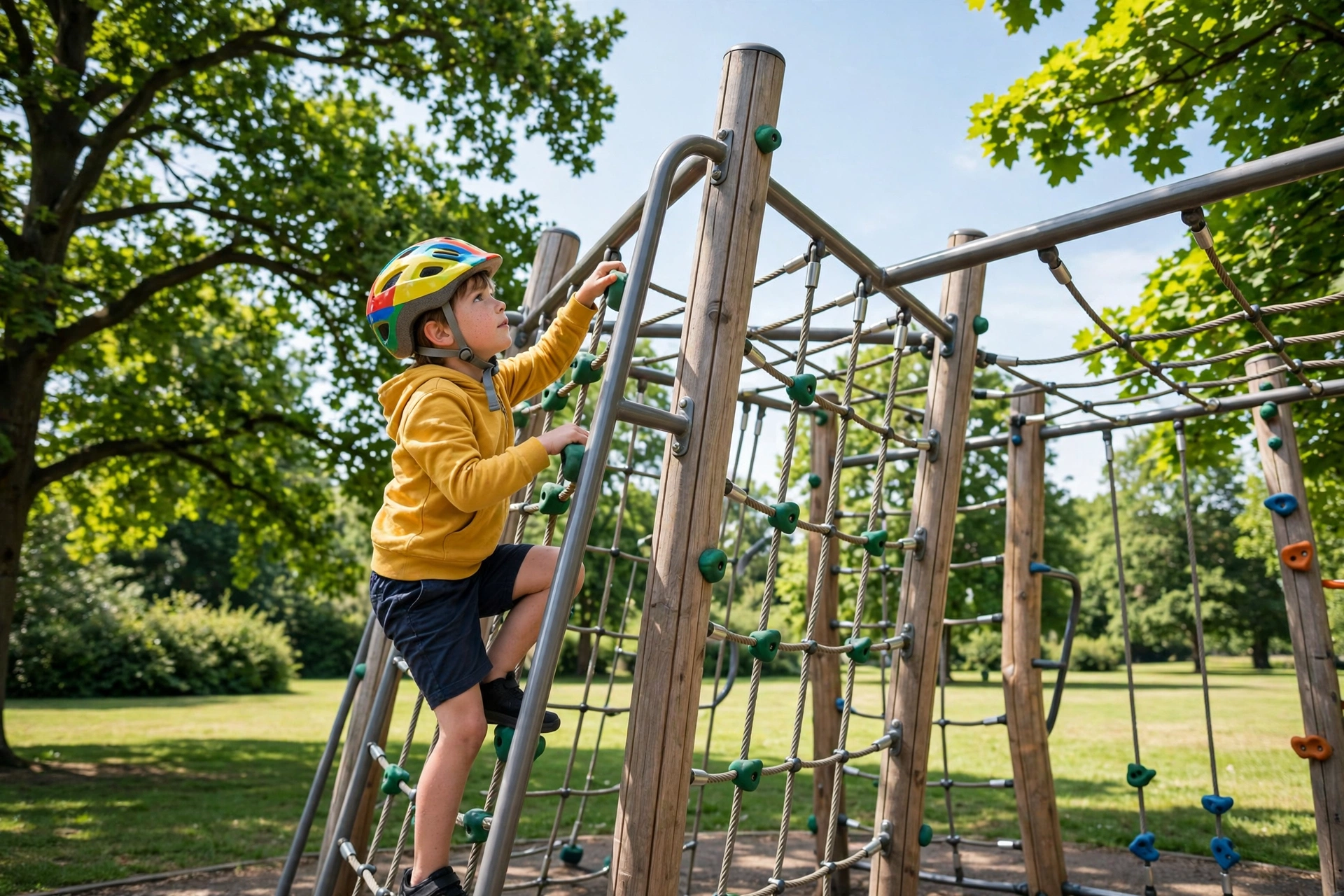
A child should wear a helmet for most active playground play, and in general terms it is a good habit for climbing frames, slides, and swings. However, there is one important exception that parents should know: a helmet with a chin strap can be a hazard on equipment where the strap could catch, such as a climbing net or a narrow gap between bars. A parent should watch their child closely and take the helmet off if the child is climbing through a tight space where the strap could snag.
The safest approach is to choose a playground helmet with a quick-release buckle, and to teach the child to stay away from equipment where the helmet could catch. A parent who is unsure should stay close while the child plays and should check the playground for loose straps, gaps, or sharp edges before the child starts. A helmet is one part of playground safety, and adult supervision is the other part.
How should a child’s playground helmet be looked after?
A child’s playground helmet should be looked after with regular cleaning and sensible storage, in the same way as any child’s helmet. After play, the parent should wipe off mud and dirt, check the shell for cracks or dents, and look at the lining, the strap, and the buckle to make sure they are sound and working. A helmet that has been dropped onto hard ground, or that has taken a knock in a fall, should be looked at with care, and in general terms a helmet that has taken a serious impact should be replaced rather than used again.
The helmet should be kept where it will not be knocked about or used as a toy, because a hard knock can damage it even when no crack is visible. A helmet bag or a hook by the door is a simple way to protect it between outings. Parents who are choosing a new helmet may also want to learn about features that can help in a fall, including a system designed to reduce rotational forces, such as MIPS, which is found in some helmets made for children. A well-kept helmet, worn every time, gives a child the best chance of enjoying the playground safely.
At what age should a child wear a helmet on the playground?
Children of any age who are climbing and playing actively can benefit from a helmet, and in general terms a helmet is a good idea from the time a child starts using climbing frames and slides. The helmet must fit the child’s head properly.
Can a child wear a bike helmet on the playground?
Yes, in general terms a bike helmet that fits well and is in good condition is often suitable for playground play. The key points are fit, ventilation, and a secure chin strap.
When should a child’s playground helmet be replaced?
A child’s playground helmet should be replaced after a hard impact or a fall, when the child outgrows it, or when it shows damage. A helmet that no longer fits well cannot protect properly, so check the fit often as the child grows.

Olivia
Writer at Helmet Today, covering helmet reviews, fit and riding safety.