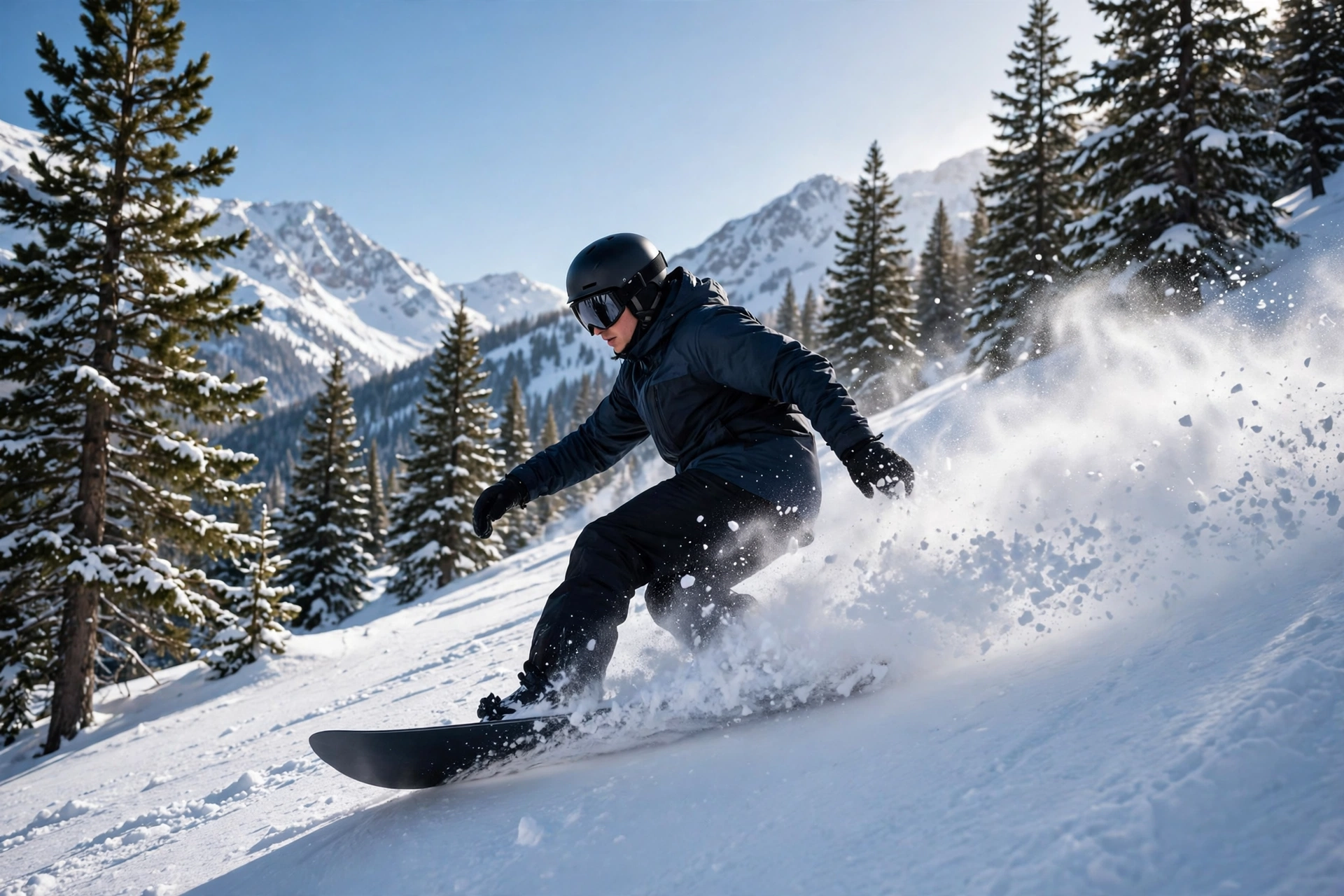
Yes, most snowboarders wear helmets today, and in general terms a helmet is now a normal part of snowboarding, worn by beginners and experienced riders alike to protect the head from falls, collisions, and hard snow. Snowboarding involves speed, jumps, and icy surfaces, and a fall can happen to anyone, even on a gentle slope. A helmet is treated as essential safety equipment at most resorts, not as an optional extra for the cautious few.
The picture has changed a great deal over the years. Helmets were once uncommon on the slopes, but they are now worn by the large majority of riders, and many resorts and snowboard schools require them, especially for children and for lessons. A helmet does not make a rider invincible, but it gives the head a real layer of protection in the kind of fall that happens on snow every day.
Why do snowboarders wear helmets?
Snowboarders wear helmets because a fall on snow can be a hard one, and the surface is not always as soft as it looks. Fresh powder is forgiving, but packed snow and ice can be almost as firm as concrete, and a rider who catches an edge at speed can hit the ground with real force. In general terms, a helmet spreads the force of an impact and helps to protect the skull, and that protection matters all the more when the rider cannot control how or where they land.
There is also the risk of collision. A slope is shared with skiers, other snowboarders, and beginners who may stop suddenly or change direction without warning. Trees, lift poles, signs, and fences sit close to the edge of many runs, and a rider who loses control can reach them quickly. A helmet gives a layer of protection against those knocks too, and it also keeps the head warm and shields it from wind and blowing snow.
Do all snowboarders wear helmets?
Most snowboarders wear helmets today, and in general terms helmet use is now the norm rather than the exception. Children and teenagers wear them almost everywhere, and many resorts require a helmet for anyone taking a lesson or using the terrain park. Adult riders wear them in large numbers too, and the riders who choose not to wear one are now a small minority on most slopes.
The change has been helped by better helmets. Modern snowboard helmets are light, warm, and comfortable, with vents that can be opened or closed and ear pads that keep out the cold. Many fit neatly with goggles and work with audio systems, so wearing one feels natural rather than awkward. A rider who tries a well-fitting helmet often finds it more comfortable than riding without one, especially on a cold or windy day.
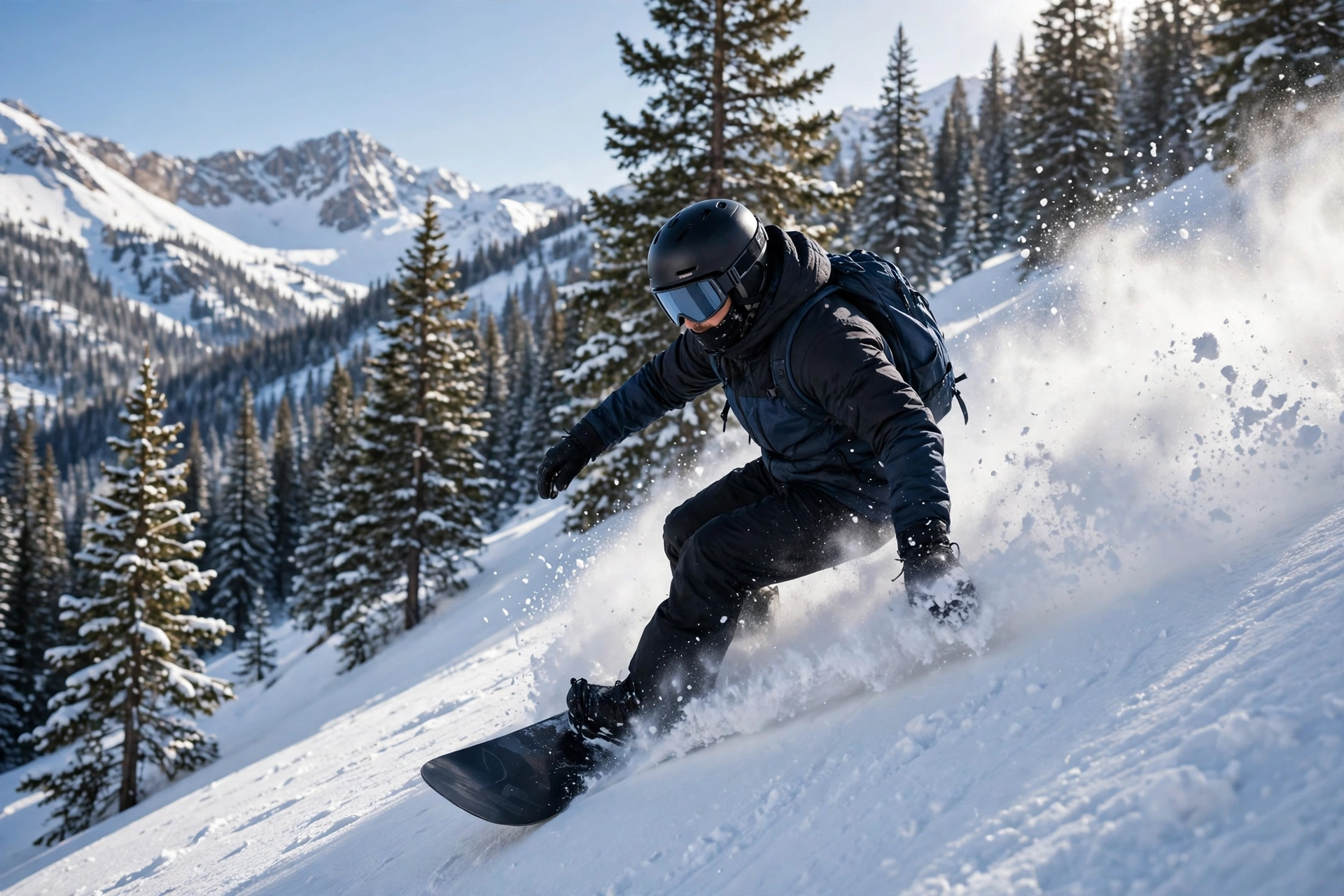
What kind of helmet is best for snowboarding?
The best helmet for snowboarding is, in general terms, a helmet made for snow sports, with a hard outer shell, a warm lining, good ventilation, and a fit that works with goggles. A snowboard helmet is shaped to sit low on the forehead and to leave no gap between the helmet and the top of the goggles, because a gap lets cold air and snow in and can cause the goggles to fog. The key points are a snug fit, good ventilation, and a strap that holds the helmet in place in a fall.
The helmet should also cope with the cold and the wet. A snowboard helmet will get snowy and may get damp, so it should be easy to dry out and the lining should be removable for washing. Vents that can be closed keep the head warm on a cold day and opened keep it cool in spring sunshine. A helmet that is too heavy or too hot will become a distraction on a long day, so comfort matters as much as protection.
How should a snowboard helmet fit?
A snowboard helmet should fit snugly, sit level on the head, and stay in place when the rider shakes their head or leans into a turn. The helmet should cover the forehead and the top of the head, and the chin strap should be fastened securely every time the rider is on the snow. A strap left loose lets the helmet lift in the wind or slide in a fall, and a helmet that comes off at speed is no help at all.
The fit should be checked with the goggles the rider will actually wear, because eyewear can change how a helmet sits. Goggles should sit neatly against the helmet without leaving a gap that lets snow in, and the helmet should not press on the frame of the goggles or push them out of place. The rider should also check that the helmet does not block their hearing too much, because a snowboarder needs to hear other riders, warnings, and the sound of the snow under the board.
When should a snowboard helmet be replaced?
A snowboard helmet should be replaced after a hard impact or a crash, or when it no longer fits well, shows damage, or has been worn for a long time. In general terms, a helmet that has taken a serious knock should be replaced rather than used again, because the damage may not be easy to see. The rider should think honestly about what the helmet has been through and replace it when in doubt.
The helmet should also be checked at the start of each season. The rider should look for cracks, dents, or damage to the shell, and should look at the lining, the strap, and the buckle to make sure they are sound and working. Riders who are choosing a new helmet may also want to learn about features that can help in a fall, including a system designed to reduce rotational forces, such as MIPS, which is found in many helmets made for snow sports. A well-kept helmet, worn every time, gives a snowboarder the best chance of enjoying a safe day on the mountain.
Is a helmet required for snowboarding?
Rules vary by resort and by country, but in general terms many resorts require a helmet for children, lessons, and terrain parks. A rider should check the rules for the resort before going out.
Can a bike helmet be used for snowboarding?
No, in general terms a bike helmet is not a good choice for snowboarding. A snow helmet is made for cold weather and for the kind of falls that happen on snow, and it fits properly with goggles.
Do helmets make snowboarding less fun?
No, in general terms a well-fitting snowboard helmet is warm and comfortable, and most riders forget they are wearing one. A helmet lets the rider enjoy the mountain with more confidence.

Olivia
Writer at Helmet Today, covering helmet reviews, fit and riding safety.