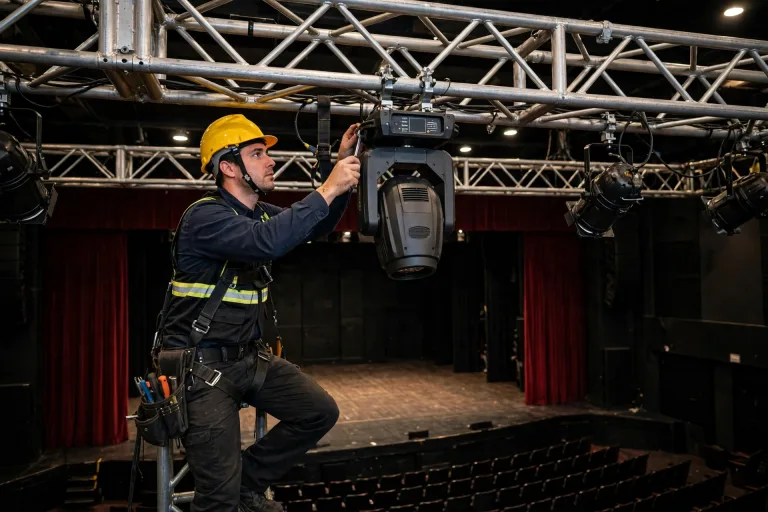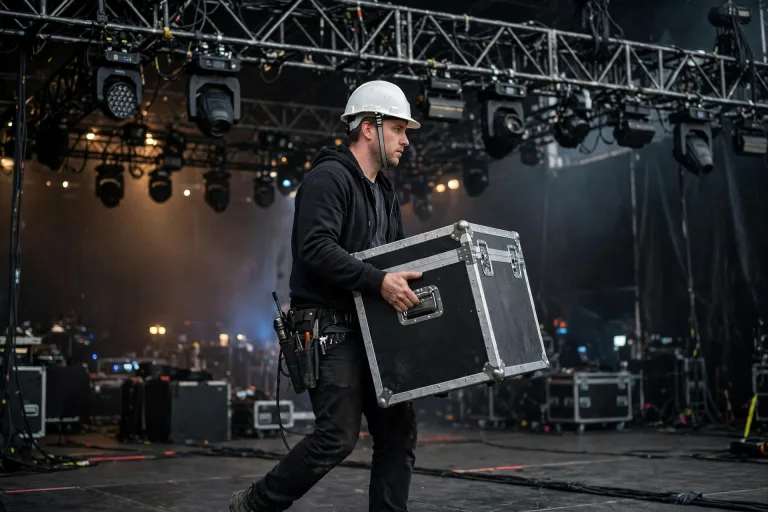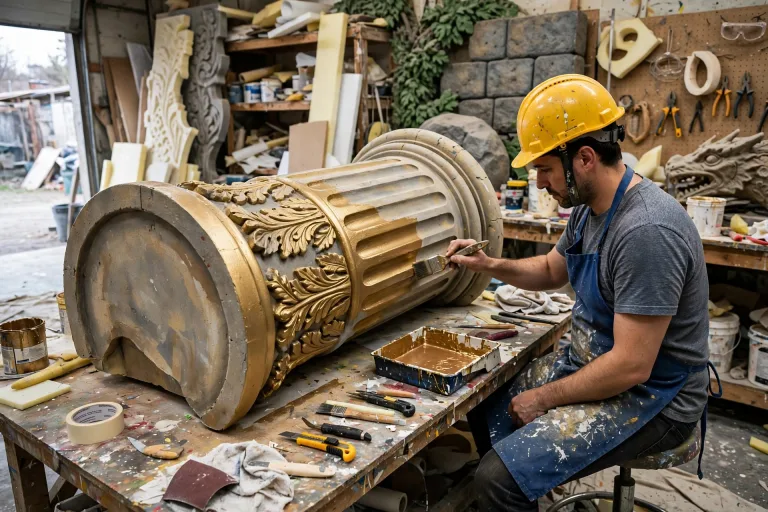
A helmet for floor layers is head protection worn by workers who install flooring, and in general terms it protects the head from falling tools, low beams, and knocks against hard surfaces while working close to the ground. Floor laying involves kneeling, bending, and moving around a building site, often under scaffolding, ladders, and other trades at work overhead. A helmet gives the floor layer a simple layer of protection against the kind of head injury that can happen in a moment and take a long time to recover from.
Floor layers spend much of their day low to the ground, cutting, measuring, and fitting timber, laminate, vinyl, or tiles. While their attention is on the floor, their head is often close to door frames, stair edges, scaffolding poles, and stacked materials. A helmet helps to guard against the bumps and falling objects that are part of everyday site work, and it also signals to everyone else on site that the worker is taking safety seriously.
Why do floor layers need a helmet?
Floor layers need a helmet because building sites carry risks from above and from the sides, even for workers who spend most of their time on the floor. Tools, offcuts, and fixings can be dropped by other trades working overhead, and a small object falling from height can cause a serious head injury. In general terms, a helmet spreads the force of an impact and helps to protect the skull, and that protection matters even when the object that falls looks small or harmless.
There is also the risk of striking the head on something solid. A floor layer rising from a kneeling position can hit a low beam, a stair tread, or the edge of a workbench. Door frames and scaffolding tubes are hard and unforgiving, and a knock that seems minor at the time can still cause a painful injury. A helmet gives a layer of protection against those everyday knocks, and it also keeps dust, sawdust, and small debris out of the hair and off the scalp.
What kind of helmet is best for floor layers?
The best helmet for floor layers is, in general terms, a light, well-ventilated hard hat or bump cap style helmet that fits snugly, stays in place when bending and kneeling, and does not get in the way of looking down at the work. Many floor layers choose a low-profile helmet rather than a tall, bulky one, because a low profile is less likely to catch on a door frame or a scaffold pole when the wearer stands up. The key points are a comfortable fit, good ventilation, and a chin strap that holds the helmet steady.
The helmet should also cope with the dust and mess of flooring work. Sawdust, tile dust, and adhesive fumes are part of the job, so a helmet that is easy to wipe clean is a practical choice. A lining that can be removed and washed is useful, and vents that let air in without letting in too much dust help the wearer stay comfortable through a long working day. A helmet that is too hot or too heavy will become a distraction, so comfort matters as much as protection.

How should a helmet for floor layers fit?
A helmet for floor layers should fit snugly, sit level on the head, and stay in place when the wearer bends down, kneels, or looks up at a ceiling. The helmet should cover the forehead and the top of the head, and the chin strap should be fastened securely whenever the wearer is on site. A strap left loose lets the helmet slide forward when the wearer looks down at the floor, and a helmet that slips over the eyes is a hazard in itself.
The fit should be checked with any other gear the floor layer wears, such as knee pads, safety glasses, or ear protection. Safety glasses should sit neatly against the helmet without leaving a gap that lets dust in, and the helmet should not press on the arms of glasses or push them out of place. The wearer should also check that the helmet does not block their hearing, because a floor layer needs to hear warnings, machinery, and other workers on site.
When should a floor layer wear a helmet?
A floor layer should wear a helmet whenever they are working on an active building site, and in general terms whenever other trades are working above them or materials are being moved overhead. Many sites require a helmet at all times, and the site rules should always be followed. A floor layer who is unsure about the rules for a site should ask the site manager before starting work.
There may be times when a helmet is less necessary, such as when finishing a floor in an empty, finished room with no work going on above. Even then, a helmet is a sensible habit, because a site can change quickly and a delivery or another trade can arrive without warning. Wearing the helmet every time means the floor layer never has to guess whether today is a safe day to leave it off.
How should a floor layer’s helmet be looked after?
A floor layer’s helmet should be looked after with regular cleaning and sensible storage, in the same way as any work helmet. At the end of the day, the wearer should wipe off dust and adhesive, check the shell for cracks or dents, and look at the lining, the strap, and the buckle to make sure they are sound and working. A helmet that has been dropped onto a hard floor, or that has taken a knock from a falling object, should be looked at with care, and in general terms a helmet that has taken a serious impact should be replaced rather than used again.
The helmet should be kept where it will not be knocked about or used as a seat or a shelf, because a hard knock can damage it even when no crack is visible. A helmet bag is a simple way to protect it between jobs. Workers who are choosing a new helmet may also want to learn about features that can help in a fall, including a system designed to reduce rotational forces, such as MIPS, which is found in some helmets made for work and sport. A well-kept helmet, worn every time, gives a floor layer the best chance of finishing each job safely.
Do all floor layers wear a helmet?
In general terms, most floor layers wear a helmet on building sites, and many sites require it. A floor layer who is unsure should check the site rules before starting work.
Can a bump cap be used instead of a hard hat?
Yes, in general terms a bump cap is often suitable for low-level knocks in finished rooms, but a hard hat gives more protection where objects may fall from above. The site rules decide which is needed.
When should a floor layer’s helmet be replaced?
A floor layer’s helmet should be replaced after a hard impact or a fall, or when it no longer fits well, shows damage, or has been worn for a long time. When in doubt, replace it rather than keep working in it.

Olivia
Writer at Helmet Today, covering helmet reviews, fit and riding safety.