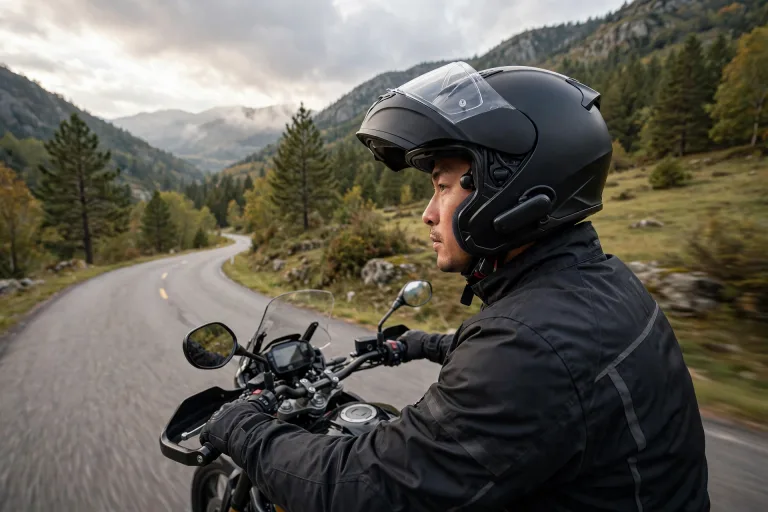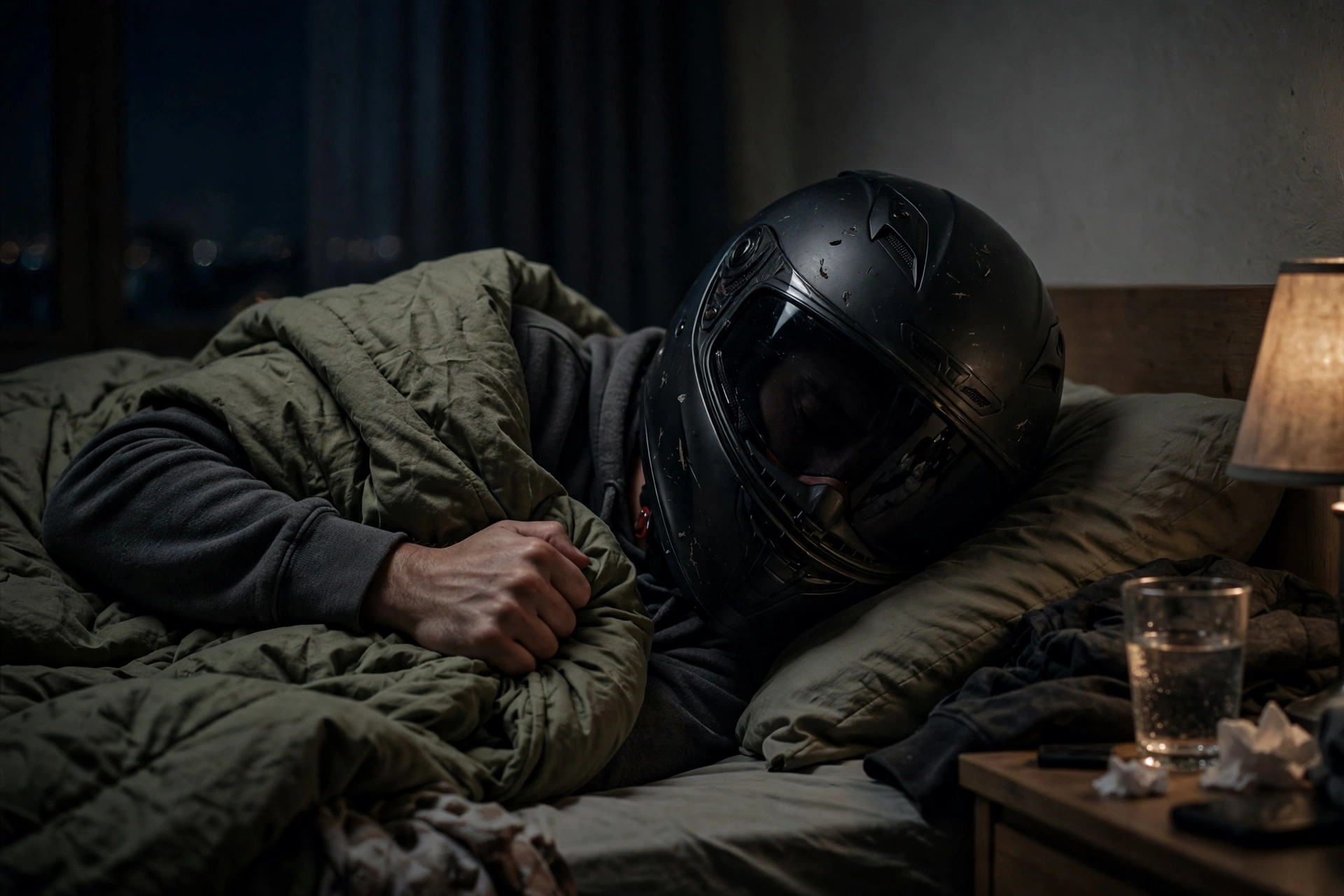
Can you sleep in a helmet? In general terms, you can fall asleep while wearing one, but it is not a good idea, because a helmet is made to be worn for a ride, a shift, or a game, not for a night of sleep, and it can leave you with a stiff neck, a sore head, and a poor night of rest. People ask this question for different reasons. Some wonder about sleeping in a helmet after a long ride, some are thinking about a night in a tent or a vehicle, and some are worried about a head injury and wonder whether a helmet would help them sleep safely. In almost every case, the honest answer is the same: take the helmet off before you sleep.
A helmet is designed to sit firmly on the head, with a snug fit, a chin strap, and padding that holds it in place during movement. That firm fit is exactly what makes it uncomfortable for sleep. When you lie down, the shell presses against the pillow, the strap pulls at the chin, and the weight of the helmet changes how your head and neck rest. Most people who try it wake up feeling worse than they did before, and a bad night of sleep can make the next day harder and less safe, especially if you need to ride, drive, or work.
Why is sleeping in a helmet uncomfortable?
Sleeping in a helmet is uncomfortable because a helmet is heavy, hard, and shaped for an upright head, not for a head resting on a pillow. The shell does not give way when you turn over, so it can press into the side of the head, push against the ears, and make it hard to find a comfortable position. The chin strap can dig into the skin, the padding can trap heat, and the vents that keep you cool on a ride do little when you are lying still under a blanket or in a sleeping bag.
Heat is another problem. A helmet traps warm air around the head, and during sleep the body needs to cool down to rest properly. A helmet can make the head feel hot and sweaty, which can wake you up during the night or leave you feeling groggy in the morning. In general terms, a helmet that is comfortable for an hour on the road can still be a poor choice for sleep, because the needs of sleep are very different from the needs of a ride, and comfort matters more when you are trying to rest than when you are trying to stay alert.
Can sleeping in a helmet hurt your neck or head?
Sleeping in a helmet can, in general terms, leave you with a stiff neck, a sore jaw, or a headache, because the weight of the helmet changes the way your head rests on the pillow. When you sleep without a helmet, your head sinks into the pillow and your neck stays in a natural line. When you sleep with a helmet on, the shell holds the head up at an odd angle, and the muscles in the neck have to work harder to support that extra weight. Over a few hours, that strain can build up and leave you waking with pain.
Why do some people want to sleep in a helmet?
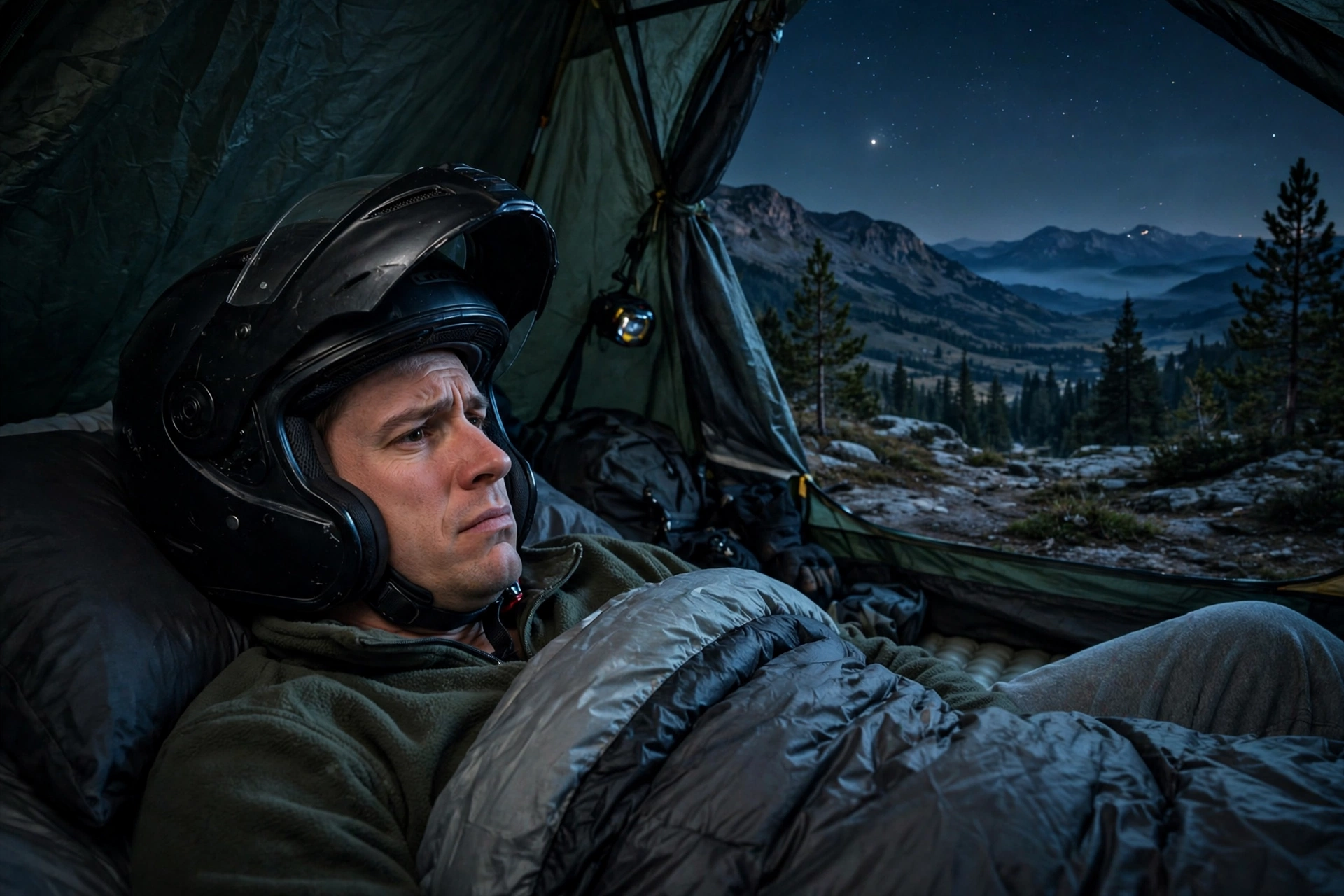
Some people want to sleep in a helmet because they are camping, travelling, or sleeping in a place where they feel unsure about their safety. A rider on a long trip may be sleeping in a tent near a road, a worker may be resting in a vehicle on site, or a traveller may be sleeping in a shared room and want a feeling of protection. In those cases, the wish to wear a helmet comes from a real feeling of worry, and it is worth taking that worry seriously rather than laughing it off.
What should you do instead of sleeping in a helmet?
Instead of sleeping in a helmet, you should take the helmet off, store it safely, and make your sleeping place as comfortable as you can. If you are on a trip, put the helmet in a bag or on a stable surface where it will not roll away or get damaged, and use a proper pillow to support your head and neck. A travel pillow, a rolled-up jacket, or a small camping pillow can all help you to rest well, and they do the job far better than a hard shell ever could.
If noise or light is the problem, use earplugs, a sleep mask, or a soft headband instead of a helmet. These are light, comfortable, and made for sleep, and they do not put pressure on the head or the neck. If you are worried about safety while you sleep, choose a well-lit, busy place to rest, lock doors and windows where you can, and keep your phone and your helmet within easy reach. In general terms, a good night of sleep, with the helmet off, leaves you far safer the next day than a poor night spent wearing it.
How can you rest safely on a long ride or trip?
You can rest safely on a long ride or trip by planning breaks, sleeping properly, and never trying to sleep while wearing a helmet or while riding. A rider who feels tired should stop, take the helmet off, stretch, drink some water, and rest in a safe place, rather than pushing on and hoping to stay awake. Tiredness is a real risk on the road, and a short rest in a proper bed or a safe rest area is worth far more than trying to nap in a helmet on the side of the road.
It is also worth thinking about the helmet itself when you stop. A helmet that has been worn for hours needs air, and the lining needs time to dry out. Leave it in a ventilated place, not sealed in a bag while it is still damp, and check the strap, the vents, and the lining before the next ride. Riders who are choosing a new helmet may also want to learn about features that can help in a fall, including a system designed to reduce rotational forces, such as MIPS, which is found in some helmets made for riding and sports. A well-rested rider, in a clean and comfortable helmet, is a safer rider than one who has tried to sleep in it.
Is it safe to sleep in a helmet?
In general terms, sleeping in a helmet is not recommended. It can cause a stiff neck, a headache, and a poor night of sleep, and it does not make sleep safer.
Can a child sleep in a helmet?
No, in general terms a child should not sleep in a helmet. A helmet can press on a child’s head and neck, and it can also be a choking or breathing risk if the strap is left fastened. Take the helmet off before sleep.
What if I fall asleep wearing a helmet by accident?
If you fall asleep wearing a helmet by accident, take it off as soon as you wake up, stretch your neck gently, and check how you feel. If you have a headache, neck pain, or feel unwell, rest and seek medical advice if the symptoms do not ease.

Olivia
Writer at Helmet Today, covering helmet reviews, fit and riding safety.