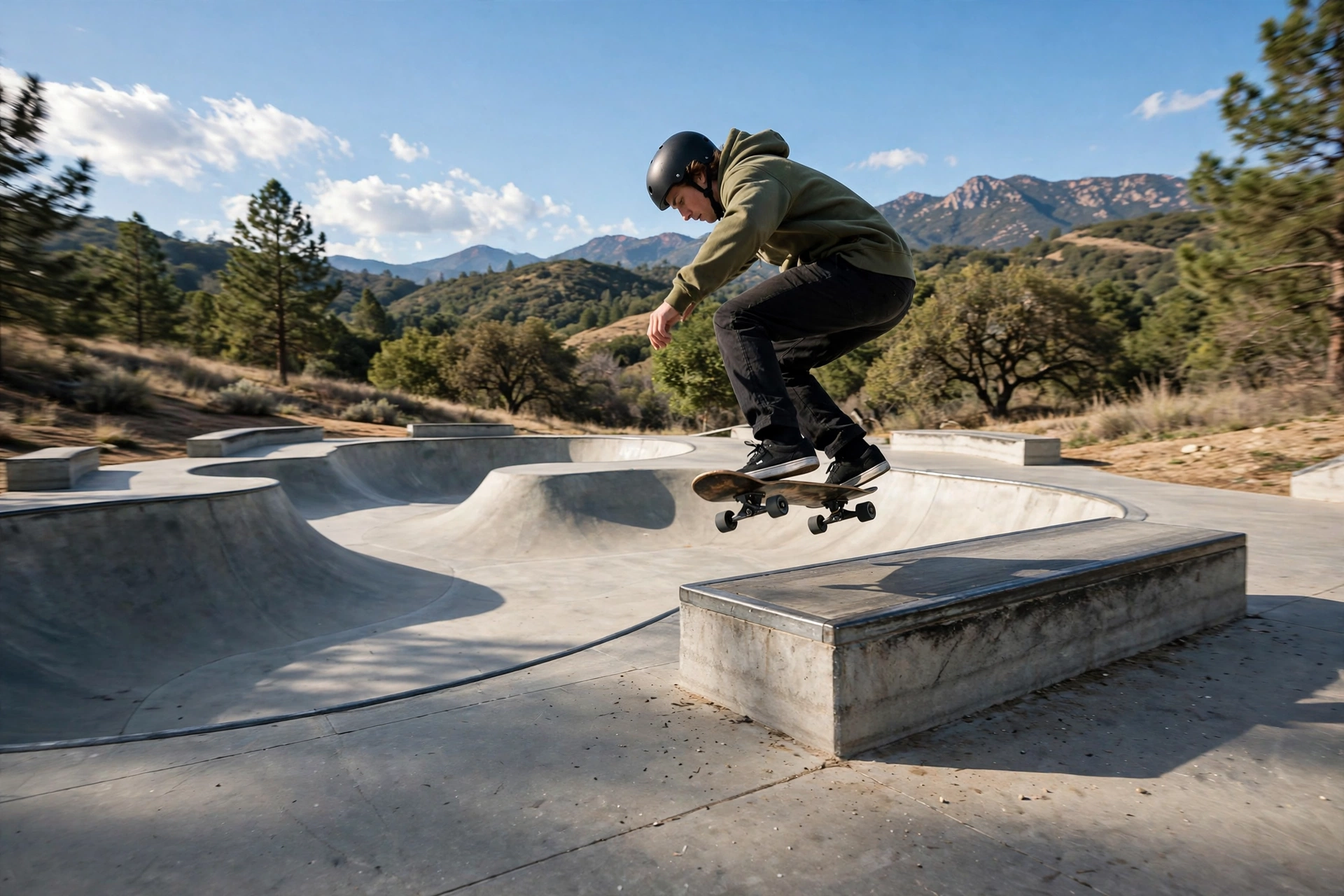
Do skateboarders wear helmets? In general terms, many skateboarders do wear a helmet, and most skateparks, competitions, and lessons expect one, but some street skaters choose not to, and that choice leaves them unprotected in a sport where falls are part of everyday skating. Skateboarding is a sport built around balance, speed, and tricks, and even a skilled skater falls often. A fall onto concrete, a ramp, or a metal rail can be a serious one, so a helmet is the simplest piece of protection a skater can wear.
A skateboarder’s head is exposed every time they step on a board. A trick that goes wrong can throw the skater backwards onto the back of the head, and a slip on a wet surface can send them forwards onto their face. A helmet spreads the force of an impact and helps to protect the skull, and that matters all the more because a skater cannot always control how or where they land. The question is not whether falls happen, because they do, but whether the skater is protected when they do.
Why do some skateboarders not wear a helmet?
Some skateboarders do not wear a helmet because of habit, comfort, or the culture of the scene they skate in. Street skating grew up as a free, informal activity, and for many years helmets were rare in skate videos and magazines. A young skater who copies the skaters they admire may see a helmet as something that does not belong, and that attitude can be hard to change even when the skater knows the risks.
Comfort is another reason. A helmet can feel hot on a warm day, and a badly fitting helmet can slip or pinch, which is a distraction when a skater is trying to land a trick. Some skaters also worry that a helmet will limit their view or their hearing. In general terms, these worries are best answered by finding a helmet that fits well and is made for skating, rather than by skating without one. A good skate helmet is light, well ventilated, and shaped to stay out of the way.
What kind of helmet is best for skateboarding?
The best helmet for skateboarding is, in general terms, a skate helmet with a hard outer shell, a snug fit, and a shape that covers the back of the head well. Skate helmets are made for the kind of falls that happen in skating, which are often low-speed falls onto hard surfaces, repeated over and over. They are different from a bike helmet, which is made mainly for a single high-speed impact, and many skate helmets are built to cope with more than one smaller knock.
A skate helmet should sit low on the forehead and cover the back of the head, because backward falls are common in skating. It should have a secure chin strap that holds it in place, and vents that let air in without letting the helmet feel hot. The helmet should be easy to put on and take off, and it should feel comfortable enough that the skater forgets they are wearing it. A helmet that is uncomfortable will end up left at home, and a helmet left at home protects no one.
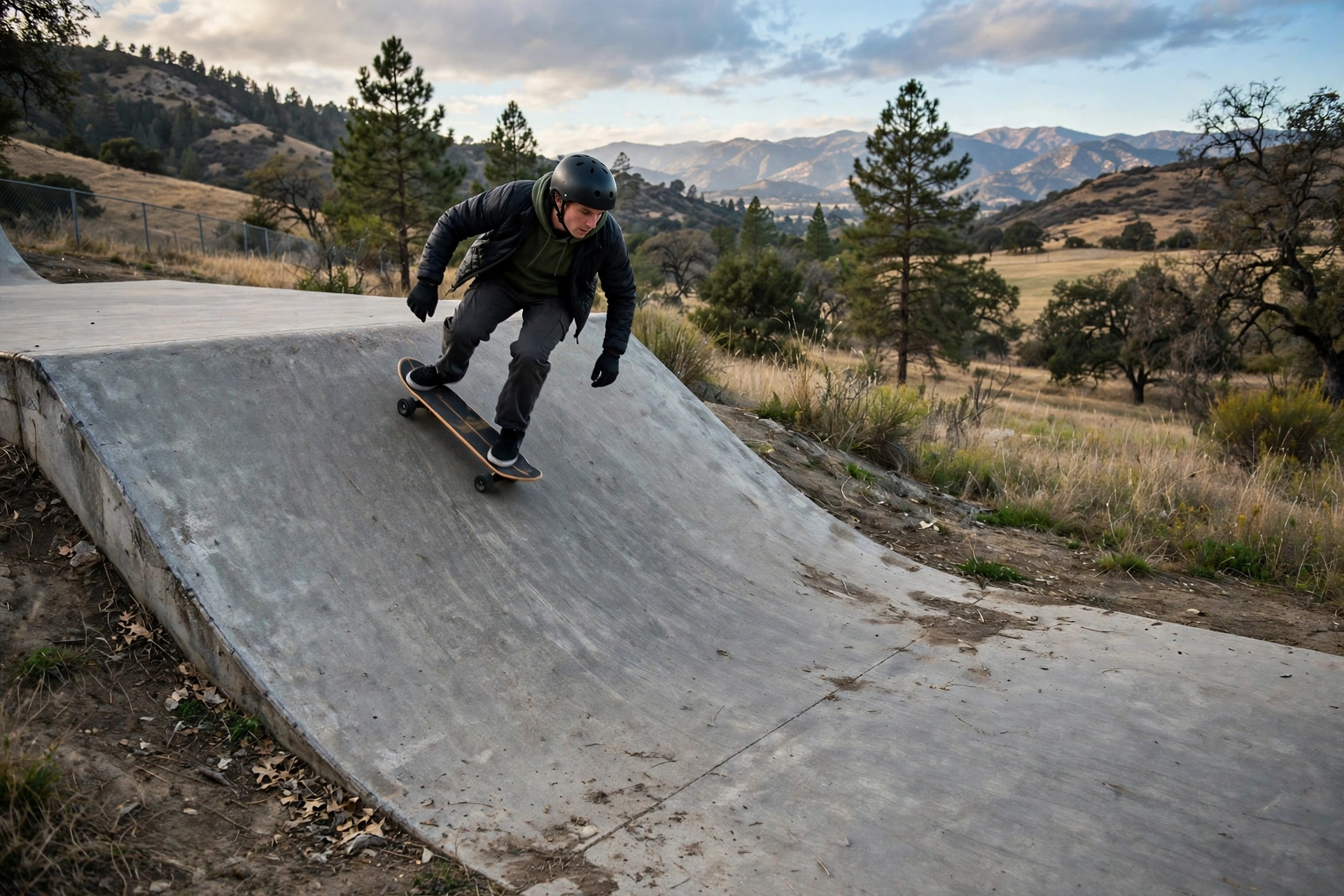
Do skateparks and competitions require a helmet?
In general terms, most skateparks, competitions, and organised lessons do require a helmet, and a skater who turns up without one may not be allowed to skate. Skateparks set this rule because they are responsible for the safety of the people who use them, and a helmet rule is one of the simplest ways to reduce the risk of a serious head injury. Some parks lend helmets to visitors who do not have one, which is a useful option for a first visit.
Competitions usually have the same rule, and it applies to every skater who takes part, whatever their age or skill level. Lessons for children almost always require a helmet, and many parents insist on one for their children even when the park does not. A skater who is unsure should check the rules for the park or the event before going, because the rules can differ from one place to another. Street skating on public ground is a different case, and there the choice is usually left to the skater.
How should a skateboard helmet fit?
A skateboard helmet should fit snugly, sit level on the head, and stay in place when the skater shakes their head or bends down to pick up the board. The helmet should cover the forehead and the back of the head, and the chin strap should be fastened securely every time the skater is on the board. A strap that is left loose lets the helmet lift in the wind or slide in a fall, and a helmet that comes off is no help at all.
The fit should be checked with any other kit the skater wears, such as headphones or a cap, because those items can change how a helmet sits. The skater should also check that the helmet does not block their hearing, because a skater needs to hear other skaters, traffic, and warnings from people around them. A new helmet often feels tight at first and then settles as the lining shapes to the head, but it should never press painfully on one spot.
When should a skateboard helmet be replaced?
A skateboard helmet should be replaced after a hard impact or a fall in which the head strikes the ground, and in general terms a helmet that has taken a serious impact should be replaced rather than used again. The damage may not be easy to see, because the part that absorbs the impact can be hidden inside the shell. A skater who falls often should think honestly about what their helmet has been through and replace it when it has done its job.
The helmet should also be replaced when it no longer fits well, shows cracks or damage, or has been worn for a long time. A helmet that is kept in a hot car or left in the sun can wear out faster, so a cool, dry place is a better choice for storage. Skaters who are choosing a new helmet may also want to learn about features that can help in a fall, including a system designed to reduce rotational forces, such as MIPS, which is found in some helmets made for skating and board sports. A well-kept helmet, worn every time, gives a skateboarder the best chance of enjoying the sport in safety.
Do professional skateboarders wear helmets?
Many professional skateboarders wear a helmet, especially in competitions and at skateparks where the rules ask for one. In general terms, more skaters wear helmets today than in the past, and the habit is growing.
Can a bike helmet be used for skateboarding?
A bike helmet can be used for skateboarding in general terms, but a helmet made for skating is often a better choice, because it covers the back of the head well and is built for the repeated low-speed falls that skating brings.
Do children need a helmet to skateboard?
Yes, in general terms children should always wear a helmet when skateboarding. Most skateparks and lessons require one for children, and a helmet is the simplest way to protect a young skater’s head.

Olivia
Writer at Helmet Today, covering helmet reviews, fit and riding safety.