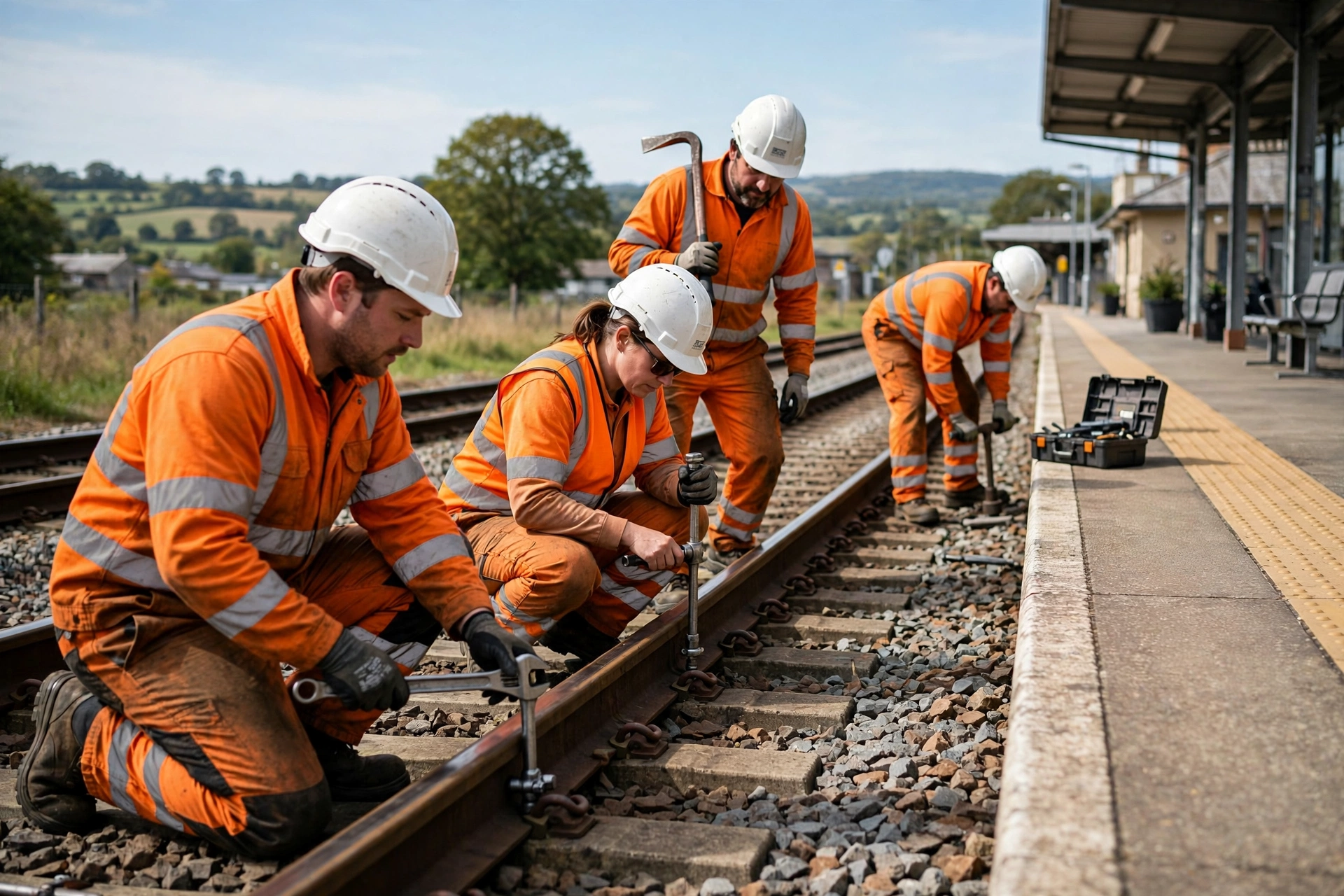
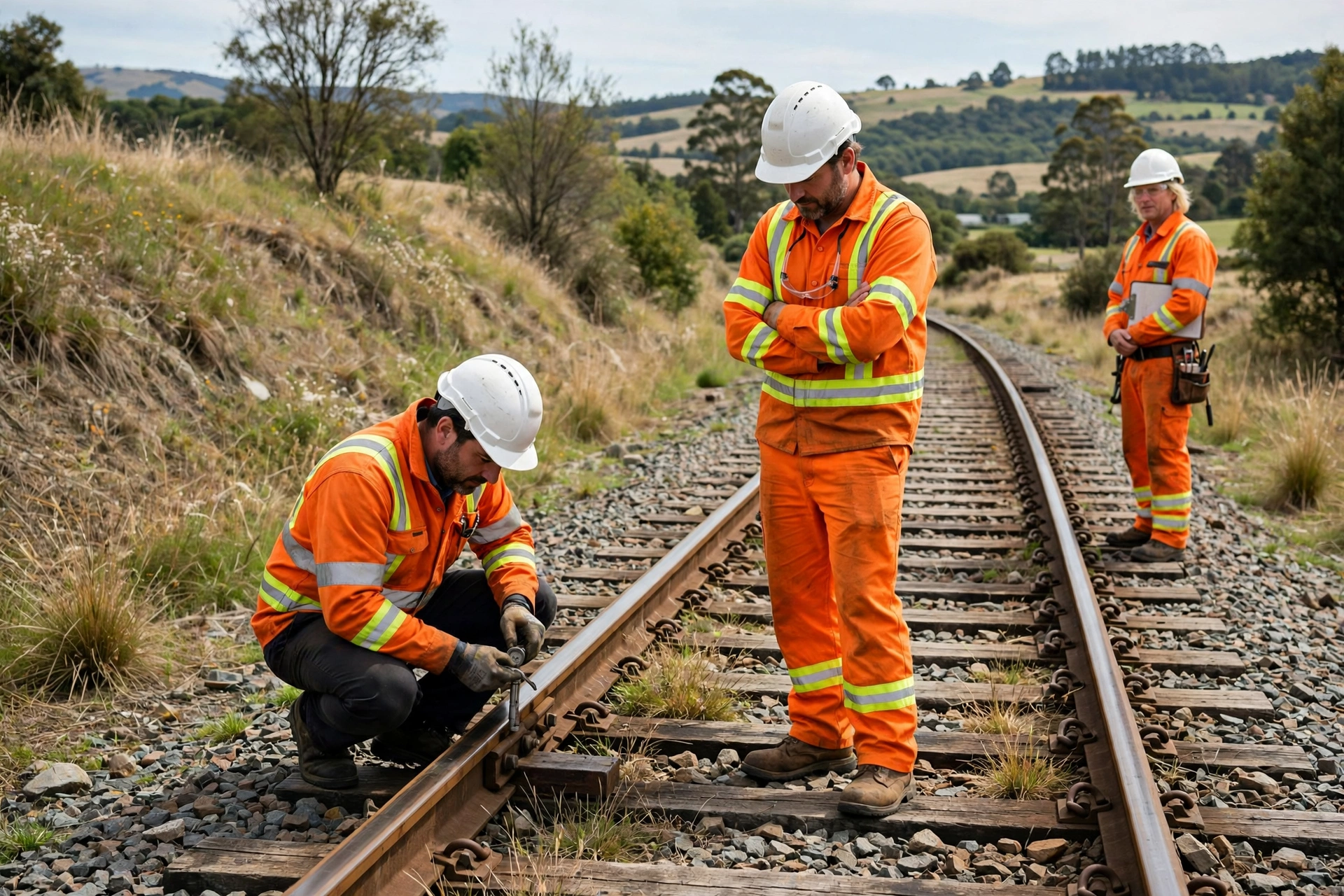
A railway track work helmet is, in general terms, an industrial hard hat worn by anyone working on or near a live railway track, where the risks include moving trains, falling objects, and overhead equipment. It is a simple piece of kit with a serious job: protecting the head in a place where a moment of distraction can be dangerous. Track workers wear it alongside high-visibility clothing and other protective gear as part of a strict safety system.
Railway track work covers a wide range of jobs: laying and repairing rails, maintaining sleepers and ballast, working on overhead power lines, and inspecting bridges and tunnels. Much of it happens beside lines where trains are still running, often at night or in poor weather. This guide explains what a track work helmet is, what features it needs, and how it fits into the safety rules that govern work on the railway.
What Makes Railway Track Work Different?
The first thing that makes track work different is the trains. A train cannot swerve and cannot stop quickly, so workers must be protected and warned long before a train arrives. Lookouts, warning systems, and strict rules about where workers may stand are all part of the system, and the helmet is the last line of defence if something falls or a worker bumps their head.
The second difference is the environment. Track workers spend long hours outdoors in all weathers, often at night, on uneven ballast that is hard to walk on. They work around heavy rails, sleepers, and tools, and around overhead line equipment that carries power. A helmet must protect against knocks and falling objects, stay on in wind and when bending, and work with the other gear a track worker wears.
Visibility is also vital. At night or in fog, a worker must be seen by train drivers and by colleagues. A brightly coloured helmet helps, and many track helmets carry reflective strips or stickers. The helmet colour may also show a worker’s role on site, though this varies between railway organisations.
What Features Does a Railway Track Work Helmet Need?
The shell is the core of the helmet. It should be hard and smooth, able to spread the force of a falling object or a knock against a rail, a sleeper, or a piece of machinery. A short peak at the front shades the eyes and keeps rain off the face, which matters when working outdoors for a full shift. The shell should also stand up to sunlight and to knocks from tools and materials.
Inside, the suspension holds the shell away from the head and absorbs some of the force of an impact. It should adjust to fit the wearer snugly, and the padding should stay comfortable during long shifts. A chin strap is important on the track, because a helmet that falls off when a worker bends down or looks up at overhead lines is no protection at all. The strap should be easy to fasten with gloves on.
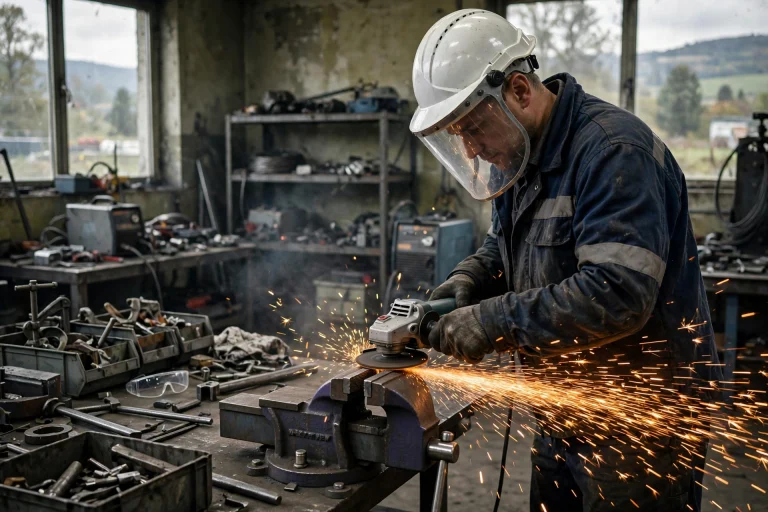
Attachments are often needed. Slots for ear defenders are common, because track work is noisy, with trains passing, machinery running, and tools in use. A lamp bracket can be useful for night work, and a face shield may be needed for cutting or grinding. Any attachment should be made for the helmet and fitted properly, rather than improvised, so it does not weaken the shell.
How Does Electrical Safety Affect the Helmet?
Many railways are electrified, with overhead wires or a live rail carrying power. A track worker’s helmet must not create an electrical risk, so helmets used near electrified lines are usually made from materials that do not conduct electricity, and they should have no exposed metal parts. Workers should never drill holes in a helmet or attach metal fittings that the maker did not intend.
The safe distance from live equipment is set by the railway’s rules, and workers are trained to respect it. The helmet is not a substitute for keeping that distance, and it does not make it safe to touch live equipment. It is simply one part of the protection a track worker relies on, alongside training, lookouts, and the rules for each job.
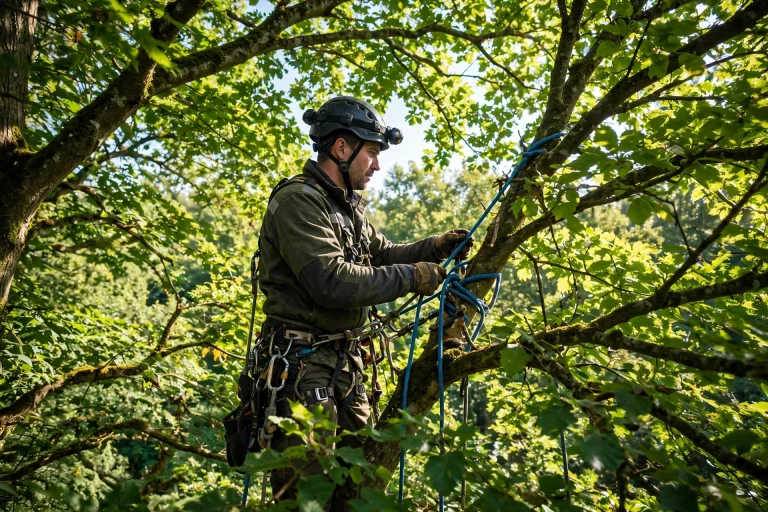
Overhead line work brings its own risks. Workers on gantries and towers need a helmet that stays on when they look up and move around at height, which is another reason a chin strap matters. The helmet also needs to work with a harness and other height-safety gear without getting in the way.
What Rules Govern Helmets on the Track?
Railway work is governed by strict safety rules, and in general terms a helmet is required whenever workers are on or near the track. The rules cover who must wear a helmet, where it must be worn, and how it should be fitted. Briefings at the start of each shift remind workers of the rules for that day’s job, including which lines are live and where the safe places to stand are.
Supervisors and safety staff check helmets as part of their routine. A helmet worn tilted back, with the strap undone, or with damage to the shell will be picked up and corrected. Workers are expected to check each other’s kit as well, because on a track, looking out for a colleague is part of the job.
If you are interested in how helmets handle impacts in general, reading about what MIPS is for helmets is a useful background read. It explains a technology used in many modern helmets, and it helps to show how helmet design goes beyond a simple hard shell.
How Should a Track Work Helmet Be Looked After?
Inspect the helmet before every shift. Look for cracks, dents, and faded or brittle areas on the shell, and check the suspension, straps, and buckle for wear. Ballast dust and dirt can hide damage, so wipe the helmet clean before inspecting it. If anything looks wrong, report it and get a replacement.
Clean the helmet with mild soap and water, and clean or replace the sweatband often. Avoid strong solvents and never paint the shell unless the maker says it is safe, because chemicals can weaken the material. Store the helmet in a clean, dry place away from direct sun and away from tools that could knock it.
Replace the helmet after a hard impact, even if the damage is not obvious, and when it reaches the end of its expected service life. A helmet that has been dropped from height or struck by a falling object should be taken out of service straight away. Keeping to the replacement schedule is a simple habit that helps keep track workers safe.
Frequently Asked Questions
Q: Do all railway track workers need a helmet?
A: In general terms, yes. A helmet is required whenever workers are on or near the track, under the railway’s safety rules for the job.
Q: Why do track workers need a chin strap?
A: In general terms, a chin strap keeps the helmet on when bending, looking up at overhead lines, or working in wind, so it is there to protect the head when it matters.
Q: Can a track work helmet be used near electrified lines?
A: In general terms, yes, provided it is made from non-conductive materials with no exposed metal parts, and the worker still keeps the safe distance set by the railway’s rules.

Olivia
Writer at Helmet Today, covering helmet reviews, fit and riding safety.