In general terms, helmets are required for most workers on an oil and gas site, and the rules are set by the site operator as part of a wider safety system. A hard hat protects against falling objects, knocks against pipes and structures, and slips on a busy site. The exact requirements vary from site to site and from job to job, so workers should always follow the rules for the site they are on.
Oil and gas sites range from drilling rigs and production platforms to refineries, tank farms, and pipeline construction spreads. Each has its own hazards: heavy lifting overhead, scaffolding, pressurised equipment, and moving vehicles. This guide explains, in general terms, where helmets are required, what kind is used, and how helmet rules fit into site safety.
Where Are Helmets Required on an Oil and Gas Site?
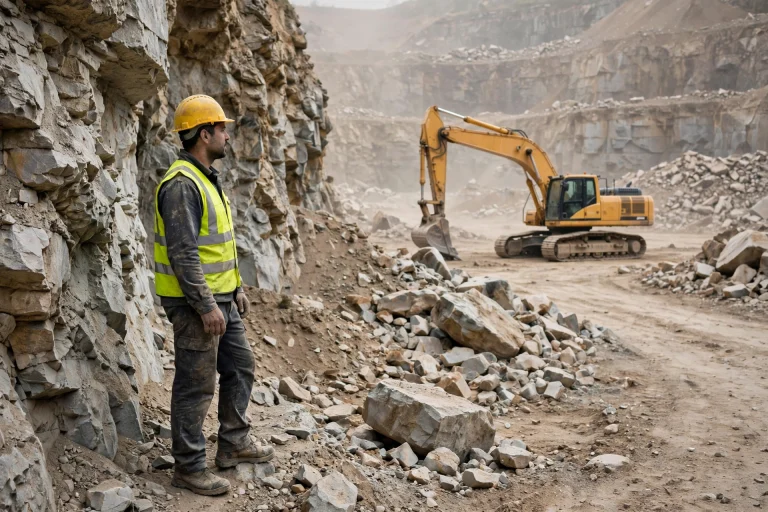
In general terms, helmets are required in most active work areas on an oil and gas site. This includes the rig floor, areas where lifting is taking place, places where scaffolding is being built or taken down, and any area where work is happening overhead. Office areas, control rooms, and designated safe areas may not need helmets, but the boundary between the two is always marked and briefed to everyone on site.
Visitors are not exempt. Anyone entering a work area, from an inspector to a delivery driver, is normally given a helmet and told where it must be worn. Induction training covers the helmet rules along with the site’s other safety requirements, such as where to walk and what to do in an alarm.
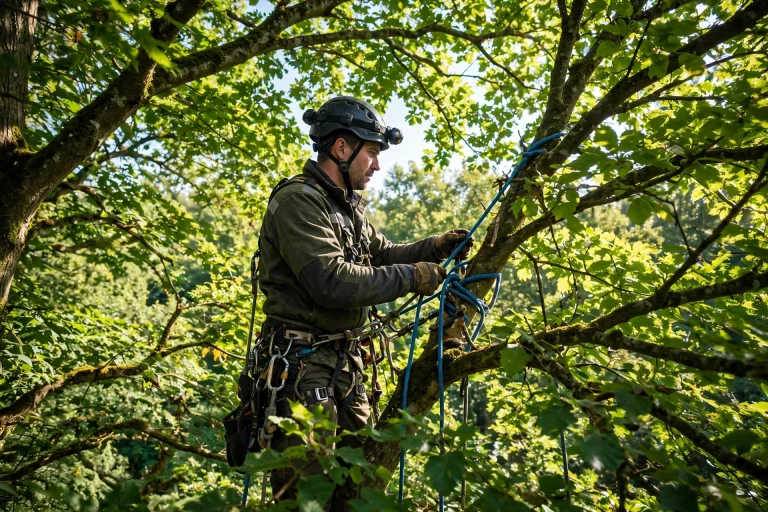
Some jobs carry extra risks. Working at height may call for a helmet with a chin strap so it stays on if the wearer slips, while work near rotating equipment or electrical hazards may call for extra features. The site’s safety team decides these details, and workers should check the requirements for each new job rather than assuming yesterday’s rules still apply.
What Kind of Helmet Is Used on Oil and Gas Sites?
The standard helmet on an oil and gas site is an industrial hard hat with a hard shell and an inner suspension system that holds the shell away from the head. The shell spreads the force of a falling object, while the suspension absorbs some of the energy. The helmet usually has a short brim or peak at the front to shade the eyes and keep rain and drips away from the face.
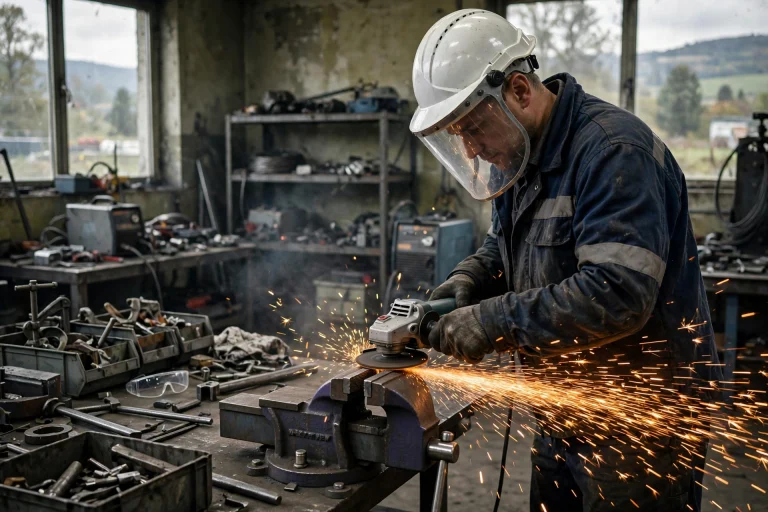
Many helmets have slots for ear protection or a face shield, often needed near loud machinery or during cutting and grinding. A chin strap is common, especially offshore and at height, where a helmet that falls off is no use. High-visibility colours help others spot workers among pipes, tanks, and scaffolding, and some sites use colours to show a worker’s role, such as a supervisor or a visitor.
Electrical safety matters on some parts of a site. Helmets used near electrical equipment are often made from materials that do not conduct electricity, with no metal parts that could carry a current. Workers should never drill extra holes in a helmet or fit parts the maker did not intend, as this can weaken the shell.

How Do Helmet Rules Differ Between Onshore and Offshore Sites?
Offshore platforms are compact, busy, and exposed to weather, and the helmet rules there tend to be strict. In general terms, helmets are worn almost everywhere outside the living quarters, because the decks are crowded with equipment, cranes are often lifting overhead, and the wind can catch loose items. A chin strap is especially important offshore, where a helmet blown overboard is lost and a worker without one is unprotected.
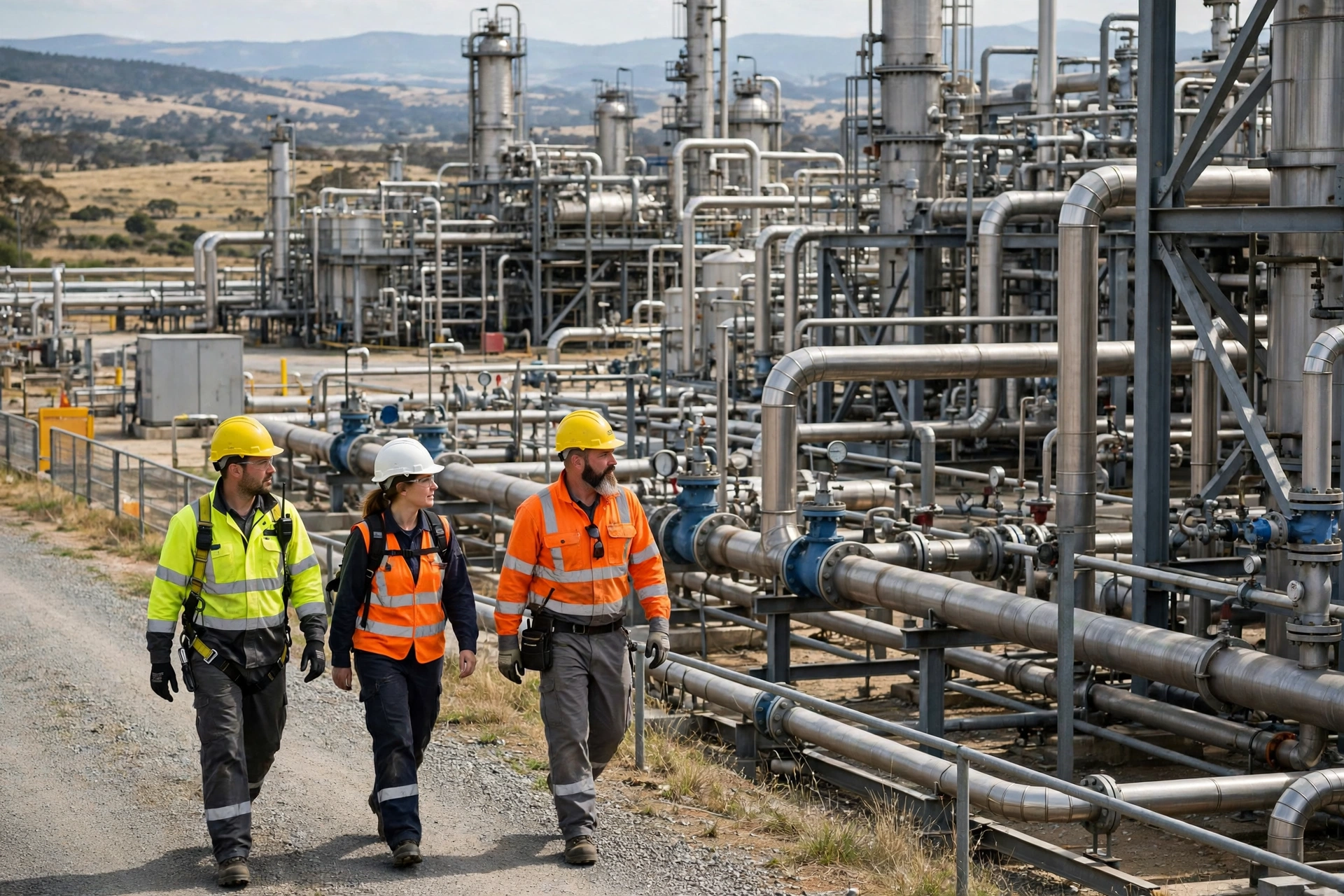
Onshore sites are larger, so the rules can be more zoned. A refinery may have helmet-free areas in offices and control buildings, with signs marking where helmets become compulsory. Pipeline construction may require helmets only in the active work zone. The principle is the same: wear a helmet wherever there is a risk from above, and follow the signs and the briefing.
Both onshore and offshore, the rules are backed up by checks. Supervisors watch for helmets worn correctly — level, strap fastened, no damage — and workers are expected to look out for each other. A helmet worn backwards or with the strap undone is worth correcting on the spot.
What Should Workers Check Before Each Shift?
Before starting work, inspect the helmet. Look at the shell for cracks, dents, deep scratches, or sun damage, and check the suspension for frayed straps, cracked fittings, or missing parts. The chin strap should fasten firmly, and any ear protection or visor should be clean and working.
Cleanliness matters on an oil and gas site, where helmets can pick up oil, grease, and dust. Wash the shell with mild soap and water and clean the sweatband regularly. Avoid strong solvents, which can weaken the shell material, and never paint a helmet unless the maker says it is safe. Store the helmet in a clean, dry place out of direct sunlight when it is not being worn.
Report any damage straight away. A helmet that has taken a hard knock should be taken out of service, even if the damage is hard to see. If you are learning about helmet technology in general, reading about what MIPS is for helmets can help you understand one of the systems used in modern helmets. Industrial helmets use their own designs, but the idea of managing how impact energy reaches the head is common to all helmets.
How Long Does an Oil and Gas Site Helmet Last?
A helmet does not last forever. Sun, heat, chemicals, and daily wear slowly weaken the shell and the suspension, even when the helmet looks fine. Sites usually set a service life, and workers should replace their helmet when it reaches that age or sooner if it is damaged. The maker’s guidance and the site rules together set the replacement schedule.
Keeping a record helps. Some sites mark the date a helmet was first used, so its age is easy to check. Workers should also keep their own note of any impacts the helmet has taken. A helmet that has protected you in a real incident has done its job, but it should be replaced afterwards rather than kept in service.
Finally, a helmet is only one part of the safety system on an oil and gas site. It works alongside safe systems of work, training, supervision, and other protective equipment such as boots, gloves, eye protection, and hearing protection. Wearing it correctly, checking it daily, and replacing it when needed are simple habits that keep everyone safer.
Frequently Asked Questions
Q: Are helmets required on all oil and gas sites?
A: In general terms, yes for most active work areas, though the exact zones and rules are set by each site operator and explained in the site induction.
Q: Do offshore workers need a chin strap on their helmet?
A: In general terms, yes, a chin strap is commonly required offshore and for work at height, so the helmet stays on in wind or if the wearer slips.
Q: When should an oil and gas site helmet be replaced?
A: In general terms, after a hard impact, when it shows cracks or wear, or when it reaches the end of its expected service life under the site rules.

Olivia
Writer at Helmet Today, covering helmet reviews, fit and riding safety.