AS/NZS 2063 is the joint Australian and New Zealand standard for bicycle helmets, and it applies to bicycle helmets sold and used in Australia and New Zealand. In general terms, it sets out how a bicycle helmet should perform in an impact test, how strong its retention system should be, and how it should be labelled, so that a rider can tell whether a helmet has been made to the recognised benchmark for those countries. A helmet that meets AS/NZS 2063 carries a label showing the standard number.
For cyclists in Australia and New Zealand, the standard is the one that matters most, because it is the local benchmark for bicycle helmets. For cyclists elsewhere, it is still useful to know about, because helmets made to AS/NZS 2063 are sold internationally and the standard is often mentioned alongside EN 1078 and CPSC. This guide explains what the standard covers, where it applies, and what to check on the label.
What Does AS/NZS 2063 Cover?
AS/NZS 2063 covers bicycle helmets, including the shell, the impact-absorbing liner, and the retention system that holds the helmet on the head. In general terms, the standard sets requirements for impact protection, for the strength of the straps and buckle, and for the field of vision the helmet must allow. It also sets requirements for the information that should come with the helmet, such as fitting and care instructions.
The helmet is tested with a headform fitted inside, dropped onto a shaped surface to simulate a fall onto a hard surface. The test measures how much force reaches the headform, and the helmet must keep that force within the limits set by the standard. The retention system is tested separately, to check that it holds the helmet in place rather than stretching or coming undone.
Where Does AS/NZS 2063 Apply?
AS/NZS 2063 applies in Australia and New Zealand, where it is the recognised standard for bicycle helmets. In general terms, bicycle helmets sold in those countries are expected to meet the standard, and riders there should look for the AS/NZS 2063 label when they buy a helmet. The standard is part of the way those countries make sure bicycle helmets on sale offer a consistent level of protection.
Outside Australia and New Zealand, the standard does not replace the local standard. A cyclist riding in Europe should look for EN 1078, and a cyclist riding in the United States should look for the CPSC label. A helmet that meets AS/NZS 2063 may also meet one of those standards, and many helmets sold by major brands carry more than one mark, but the AS/NZS 2063 mark on its own is the one that shows the helmet meets the Australian and New Zealand benchmark.

How Do You Recognise an AS/NZS 2063 Helmet?
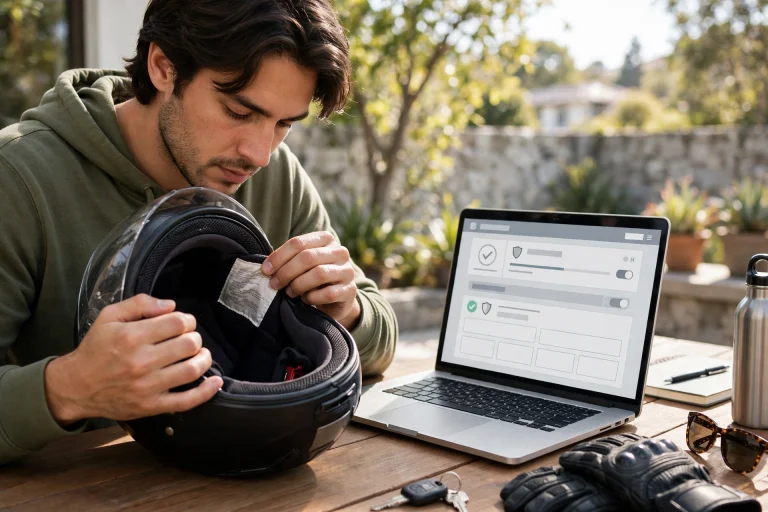
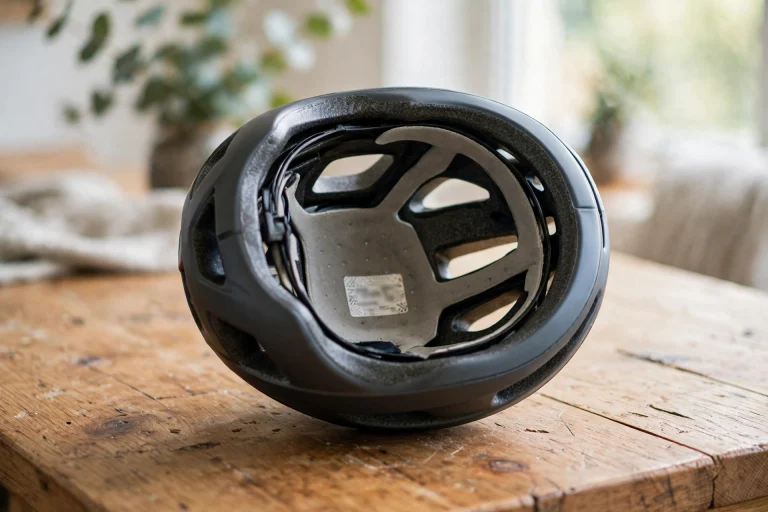
An AS/NZS 2063 helmet carries a label inside the helmet showing the standard number, AS/NZS 2063, along with the manufacturer and model details. In general terms, the label should be clear, permanent, and easy to read, and the details on it should match the helmet you are holding. Some helmets also carry a certification mark from the body that certified them, which is an extra sign that the helmet has been checked against the standard.
When you check a helmet, look inside the shell for the label and read it properly. It may be on a sticker fixed to the liner or printed on a tag sewn into the helmet. If the label is missing, hard to read, or does not match the helmet, ask the seller to explain. A genuine AS/NZS 2063 helmet should have no reason to hide its label.
It is also worth checking that the helmet is in good condition and fits well. The shell should feel solid, the liner should be firm and evenly fitted, and the straps should fasten securely. A label is only part of the picture: a certified helmet that does not fit, or that has been damaged, will not protect as well as it should.
How Is AS/NZS 2063 Different from EN 1078 and CPSC?
AS/NZS 2063, EN 1078, and CPSC are all bicycle helmet standards, but they were written for different countries and they test helmets in different ways. In general terms, they share the same broad approach — a headform inside the helmet, dropped onto a shaped surface, with a check on the force that reaches the headform — but they differ in the details of the test, such as the test surfaces, the impact points, and how the helmet is conditioned before testing.
One practical difference is that AS/NZS 2063 is often described as a demanding standard, because it includes checks that reflect the conditions cyclists meet in Australia and New Zealand, including hot weather and strong sun. That does not make it simply better than the other standards, but it does mean a helmet made to meet it has been tested with those conditions in mind.
If you are learning about the technologies that can sit inside a certified bike helmet, reading about what MIPS is for helmets can help you understand one of the features some modern helmets include in addition to their standard certification.
What Should You Check Before Buying an AS/NZS 2063 Helmet?
Start with the label, then check the fit. The helmet should sit level on your head, cover your forehead without slipping down over your eyes, and feel snug all round without pressing hard in one place. The straps should form a snug fit under your chin, and the helmet should stay put when you shake your head gently. Try the helmet on with any glasses or eyewear you normally use, to make sure nothing presses or catches.
Next, look at the build. The shell should feel solid, the liner should be firm and evenly fitted, and the vents should be clean and free of damage. Check the buckle: it should fasten securely and release without a struggle. If the helmet has a dial or adjustment system at the back, check that it turns smoothly and holds its setting.
Finally, buy from a seller you trust and keep the receipt and any paperwork that comes with the helmet. A helmet should be replaced after a hard impact, even if the damage is not visible, because the liner inside can be damaged in ways you cannot see. A helmet that meets AS/NZS 2063, fits well, and is in good condition is the combination that gives you real protection on the road or trail.
Frequently Asked Questions
Q: Is AS/NZS 2063 only for Australia and New Zealand?
A: In general terms, yes — it is the joint Australian and New Zealand standard for bicycle helmets. Helmets that meet it are also sold in other countries, but the local standard where you ride is the one to check first.
Q: Does an AS/NZS 2063 helmet need to be replaced after a crash?
A: In general terms, yes — a helmet that has taken a hard impact should be checked and usually replaced, even if the damage is not visible on the outside, because the liner inside can be damaged.
Q: Can a helmet meet AS/NZS 2063 and another standard at the same time?
A: Yes. Many helmets sold by major brands are made to meet more than one standard, so a single helmet can carry the AS/NZS 2063 mark alongside EN 1078 or CPSC marks.

Olivia
Writer at Helmet Today, covering helmet reviews, fit and riding safety.