Yes, you can verify a helmet certification online in most cases — start with the label inside the helmet, note the standard and model, then check the certifying body’s official database or list. A genuine certification means an independent body has tested a sample of that helmet model against a published standard, such as ECE 22.06, DOT, Snell, or EN 1078. An online check helps you confirm that the model really appears on an official list, rather than trusting a sticker alone.
Fake or misleading labels are a real problem, especially when buying online from an unfamiliar seller. Some helmets carry a label that looks official but names a standard the helmet was never tested against. Others copy a real label from a different model. A careful online check takes only a few minutes and can save you from buying a helmet that offers far less protection than it claims. This guide explains where to look, what to check, and what to do when a helmet cannot be verified.
What Information Do You Need Before You Check?
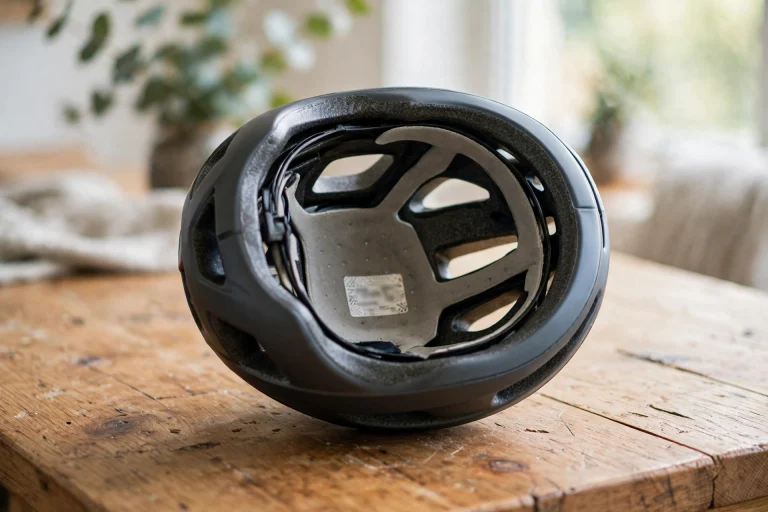
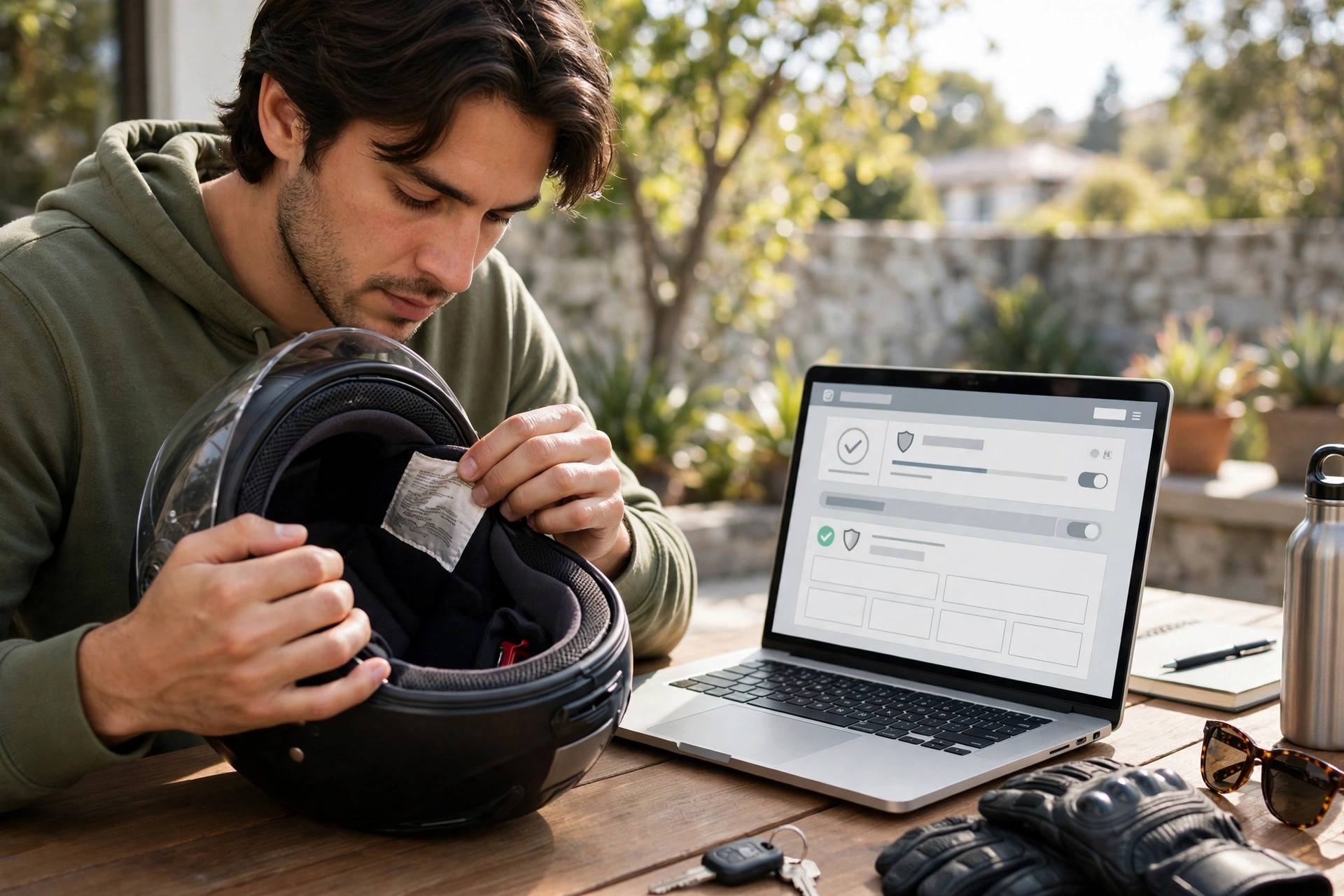
Before you search, gather the details from the helmet itself. Look for the label stitched into the liner or fixed inside the shell, and note the brand, the exact model name, the size, and the standard named on the label, for example ECE 22.06 or DOT FMVSS 218. Also note any approval number, batch or production date, and the country where the helmet was made. A photograph of the label is useful, because you can compare the wording and the numbers letter by letter later.
Where Can You Check a Helmet Certification Online?
The best place to check is the official website of the body that issued the certification. For ECE helmets, the approval number on the label can be traced to the authority that granted it, and many national transport or standards bodies publish lists of approved models. For Snell-certified helmets, the Snell Memorial Foundation publishes a searchable list of certified models on its own website. For other standards, the manufacturer or the testing laboratory may publish a certificate or a list of certified products.
Start with a search on the official site rather than a general web search, because copycat sites can repeat false claims. Type the exact model name and the standard into the official database, and check that the model, the size range, and the standard all match. If the database lists the model under a slightly different name, compare the approval number as well, since that number is usually the most reliable match.
If the certifying body does not publish a public database, contact the manufacturer directly with the model name and approval number and ask them to confirm it. A reputable brand will answer, and many brands have a contact form or an email address for exactly this kind of question. If you are learning how helmets are built to manage impact, reading about what MIPS is for helmets can help you understand one of the technologies that may appear alongside a certification label.
How Do You Spot a Fake Certification Label?
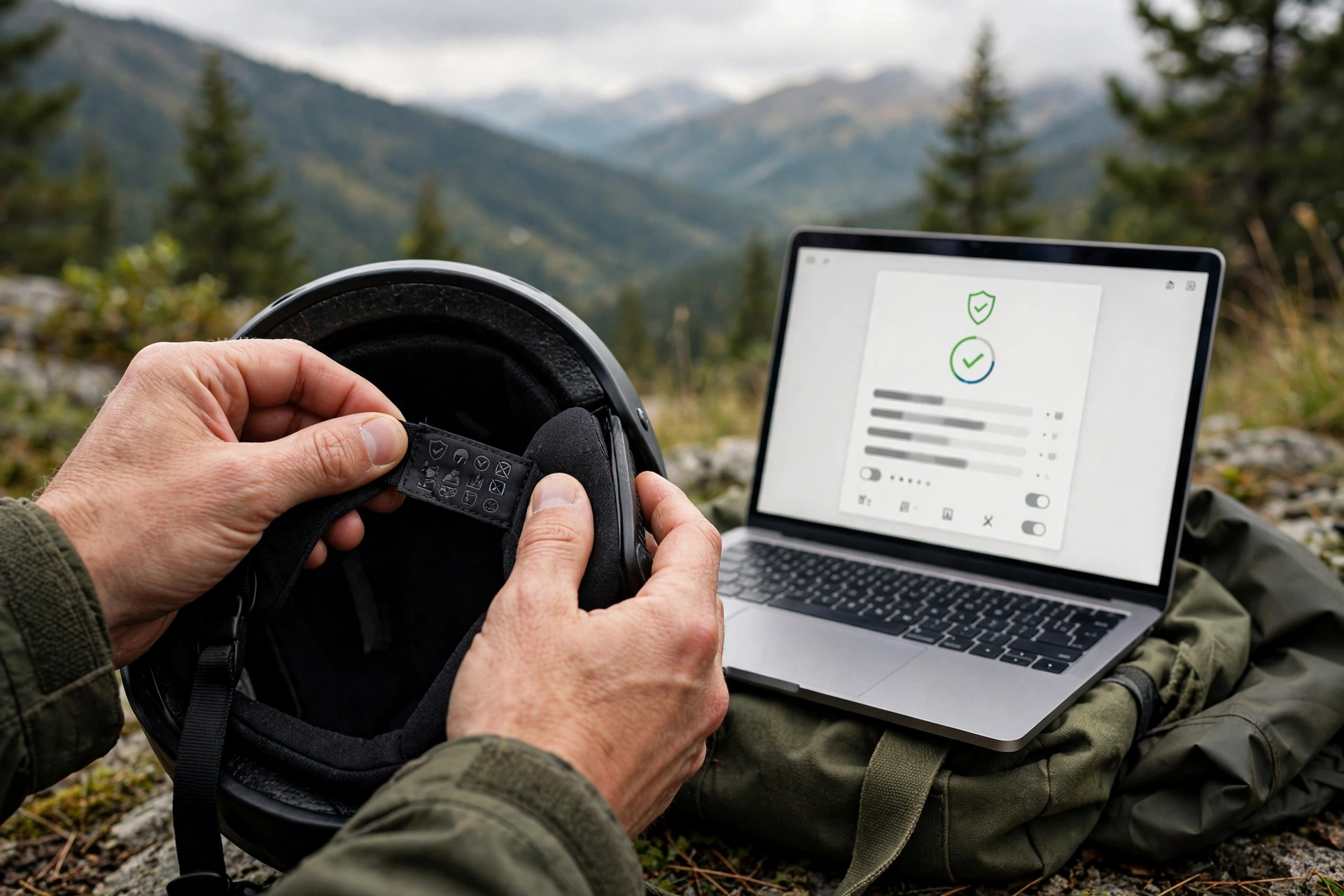
A fake label often gives itself away on close inspection. Look for poor printing, uneven lettering, spelling mistakes, or a label that peels off too easily. Genuine labels are usually fixed firmly inside the helmet and printed clearly, with the standard number, the approval mark, and the manufacturer’s name all easy to read. A label that looks home-printed, or one that uses a standard number that does not exist, should be treated with suspicion.
Another useful check is the weight and finish of the helmet. A counterfeit may feel lighter, have rough edges, loose padding, or a strap that feels flimsy. These signs alone do not prove a helmet is fake, but together with a label that cannot be verified online they add up to a clear reason not to use the helmet until you have confirmed it with the manufacturer or the certifying body.
What Should You Do If a Helmet Cannot Be Verified?
If you cannot find the helmet in an official database, do not assume it is safe. First, double-check the spelling of the model name and the approval number, because a single wrong letter can hide a genuine listing. Try searching with fewer details, such as the brand and the standard alone, and then look through the results for your model. If the database is hard to use, contact the certifying body or the manufacturer and ask them to check the number for you.
If the manufacturer cannot confirm the certification, or the seller cannot provide any proof, the safest choice is to return the helmet if you can and buy from a trusted retailer instead. A helmet that cannot be verified may still be well made, but you have no independent evidence that it passed the tests its label claims. Using it would mean trusting the seller’s word alone, and that is not a sound basis for head protection.
Keep a record of your checks, including screenshots of the database search and any replies from the manufacturer. This record is useful if you need a refund, and it helps if you later report a suspected fake to a trading standards body or to the marketplace where you bought the helmet. Reporting fakes also helps other buyers avoid the same problem.
Does a Verified Certification Guarantee a Good Fit?
No, a verified certification does not guarantee that a helmet fits you well, and fit matters just as much as the label. A certified helmet that is too loose can shift in a crash, while one that is too tight can be uncomfortable and may not sit in the right position. Certification tests a sample helmet in a laboratory, but it cannot test how that helmet sits on your head.
Always try a helmet on before you rely on it, and check that it sits level, feels snug all round, and stays put when you shake your head gently. The strap should fasten securely under your chin, and the helmet should not press painfully on your forehead or temples. If you buy online, check the retailer’s returns policy first so you can exchange a helmet that does not fit.
Certification and fit work together. A helmet that is both certified and well fitted gives you the best chance of protection, while a certified helmet that fits badly, or a well-fitting helmet with no real certification, leaves a gap. Checking the certification online is one step in choosing a helmet, not the whole job.
Frequently Asked Questions
Q: Can I verify any helmet certification online?
A: In general terms, many certifications can be checked online through the certifying body’s official list or database, but not every body publishes a public search. If no online list exists, contact the manufacturer with the model name and approval number.
Q: What does an ECE approval number tell me?
A: The approval number identifies the authority that granted the approval and the helmet model it covers. Matching that number against an official list is one of the most reliable ways to confirm an ECE certification.
Q: Should I use a helmet if its label looks genuine but I cannot verify it?
A: In general terms, no. If the manufacturer or certifying body cannot confirm the certification, do not rely on the helmet until you have proof, and consider returning it and buying from a trusted retailer instead.

Olivia
Writer at Helmet Today, covering helmet reviews, fit and riding safety.