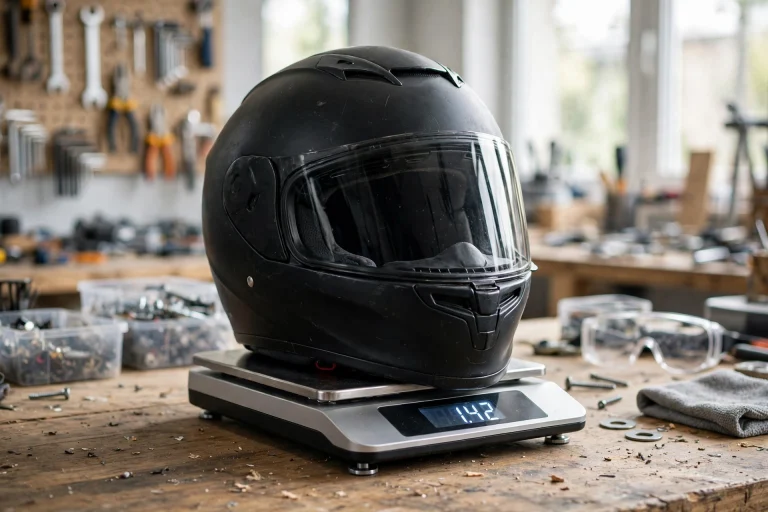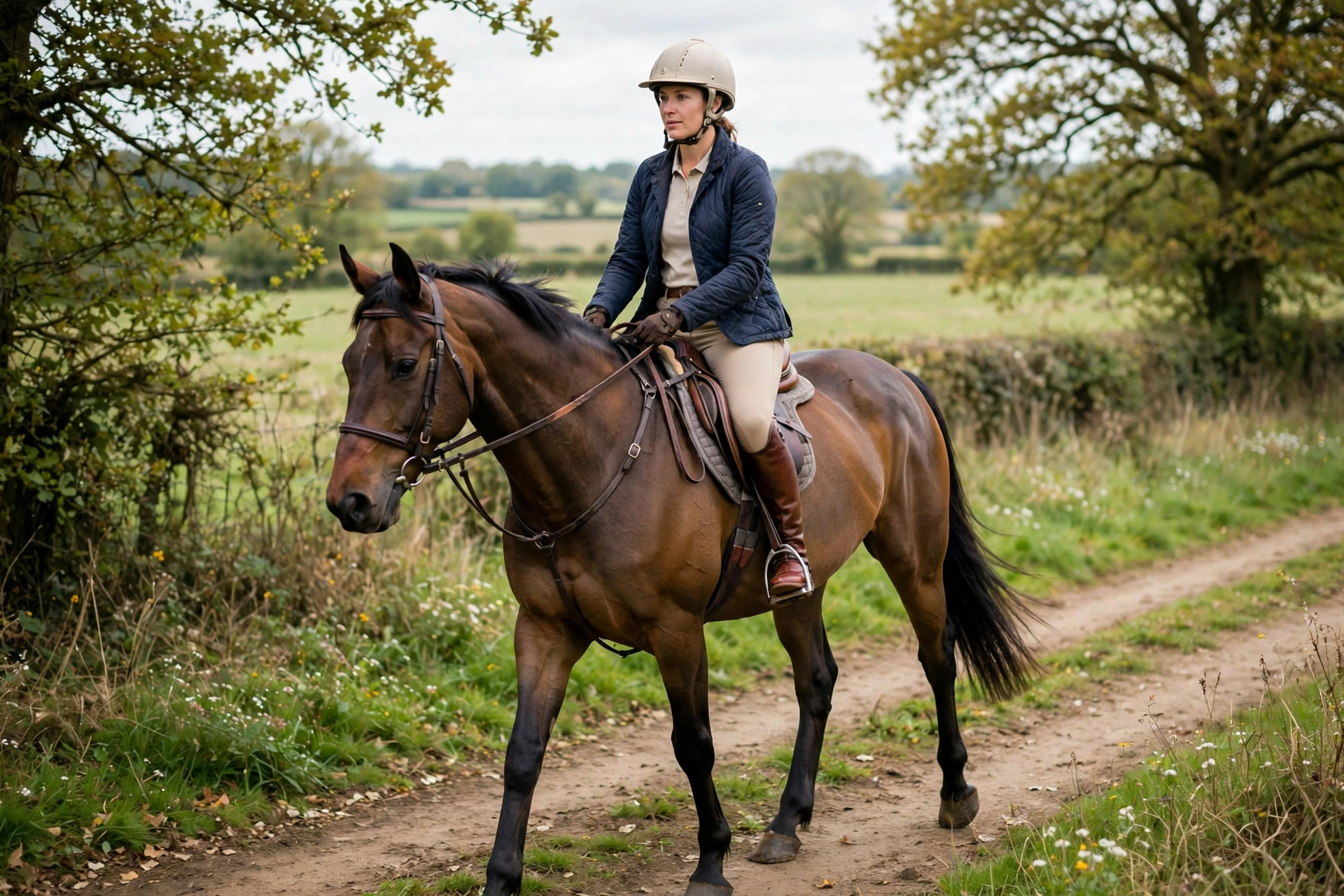
In general terms, helmet weight matters for horse riding — a lighter helmet can ease neck strain on long rides, feel more comfortable in the saddle, and make it easier to keep your head still and balanced, which is why many riders look for the lightest helmet that still fits well and meets the right riding standard.
A riding helmet sits on your head for the whole ride, and your head needs to stay balanced over your shoulders while the horse moves underneath you. A heavy helmet can pull your head forward or to one side, which affects your balance and your posture. This guide explains how helmet weight affects horse riders, and what to look for when you choose a riding helmet.
Why Does a Heavy Riding Helmet Cause Neck Strain?
When you ride, your neck muscles hold your head steady while the horse walks, trots, or canters. The horse’s movement is rhythmic, but it is not perfectly smooth, and your head moves slightly with every stride. A heavy helmet adds to the load on those muscles, and over a long ride that extra load can lead to tiredness, stiffness, and soreness in the neck and shoulders.
The effect is stronger for riders who are out for hours, such as those on a long hack or a full day at a competition. A helmet that feels fine for a twenty-minute lesson can feel heavy after two hours in the saddle. Riders with existing neck or shoulder problems may feel the difference even sooner, and for them a lighter helmet can make riding much more enjoyable.
Posture matters too. A heavy helmet can make it harder to keep your head up and your chin level, which is part of good riding position. If the helmet pulls your head down, you may find yourself looking at the horse’s neck rather than ahead, which affects your balance and your ability to see where you are going. A lighter helmet helps you hold a good position with less effort.
How Light Should a Horse Riding Helmet Be?
In general terms, lighter is better for riding, but there is no single weight that suits every rider. The right weight depends on your size, your neck strength, and how long you ride for. A helmet for a small child will naturally be lighter than one for an adult, simply because it is smaller, and that is as it should be.
When you compare helmets, hold them in your hands first, then try them on. A difference that feels small in the shop can feel much larger after an hour in the saddle. Walk around in the helmet for a few minutes, move your head from side to side, and look up and down. The helmet that feels lightest and most comfortable is usually the right one, provided it fits well.
Do not chase the lightest helmet at any cost. A helmet that is light because it has very thin padding may feel hard and uncomfortable, and a helmet that is too light for your head size may not fit properly. The goal is a helmet that is light enough to ride in happily, comfortable enough to wear for hours, and snug enough to stay in place if the horse moves suddenly.

Does a Lighter Riding Helmet Protect You Less?
Not necessarily. A lighter helmet is not automatically less safe, and a heavier helmet is not automatically safer. Protection depends on the helmet meeting the right safety standard for horse riding, fitting correctly, and being worn properly. In general terms, a light helmet that meets the standard and fits well will protect you better than a heavy helmet that fits badly or that you wear loosely because it is uncomfortable.
What matters most is the fit. A riding helmet should sit level, low on the forehead, and feel snug all round without pressing hard on your temples. It should stay put when you shake your head, and the chin strap should fasten snugly under your chin. A helmet that fits well will stay in the right place if you fall, which is what gives the best protection.
Check the safety standard for your country or riding organisation before you buy, and look for a label showing the helmet meets it. Then focus on weight, fit, and comfort. A helmet that meets the standard, fits well, and feels light enough for a long ride is a far better choice than a heavier one bought in the hope that weight means safety.
How Does Helmet Weight Affect Different Types of Riding?
For hacking out and leisure riding, where you may be in the saddle for hours, a light helmet makes the biggest difference. The longer the ride, the more you will notice the weight, and a lighter helmet helps you stay comfortable and relaxed. Ventilation matters here too: a helmet with good airflow will keep you cool on a warm day and feel lighter in practice.
For jumping and cross-country, where the horse moves faster and the rider’s head moves more, a helmet that stays stable matters as much as weight. A light helmet that wobbles is worse than a slightly heavier one that sits firmly. Make sure the helmet stays put when you move your head quickly, and that the strap holds it securely.
For dressage and showing, where the rider needs to hold a still, elegant position for a long time, a light, well-balanced helmet helps you keep your head steady without effort. The helmet should also look neat and fit well under a hat silk if you wear one. Try the helmet with the silk on, to make sure it still sits level and feels comfortable.
What Should You Look for in a Light Riding Helmet?
Start with fit and weight together. Try on several helmets in your size, and choose the lightest one that sits level, feels snug, and stays put when you move your head. Check that the ventilation works for the riding you do, and that the helmet feels comfortable with your hair tied back in the way you normally wear it.
Next, check the strap and the harness. It should fasten easily, sit snugly under your chin, and hold the helmet firmly without digging in. The padding inside should feel soft and even, without hard spots that press on your head. If you ride in hot weather, look for a helmet with vents that let air flow through.
If you are learning about how helmets handle different kinds of impact, reading about what MIPS is for helmets can help you understand one of the technologies used in modern helmet design. Weigh that alongside weight and fit, and remember that a helmet you are happy to wear for a whole ride is the one that will protect you when it matters.
Frequently Asked Questions
Q: Will a lighter riding helmet help with neck pain?
A: In general terms, yes, it can help. A lighter helmet puts less load on your neck muscles, which can ease tiredness on long rides — though fit and posture matter too, so try the helmet first.
Q: Are light riding helmets safe for jumping?
A: In general terms, yes, if the helmet meets the right riding standard and fits well. Weight alone does not decide safety — fit and the standard it meets are what matter most.
Q: Should children wear the lightest riding helmet available?
A: In general terms, yes, a light helmet is a good choice for children, because their neck muscles are smaller. Make sure it also fits correctly and meets the right standard.

Olivia
Writer at Helmet Today, covering helmet reviews, fit and riding safety.