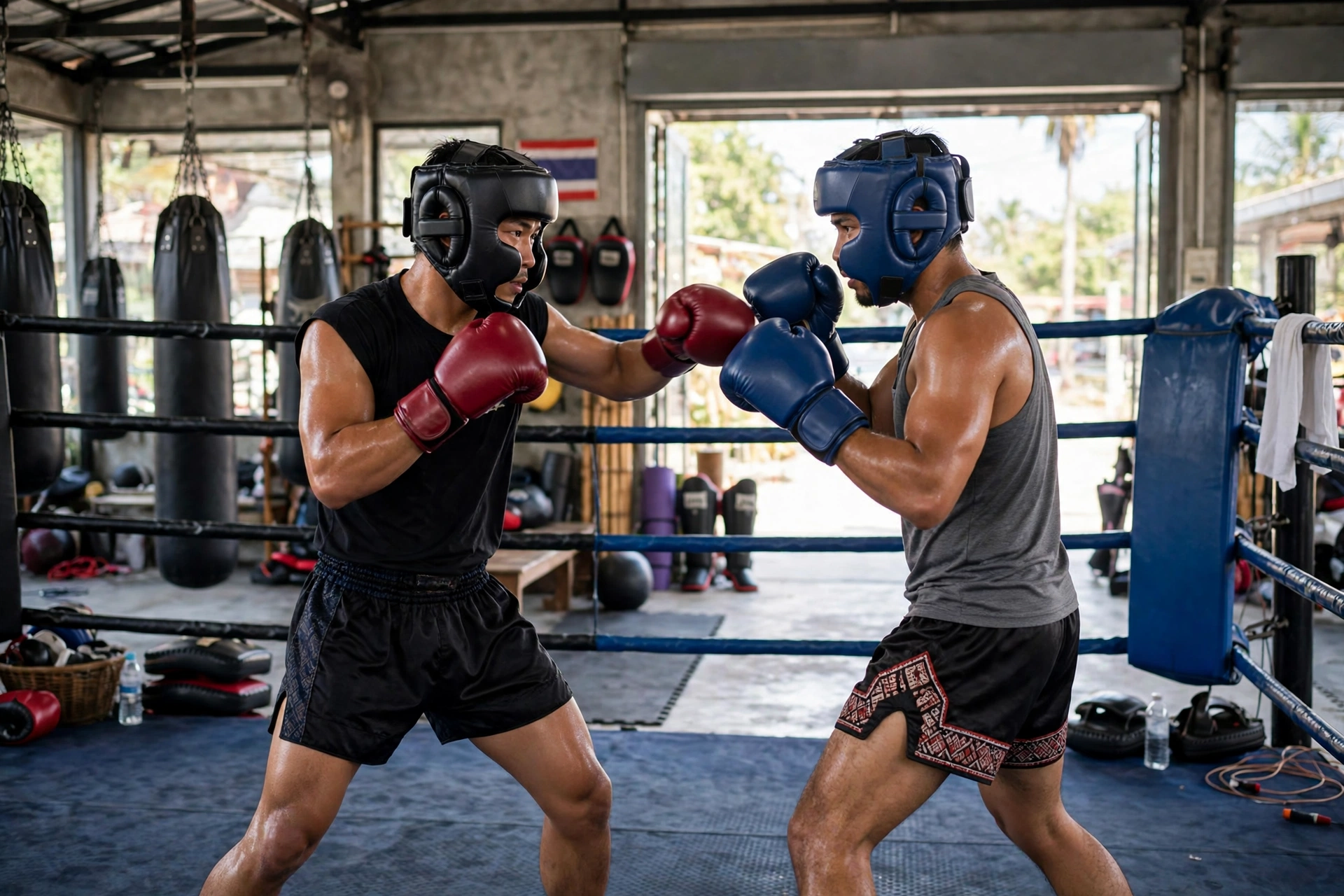
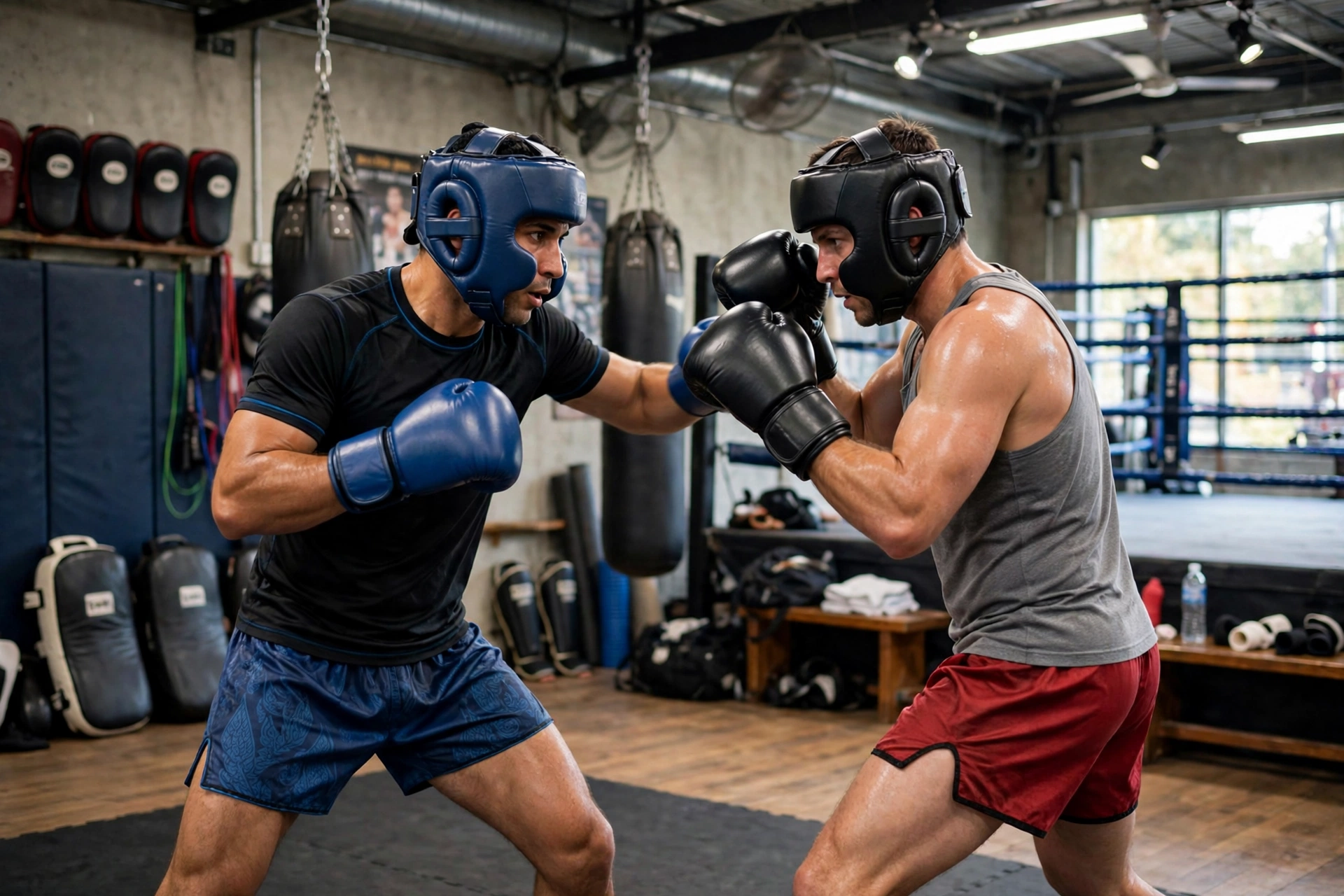
Yes, Muay Thai fighters wear headgear in training — Muay Thai headgear is padded head protection worn during sparring to reduce cuts and bruises, though it is not usually worn in professional fights. Muay Thai is a striking art from Thailand that uses punches, kicks, elbows, and knees. Headgear is a training tool, not fight equipment, and it is used to make sparring safer while fighters practise.
Muay Thai is often called the art of eight limbs, because it uses eight striking surfaces. Training involves pad work, bag work, and sparring with a partner, and sparring is where headgear matters most. This guide explains what Muay Thai headgear is, when it is worn, and how to choose a set that fits.
What Is Muay Thai Headgear?
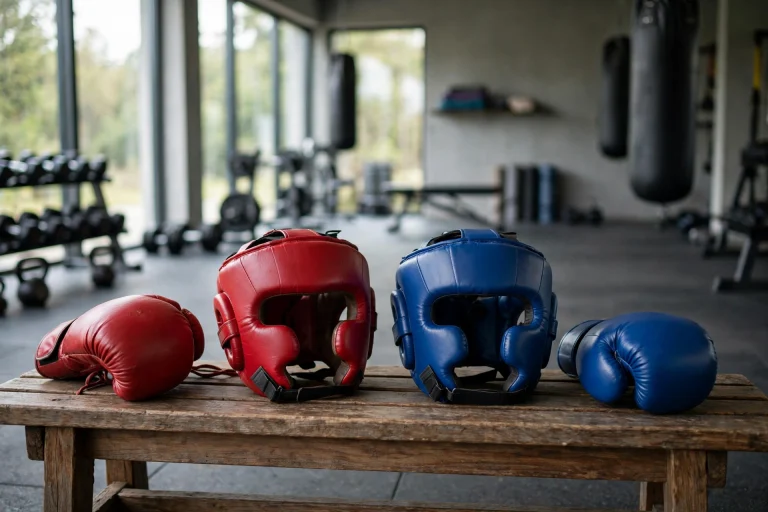
Muay Thai headgear is a padded guard that covers the top, sides, and back of the head, with padding across the forehead and cheeks. It is usually made from leather or a synthetic leather, with foam padding inside, and it fastens under the chin and at the back of the head. Some styles have a bar across the face for extra protection, while others leave the face open for better vision.
The headgear is designed to take the force of punches and elbows in sparring and to spread it across a wider area. The padding cushions the head and reduces the risk of cuts, especially around the forehead and cheekbones. It does not cover the whole face, and the chin and jaw are usually left open so the fighter can breathe and see clearly.
Unlike a helmet for cycling or water sports, Muay Thai headgear is soft and flexible. It is not built to protect against a fall onto a hard surface, and it is not a substitute for a hard-shell helmet. In general terms, it is sparring equipment, made to make training safer rather than to make the fighter invincible.
Why Do Muay Thai Fighters Wear Headgear in Training?
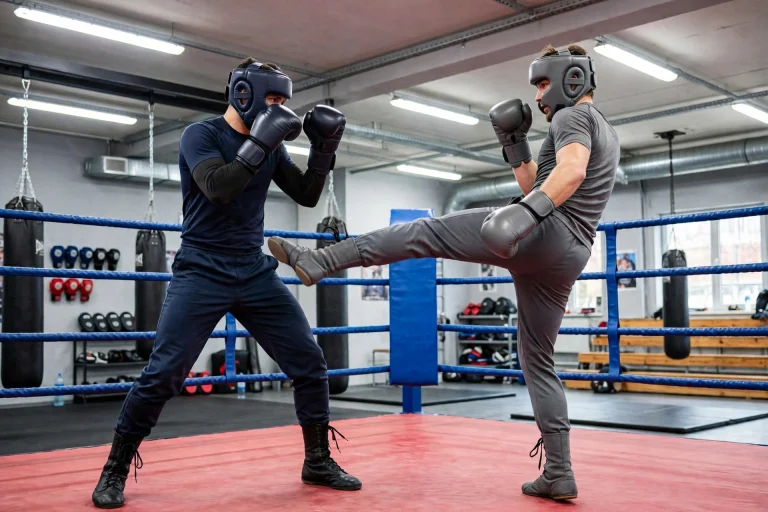
Muay Thai fighters wear headgear in sparring mainly to reduce cuts and bruises. Sparring involves light to moderate contact to the head, and even light punches can cause a cut if they land on the brow or cheekbone. Headgear spreads the force of a punch and covers the areas most likely to be cut, so fighters can spar more often without picking up injuries that would keep them out of training.
Headgear also helps with elbows and knees, which are part of Muay Thai. An elbow to the head can cause a serious cut, and the padding across the forehead and cheeks gives some protection. In general terms, headgear does not remove the risk, but it lowers the chance of a training injury that would interrupt a fighter’s preparation.
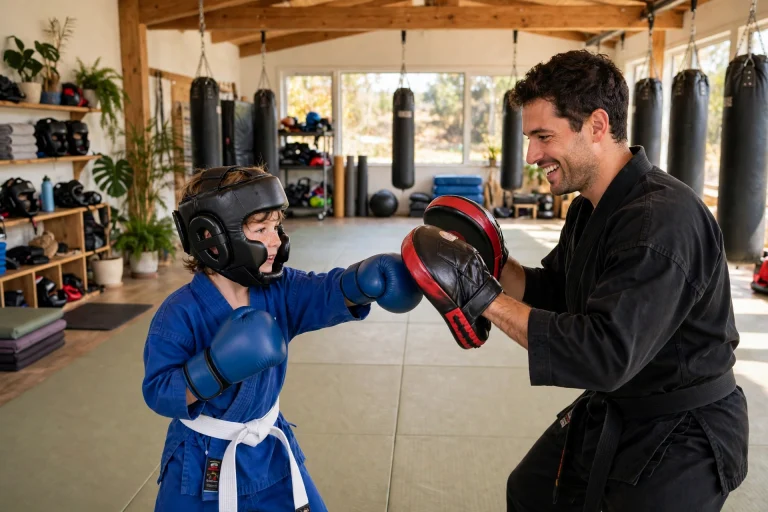
Some fighters also wear headgear for confidence. A beginner sparring for the first time may feel nervous about being hit, and headgear can make the experience less daunting. That confidence helps the fighter relax, move well, and learn, rather than tensing up and bracing for every punch.
Is Muay Thai Headgear Worn in Fights?
In general terms, no. Professional Muay Thai fights are fought without headgear, and amateur fights in many places are also fought without it, although rules vary by organisation and by age group. Headgear is a training tool, and fighters remove it when they compete, so they can see clearly and move freely.
Some amateur and junior competitions do require headgear, especially for younger fighters. In those cases, the headgear is usually a standard style approved by the competition, and fighters must wear the type specified in the rules. If you are competing, check the rules of your organisation before you buy, because the wrong style may not be allowed.
The difference between training and fighting is important. Headgear can change how a fighter moves and how they see, so fighters train without it sometimes too, to get used to fighting without the extra padding. In general terms, headgear is for sparring, not for competition, unless the rules say otherwise.
How Should Muay Thai Headgear Fit?
Muay Thai headgear should sit level on the head, covering the forehead without slipping down over the eyes. It should feel snug all round, without pressing hard on the temples or the back of the head. The chin strap should be fastened snugly, and the back strap should hold the headgear in place when you move. Shake your head from side to side: the headgear should move with your head, not slide about on its own.
The padding should cover the forehead and cheekbones, but it should not block your view. You need to see punches, kicks, and elbows coming, and headgear that narrows your vision can make sparring more dangerous, not less. Try the headgear on with hand wraps and gloves nearby, and check that you can breathe easily and move your jaw.
Children and smaller fighters need headgear sized for their head, not an adult set pulled tight. A set that is too large will move about and may not protect properly, while one that is too small will be uncomfortable and may not cover the head fully. If you are learning about how helmets handle different kinds of impact, reading about what MIPS is for helmets can help you understand one of the technologies used in modern helmet design.
How Do You Care for Muay Thai Headgear?
Muay Thai headgear needs regular care because it is used in close contact and gets sweaty. After each session, wipe the inside and outside with a clean cloth to remove sweat, and let it dry in the open air, not in a closed bag. Do not leave it damp in a gym bag for days, because that can lead to smells and worn padding.
Check the headgear often for signs of wear. Look for torn seams, flattened padding, straps that are frayed or have lost their grip, and leather that has cracked. Headgear that has lost its padding is less effective, and in general terms, padding that has become thin or hard should be replaced, because it may not protect as well as it once did.
Store the headgear somewhere cool and dry, away from heavy gear that could press on it. Do not leave it in a hot car or under a pile of gloves and pads. A set of headgear that is cleaned, dried, and checked after each session will last longer and protect better than one that is left sweaty and forgotten in a bag.
Frequently Asked Questions
Q: Does Muay Thai headgear prevent concussion?
A: No. Headgear reduces cuts and bruises, but it does not guarantee protection against concussion. A hard blow to the head can still cause injury, so any head knock in sparring should be taken seriously.
Q: Should beginners wear headgear for Muay Thai sparring?
A: Yes, in general terms beginners should wear it. They are still learning to defend and to control their distance, and headgear protects them while they build those skills in sparring.
Q: Can you wear boxing headgear for Muay Thai?
A: In many cases, yes. Boxing headgear is similar in design, but Muay Thai headgear is often made with elbows and clinch work in mind, so check that the style you choose covers the areas you need.

Olivia
Writer at Helmet Today, covering helmet reviews, fit and riding safety.