In general terms, a horse riding helmet lasts around five years from the date you first start using it, even if it still looks fine on the outside. That five-year guide applies to helmets that have never been in a fall, because the materials inside slowly lose their ability to absorb impact over time. If your helmet has taken a hard knock or a fall, it should be replaced straight away, however new it is.
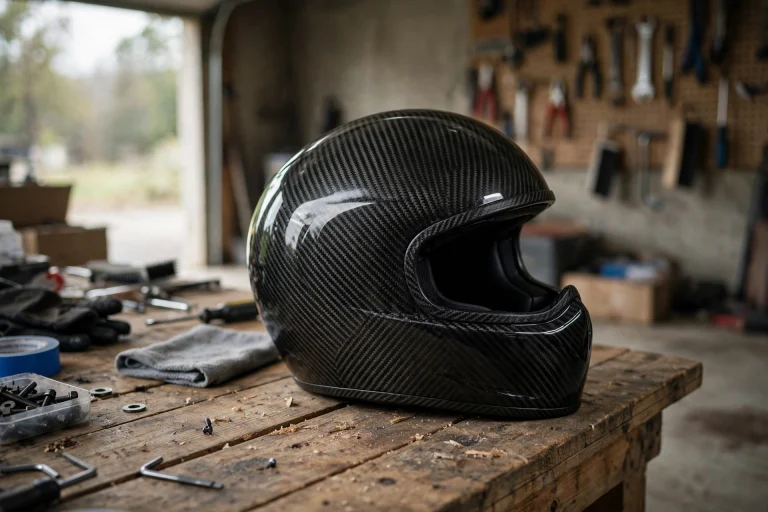
The lifespan of a riding helmet is not really about how it looks. The outer shell can stay glossy and unmarked while the protective foam inside has hardened, compressed, or weakened with age, heat, and sweat. This guide explains how long a horse riding helmet lasts in general terms, what shortens its life, the signs that it is time for a new one, and how to look after it so it lasts as long as it safely can.
How Long Does a Horse Riding Helmet Last?
Most helmet makers and riding bodies suggest replacing a horse riding helmet about five years after you first use it. The exact figure varies a little between brands, so it is worth checking the guidance that came with your own helmet. Some riders replace theirs sooner, especially if they ride every day or keep the helmet in a hot car or tack room. A helmet that is only used a few times a year may still need replacing after five years, because age alone affects the materials.
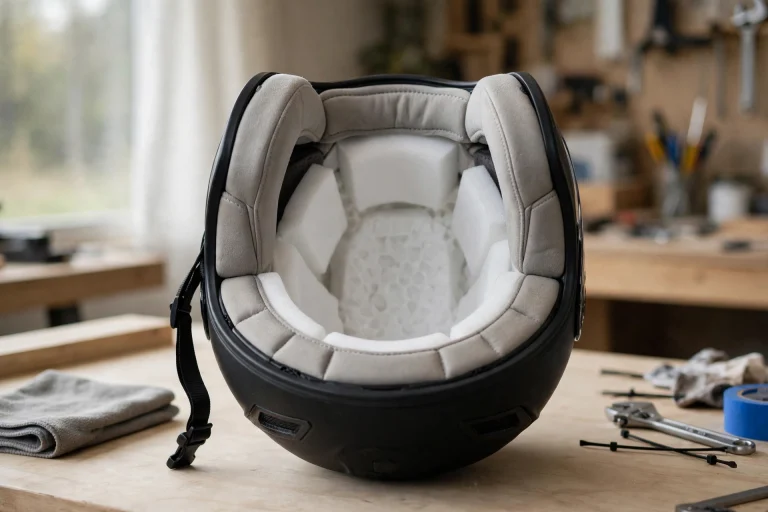
The reason for the five-year guide is the liner inside the helmet. Most riding helmets use a foam liner that crushes slightly on impact to absorb energy before it reaches your head. Over time, that foam can become brittle or compressed through normal wear, temperature changes, and exposure to sweat and sunlight. Once it has lost its spring, it cannot absorb energy as well as it once did, even though the outside of the helmet may show no sign of damage.
It also helps to think of the lifespan as starting from first use, not from the date of manufacture. A helmet that has sat unused in a cool, dry cupboard ages more slowly than one worn daily, but it still ages. If you are not sure when your helmet was first worn, look for a date stamp or label inside the lining, and keep a note of the purchase date when you buy a new one so you can judge its age honestly.
What Shortens the Life of a Riding Helmet?
Falls are the biggest reason to replace a helmet early. Any fall in which your head hits the ground, a fence, or a jump should be treated as a reason to replace the helmet, even if you cannot see a crack. The foam inside is designed to absorb one serious impact, and after that it may not protect you properly a second time. The same applies if the helmet is dropped hard onto a concrete yard or stepped on by a horse.
Heat and sunlight also take their toll. Leaving a helmet in a hot car, in direct sun on a stable door, or near a heater can soften or warp the shell and liner. Sweat, hair products, and cleaning chemicals can also break down the padding and straps over time. In general terms, a helmet that is used hard, stored badly, or cleaned with harsh products will reach the end of its safe life sooner than one that is treated gently.
Everyday knocks add up too. A helmet that is tossed into a tack box, knocked off a hook, or squeezed into a crowded boot bag will pick up small dents and pressure points. None of these may look serious on their own, but they can weaken the structure bit by bit. If you want to understand the technology inside a modern helmet, reading about what MIPS is for helmets can help you see how some designs add an extra layer of protection against angled impacts.

What Are the Signs a Riding Helmet Needs Replacing?
The clearest sign is any visible damage: a crack in the shell, a dent, a loose or frayed chin strap, or padding that has come away from the lining. If the helmet rocks on your head, feels loose, or no longer sits level, the fit has changed and it is probably time for a new one. A helmet that has become uncomfortable, perhaps because the padding has flattened, is also telling you it has worn out.
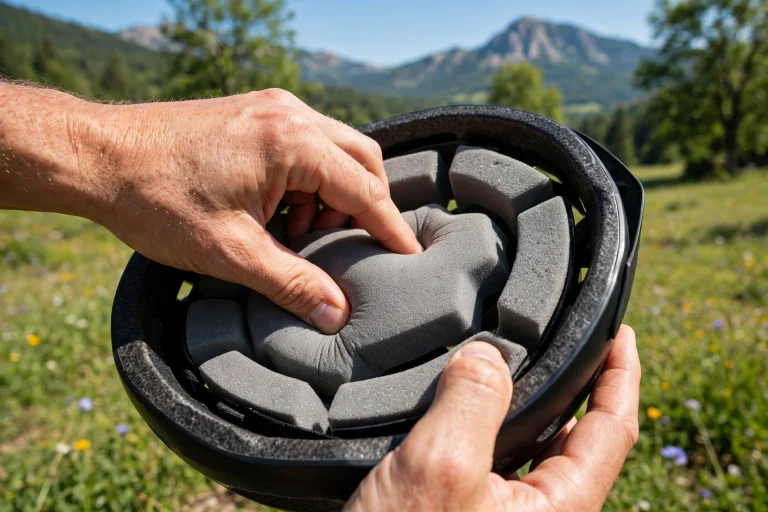
Other signs are less obvious. A helmet that smells strongly even after gentle cleaning, or one whose foam feels hard, crumbly, or uneven when you press it, has likely aged past its best. If you cannot remember when you bought it, or if it is more than five years old, that alone is a good reason to replace it rather than keep guessing.
How Should You Store a Riding Helmet to Make It Last?
Store your helmet in a cool, dry place away from direct sunlight, ideally in a padded helmet bag or on a shelf where it will not be knocked about. Keep it away from radiators, car boots on hot days, and damp tack rooms, because heat and moisture both speed up the ageing of the foam and straps. Let it air dry naturally after a sweaty ride before putting it away.
Avoid hanging the helmet by its chin strap, which can stretch the strap and distort the fit over time. Instead, rest it on its crown or keep it in its bag. Small habits like this do not make a helmet last for ever, but they do help it reach the end of its normal lifespan in good condition rather than wearing out early.
When Should You Replace a Riding Helmet After a Fall?
Replace it straight away. Even a fall that felt minor can damage the foam inside without leaving a mark on the shell. If your head touched the ground at all, assume the helmet has done its job once and retire it. Do not pass a fallen helmet on to another rider, and do not keep it as a spare for hacking out, because a spare that cannot protect you is worse than no spare at all.
If you are unsure whether a knock was hard enough to matter, err on the side of replacing it. A new helmet costs far less than a head injury, and most riders would rather replace a helmet too soon than ride in one they cannot trust. Keep the old helmet out of use once you have decided to replace it, so nobody picks it up by mistake.
Frequently Asked Questions
Q: How long does a horse riding helmet last?
A: In general terms, about five years from first use if it has never been in a fall. Replace it sooner if it is damaged, loose, or has taken a hard knock, and check the guidance from your helmet’s maker for its own recommended lifespan.
Q: Can I keep using a riding helmet after a fall if it looks fine?
A: No. The foam inside can be damaged by an impact even when the shell shows no crack or dent. A helmet that has protected you in a fall should be replaced straight away, however new it looks.
Q: Does a helmet that is rarely used still expire?
A: Yes, in general terms. The materials inside age even when the helmet sits unused, especially if it is stored somewhere hot or damp. A rarely used helmet should still be replaced after about five years from first use.

Olivia
Writer at Helmet Today, covering helmet reviews, fit and riding safety.