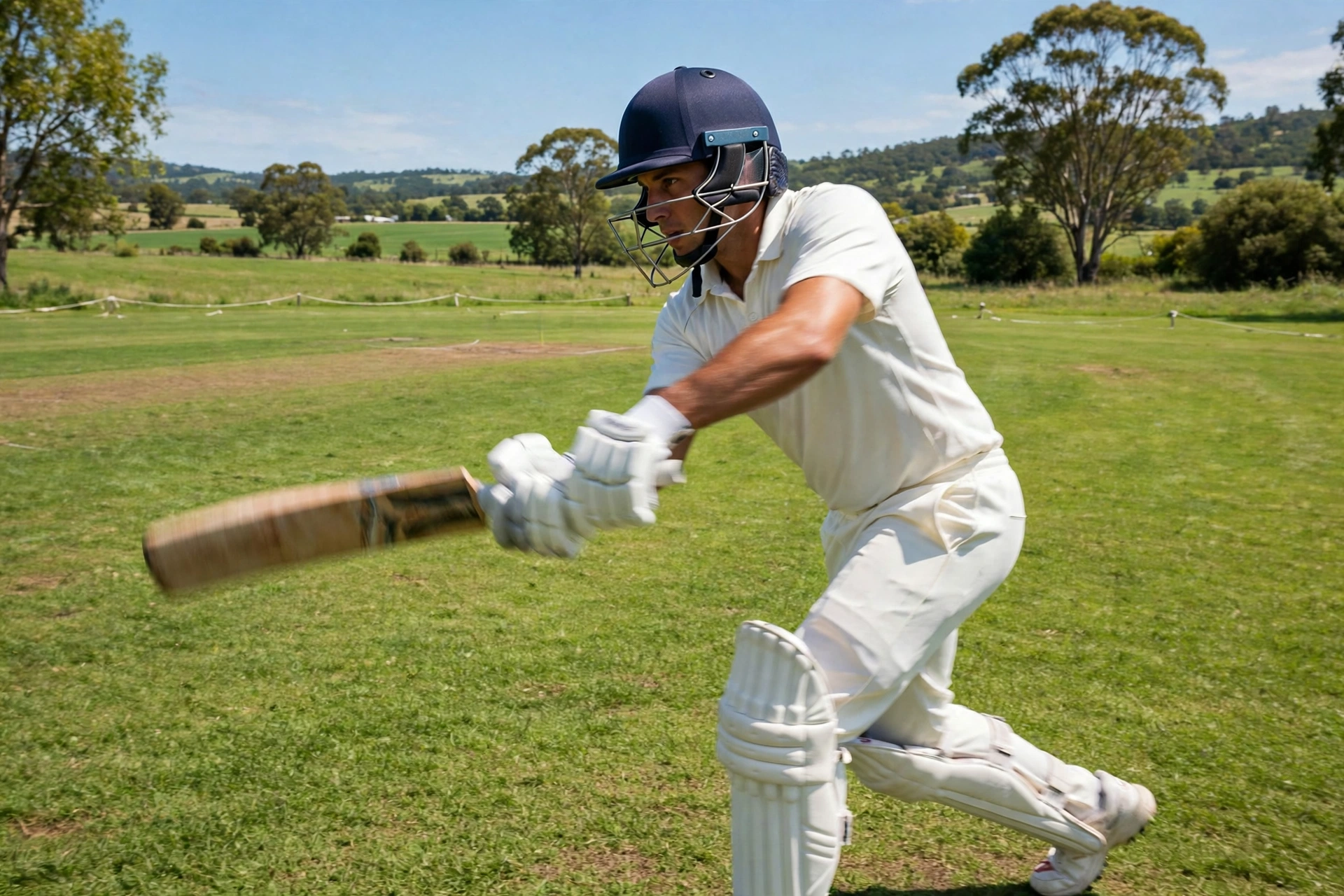
In general terms, the cricket helmet began as a simple protective cap worn by batters facing fast bowling, and it evolved over time into the full-face helmet with a grille that is now standard equipment in the game. Cricket is a sport where a hard leather ball can be bowled at high speed towards a batter’s head, and for much of the game’s history, batters had no protection at all beyond a cloth cap. The history of the cricket helmet is the story of how that changed — slowly at first, then quickly, as players, makers, and the game’s authorities learned how serious head injuries in cricket could be.
What makes the cricket helmet interesting is that it had to solve a very specific problem. A batter needs to see the ball clearly, move freely, and stay cool in the heat, while also being protected against a ball that can arrive with little warning. This guide traces the cricket helmet’s evolution in broad eras, from the days before helmets existed to the modern designs worn by professionals and amateurs alike.
How Did Cricketers Protect Their Heads Before Helmets?
For most of cricket’s early history, batters wore no head protection at all. A cloth cap was the standard headgear, and it offered no protection against a cricket ball. Batters relied on skill, quick reactions, and technique to avoid being hit, and many played their whole careers without a serious head injury. But the risk was always there, and a ball striking the head could cause serious harm.
As bowling became faster and more aggressive over time, the danger grew. Fast bowlers learned to aim short balls that rose towards the batter’s head and chest, and batters had to duck, sway, or hook the ball away — all while standing close to the stumps with little time to react. A moment’s misjudgement could mean a painful blow, and in the worst cases, a trip to hospital.
In general terms, the game was slow to accept that protection was needed. Cricket has a strong tradition, and many players felt that wearing a helmet went against the spirit of the game, or that it would make batters less brave. That attitude changed gradually as injuries mounted and players began to try homemade padding.
When Did the First Real Cricket Helmets Appear?
The first recognisable cricket helmets appeared when makers began to adapt ideas from other sports. Early designs were often simple: a hard shell that covered the top and sides of the head, sometimes with a basic faceguard added in front. They were heavier and less comfortable than modern helmets, and they limited vision and hearing more than players liked, but they offered real protection against a ball striking the head.
One of the key developments was the grille — the metal bars in front of the face that stop a ball from reaching the eyes, nose, and jaw while still letting the batter see through. Early grilles were simple and sometimes left gaps, but over time they became stronger, lighter, and better shaped, with bars spaced closely enough to stop a cricket ball while leaving a clear view of the bowler and the pitch.
At first, only a few players wore helmets, and they were often seen as cautious or unusual. But as more players tried them, and as helmet designs improved, the idea spread. Younger players who grew up wearing helmets saw them as normal, and older players who had been hit began to wear them too. If you are learning about how helmets handle different kinds of impact, reading about what MIPS is for helmets can help you understand one of the technologies used in modern helmet design, where managing the forces of an impact matters as much as the strength of the shell.
How Did Cricket Helmets Become Standard Equipment?
Cricket helmets became standard equipment in stages rather than all at once. The turning point was a growing awareness that head injuries in cricket were not rare accidents but a real and recurring risk, especially for batters facing fast bowling. Serious injuries, some of them widely reported, made players, coaches, and the game’s authorities take the danger more seriously than before.
Governing bodies and leagues began to encourage, and later require, helmets in certain situations — particularly for batters facing fast bowlers, for close-in fielders standing near the bat, and for young players learning the game.
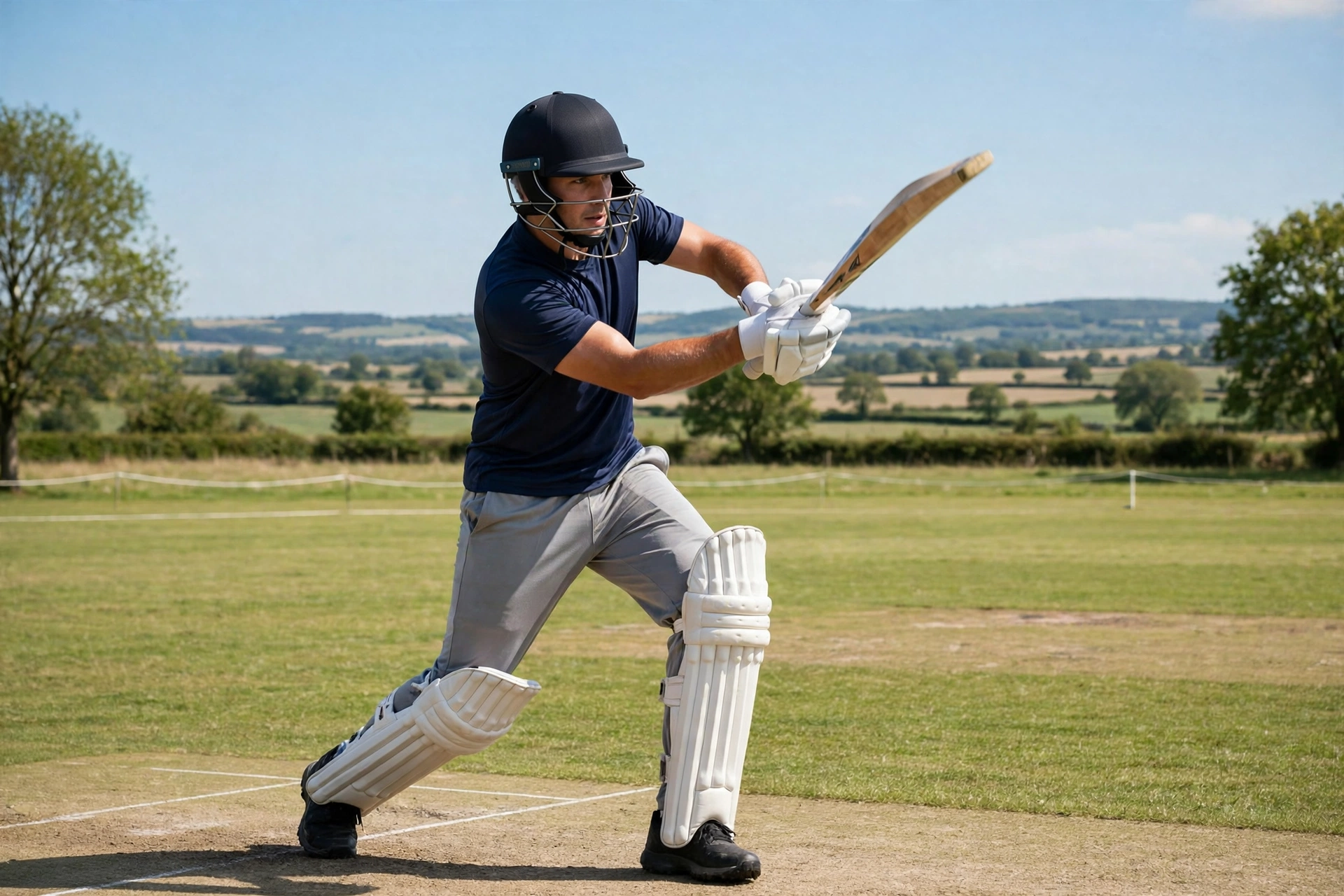
The result was a shift in culture. What had once been seen as unusual became normal, and then expected. A young cricketer today is likely to wear a helmet from their first season, and a professional batter facing fast bowling would be unusual without one. The helmet moved from being an optional extra to being part of the standard kit, like pads and gloves.
What Does a Modern Cricket Helmet Look Like?
A modern cricket helmet has a hard outer shell, usually made from a tough composite material, with a foam liner inside that cushions the head and absorbs the force of an impact. The shell covers the top, sides, and back of the head, and a metal grille protects the face. The grille is attached to the shell and shaped so that it sits close to the face without touching it, leaving a gap that helps absorb a blow.
Fit and comfort have improved greatly. Modern helmets have adjustable straps and padding that hold the helmet firmly in place without squeezing the head, and vents that let air flow through to keep the batter cool. Some designs include extra protection for the back of the head and neck, an area that became a focus after serious injuries showed how vulnerable it could be. Ear protection is also built in, shielding the side of the head while still allowing the batter to hear calls from their partner.
The helmet is also designed to stay in place. A cricket helmet that shifts when the batter moves is not only uncomfortable but also less protective, because the grille and shell may not be where they need to be when a ball arrives.
How Has the Cricket Helmet Changed the Game?
The cricket helmet has changed the game in several ways. Most obviously, it has made batting safer, and that safety has allowed batters to play with more confidence against fast bowling. A batter who trusts their helmet can focus on the ball rather than on the fear of being hit, and that confidence can change the way an innings is played.
It has also changed the way young players learn the game. A junior cricketer wearing a helmet can face bowling with less fear, which makes it easier to learn proper technique and enjoy the sport. Coaches can introduce faster bowling earlier, knowing that their players have real protection, and parents are more comfortable letting their children play a game that once seemed risky.
Frequently Asked Questions
Q: When did cricketers start wearing helmets?
A: In general terms, cricketers played without helmets for most of the game’s history and only began wearing recognisable helmets in the later part of the twentieth century, as faster bowling and serious injuries made the need for head protection clearer.
Q: What is the grille on a cricket helmet for?
A: The grille is a set of metal bars in front of the face that stops a cricket ball from reaching the eyes, nose, and jaw while still letting the batter see the bowler and the ball clearly through the gaps.
Q: Do all cricketers have to wear a helmet?
A: Rules vary by level and competition, but helmets are widely required or strongly encouraged for batters facing fast bowling, for close-in fielders, and for young players. Even where they are not compulsory, most players at higher levels wear one.

Olivia
Writer at Helmet Today, covering helmet reviews, fit and riding safety.