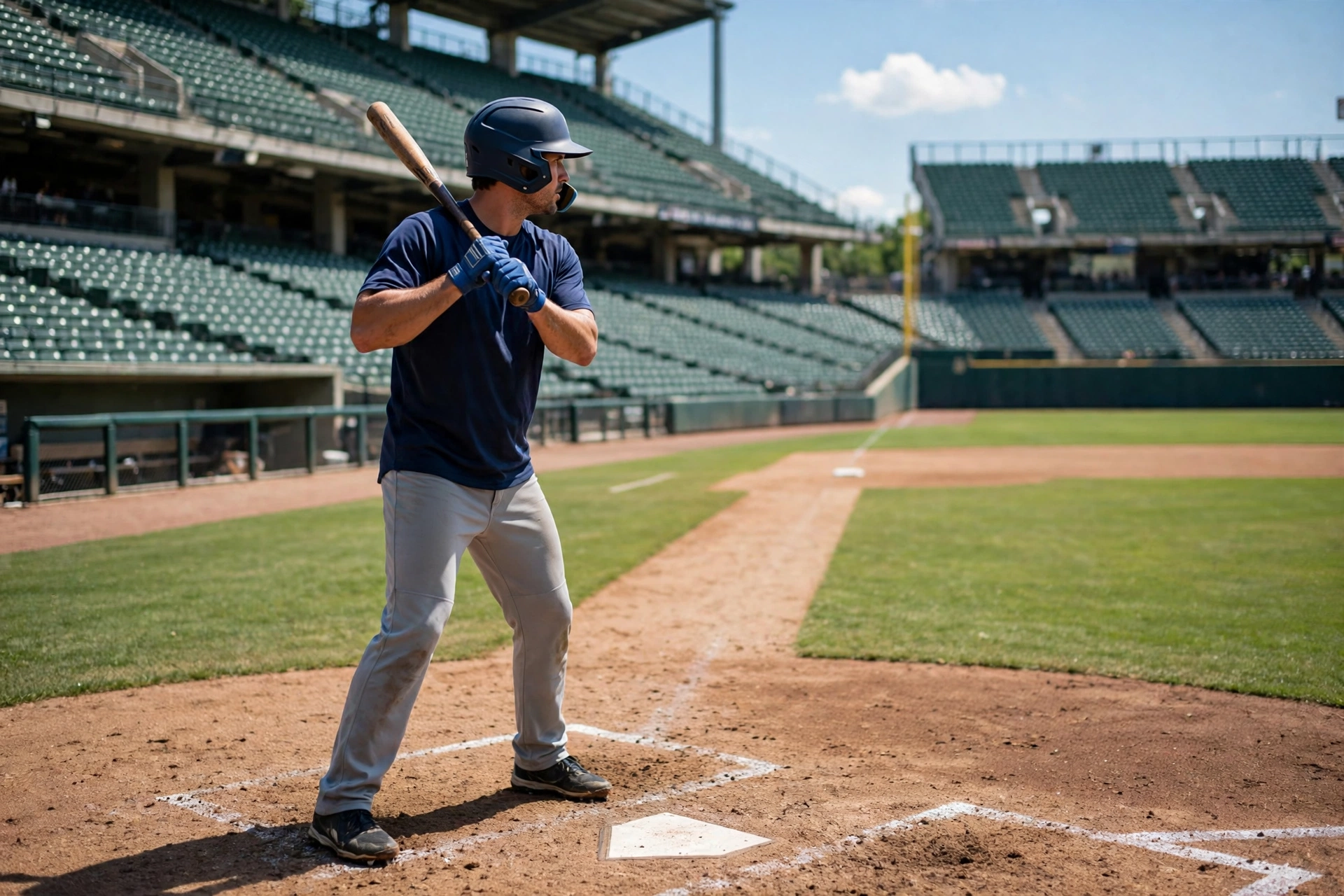
In general terms, the baseball batting helmet began as a simple protective cap worn by a few cautious players, and it evolved over time into the hard-shelled helmet with an ear flap that every professional batter now wears. Baseball is a sport where a hard ball is thrown at high speed towards a batter standing just a short distance away, and a pitch that gets away from the pitcher — or a ball fouled off the bat — can strike the head with serious force. The history of the batting helmet is the story of how baseball learned to protect its batters, one step at a time.
What makes the batting helmet interesting is that it had to be accepted by a sport with deep traditions and strong ideas about toughness. Early helmets were seen by many as unnecessary, and some players refused to wear them even after serious injuries showed the danger. This guide traces the batting helmet’s evolution in broad eras, from the days of the bare head to the modern designs worn at every level of the game today.
How Did Baseball Batters Protect Their Heads Before Helmets?
For the first decades of baseball, batters wore no head protection at all. A cloth cap was the standard headgear, and it offered no protection against a pitched or batted ball. Batters relied on quick reactions to dodge a wild pitch, and most of the time they succeeded — but not always, and the consequences of being hit in the head could be severe.
Pitchers threw hard, and the distance between the pitcher’s mound and home plate is short, so a batter has very little time to react to a pitch that comes inside. A ball that hits the head can cause a fracture, a concussion, or worse, and over the years a number of players suffered serious injuries that raised questions about whether something should be done. In general terms, the game was slow to act, partly because injuries were seen as part of the sport and partly because no one had yet designed a helmet that players were willing to wear.
Some players tried homemade padding, but a real change would need a purpose-built helmet that players were willing to wear.
When Did the First Batting Helmets Appear?
The first batting helmets were simple, lightweight shells that covered the top and sides of the head. Early designs were often made from fibre or plastic, and they were worn by a small number of players who had been injured or who were willing to try something new. They were not compulsory, and many players chose not to wear them, either because they found them uncomfortable or because they worried about how they would look.
Over time, the designs improved: makers added padding inside the shell and shaped the helmet so that it fitted more securely and stayed in place during a swing.
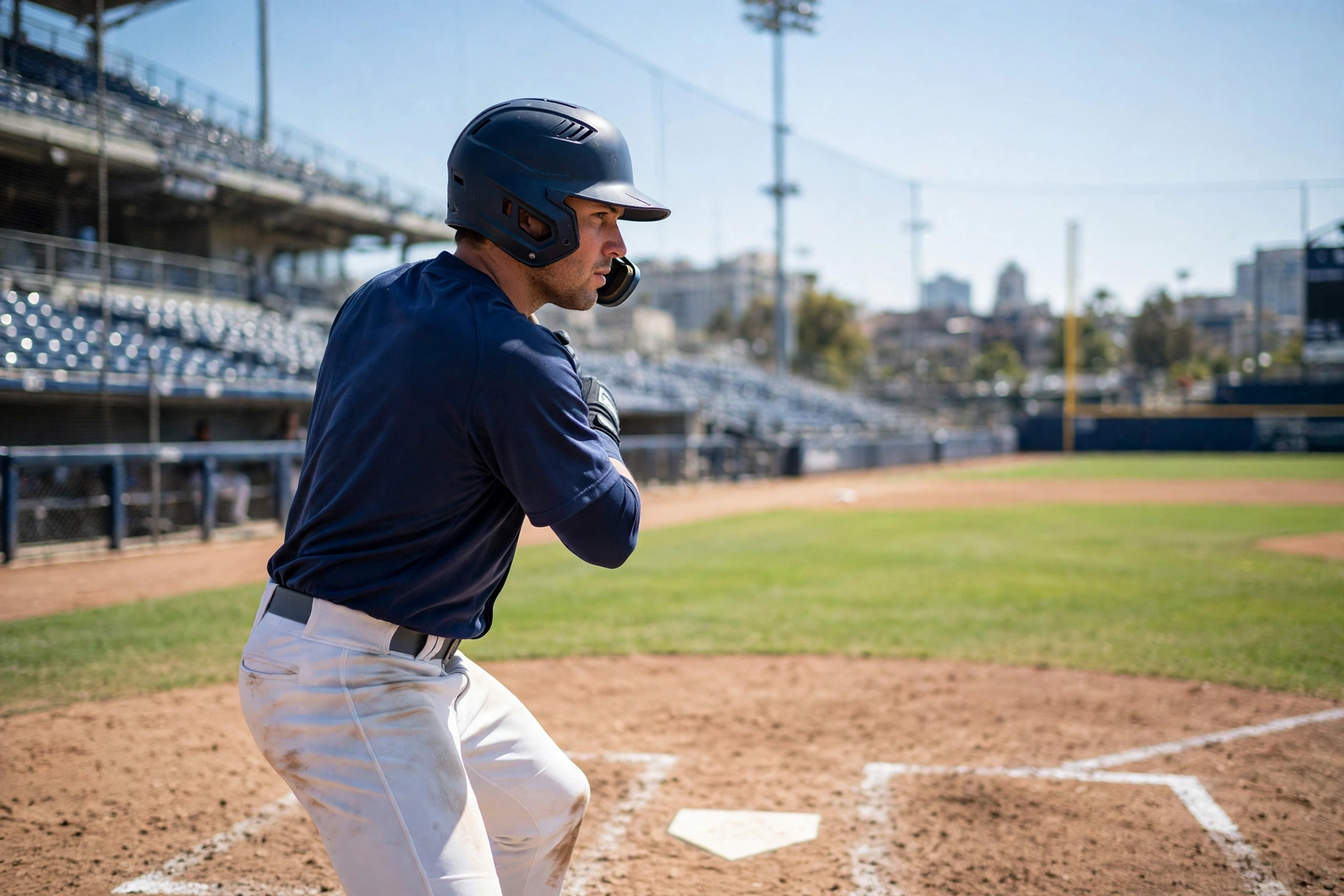
A key step was the addition of the ear flap, a curved extension on the side of the helmet facing the pitcher that protects the ear and the side of the head. Early helmets had no ear flap, and the ear was one of the most exposed areas. Once the ear flap appeared, it became a defining feature of the batting helmet, and over time it was extended and strengthened to cover more of the side of the head and the jaw.
How Did Batting Helmets Become Compulsory?
Batting helmets became compulsory in stages, and the change was driven by serious injuries as much as by design improvements. Each time a well-known player was badly hurt by a pitch, the case for helmets grew stronger, and leagues and teams began to take the issue more seriously. Coaches, doctors, and the game’s authorities pressed for rules that would require helmets, and players who had once resisted them began to accept that protection was sensible.
Professional leagues introduced helmet rules first for new players, and then more widely, until wearing a helmet became a normal part of batting at the highest level. Amateur and youth leagues followed, often moving faster than the professionals because the duty to protect young players was clearer. If you are learning about how helmets handle different kinds of impact, reading about what MIPS is for helmets can help you understand one of the technologies used in modern helmet design, where managing the forces of an impact matters as much as the strength of the shell.
The shift in culture was just as important as the rules. The helmet stopped being a mark of caution and became simply part of the uniform, like a glove or a pair of cleats. A batter stepping up to the plate without a helmet would now look incomplete, and the idea of batting bare-headed seems strange to a modern fan.
What Does a Modern Batting Helmet Look Like?
A modern batting helmet has a hard outer shell, usually made from a tough plastic or composite material, with foam padding inside that cushions the head and absorbs the force of an impact. The shell covers the crown, sides, and back of the head, and an ear flap on the pitcher’s side protects the ear and jaw. Some designs add extra coverage for the cheek or jaw, particularly for players who have been hit before or who want more protection.
Fit is central to the design. A batting helmet must stay firmly in place through the batter’s stance, swing, and run to first base, so modern helmets have adjustable padding and a snug shape that holds them steady without squeezing the head. Vents allow air to flow through, which helps keep the batter cool in the heat, and the helmet is shaped so that it does not block the batter’s view of the pitcher or the ball.
The helmet is also designed to be lightweight, using materials that are strong without being heavy, so a batter can wear it for a whole game without noticing it much.
How Has the Batting Helmet Changed Baseball?
The batting helmet has changed baseball most obviously by making batting safer. Batters can stand in the box with more confidence, knowing that a wild pitch is less likely to cause a serious head injury. That confidence matters, because a batter who is afraid of being hit will crowd the plate less, swing less freely, and play the game differently. The helmet has helped keep the balance between pitcher and batter that makes the game work.
It has also changed the game for young players. A child learning baseball today wears a helmet from the start, and that early habit means protection is never questioned — it is simply part of playing. Parents are more comfortable letting their children play, and coaches can teach proper technique without worrying that a young player will be badly hurt by a single wild pitch.
Frequently Asked Questions
Q: When did baseball batters start wearing helmets?
A: In general terms, batters played without helmets for the first decades of baseball and only began wearing purpose-built helmets later, with use spreading gradually as designs improved and leagues began to require them for new players.
Q: What is the ear flap on a batting helmet for?
A: The ear flap is a curved extension on the side of the helmet facing the pitcher. It protects the ear and the side of the head and jaw, which are among the most exposed areas when a batter faces a fast pitch.
Q: Do all baseball batters have to wear a helmet?
A: Rules vary by league and level, but helmets are required for batters in professional and most organised amateur and youth baseball. Even where they are not strictly compulsory, almost every batter wears one.

Olivia
Writer at Helmet Today, covering helmet reviews, fit and riding safety.