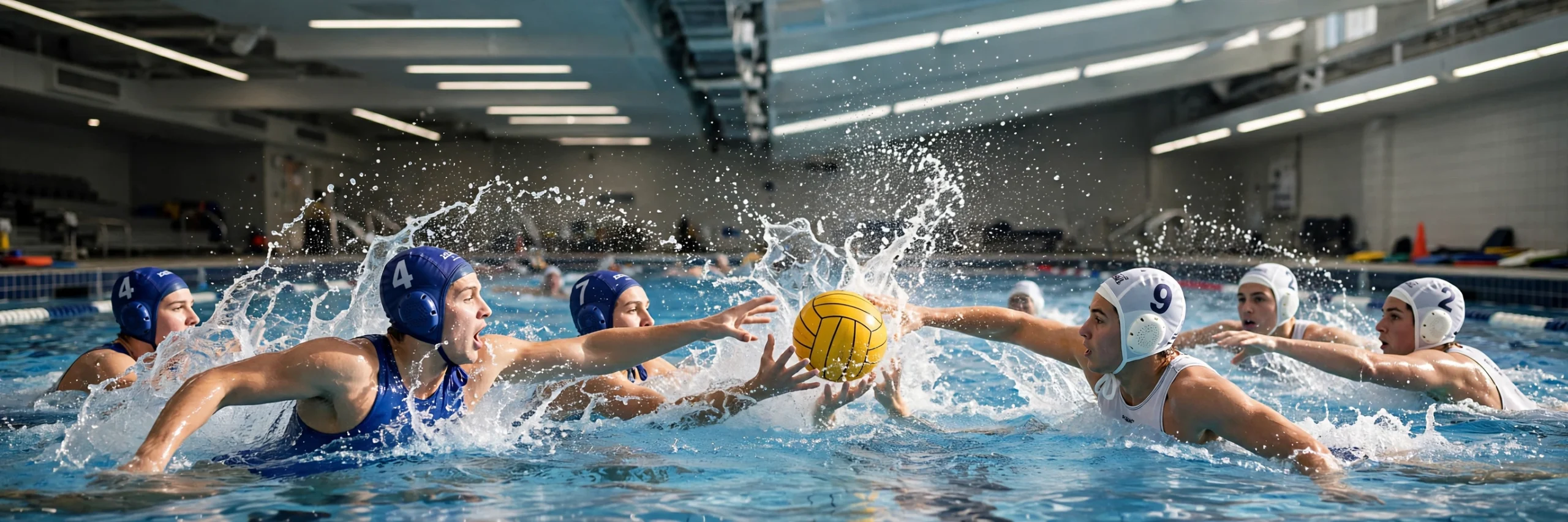
Water polo headgear is soft protective headgear — not a hard helmet — made from padded fabric with ear guards, worn by water polo players to protect the ears and head from knocks, grabs, and the ball during a match. It looks a little like a swimming cap with thick ear protectors, and it is designed for the water: it stays on in a fast, physical game, it does not fill with water and drag the player down, and it protects the ears, which are the part of the head most at risk in water polo.
Water polo is one of the toughest team sports in the water. Players swim, tread water, throw, block, and wrestle for the ball, all while opponents try to grab, push, and hold them. The ball is thrown hard, elbows and hands fly, and heads get knocked. Ear injuries are a particular worry, since a hard blow to the ear in the water can damage the eardrum. This guide explains what water polo headgear is, why players wear it, and how to choose and look after it.
What Is Water Polo Headgear Made Of?
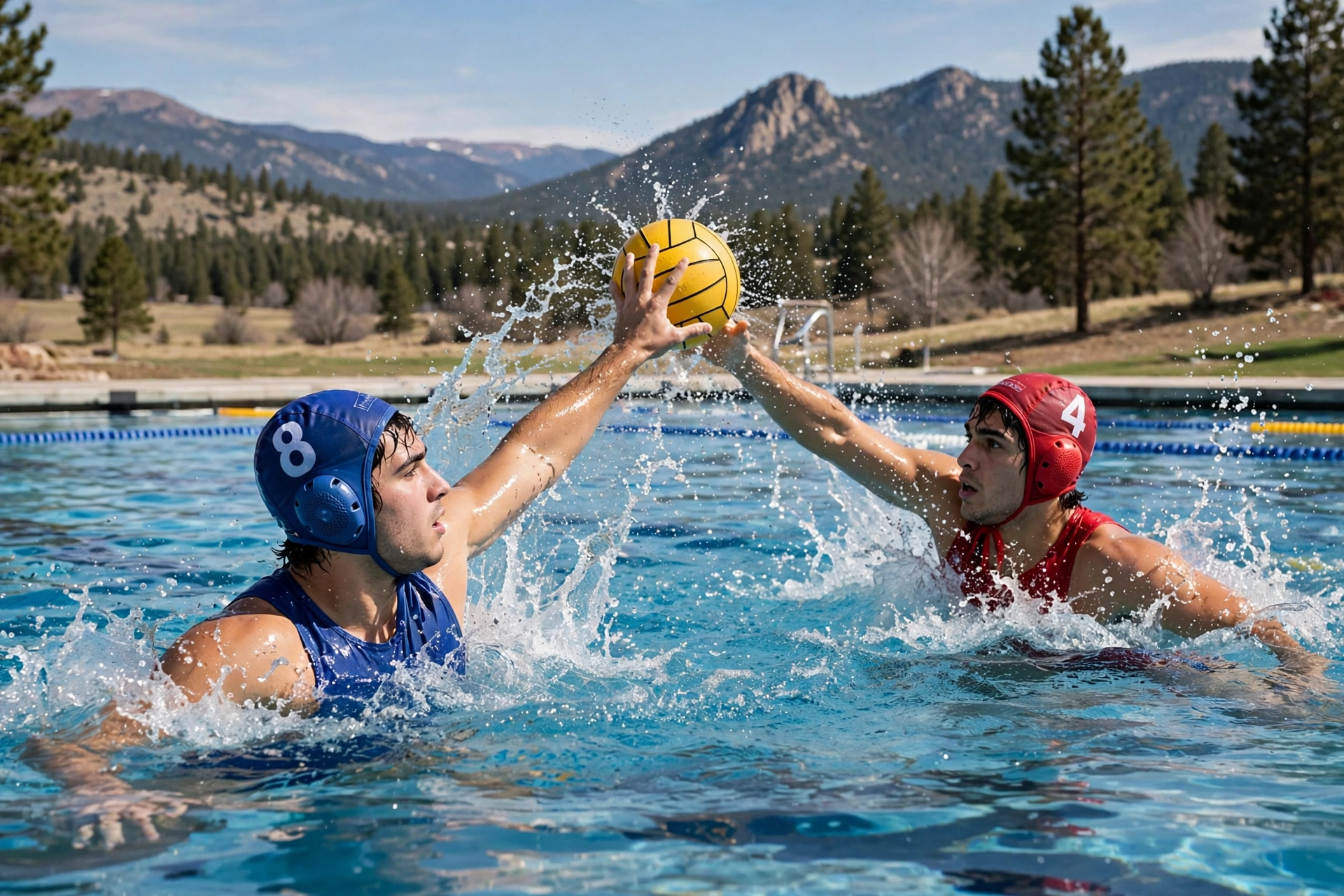
Water polo headgear, usually called a water polo cap, is made from a tough, stretchy fabric, often with padded panels over the ears. The ear guards are the most important part: they are thick, padded cups that cover the ears completely and are held in place by a chin strap. The cap itself fits closely over the head, with a strap under the chin to keep it from slipping off in the water.
Caps are numbered so that referees and spectators can tell the players apart. Each team wears a different colour — traditionally, one team wears white caps and the other wears dark caps — and the goalkeeper wears a different colour again, often red. The number is printed on the cap, and it is part of the player’s identity in the game, much like a shirt number in football.
Why Do Water Polo Players Wear Headgear?
The main reason is ear protection. In water polo, a player’s ears are exposed to blows from the ball, elbows, and hands, and to the pressure of water when a player is pushed under. A direct hit to the ear can cause pain and, in the worst cases, damage to the eardrum. The padded ear guards spread that force and keep fingers and the ball away from the ear itself.
There is also a team benefit. The numbered caps make it easy for teammates to spot each other in a fast game, and for the referee to identify who committed a foul. In a sport where players are mostly underwater and moving quickly, that visual identification matters a great deal.
How Do You Choose Water Polo Headgear?
Fit is the first thing to check. The cap should sit snugly over the head, covering the ears completely, with the chin strap fastened so the cap stays put when the player swims hard or is pushed under. If the cap slides around or comes off easily, it is too big or the strap is too loose. Most caps come in sizes, and some have an adjustable strap.
Check the ear guards carefully. They should be well padded, cover the whole ear, and sit flat against the head without gaps. The padding should be firm but not hard, and the fabric should be strong enough to survive regular use in chlorinated water. Cheaper caps may have thin ear guards that flatten quickly, so it is worth choosing a cap with solid padding.
Think about the level of play. Beginners and casual players need a basic cap that fits well and protects the ears. Players in organised leagues need a cap in their team colours with the right number, and they should check their league’s rules about cap colours and numbers before buying. Goalkeepers need a cap in the goalkeeper colour, which is usually different from the rest of the team.
How Should You Wear and Look After Water Polo Headgear?
Put the cap on so it covers the ears fully, pull the chin strap snug, and check that the cap does not shift when you shake your head. The strap should be tight enough to hold the cap in place but not so tight that it is uncomfortable. Before a match, check the straps and the ear guards for wear or tears.
After playing, rinse the cap in clean, fresh water to remove chlorine, and let it air dry away from direct sunlight. Chlorine breaks down fabric over time, so a good rinse after every session makes the cap last longer. Do not machine wash it on a hot cycle or tumble dry it, since heat can damage the fabric and the padding.
Replace the cap when the ear guards lose their padding, the fabric stretches out, or the strap no longer holds. A cap that slips off in the water is not protecting the ears, and a cap with flattened ear guards is not absorbing blows properly. In general terms, a cap that is worn regularly will need replacing sooner than one used only occasionally, so check it before each season.
Is Water Polo Headgear the Same as a Helmet?
No, and the difference matters. A hard helmet, such as a cycling or riding helmet, is designed to absorb a heavy impact from a fall onto a hard surface, and it has a rigid shell and a crushable liner. Water polo headgear has no hard shell, and it is not designed for that kind of impact. Calling it a helmet would give the wrong idea about what it can and cannot do.
Water polo headgear is designed for the risks of the pool: blows to the ear, grabs, and knocks from the ball and other players. It does that job well, but it would not protect a player in the same way a hard helmet protects a cyclist or a rider. Players should understand that distinction and not assume the cap makes them safe from every kind of head injury.
If you are interested in how hard helmets handle different kinds of impact, reading about what MIPS is for helmets can help you understand one of the technologies used in modern helmet design. That technology applies to hard helmets, not to soft water polo caps, but the basic idea — reducing the force that reaches the head — is the same goal in both cases.
Frequently Asked Questions
Q: Is water polo headgear a hard helmet?
A: No. Water polo headgear is soft protective headgear made from padded fabric with ear guards. It protects the ears from blows and grabs in the water, but it has no hard shell and is not designed to absorb heavy impacts like a cycling or riding helmet.
Q: Why do water polo players need ear guards?
A: The ears are the most vulnerable part of the head in water polo. A hard blow from the ball or an elbow can damage the eardrum, and fingers can hook into the ear during play. Padded ear guards spread the force and keep the ear covered.
Q: How do I know if my water polo cap fits properly?
A: It should cover both ears completely, sit snugly on the head, and stay in place when you shake your head or swim hard. The chin strap should be fastened snugly, and the cap should not slide around or come off in the water.

Olivia
Writer at Helmet Today, covering helmet reviews, fit and riding safety.