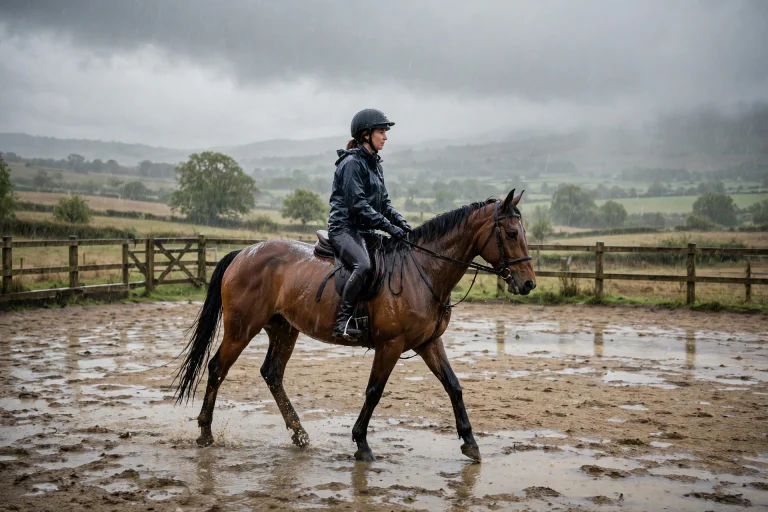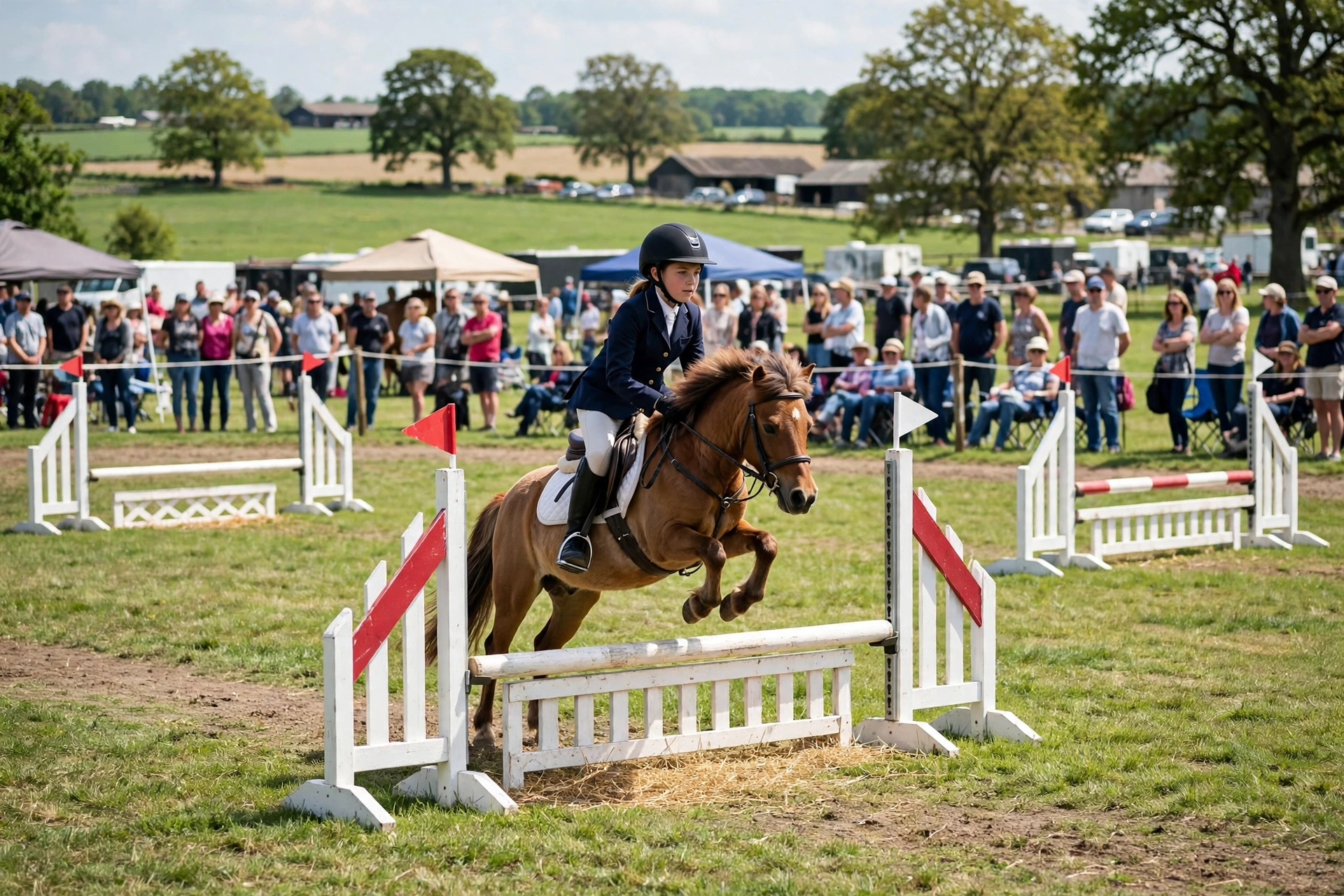
A helmet for beginner riding competitions is, in general terms, a properly fitted riding helmet that meets a recognised safety standard and complies with the competition’s own rules — and for a first competition, a simple, well-fitting helmet is all a beginner needs. Competitions add excitement and nerves to riding, and the helmet’s job is the same as ever: to protect the rider’s head if they fall, while staying comfortable and secure through the whole event.
A beginner’s first competition is usually a low-key affair: a walk-and-trot test, a small jumping class, or a friendly gymkhana at the local riding club. The jumps are low, the tests are simple, and the atmosphere is supportive. Even so, competing is different from a lesson — the rider is on their own in the arena, the horse may be more excited than usual, and nerves can affect balance. A helmet that fits well and is fastened properly gives a beginner one less thing to worry about. This guide explains what beginner competitions involve, what the helmet rules usually are, and how to prepare.
What Are Beginner Riding Competitions Like?
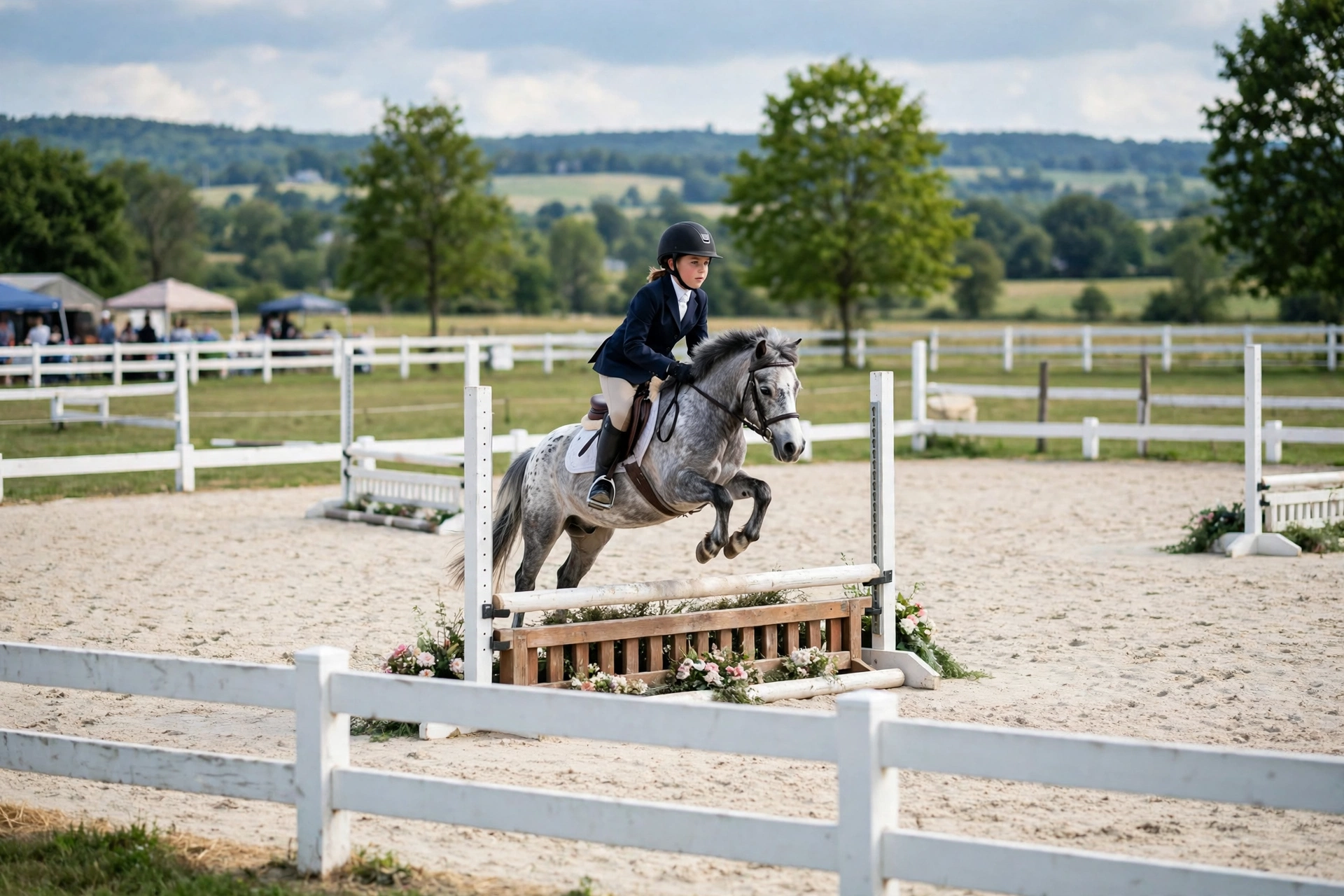
Beginner competitions come in many forms. Dressage tests for beginners ask the rider to ride a set pattern of walk, trot, and simple shapes in the arena. Show jumping classes for beginners use low fences, often with a straightforward course. Gymkhana events include fun classes such as bending races and egg-and-spoon races, which test balance and control at a gentle pace.
What these events have in common is that they are designed for riders who are still learning. The fences are low, the tests are short, and the judges expect mistakes. Most riders at this level are riding horses they know well, often the same horse they have lessons on, which helps keep things calm and predictable.
Even at this level, falls happen. A horse may spook at the judge’s car, refuse a fence, or trip on the arena surface, and a nervous rider may lose their balance. That is why helmets are required in almost all organised competitions, and why the rules about them are taken seriously.
What Are the Helmet Rules for Beginner Competitions?
Most competitions require a helmet that meets a recognised safety standard, and some also require a particular type of helmet or a specific standard. The rules are usually published in advance by the show or the governing body, so a beginner should read them before the day. If the rules name a standard, the helmet must meet it — a helmet that meets a different standard may not be accepted.
Some competitions also have rules about appearance. A plain, dark-coloured helmet is the usual choice for dressage and show jumping, while brighter colours may be allowed in gymkhana or fun classes. A helmet cover in a plain colour is sometimes used to keep the look neat. It is worth checking the dress code as well as the safety rules, so there are no surprises on the day.
The chin strap must be fastened whenever the rider is mounted, including during warm-up. Judges and stewards do check, and a rider with an unfastened strap may be asked to leave the arena. That rule is there for safety, and it is worth making fastening the strap a habit from the very first lesson, so it is automatic by competition day.
How Do You Choose a Helmet for a First Competition?
For a first competition, the helmet a beginner already uses for lessons is usually the right choice, provided it meets the competition’s rules and fits well. There is no need to buy a new helmet just for competing. What matters is that it is in good condition, fits snugly, and complies with the standard the show requires.
If a new helmet is needed, choose one that meets the required standard, try it on in person, and wear it for a few rides before the competition so it feels familiar. A helmet that is brand new on competition day can be a distraction, so it is better to break it in during lessons first. Check that it works with any hairnet or show clothing the rider plans to wear.
Comfort matters on competition day because nerves make everything feel worse. A helmet that presses or slips will be a constant distraction in the arena. Take time over the fit: the helmet should sit level, about two fingers above the eyebrows, and stay put when the rider shakes their head. If you are curious about how helmets handle different kinds of impact, reading about what MIPS is for helmets can help you understand one of the technologies used in modern helmet design.
How Should a Beginner Prepare for Competition Day?
Preparation starts before the day itself. Read the schedule, check the start time, and make sure the helmet, boots, and show clothes are clean and ready. Arrive early enough to settle the horse, walk the course or the arena, and warm up calmly. Rushing adds nerves, and nerves make falls more likely.
On the day, check the helmet before mounting: shell undamaged, straps in good order, buckle working, and strap fastened. Warm up in the same way as in a lesson, and keep the warm-up simple — a few circles, some transitions, and a practice fence or two if jumping. The aim is to feel settled, not to tire the horse out.
It also helps to have a plan for nerves. Every rider gets nervous before a competition, and beginners are no exception. Breathing slowly, focusing on the next movement rather than the whole test, and remembering that the judge is there to help, not to punish, all make the ride easier. A helmet that fits well and is forgotten about once the test starts is doing its job perfectly.
What Happens After a First Competition?
After the class, the rider should thank the horse, cool it down, and check the helmet and tack. If there was a fall, the helmet should be checked carefully and replaced if there is any doubt about its condition. Even without a fall, the helmet will have had a busy day, so give it a wipe and a check before putting it away.
Many beginners find that their first competition makes them want to do more. That is the time to think about whether the current helmet still fits well and still meets the rules for the next level of competition. As a rider moves up, the rules may change, and the helmet may need to be checked against the new requirements.
Most of all, a first competition should be fun. The result matters less than the experience of riding in front of a judge, following a course, and finishing the test. A beginner who finishes their first competition safely, with a helmet that did its job quietly in the background, has had a good day.
Frequently Asked Questions
Q: Do I need a special helmet for my first riding competition?
A: In general terms, no — the helmet you use for lessons is usually fine, provided it meets the competition’s safety standard and fits well. Check the show’s rules in advance, since some events name a particular standard.
Q: Can I wear my normal riding helmet for dressage and jumping?
A: Yes, a standard riding helmet that meets the required standard is suitable for both dressage and jumping at beginner level. Check the dress code for colours, since some shows prefer plain, dark helmets.
Q: What should I do if I fall during a competition?
A: Tell the steward or judge, and have the fall checked by the first aider if there is any doubt. Check the helmet afterwards and replace it if it took a heavy knock, even if the shell looks fine.

Olivia
Writer at Helmet Today, covering helmet reviews, fit and riding safety.