Do You Need a Helmet for Groundwork and Lunging?
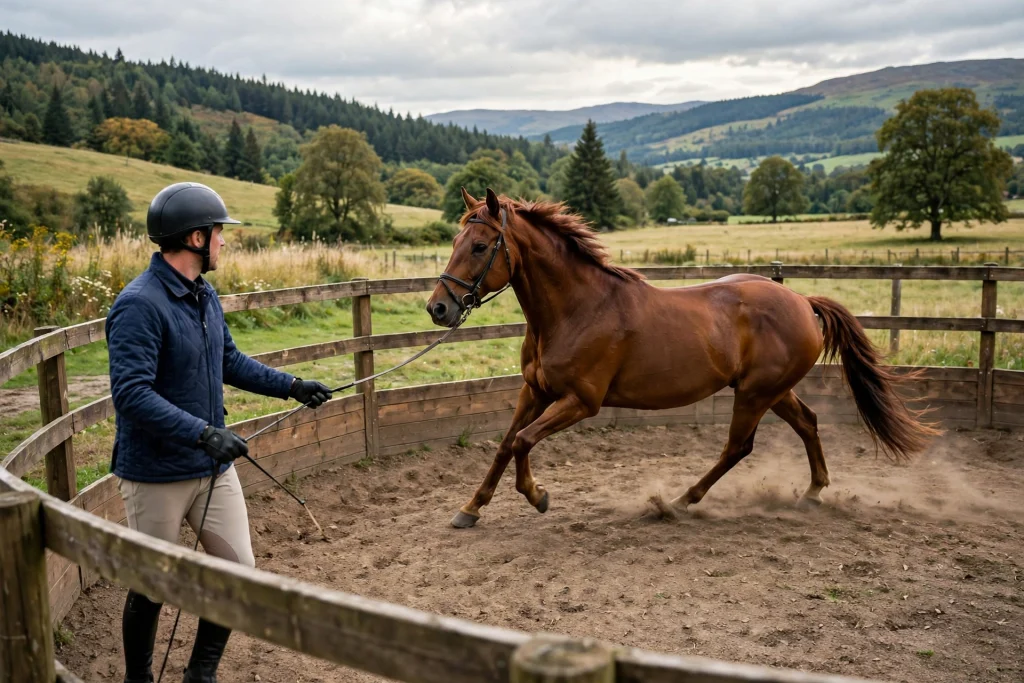
You do not have to be riding to be hurt by a horse, so in general terms wearing a helmet for groundwork and lunging is a sensible choice, especially with young, fresh, unfamiliar, or…
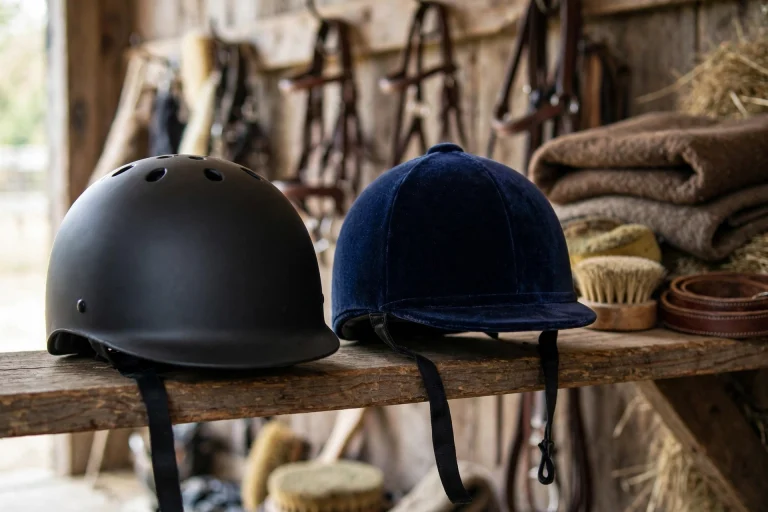

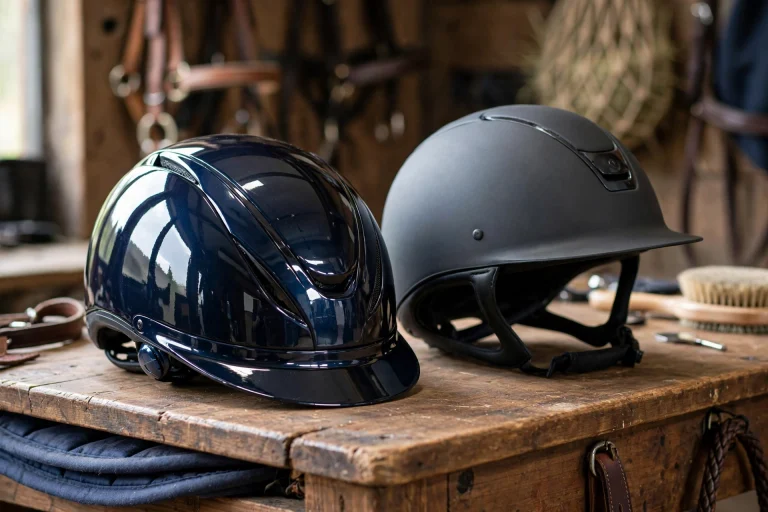
In general terms, the difference between schooling and show helmets is appearance and finish, not safety: both should meet the same recognised…
To stay warm in a riding helmet in winter, add warmth around the helmet rather than bulk under it: use only a…
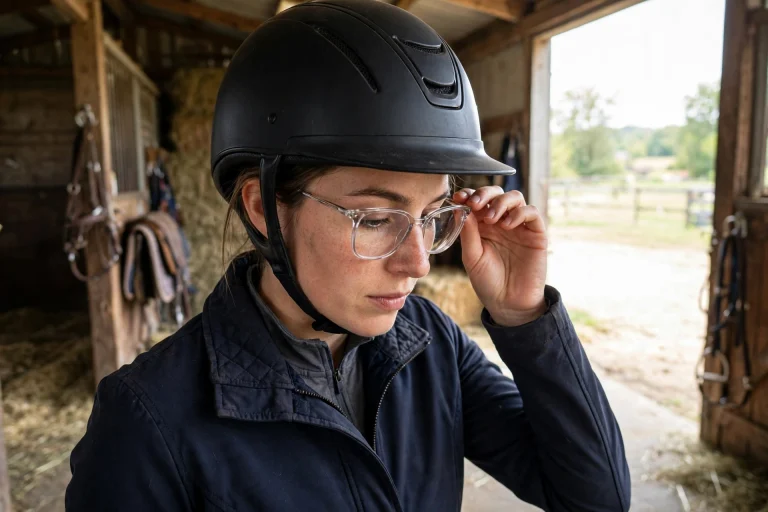
You can wear glasses with a riding helmet by choosing slim, straight arms that slide on after the helmet is in place,…
In general terms, pony club and youth competition helmet rules require a properly fitted, safety-certified riding helmet with the harness fastened correctly…
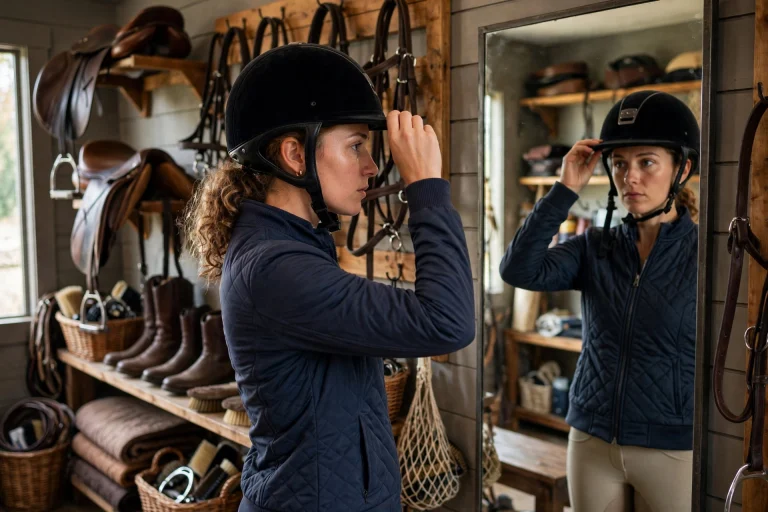
A riding helmet is too small if it perches high on your head instead of sitting level, presses painfully at one or…
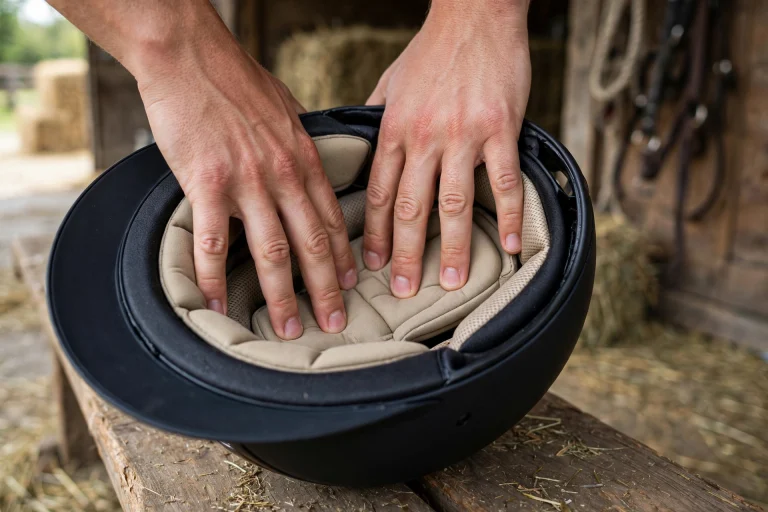
A new riding helmet does not really “break in” like leather boots — the impact foam does not soften or mould to…
Not necessarily: an expensive riding helmet is not automatically safer than a budget one, because every certified helmet — at any price…
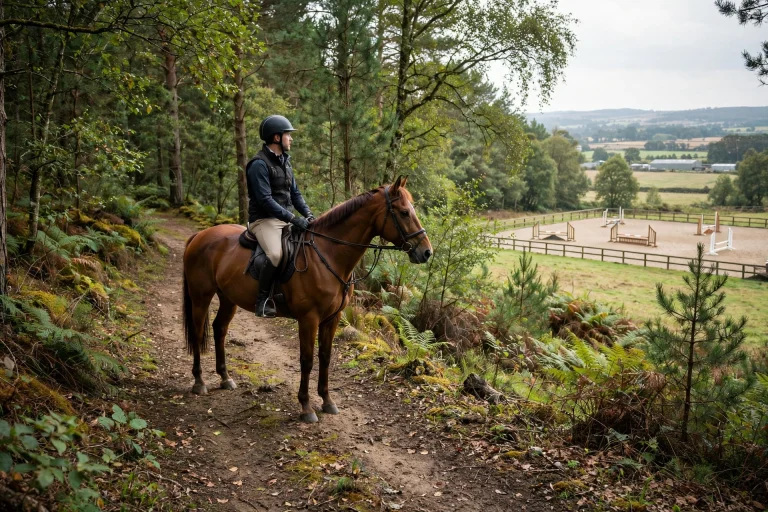
There is no safety difference: trail riding and schooling call for the same certified, correctly fitted helmet, because the protection standard does…
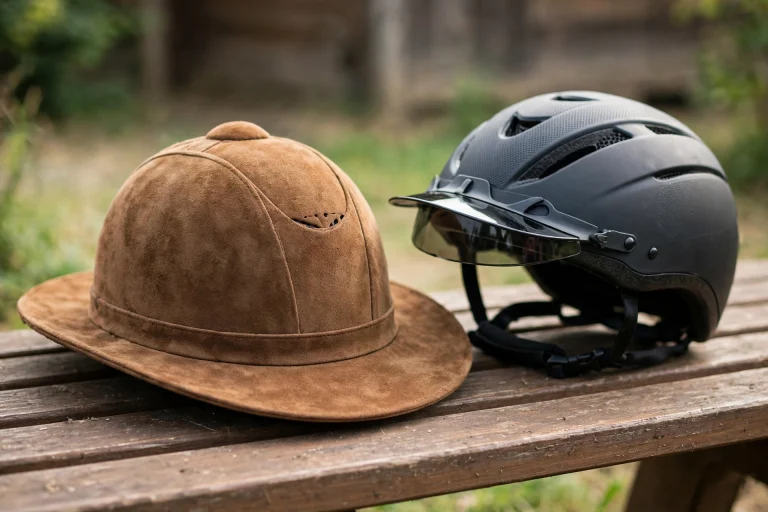
Neither a fixed brim nor a removable visor is safer — both are flexible peaks fitted to certified helmets that pass the…