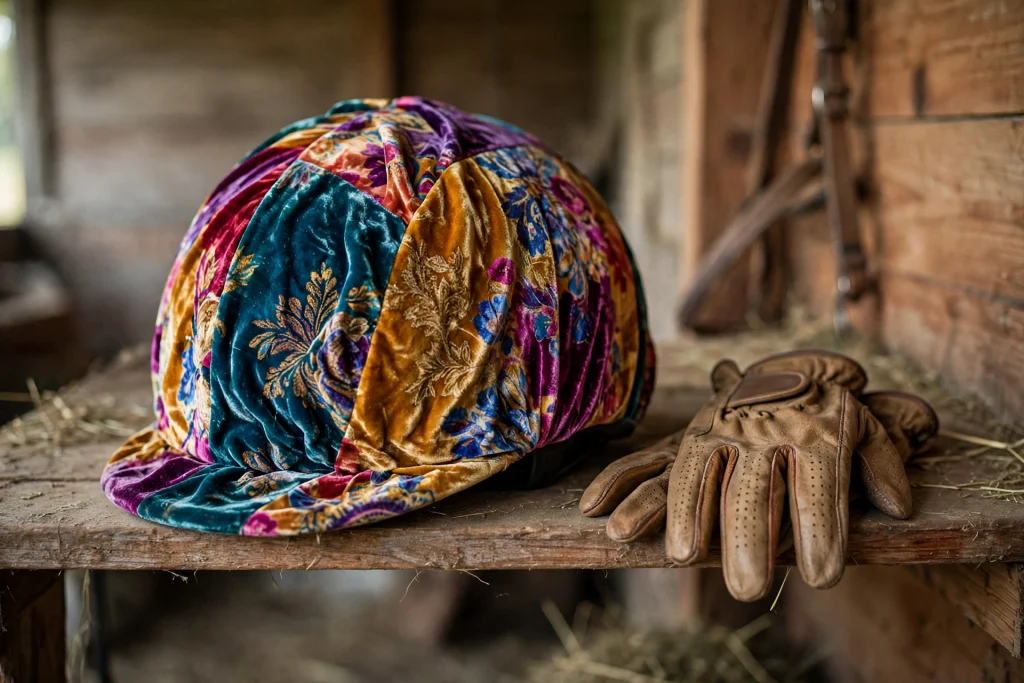
Riding Helmet Covers and Silks: What Are They For?
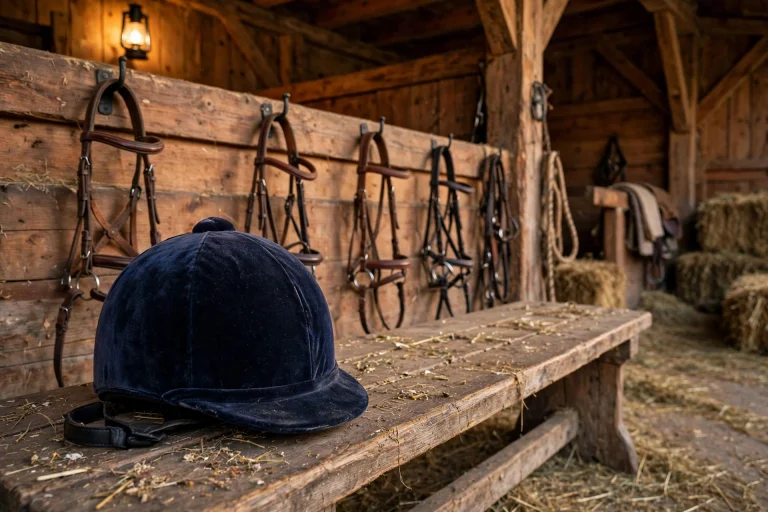
Riding helmet covers and silks are fabric covers that slip over a helmet — most often a peakless skull cap — to add colour, team or racing identity, a smart traditional finish, and a…
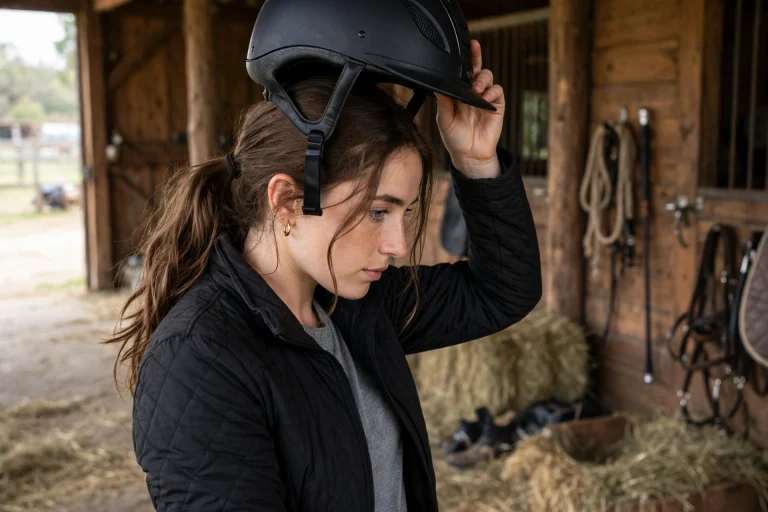
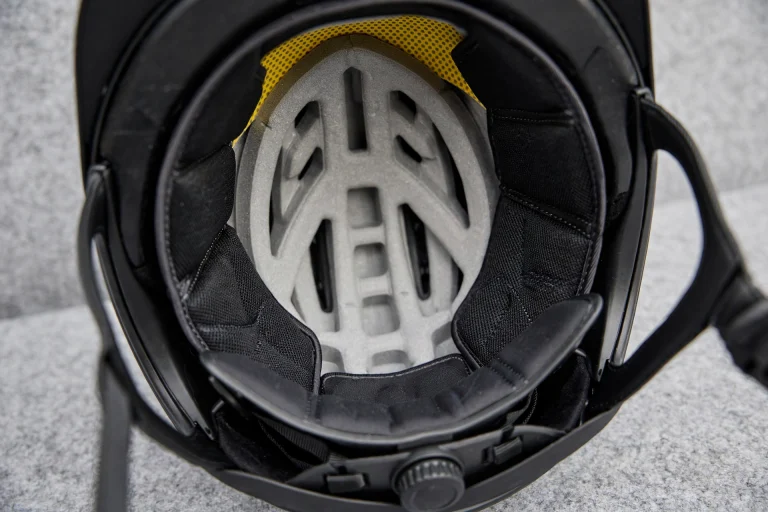
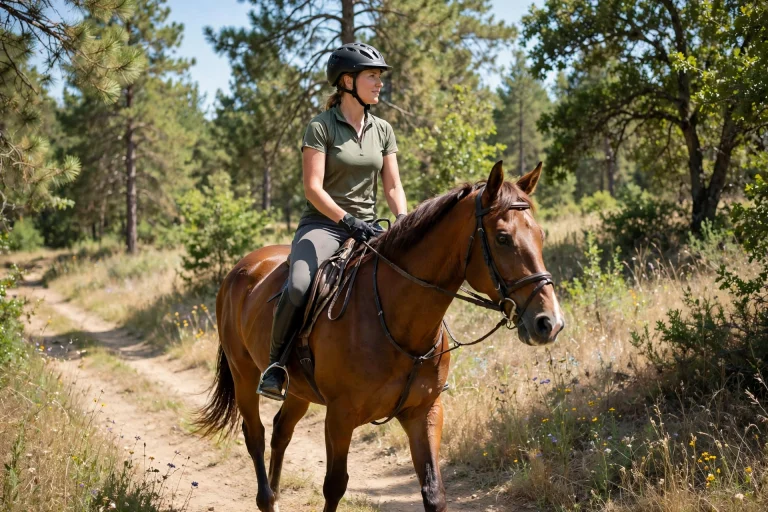
Wear your hair flat and low under a riding helmet: brush it smooth, gather it into a low ponytail at the nape…
For most riders, yes — a MIPS-equipped riding helmet is worth it if it fits you well and the price difference is…
To fit a child’s riding helmet correctly, choose the right size for their head measurement, sit the helmet level about a finger’s…
To choose a riding helmet for hot weather, pick a certified helmet with plenty of vents, a light-coloured or reflective shell, a…
In general terms, the helmet rules for both dressage and show jumping now come down to three requirements: the helmet must be…
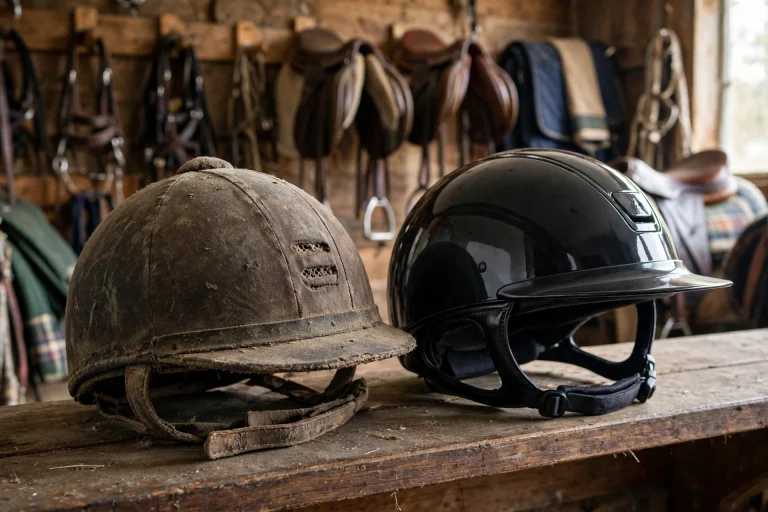
A skull cap is a jockey-style riding helmet with no fixed peak, usually worn under a thin fabric cover — a silk…
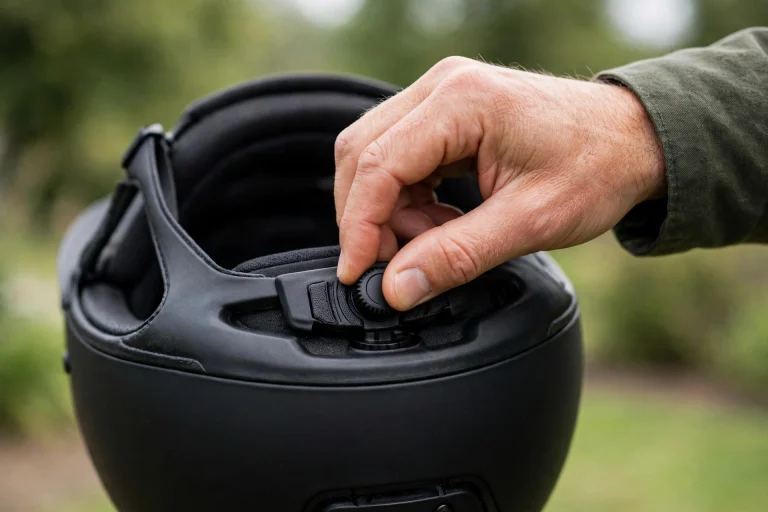
Neither system is automatically better — both dial-fit and fixed-size riding helmets can be certified to the same safety standards, so the…
Yes, riding helmets expire in effect, even though no date is stamped on them. The foam that absorbs impact ages with sweat,…
PAS 015 and VG1 are the two European safety standards most riders meet on helmet labels. PAS 015 is a British standard…