Equestrian Helmet for Hacking Out Explained
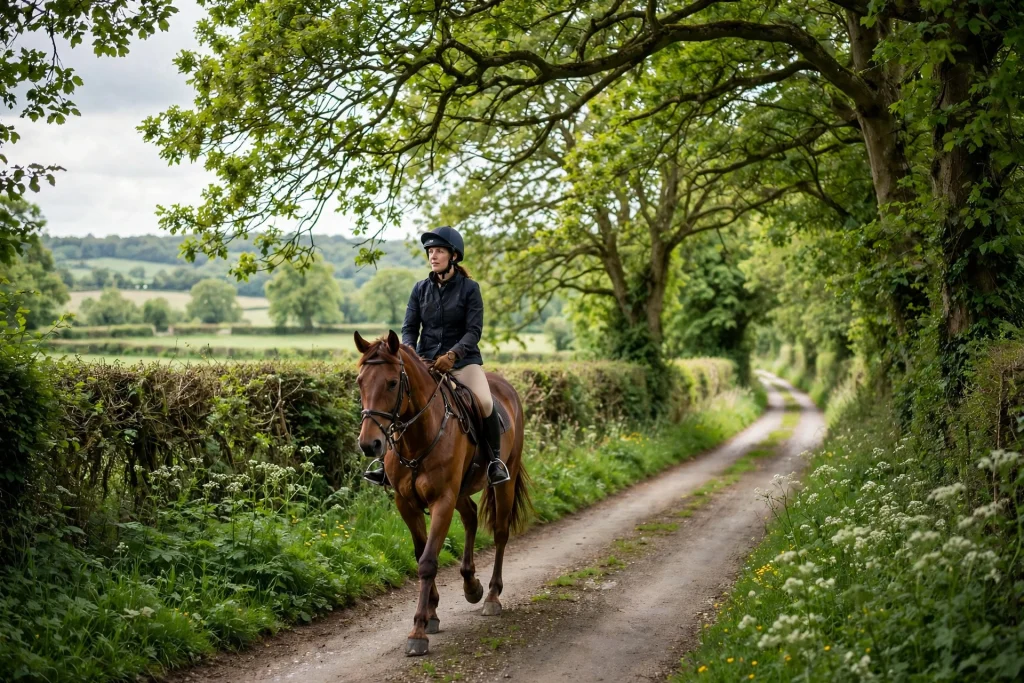
An equestrian helmet for hacking out is a standard riding helmet worn for a relaxed ride on roads, tracks, and bridleways, chosen for comfort, ventilation, and a secure fit over a longer ride. Hacking…
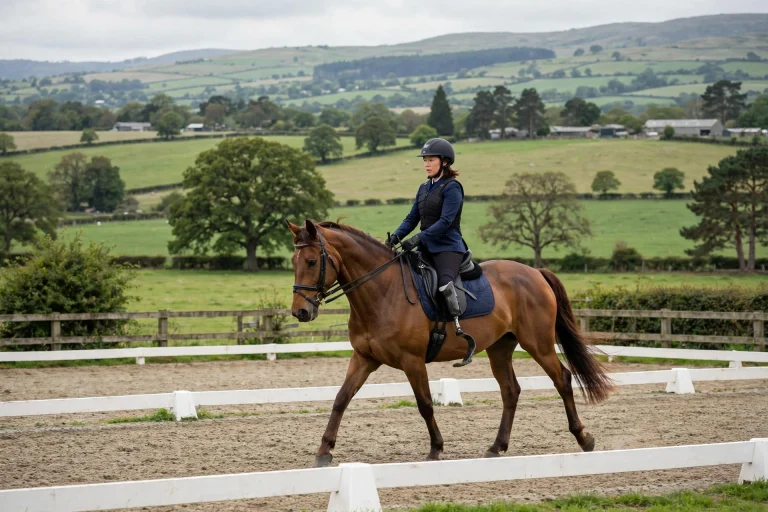

A para-equestrian helmet is a standard riding helmet worn by a para-equestrian rider, a rider with a physical impairment who competes in…
A steeplechase helmet is a jockey’s skull cap helmet, worn for steeplechase racing over fences, where horses jump large, fixed fences at…
Jockeys wear a lightweight, close-fitting skull cap helmet, usually covered by a silk cap in the colours of the horse’s owner, designed…
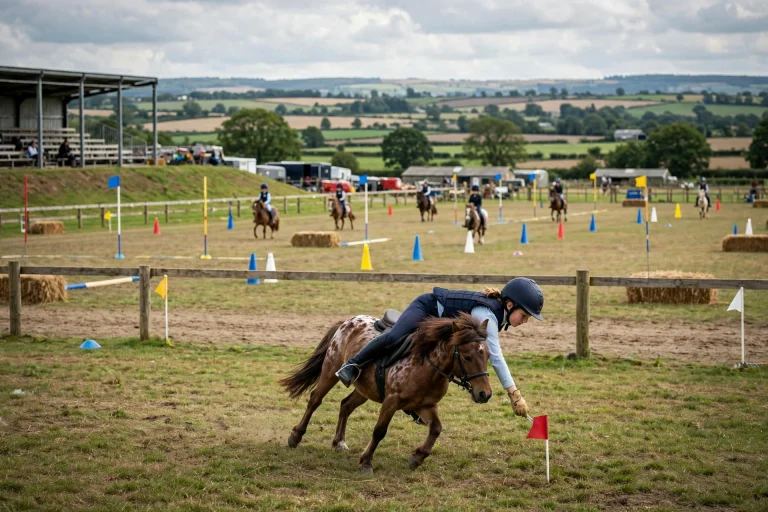
A mounted games helmet is a riding helmet worn for mounted games, a fast team sport on horseback in which riders race,…
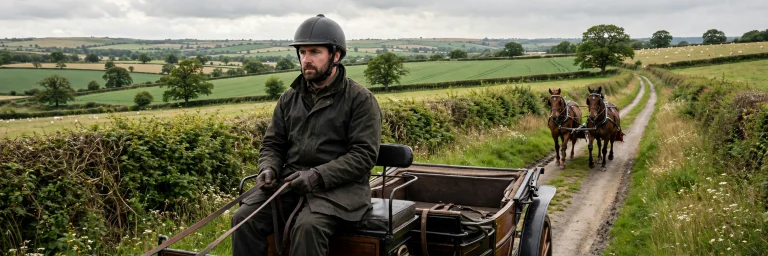
A carriage driving helmet is a riding helmet worn by the driver and passengers on a horse-drawn carriage, designed to protect the…
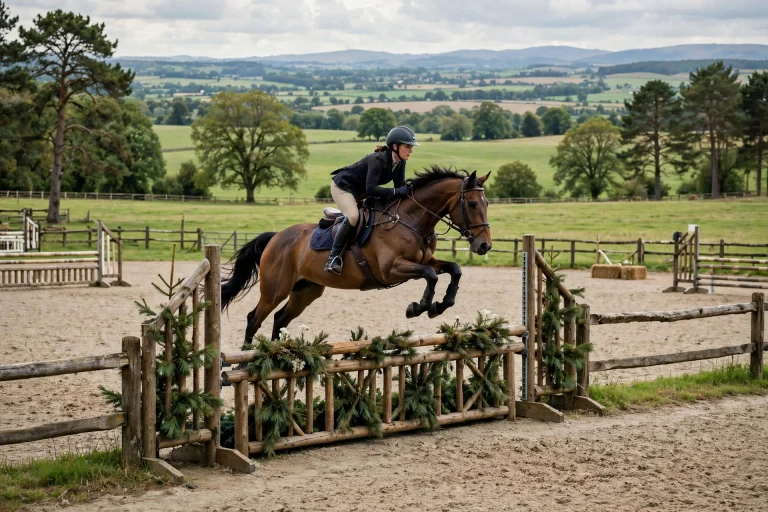
A hunter and jumper helmet is a low-profile, classic-style riding helmet worn for hunter and jumper classes, designed to look traditional in…
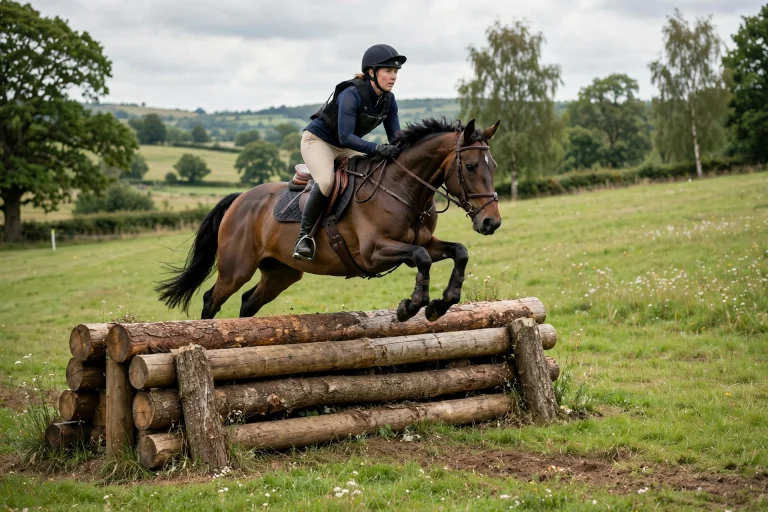
A cross-country riding helmet is a lightweight equestrian helmet, worn by riders who tackle a course of solid fences, banks, ditches, and…
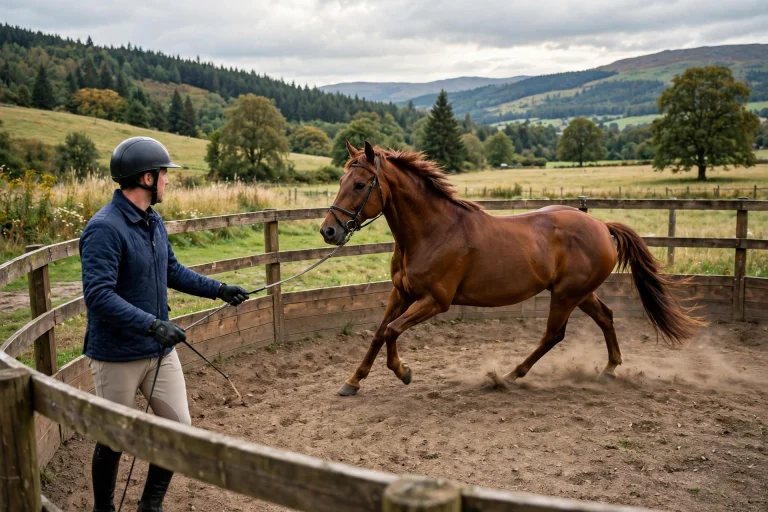
You do not have to be riding to be hurt by a horse, so in general terms wearing a helmet for groundwork…
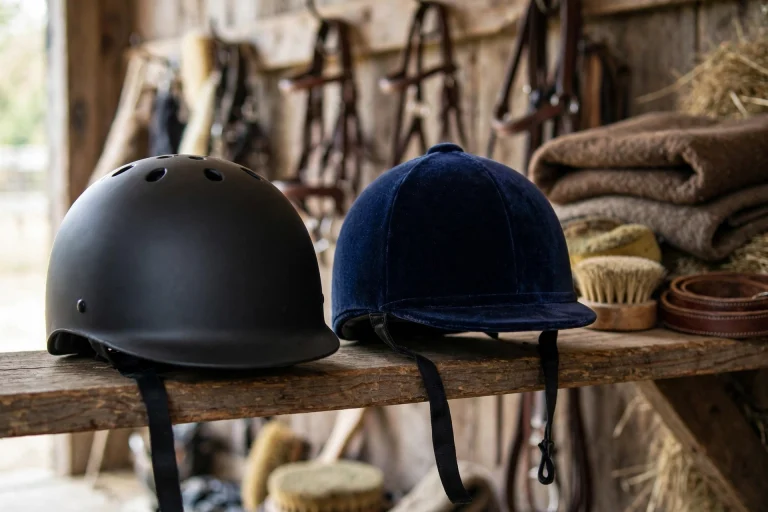
In general terms, the difference between schooling and show helmets is appearance and finish, not safety: both should meet the same recognised…