A helmet batch number is a code printed or stamped on a helmet, usually on a label inside the shell, that identifies the production batch the helmet came from. It tells you when and where the helmet was made, and it lets the maker trace the helmet back to a specific run of production. The batch number is not the same as the model name or the size. It is a quality control tool, and it matters most when something goes wrong with a batch of helmets and the maker needs to find every helmet from that batch.
Where Do You Find a Helmet Batch Number?
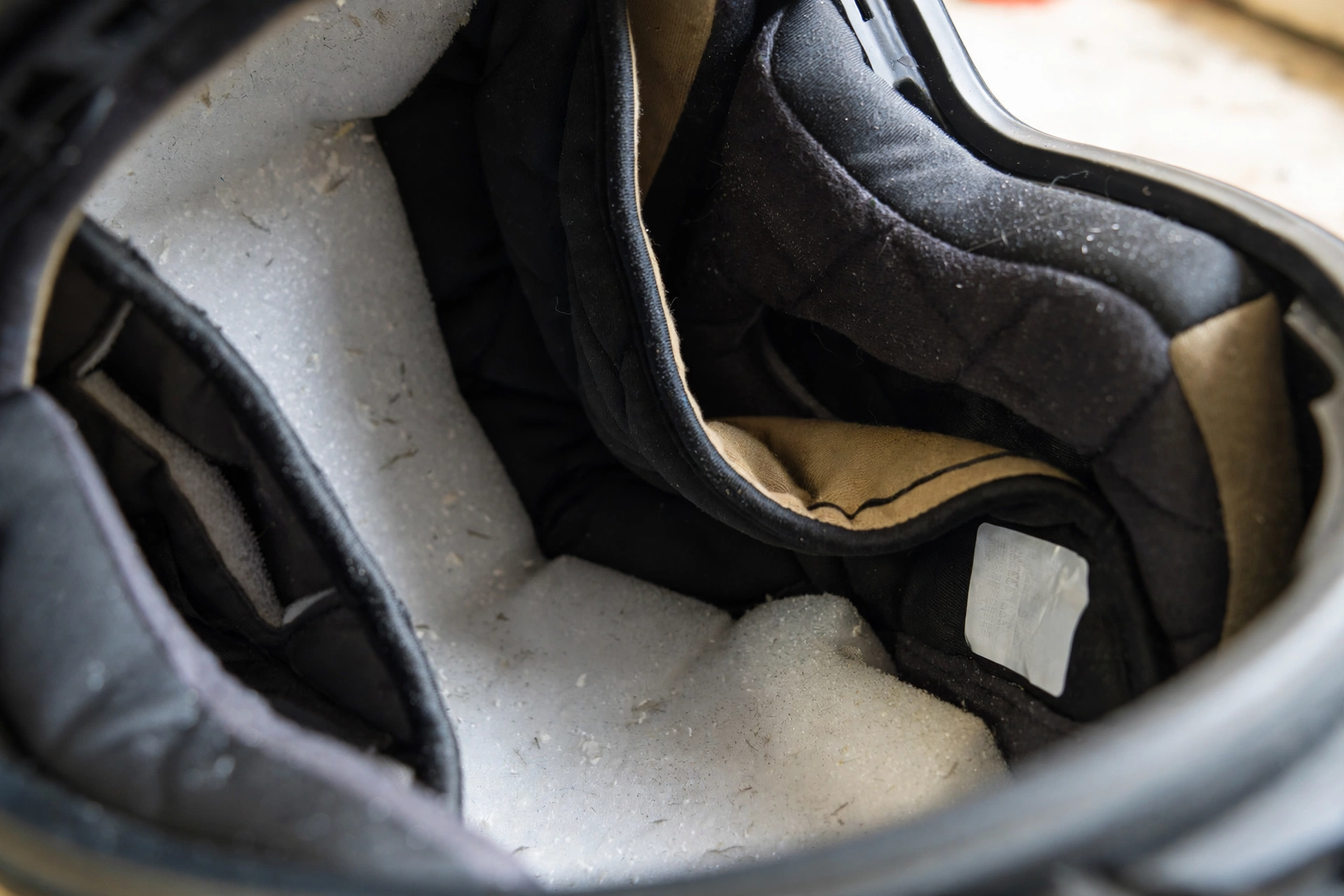
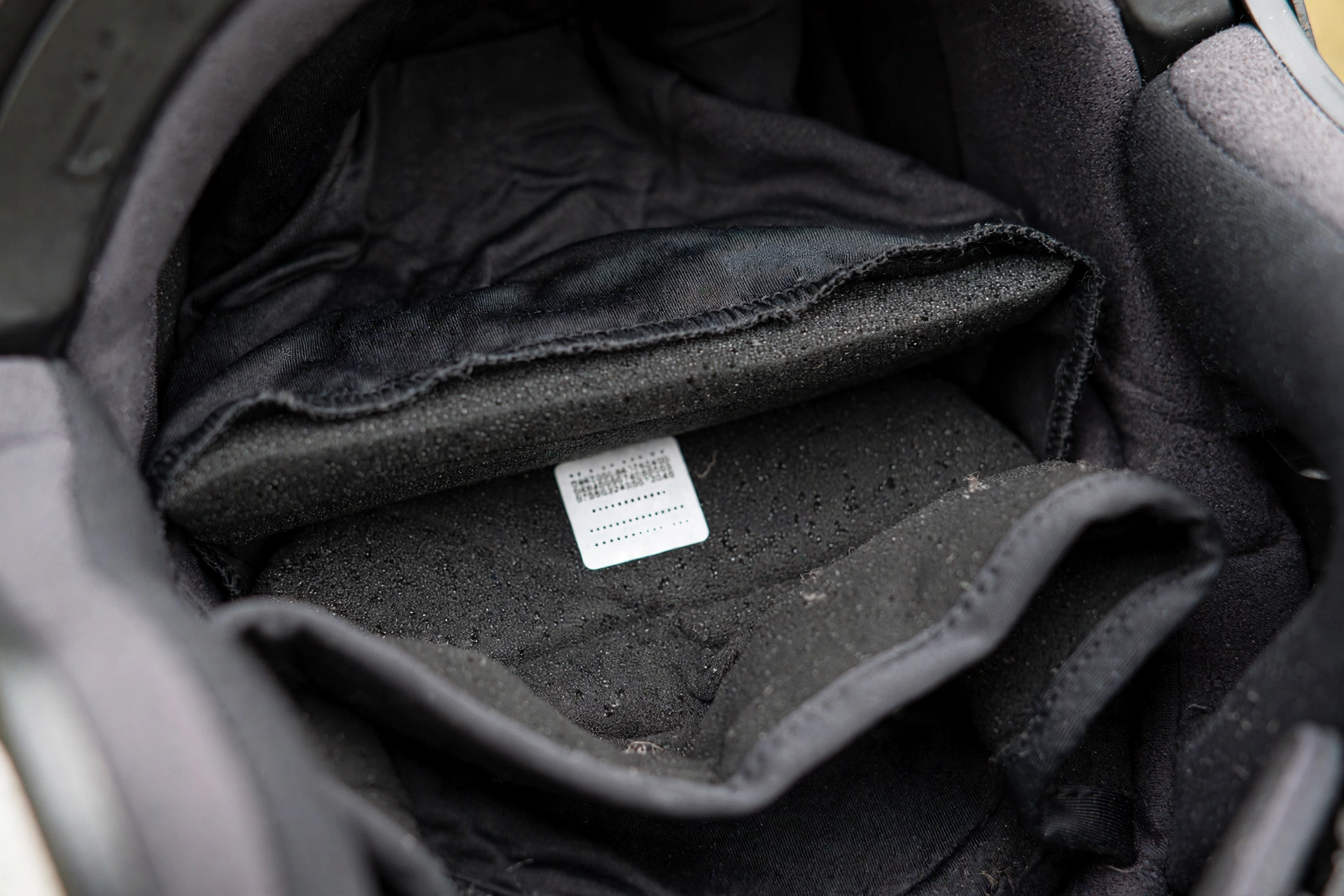
A helmet batch number is usually found on a label inside the helmet, often under the lining or on the shell itself. It may be printed on the same label as the certification marks, the size, and the date of manufacture. On some helmets it is stamped or moulded into the shell, while on others it is on a small sticker that can be hard to spot.
If you cannot find the batch number, try lifting the comfort lining gently, since the label is often hidden beneath it. The maker’s website or manual may show where the label is on that model. It is worth knowing where it is before you need it, because a recall notice will often ask for the batch number first.
What Does a Batch Number Tell You About the Helmet?
In general terms, a batch number tells you which production run the helmet came from. Helmets are made in batches, and all the helmets in one batch are made from the same materials, on the same machines, at around the same time. If a fault is found in the materials or the process, it will usually affect the whole batch, not just one helmet.
The batch number can also help you work out the helmet’s age, since it is often linked to the date of manufacture. That matters because helmet materials age, and a helmet that has been sitting in a warehouse for years may be older than it looks. The batch number is the maker’s key to all of this information, even if the code itself looks like a random string of letters and numbers to the wearer.
Why Do Makers Use Batch Numbers?
Makers use batch numbers for quality control and for traceability. If a test shows that a batch of helmets has a problem, the maker can use the batch number to find every helmet from that batch and recall them. Without a batch number, the maker would have to recall every helmet of that model, which would be far more costly and confusing.
Batch numbers also help makers track their own production. If a supplier changes a material, or a machine is adjusted, the batch number shows which helmets were made before and after the change. In general terms, a batch number is a simple way of keeping track of thousands of helmets as they move from the factory to shops and riders.
Retailers and distributors use batch numbers too. If a maker issues a safety notice, the retailer can check which helmets on its shelves belong to the affected batch and remove them from sale. That is far quicker and more reliable than trying to check every helmet by hand, and it means a faulty batch can be taken off the market before more of them are sold.
How Is a Batch Number Used in a Recall?
When a helmet is recalled, the notice will usually list the models and the batch numbers affected. The wearer can check the label inside their helmet and compare the batch number with the list. If the number matches, the helmet should not be used, and the maker will usually offer a replacement or a repair.
This is why it is worth keeping a note of the batch number when you buy a helmet, along with the receipt. If a recall is announced years later, the label may have worn away or the helmet may have been sold on. A photo of the label, taken when the helmet is new, is a simple way to keep the information safe. If you want to understand one of the safety technologies used in modern helmets, reading about what MIPS is for helmets is a good place to start, though a batch number is about traceability rather than impact protection.
Is a Batch Number the Same as a Serial Number?
No, a batch number and a serial number are different, though they are often confused. A batch number is shared by every helmet made in the same production run, so many helmets will have the same batch number. A serial number is unique to a single helmet, so no two helmets share the same serial number.
Some helmets have both: a batch number for the production run and a serial number for the individual helmet. Others have only a batch number. In general terms, the serial number is more precise for tracing a single helmet, while the batch number is more useful for finding a whole group of helmets that may share a fault.
Should You Check the Batch Number Before Buying a Helmet?
Yes, it is a good idea to check the batch number and the date of manufacture before buying a helmet, especially if you are buying online or from a discount seller. A helmet that has been in stock for a long time may be older than it looks, and an old helmet may not protect as well as a new one. The batch number and date tell you how old the helmet really is.
It is also worth checking that the batch number looks genuine and matches the label style of the maker. A missing label, a label that looks poorly printed, or a batch number that does not match the maker’s records can be a sign of a fake helmet. Buying from an authorised dealer is the safest way to avoid that risk.
Can I find out when my helmet was made from the batch number?
Often yes, in general terms the batch number is linked to the date of manufacture, and the maker can tell you the production date if you give them the batch number and the model name.
What should I do if my helmet’s batch is recalled?
Stop using the helmet and follow the maker’s instructions, which usually offer a replacement or a repair. Do not keep using a recalled helmet while you wait.
Does every helmet have a batch number?
Most certified helmets do, in general terms, since makers need a way to trace their products. The label may be hidden under the lining, so it is worth looking carefully before assuming it is missing.

Olivia
Writer at Helmet Today, covering helmet reviews, fit and riding safety.