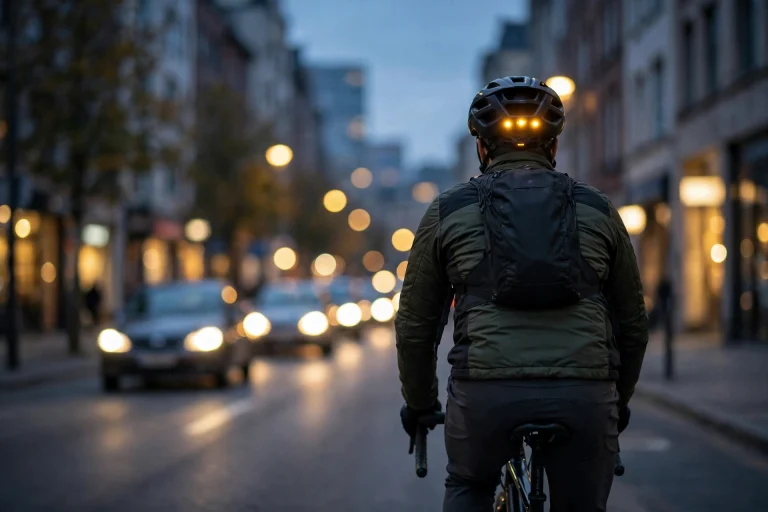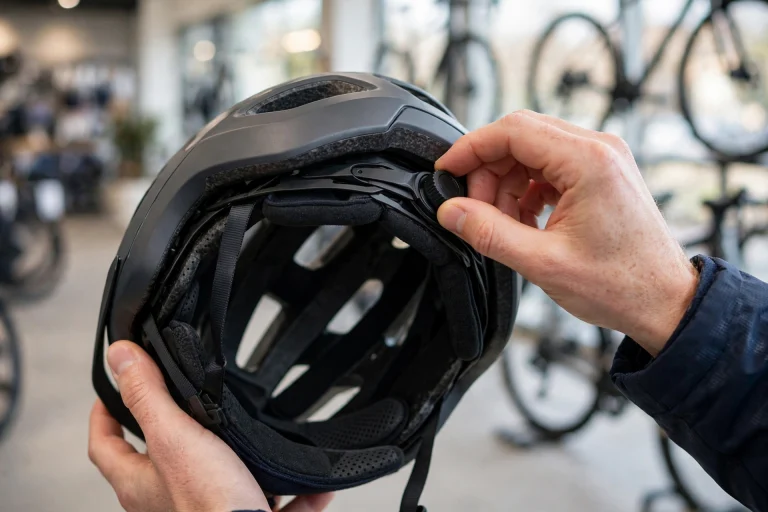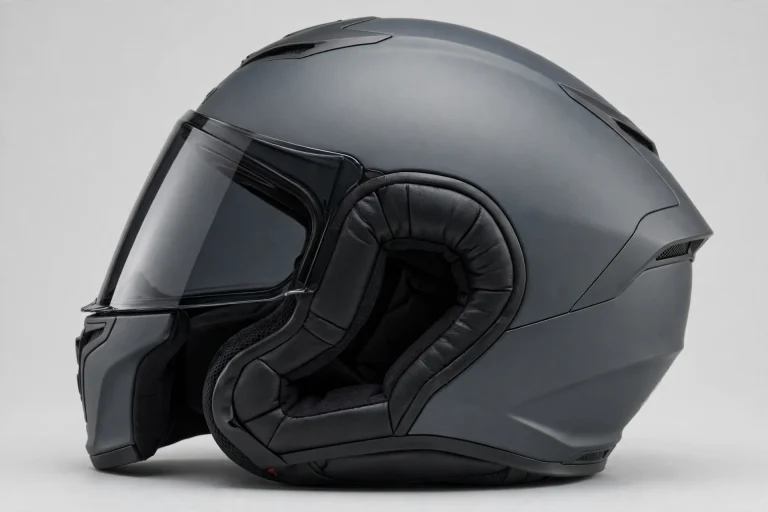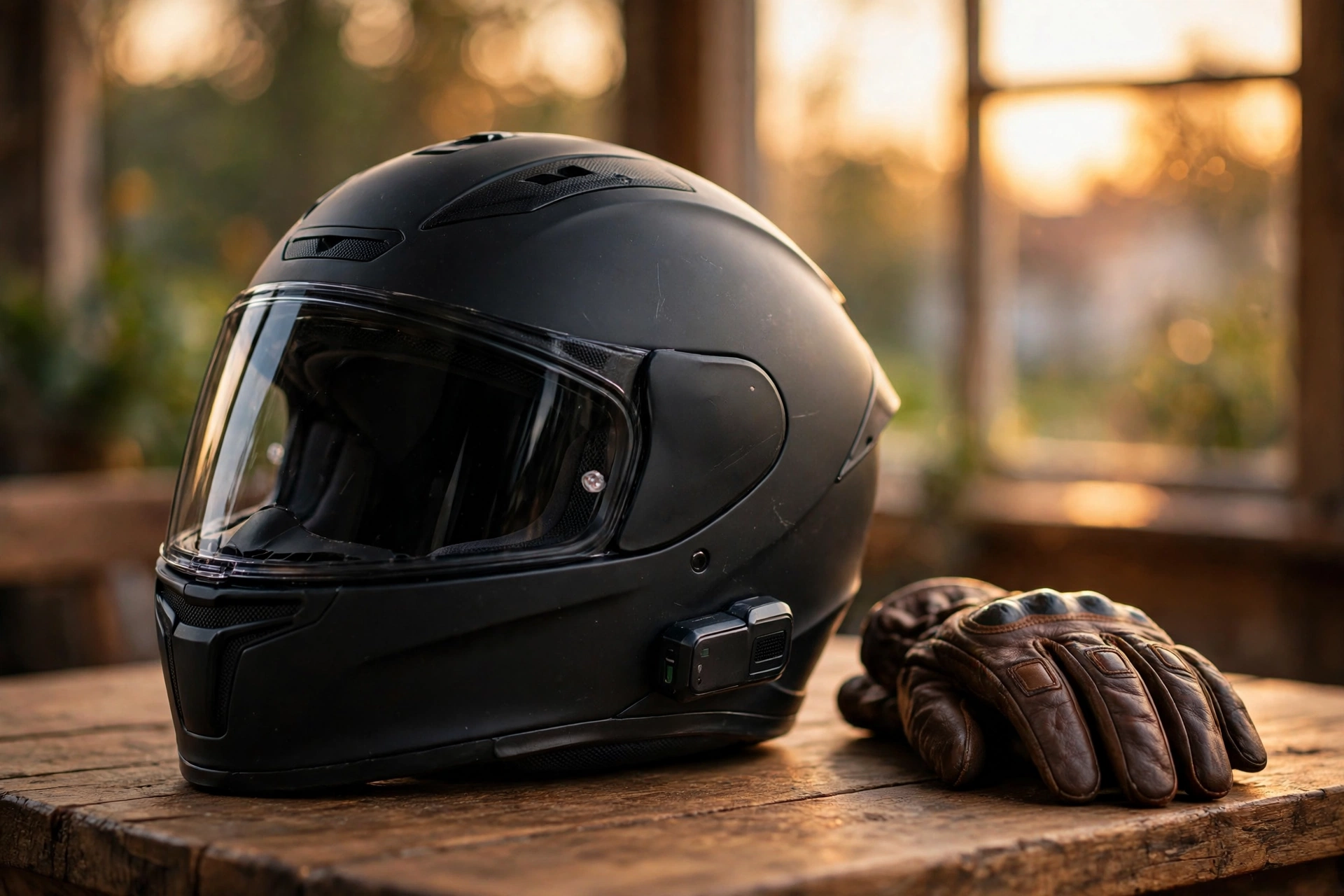
A helmet with crash detection and auto alert is a smart helmet that senses a serious impact and, if the rider does not respond, automatically sends an alert to a chosen contact or emergency service so help can reach them sooner. It uses sensors inside the helmet to tell the difference between an ordinary bump and a crash, and it relies on a connection to a phone or a built-in module to send the message. In general terms, it is designed for riders who travel alone and want someone to know if something goes wrong.
How Does Crash Detection in a Helmet Work?
Crash detection in a helmet works through sensors, usually an accelerometer and a gyroscope, that measure sudden changes in movement and force. When the helmet is hit hard or stops suddenly in a way that matches a crash pattern, the sensors register the event and start a short countdown. If the rider is fine, they can cancel the alert within that window, usually by pressing a button or tapping the phone. If there is no response, the system treats the event as a real crash and sends the alert.
The key challenge is telling a crash apart from everyday knocks. Dropping a helmet on the ground, hitting a pothole, or braking hard should not set off an alert, so the software looks at the size, direction, and duration of the forces involved. Riders should still remember that no sensor system is perfect, and a helmet that detects crashes is a safety aid, not a guarantee that help will always arrive in time.
What Happens After the Alert Is Sent?
After the alert is sent, the chosen contact usually receives a message with the rider’s location and a note that a crash may have happened. The message often goes out by text or through a companion app, and it can include a map link so the contact can see where the rider is. The exact steps depend on the design, so it is worth checking what a particular helmet and app actually do before relying on them.
The rider’s location matters a great deal, because a crash on a quiet road or a remote trail may not be seen by anyone else. A location pin helps a contact or a rescue team find the rider without guessing. If you want to understand the impact protection that sits underneath this kind of technology, reading about what MIPS is for helmets is a good place to start, since crash detection works alongside the helmet’s physical protection rather than replacing it. In general terms, the alert is only useful if the contact can act on it, so choosing someone who is usually reachable makes sense.

Who Benefits Most From a Crash Detection Helmet?
Solo riders benefit most from a helmet with crash detection and auto alert, because they have no passenger or riding partner to call for help if they are hurt. Commuters who ride early in the morning or late at night also gain, since there may be fewer people around to notice a crash. Off-road and adventure riders can benefit too, because a fall on a trail may leave the rider out of sight of other road users, and the alert can be the first sign that something has happened.
Families of riders often value the feature as well, since it gives them a way to know quickly if a loved one has crashed. In general terms, the feature is most useful for anyone who rides alone, rides in remote places, or rides at times when roads are quiet. It is less important for riders who always ride in a group, because a riding partner can raise the alarm directly.
What Are the Limits of Crash Detection?
Crash detection has limits, and it is important to understand them before relying on it. The system needs a charged battery and a working connection to send an alert, so a flat battery or a dead phone signal can stop it working. These are real limits, not just minor details, and they matter most in the remote places where the feature would be most valuable.
False alarms are another limit. A hard knock that is not a crash can still trigger a countdown, and if the rider does not notice and cancel it, a contact may get a worrying message for no reason. In general terms, crash detection should be treated as an extra layer of safety, not as a replacement for riding carefully, wearing the right gear, or letting someone know your route before you set off.
How Do You Set Up a Crash Detection Helmet?
Setting up a crash detection helmet usually starts with charging the helmet or its sensor module and pairing it with a companion app on the rider’s phone. The app will ask for an emergency contact, and some apps allow more than one, so it is worth adding someone who is usually available and knows the rider’s habits. The app may also ask for permission to use location services, which must stay switched on for the alert to include a location. Testing the setup before the first real ride is sensible, so the rider knows what the countdown looks and sounds like.
It is also worth checking how the system behaves when the phone is not nearby, since some helmets only work when the phone is connected by Bluetooth. Others have their own connection and can send an alert without a phone, though this is less common. Riders should keep the app updated and check the battery before long rides, because an update can change how alerts are sent. In general terms, a few minutes spent on setup and testing can make the difference between an alert that works and one that does not.
What Should You Look For When Choosing One?
When choosing a helmet with crash detection and auto alert, the first thing to check is the fit and the safety certification, because the technology matters far less if the helmet does not fit or is not certified for the kind of riding you do. A helmet that is uncomfortable will not be worn, and a helmet that is not certified for road use may not protect as it should. Once the basics are right, look at how the alert is sent, whether it needs a phone, and what happens if the phone is damaged or out of range.
Battery life is another practical point. A system that needs charging every day may be fine for a commuter but annoying for a tourer, while a longer-lasting battery suits long rides better. In general terms, the best choice is the helmet that fits well, is certified, and has an alert system that matches how and where you ride, rather than the one with the longest list of features.
Does a crash detection helmet call emergency services directly?
Not always. Many systems alert a chosen contact first, and some can pass details to a monitoring service or emergency services. It depends on the design, so check what the helmet and app actually do before you rely on them.
Can crash detection be turned off?
Yes, in general terms it can usually be switched off or paused in the companion app. Some riders turn it off for track days or when the helmet is being carried, to avoid false alarms from knocks and drops.
Does crash detection work without a phone?
Some systems need a phone connection to send the alert, while others have their own connection. Check whether the helmet you are considering works on its own or only when paired with a phone.

Olivia
Writer at Helmet Today, covering helmet reviews, fit and riding safety.