Yes, in general terms a helmet can protect against tree branches, because its hard shell shields the head from branches that hang low over a trail, snap back after another rider passes, or fall from above in wind. Branches are a common hazard on wooded trails, forest roads, and climbing routes, where a branch at head height can strike with surprising force. A helmet takes that blow on the shell instead of the scalp, turning what could have been a painful cut or a nasty knock into a glancing hit that the rider can ride through.
Why Are Tree Branches a Risk for Helmet Wearers?
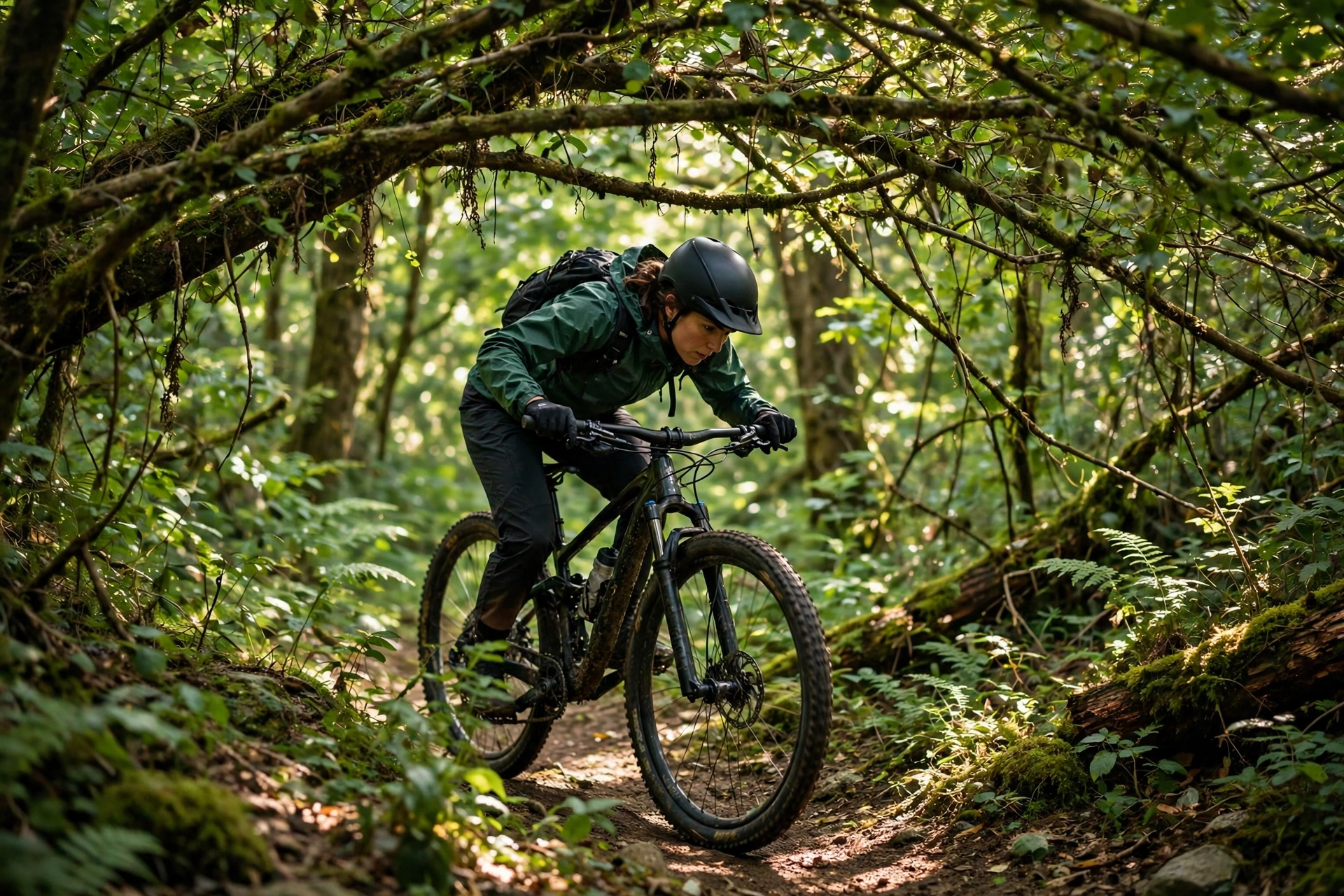
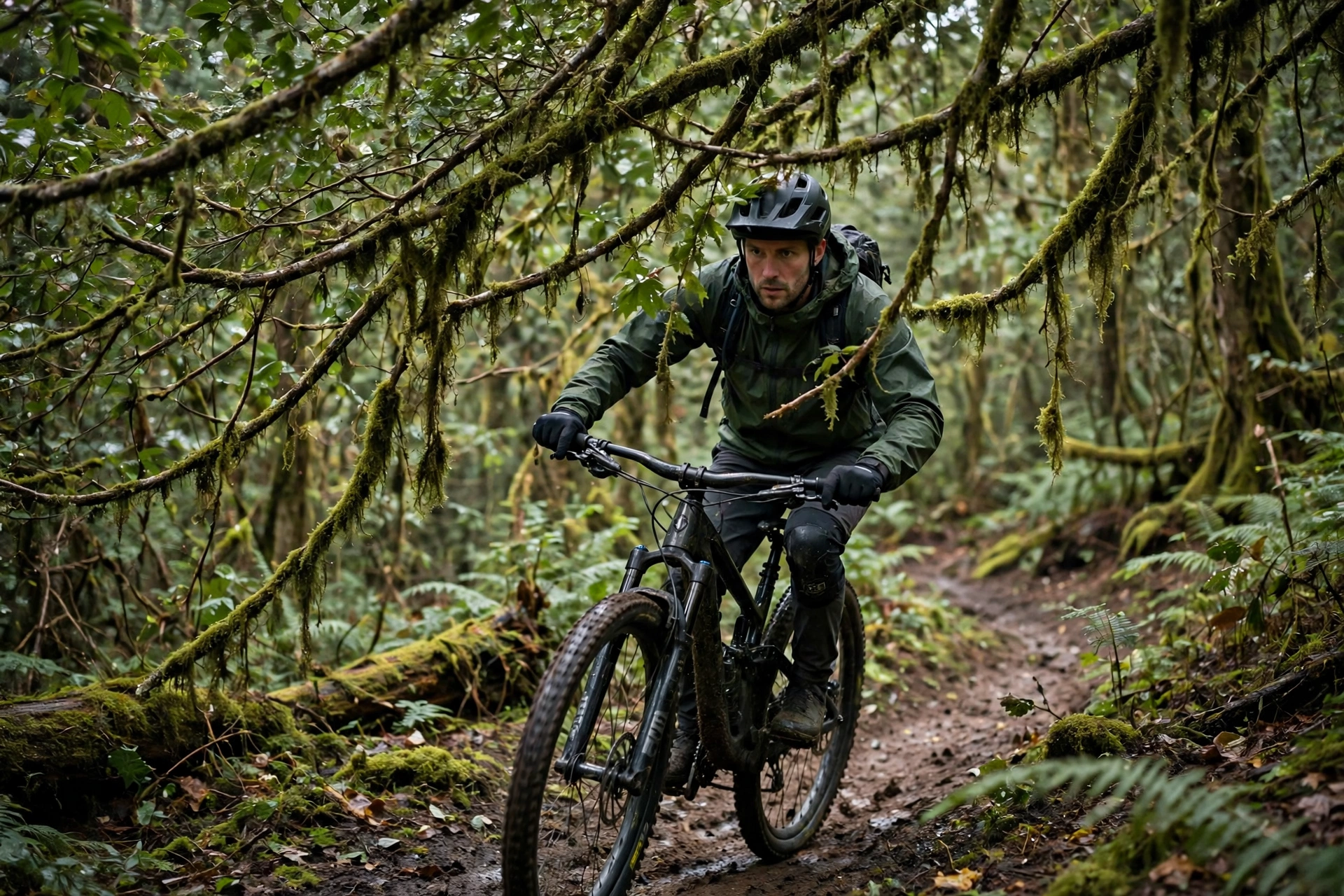
Tree branches are a risk because they are easy to miss until they are right in front of you. On a forest trail, a branch may hang low across the path, hidden in shadow or behind leaves, and a rider moving at speed has little time to duck. Branches can also snap back after the rider in front pushes them aside, striking the following rider in the face or on the head. In windy weather, dead branches can fall from above without warning, and these are heavy enough to cause real injury.
For climbers, branches can be caught by ropes or struck by a falling climber, and a branch falling from a tree above a route can arrive with real force. Branches are an everyday hazard that is easy to underestimate: a single thin branch looks harmless, but at speed, or falling from a height, even a modest branch can cut the scalp, scratch the face, or knock a rider off balance.
How Does a Helmet Protect Against Branches?
A helmet protects against branches in a straightforward way: the shell covers the top, sides, and back of the head, so a branch that would have struck the scalp hits the hard shell instead. The smooth, curved shape of the shell also helps branches slide off rather than catching, which matters when a branch brushes across the head at speed. The liner inside cushions any force that does get through, so a sharp knock becomes a dull one.
For the face, the protection depends on the helmet type. A full-face helmet with a visor shields the cheeks, chin, and eyes from branches, while an open-face or cycling helmet leaves the face exposed, so riders on wooded trails often wear glasses or goggles to protect their eyes. A peaked helmet, such as a mountain bike or motocross helmet, adds a small visor above the eyes that can deflect a branch away from the face. If you want to learn about a safety system that helps helmets manage impact forces, reading about what MIPS is for helmets is a good place to start.
Can a Branch Still Hurt You While Wearing a Helmet?
Yes, a branch can still hurt you while wearing a helmet, and it is worth knowing how. The face is the most exposed area, because most helmets do not cover the cheeks, nose, or mouth, and a branch can whip across the face and leave a cut or a scratch. The eyes are at particular risk, because even a thin twig can cause a painful eye injury, which is why eye protection matters on wooded trails.
A thick or heavy branch can also cause injury through the helmet. A dead limb falling from a tree carries a lot of weight, and while the helmet will spread the force and absorb some of it, a heavy branch can still cause a serious head injury. Branches can also snag on a helmet, especially on vents or a peak, and pull the rider’s head to one side. A helmet greatly reduces the risk from branches, but it does not remove it entirely, and riders should still duck, slow down, and watch for low branches.
Are Some Helmets Better for Riding Under Trees?
Yes, the design of the helmet makes a difference on wooded trails. A mountain bike helmet with a peak is popular, because the peak shields the eyes from sun and rain and can deflect a branch away from the face. A full-face mountain bike or motocross helmet offers the most protection, because it covers the chin and cheeks as well as the head, though it is heavier and hotter than an open-face helmet.
A climbing helmet is also designed with branches in mind, since climbers often work their way through trees and bushes on the approach to a route, and its hard shell and close fit help it slide past branches without snagging. The best helmet for wooded trails is one that covers as much of the head and face as you are comfortable wearing, with a smooth shell that does not snag, and eye protection to cover the gap the helmet leaves.
What Should You Do If a Branch Hits Your Helmet?
If a branch hits your helmet, first check that you are safe and in control. A sudden blow to the head can make you flinch or swerve, so slow down, look ahead, and make sure you are on a safe line before you do anything else. If the branch has scratched your face or caught your eye, stop somewhere safe and check the injury, because an eye injury can get worse quickly if ignored.
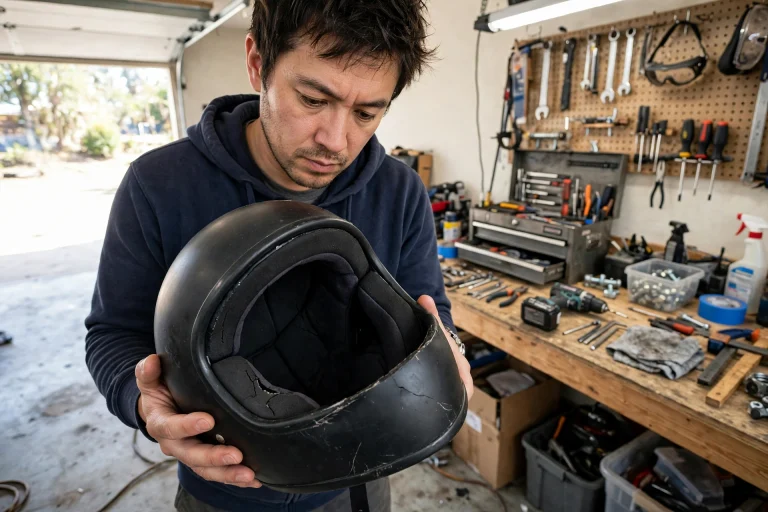
Then check the helmet itself for cracks in the shell, a bent or broken peak, or damage to the vents and straps. A light brush from a thin branch is unlikely to damage a helmet, but a heavy branch or a hard strike can crack the shell or crush the liner, and in that case the helmet should be replaced. If the branch has left debris in the vents, clear it out so airflow is not blocked, and check that the visor or peak is still secure before you ride on.
How Can You Avoid Branch Strikes on the Trail?
The best way to avoid branch strikes is to stay alert and ride at a speed that matches the trail. On a wooded trail, that means looking ahead for low branches, ducking in good time, and slowing down where the trail is overgrown. If you are riding in a group, warn the rider behind you about low branches, and leave enough distance that a branch pushed aside by the rider in front has time to spring back before you reach it.
Eye protection is one of the simplest precautions, because it protects the part of the face a helmet leaves open. Glasses or goggles will stop a twig from reaching your eyes, and they also keep out dust and insects. A peak on the helmet helps too, by deflecting branches away from the eyes. In general terms, a helmet is the safety net for branch strikes, and good trail awareness is what keeps you from needing it, so the two work best together.
Do helmets protect against tree branches?
Yes, in general terms a helmet protects against tree branches by shielding the head with its hard shell, which takes the blow and lets branches slide off instead of striking the scalp, though the face can still be hit unless you wear eye protection or a full-face helmet.
Is a peaked helmet better for forest trails?
Yes, in general terms a peak helps by deflecting branches away from the eyes and face, and it also shields against sun and rain, which is why peaked helmets are popular for mountain biking on wooded trails.
Should I replace my helmet after a heavy branch hits it?
Yes, if the impact was hard. Check the shell for cracks and the liner for damage, and replace the helmet if anything looks wrong, because a helmet that has taken a heavy blow may not protect as well next time.

Olivia
Writer at Helmet Today, covering helmet reviews, fit and riding safety.