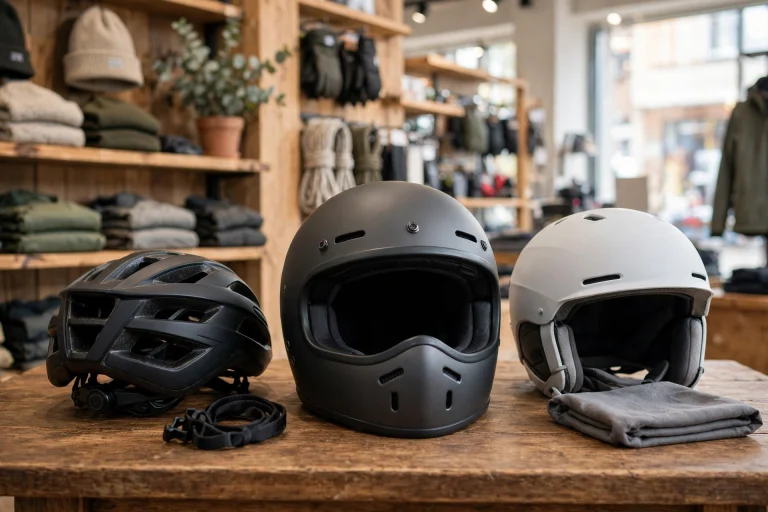
The Snell Memorial Foundation is a non-profit organisation that tests helmets and sets safety standards, certifying helmets that pass its independent laboratory tests. In general terms, it was set up to improve helmet safety after a racing driver died from head injuries, and it has been testing helmets and writing standards for motorsport, motorcycle, cycling, and other activities ever since. A Snell certification is widely seen as a sign that a helmet has passed tough independent testing.
How Did the Snell Memorial Foundation Start?
The foundation is named after William Snell, a racing driver who died in a racing accident in the 1950s. His death showed that the helmets of the time did not protect drivers well enough, and his friends and family set up the foundation to push for better helmets. The organisation began testing helmets in a laboratory and writing standards that described what a good helmet should do in a crash.
Over time, the foundation grew from motorsport into other areas where helmets matter, including motorcycling, cycling, skiing, and equestrian riding. Its work has always been independent: it tests helmets in its own laboratory, and it does not sell helmets itself. The goal has stayed the same from the start, which is to reduce head injuries by setting high standards and checking that helmets meet them.
What Does the Snell Memorial Foundation Do?
The foundation’s main work is writing helmet safety standards and testing helmets against them. Each standard describes, in general terms, the impact protection a helmet should give, the coverage it should provide, and the strength of the straps that keep it on. The foundation updates its standards from time to time as testing methods and helmet designs improve.
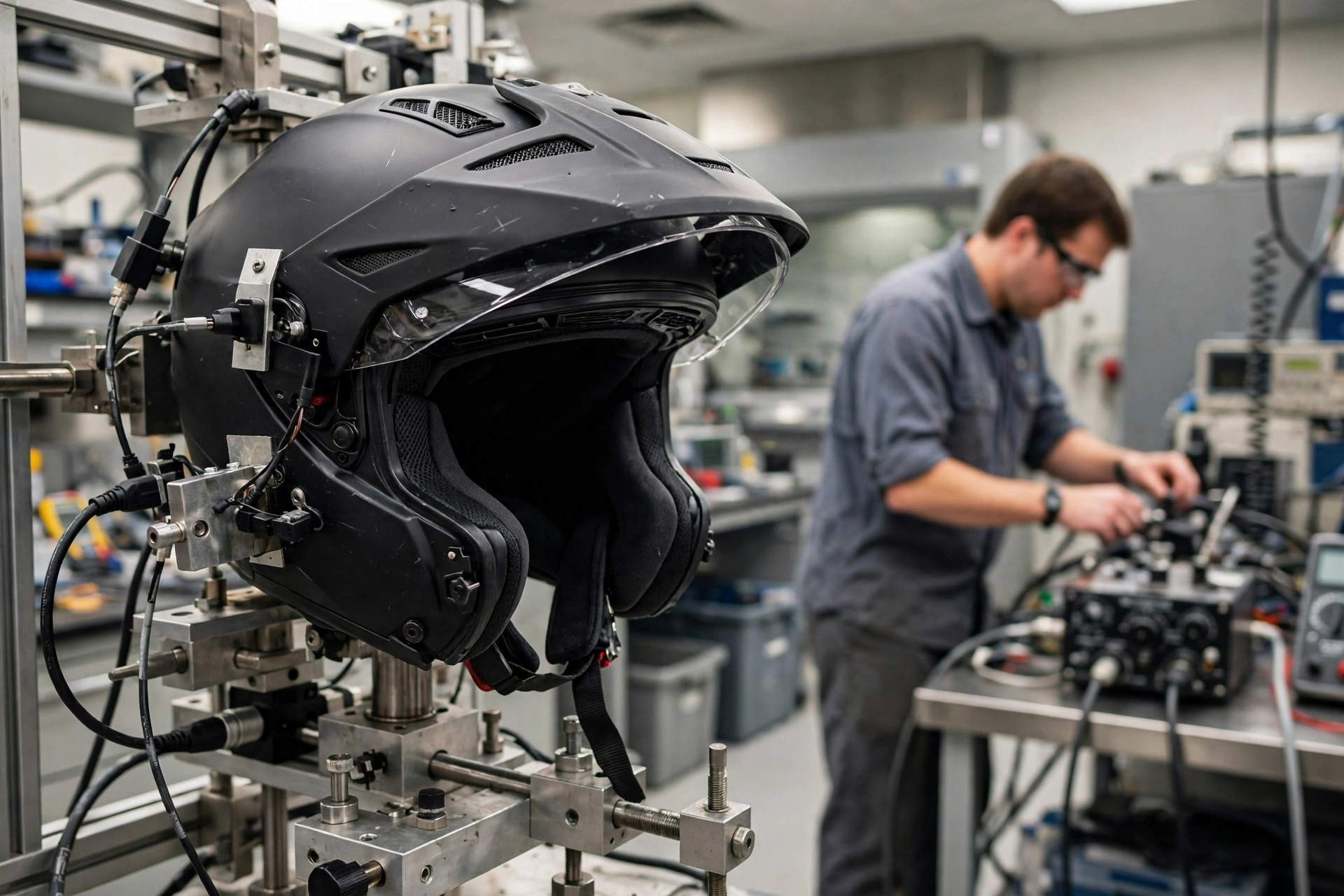
Helmet makers send their helmets to the foundation’s laboratory for testing. If a helmet passes, it can carry a Snell certification label, which tells the buyer that the helmet has been tested by an independent organisation and met the standard. The foundation also buys helmets from shops and tests them again, to check that the helmets on sale still match the ones that were certified. If you want to understand one of the safety technologies used in modern helmets, reading about MIPS is a good place to start, though Snell certification is about the helmet’s overall performance rather than one technology.
What Is a Snell Certification Label?
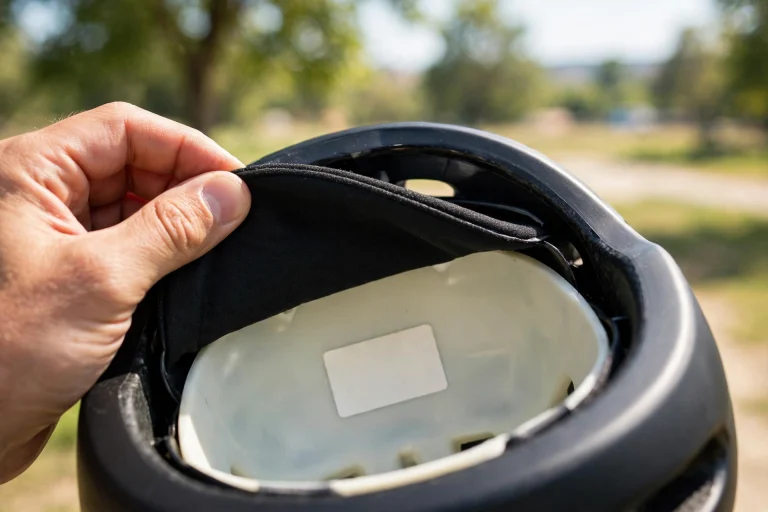
A Snell certification label is a sticker or marking inside a helmet that shows it has passed the foundation’s tests for a particular standard. The label usually names the standard, such as the one for motorcycle helmets or the one for motorsport, so that the buyer can see what the helmet was tested for. The label may also carry a serial number or a code that the foundation can use to check the helmet.
It is worth checking the label before buying, because a helmet that looks like a racing helmet may not actually carry a Snell label. A label that is missing, faded, or hard to read should be treated with caution, and the seller or the maker should be able to confirm whether the helmet is certified. In general terms, a real Snell label is a useful sign, but it is only meaningful if it matches the activity the helmet will be used for.
Is Snell Certification the Same as Other Helmet Standards?
No, Snell certification is separate from government standards and from other industry standards, even though they all deal with head protection. A helmet can meet a government standard, such as the United States DOT standard for motorcycle helmets, without carrying a Snell label, and the other way round. Some helmets carry both, which means they have been tested against two different sets of requirements.
The differences between standards come from how they test helmets and what they ask of them. In general terms, Snell standards are often described as demanding, because the foundation sets its own test requirements and updates them independently. That does not automatically make a Snell-certified helmet the right choice for every rider, because the standard that matters is the one that fits the activity and the rules where the helmet will be used.
Why Do Some Races and Clubs Require Snell-Certified Helmets?
Many motorsport events and clubs require helmets that carry a Snell certification, because it gives them a clear and trusted way to check that a helmet has been independently tested. Rather than inspecting every helmet themselves, organisers can ask for a Snell label and know that the helmet has passed a recognised set of laboratory tests. This makes safety checks simpler and more consistent across events.
The rules vary by event, country, and sport, so a rider or driver should always check the rules for their own event before buying a helmet. Some events accept other standards, and some require a particular Snell standard that is current. In general terms, if you plan to compete, checking the event rules first can save the cost of buying a helmet that is not accepted.
What Should You Look for When Buying a Snell-Certified Helmet?
When buying a Snell-certified helmet, check first that the label inside the helmet names the standard for your activity, and that the helmet fits the rules of any event you plan to enter. Then try the helmet on: it should sit level, feel snug all round the head without pressing painfully, and stay put when you shake your head gently. The straps should fasten easily and hold the helmet in place.
Other things to consider include comfort, weight, and ventilation, since a helmet that is hot or heavy is less likely to be worn for long. It is also worth checking that the helmet is new and undamaged, because a second-hand helmet may have taken a knock that is not visible. In general terms, a Snell-certified helmet that fits well and is worn every time is a strong choice, and it is worth taking the time to find one that ticks all three boxes.
What is the Snell Memorial Foundation?
It is a non-profit organisation that tests helmets and sets safety standards, certifying helmets that pass its independent laboratory tests. It was set up after a racing driver’s death to improve helmet safety.
Does a Snell label mean a helmet is legal to use?
Not on its own. Legal requirements vary by country and activity, so a helmet may also need to meet a government standard. Always check the rules where you will ride or race.
Can a helmet be Snell certified and still not suit my sport?
Yes. Snell writes different standards for different activities, so a helmet certified for one sport may not be certified for another. Check that the label names the standard for your activity.

Olivia
Writer at Helmet Today, covering helmet reviews, fit and riding safety.