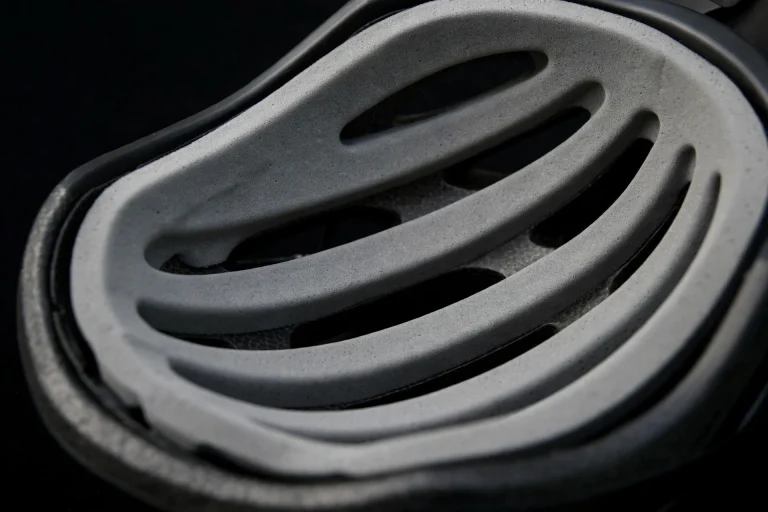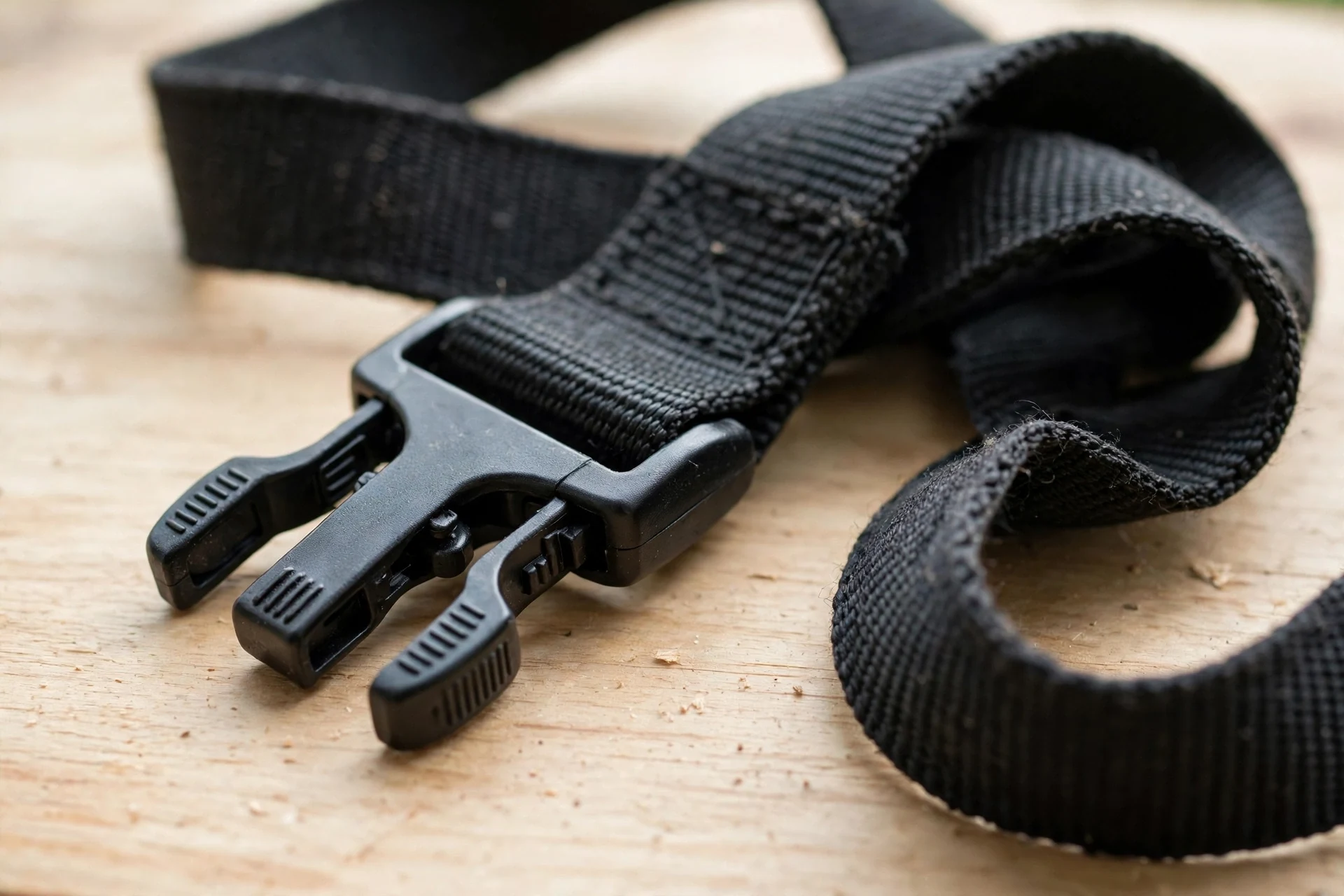
Helmets have buckles so that the chin strap can be fastened quickly, adjusted to a snug fit, and released easily when the helmet is taken off, while holding the helmet firmly on the head during a ride or a fall. In general terms, the buckle is the small clasp that joins the two ends of the chin strap together under the chin, and without it the strap could not be tightened or held in place. Every helmet with a chin strap has a buckle of some kind, and it is one of the most used parts of the whole helmet.
What Does a Helmet Buckle Do?
A helmet buckle joins the two ends of the chin strap and holds them together, so that the strap forms a loop under the chin that keeps the helmet on the head. When the buckle is fastened, the strap can be pulled tight until the helmet sits snugly, and the buckle locks the strap at that length so that it does not slip loose during a ride. When the buckle is released, the strap opens up and the helmet can be lifted off easily.
The buckle also makes the strap adjustable, since the strap can be threaded through the buckle to make it shorter or longer. In general terms, the buckle is a simple device with an important job: it is the only thing holding the helmet on, so it has to be strong, reliable, and easy to use, even with cold hands or gloves on.
Why Does the Buckle Matter for Safety?
The buckle matters for safety because a helmet only protects the head if it stays on during a fall, and the buckle is what keeps it on. If the strap is loose or the buckle fails, the helmet can fly off or shift out of place at the moment it is needed most, leaving the head unprotected. A well-fastened buckle holds the helmet firmly in position, so the shell and the foam liner are in the right place to absorb an impact.
That is why riders are always told to fasten the buckle and to check that the strap is snug before setting off. A helmet worn with the buckle undone is little better than no helmet at all, since it will come off in a crash. In general terms, the buckle is a safety part, not just a convenience, and it should be checked regularly for wear, cracks, or a loose fit.
How Does a Helmet Buckle Work?
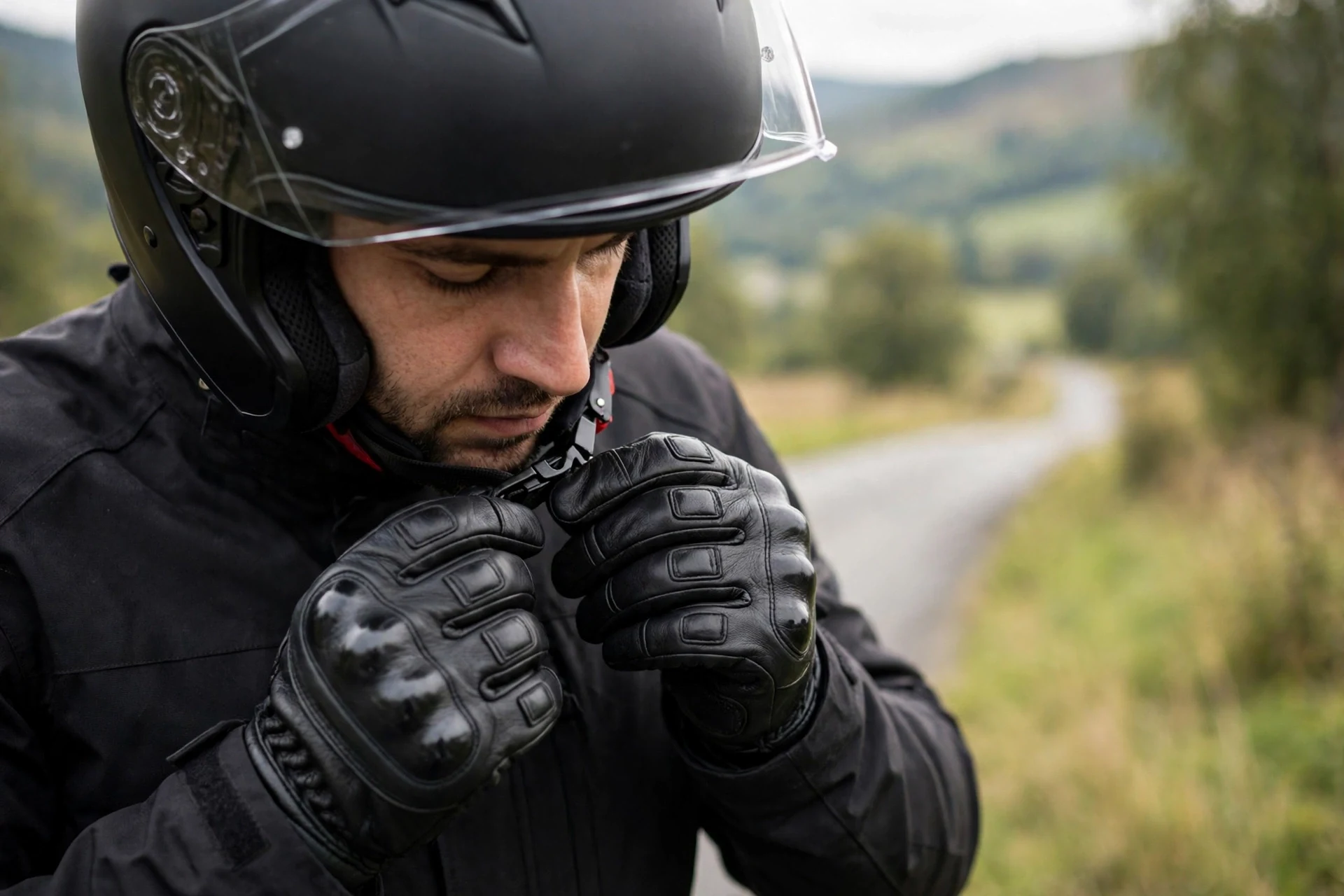
A helmet buckle works by gripping the strap in a way that holds it tight under tension but lets it slide when the release is pressed. Most modern helmets use a quick-release buckle, where the two halves clip together with a click and separate when a small button or lever is squeezed. The strap passes through the buckle in a way that lets it be pulled tighter with one hand, while a set of teeth or a cam inside the buckle stops it from slipping back.
Some helmets use a double D-ring buckle instead, where the strap is threaded through two metal rings and pulled tight, and the friction of the rings holds it in place. This type takes a little longer to fasten but is very secure and is common on motorcycle helmets. In general terms, both types do the same job: they hold the strap at the length the rider sets, and they release quickly when the rider wants to take the helmet off.
What Are Helmet Buckles Made From?
Helmet buckles are usually made from strong moulded plastic or from metal, depending on the type of helmet and the type of buckle. Quick-release buckles are most often made from a tough, lightweight plastic that can take repeated use without cracking, and they are designed to keep working in rain, mud, and cold weather. The plastic is chosen to be strong but not brittle, so that it does not snap if it is knocked.
D-ring buckles are usually made from stainless steel or another strong metal, which resists rust and wear and holds the strap firmly through friction. In general terms, the material is chosen for strength and reliability, since the buckle has to hold the helmet on in a crash. A buckle made from weak or cheap material would be a serious risk, which is why makers test buckles to make sure they hold under a strong pull.
Why Do Some Buckles Release With One Hand?
Some buckles release with one hand so that the rider can take the helmet off quickly and easily, even while holding something in the other hand or wearing gloves. A quick-release buckle is designed so that a single squeeze of a button or lever frees the strap, which is handy after a long ride when the rider wants the helmet off without a struggle. It also helps in an emergency, when a helmet may need to be removed fast.
The one-handed release is balanced against security: the buckle must be easy to open on purpose, but it must never open by itself. That is why quick-release buckles have a firm click when they close and need a deliberate squeeze to open. If you want to understand one of the safety technologies used in modern helmets, reading about MIPS is a good place to start, though the buckle itself is a separate part of the helmet’s retention system.
How Do You Check a Helmet Buckle?
Checking a helmet buckle is a quick job that is worth doing regularly, and it starts with fastening the buckle and pulling the strap to make sure it holds firm and does not slip. The buckle should click shut cleanly, the release should work smoothly, and the strap should stay at the length it was set to. Any cracking, stiffness, or looseness is a sign that the buckle needs attention.
The strap should also be checked where it passes through the buckle, since the webbing can fray or wear thin at that point. In general terms, a buckle that is damaged, worn, or hard to use should be repaired or replaced following the maker’s instructions, and a helmet should never be worn with a faulty buckle. Keeping the buckle clean and free of grit helps it work smoothly and last longer.
How tight should a helmet buckle be?
In general terms, the strap should be snug enough that the helmet does not move around, but not so tight that it is uncomfortable. A good check is that you can fit a couple of fingers between the strap and your chin, and the helmet should not lift off when you pull it gently.
Can a broken helmet buckle be replaced?
In general terms, yes. Many buckles can be replaced as a spare part, though the exact method depends on the helmet. It is best to use the maker’s own buckle and to follow their instructions, since the buckle is a safety part.
Why is my helmet buckle hard to open with gloves on?
In general terms, some buckles have small release buttons that are tricky to press with thick gloves. A buckle designed for gloved use has a larger release, and practising opening it with gloves on can help before a ride.

Olivia
Writer at Helmet Today, covering helmet reviews, fit and riding safety.