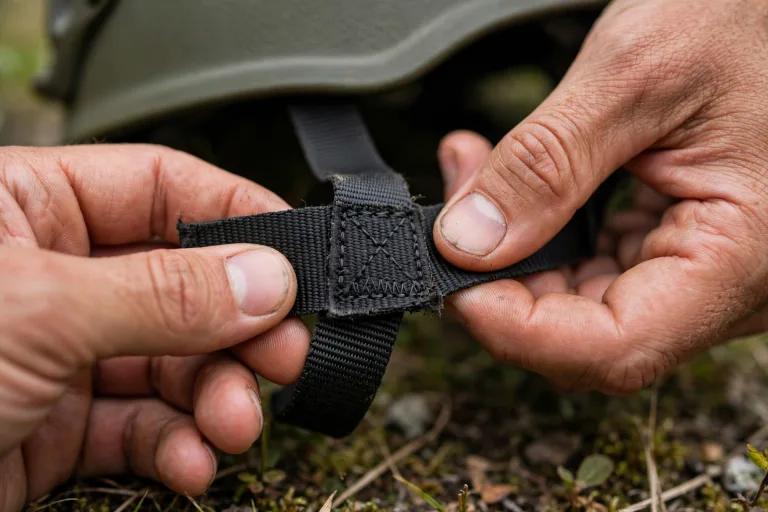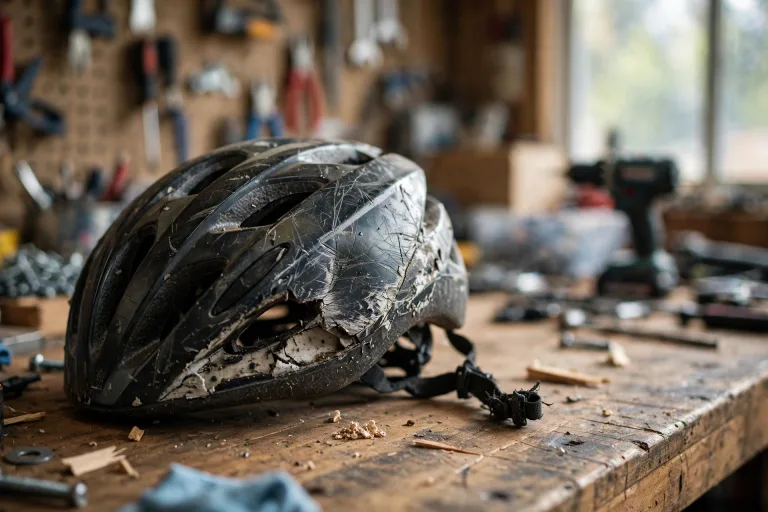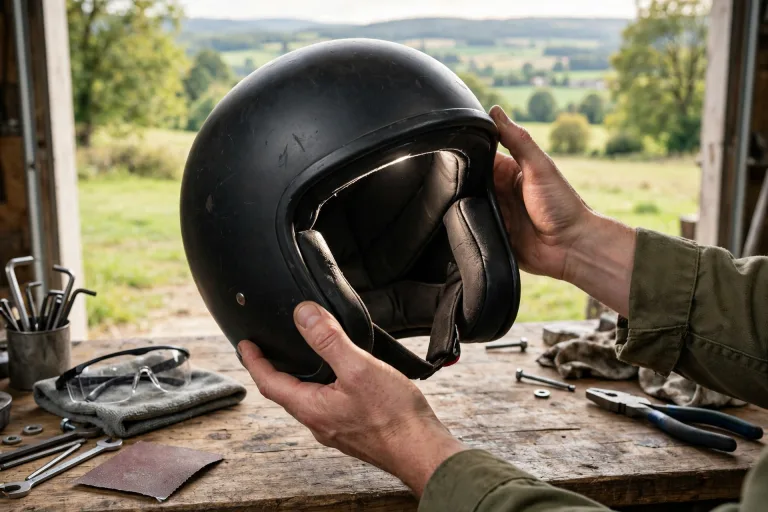
You can tell if a helmet has expired by checking the date label inside the shell, looking for worn or flattened padding, faded or brittle plastic, and a fit that has become loose over time. In general terms, a helmet does not have a single expiry date that applies to every brand, but age, use, and damage all wear down the materials that protect your head. A helmet that looks fine on the outside can still be past its best, so the signs are worth knowing before you trust it again.
Most helmets are made from foam and plastic, and both change with time. Sunlight, heat, sweat, and everyday knocks slowly break down the foam liner and the outer shell. The helmet may still look like it did when you bought it, but the protection inside can be weaker. That is why makers print a date of manufacture inside the shell and give general guidance on how long a helmet should last, and why regular checks matter.
Where do you find the expiry date on a helmet?
Most helmets have a label or a stamp inside the shell, usually under the padding or near the back of the helmet. It may show the date of manufacture, and sometimes a “replace by” date as well. The label may also show the safety standard the helmet meets and the size range. If you cannot find the label, check the maker’s website with the model name, or ask the shop where you bought it.
Some helmets use a small dial or a set of arrows to show the month and year of manufacture, which can be easy to miss. Peel back the comfort padding gently to look for it, but do not tear the padding out. If the label is missing, faded, or unreadable, that is itself a warning sign, because it usually means the helmet has seen a lot of use or has been stored badly. In that case, treat the helmet with suspicion and think about replacing it.
What does a worn helmet liner look like?
The liner is the foam layer between the shell and your head, and it does the main work of absorbing impact. A fresh liner feels firm and springy when you press it, and it springs back when you let go. A worn liner feels flat, hard, or crumbly, and it may have visible dents or gaps where it has been pressed against your head for years. If you can feel the hard shell through the liner, the liner is no longer doing its job.
The comfort padding that sits on top of the liner wears out too. It may become thin, torn, or smelly, and it may no longer hold the helmet steady on your head. You can often buy replacement comfort pads, and fresh pads can make an old helmet feel better, but they do not fix a worn impact liner. The impact liner is the part that matters, and if it is flattened or damaged, new comfort pads will not restore the protection.

How does the shell show its age?
The outer shell is the first line of defence, and it shows age in several ways. Look for cracks, even small hairline ones, especially around the vents and the edges. Check for deep scratches, dents, or spots where the colour has faded badly in the sun. A shell that has become brittle may feel different when you press it, and it may make a faint cracking sound when flexed gently.
Sunlight is one of the biggest enemies of a helmet shell. A helmet left in a hot car, on a sunny windowsill, or hanging outside for months will age faster than one kept in a cool, dark place. Heat can soften the plastic and then let it harden in a weaker shape. If your helmet has spent a lot of time in strong sun or heat, it may be past its best even if it is only a few years old. Storing a helmet indoors, away from heat and chemicals, helps it last longer.
When does a helmet need replacing after a crash?
A helmet that has taken a hard knock in a crash should be replaced, even if there is no visible damage. The foam liner is made to crush slightly and absorb energy, and once it has done that, it may not protect you as well a second time. The shell may also have hidden cracks that you cannot see. This applies to any serious impact, whether you were wearing the helmet or it fell from a height onto a hard surface.
A small drop from a table or a light bump in a bag is a different matter. In general terms, a gentle knock does not ruin a helmet, but a hard fall onto concrete is worth taking seriously. If you are unsure, ask the maker or a bike shop for advice. Some makers run a crash replacement scheme that offers a discount on a new helmet after a crash, so it is worth checking before you throw the old one away.
How long do helmets last in general terms?
There is no single number that fits every helmet, but many makers suggest replacing a helmet after around five years of regular use. Some give a shorter or longer figure, and a helmet that is used every day will wear out faster than one used a few times a year. The five-year guide is a rough rule, not a law, and it assumes normal use and storage. A helmet that has been crashed, soaked in chemicals, or left in the sun should be replaced sooner.
It is also worth remembering that safety standards change over time. A helmet that met the standard when it was made may still be legal to use, but a newer helmet may offer better protection thanks to improved materials and design. Some modern helmets use a slip layer that lets the shell move slightly in an angled impact, an idea similar to MIPS in newer models. If your helmet is old and lacks these features, an upgrade is worth thinking about.
Does a helmet expire if I never use it?
In general terms, a helmet that is stored well and never used will last longer than one used daily, but the materials still age slowly over time. Check the date label and the condition of the foam and shell before you trust a helmet that has sat on a shelf for years.
Can I replace the liner instead of the whole helmet?
You can usually replace the comfort padding, but the impact foam liner is part of the helmet’s safety structure and is not normally replaceable. If the impact liner is worn, flat, or damaged, you need a new helmet rather than new pads.
What should I do with an expired helmet?
Cut the straps and throw it away, or take it to a recycling point if one is available near you. Do not give it away or sell it, because someone else might trust it to protect them. A damaged or expired helmet should not be passed on.

Olivia
Writer at Helmet Today, covering helmet reviews, fit and riding safety.