We may earn a commission when you buy through links on this page, at no extra cost to you. Learn more
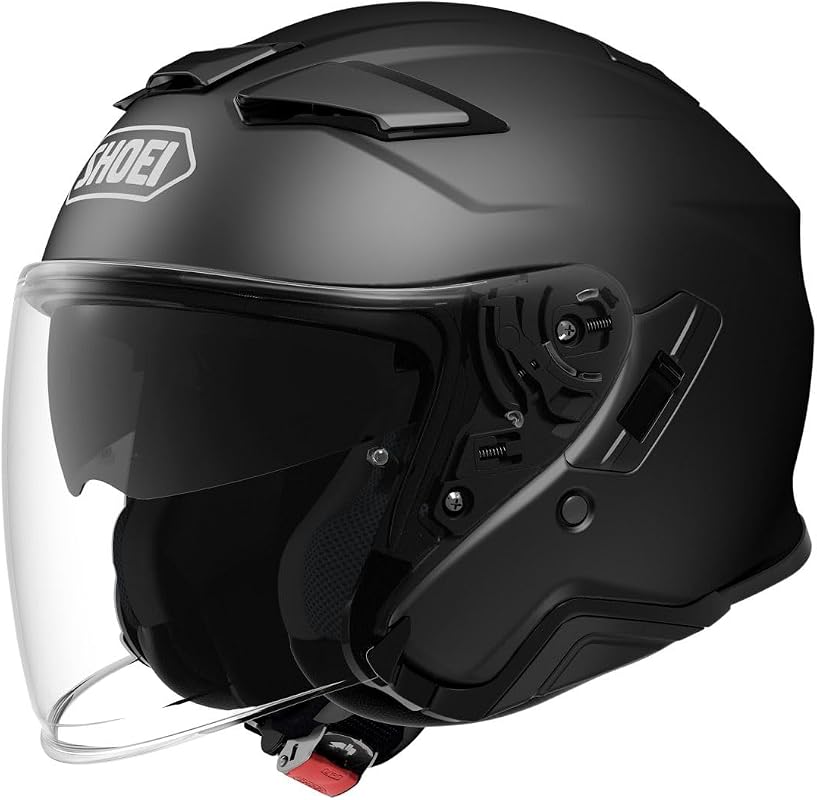
5 Best Shoei Helmets For Wind Noise
| Image | Title | Best For | Link |
|---|---|---|---|
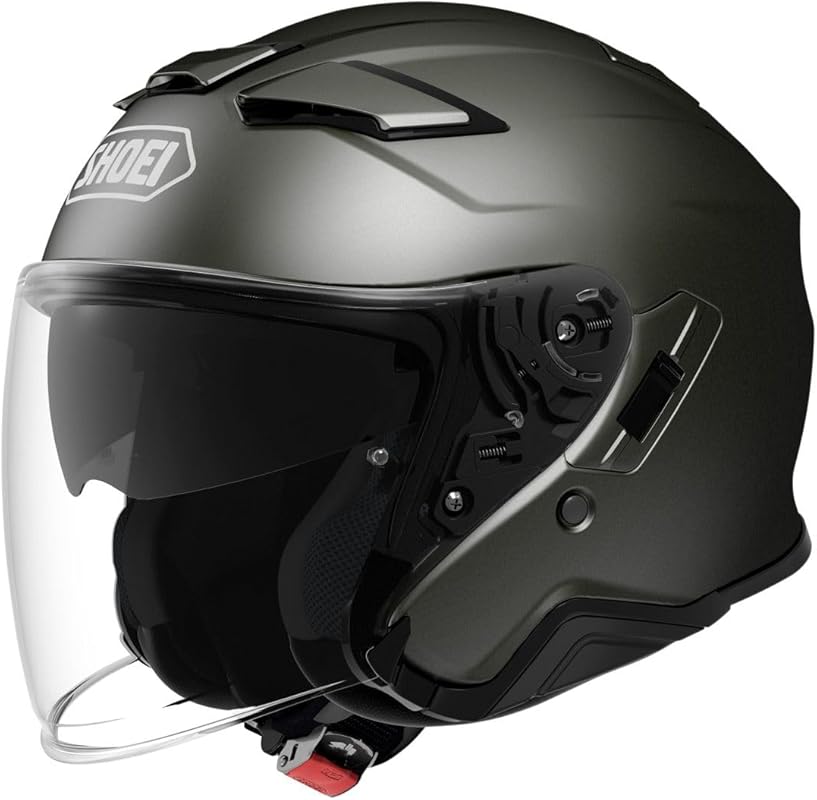 |
Shoei J-Cruise II Open Face | Touring riders who want an open-face feel with full-face wind protection. | View on Amazon |
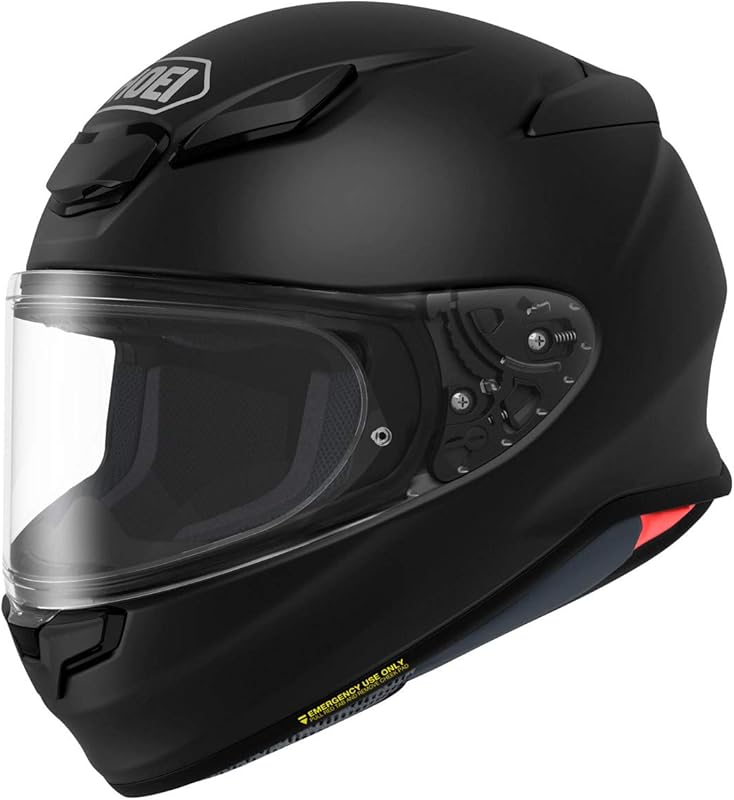 |
Shoei RF-1400 Full Face | All-around street riding with elite sound isolation. | View on Amazon |
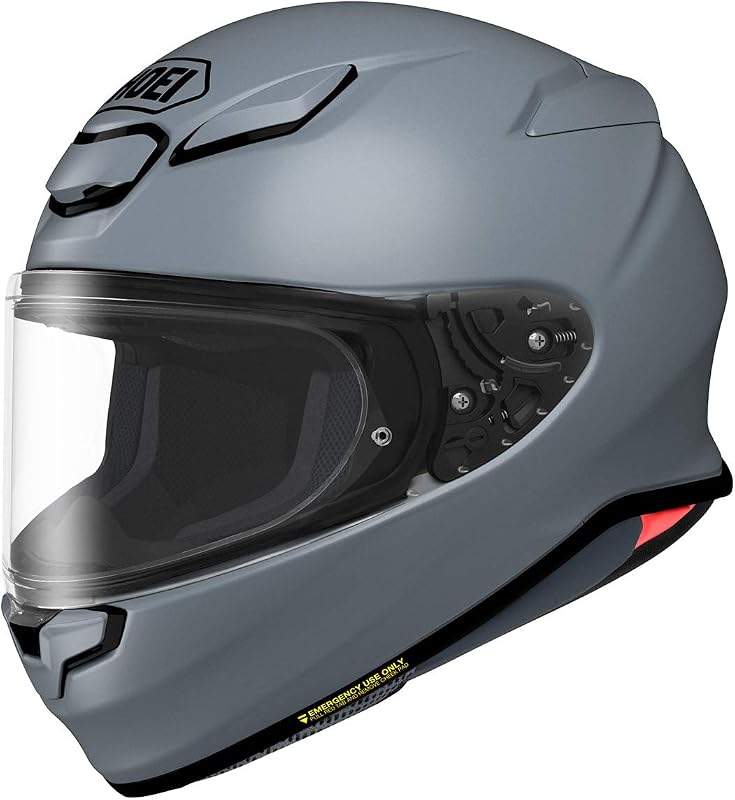 |
Shoei RF-1400 Full Face | Daily commuters needing reliability and performance. | View on Amazon |
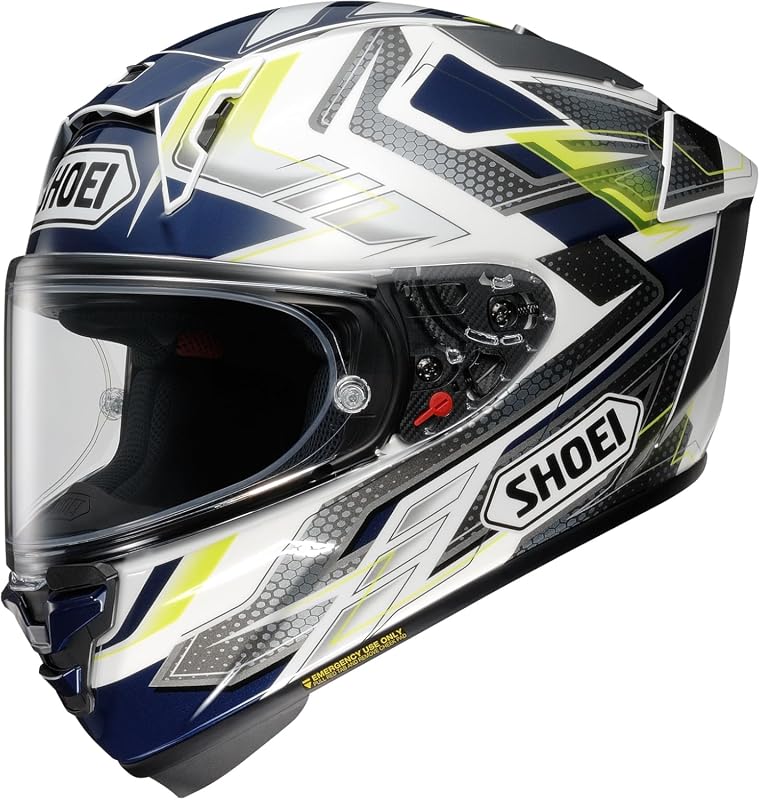 |
Shoei X-Fifteen Escalate | Track enthusiasts and sportbike riders. | View on Amazon |
 |
Shoei J-Cruise II Open Face | Long-distance touring comfort. | View on Amazon |
Our Top 5 Best Shoei Helmets For Wind Noise Reviews – Expert Tested & Recommended
1. Shoei J-Cruise II Open Face Helmet
The J-Cruise II is a marvel for those who love the open-face style but hate the excessive wind noise that usually comes with it. It uses an aerodynamic shell design to cut through the air, significantly reducing buffeting and whistling at cruising speeds.
Key Features That Stand Out
- ✓ Advanced Integrated Matrix (AIM) shell for lightweight strength
- ✓ Precisely tuned aerodynamics for lower wind noise
- ✓ Integrated sun shield for convenience on sunny days
- ✓ Superior ventilation system to keep you cool
Why We Recommend It
We love this helmet because it provides the freedom of an open-face design while maintaining the quietness typically reserved for full-face models. It is a fantastic choice for touring riders who want comfort without sacrificing safety.
Best For
Perfect for touring and city riders who value maximum comfort and visibility.
Pros and Cons at a Glance
2. Shoei RF-1400 Full Face Helmet
The RF-1400 is widely considered the gold standard for street riders. Its compact, aerodynamic profile is specifically designed to eliminate wind noise, ensuring a quiet ride even at highway speeds.
Key Features That Stand Out
- ✓ Lightweight, SNELL-approved shell construction
- ✓ Optimized aerodynamic shape to reduce drag and noise
- ✓ Easy-to-remove cheek pads for safety
- ✓ Advanced vent system for breathability
Why We Recommend It
The RF-1400 balances weight, aerodynamics, and noise reduction perfectly. It is the helmet we keep reaching for because it just works, providing a serene experience regardless of your riding style.
Best For
Ideal for daily street commuters and long-distance riders.
Pros and Cons at a Glance
3. Shoei RF-1400 Full Face Helmet
This version of the RF-1400 brings the same legendary safety and noise-dampening qualities to riders who want a reliable, high-performance street helmet at an accessible price.
Key Features That Stand Out
- ✓ Lightweight street helmet design
- ✓ Superior visibility for improved safety
- ✓ Advanced noise-reduction shell
- ✓ Quick-release cheek pads
Why We Recommend It
It remains the most balanced option for value and performance. If you want the Shoei quiet experience without moving into the racing-tier budget, this is the one to pick.
Best For
Riders looking for premium Shoei quality in a reliable daily-use package.
Pros and Cons at a Glance
4. Shoei X-Fifteen Escalate Helmet
Designed for the track, the X-Fifteen is all about high-speed stability and minimizing wind drag. It is incredibly quiet at high velocity, making it a top contender for track-day warriors.
Key Features That Stand Out
- ✓ Advanced aero shell technology
- ✓ Adjustable center pad for a custom fit
- ✓ Top-tier safety standard compliance
- ✓ Enhanced high-speed ventilation
Why We Recommend It
The engineering inside the X-Fifteen is impressive. It manages to keep air flowing exactly where you need it while blocking out the chaotic noise of high-speed racing.
Best For
Serious sportbike riders and those frequenting the race track.
Pros and Cons at a Glance
5. Shoei J-Cruise II Open Face Helmet
Another look at the J-Cruise II, highlighting why it’s a favorite for tourers who value premium ventilation without extra noise.
Key Features That Stand Out
- ✓ Enhanced ventilation for long days
- ✓ Premium touring design
- ✓ Reliable safety features
- ✓ Noise-reducing shell structure
Why We Recommend It
This is a solid, reliable choice for anyone spending hours in the saddle. The airflow management is stellar, ensuring you don’t feel stuffy even on hot summer afternoons.
Best For
Long-distance touring where comfort and airflow are non-negotiable.
Pros and Cons at a Glance
Complete Buying Guide for Shoei Helmets
Essential Factors We Consider
When selecting the best helmet to reduce wind noise, you need to consider the shell shape, the quality of the visor seal, and the neck curtain. Shoei excels here by using wind tunnel testing to ensure every curve on the helmet directs air away from the neck and ears. A snug, properly fitted interior is also critical—if a helmet is too loose, wind will find a way in regardless of the exterior design.
Budget Planning
Shoei helmets are a premium investment. While they are on the higher end of the price spectrum, consider the long-term value. A quiet, comfortable, and safe helmet means you can ride for longer periods without getting fatigued. Think of it as investing in your riding enjoyment and safety, which is always worth the cost.
Final Thoughts
Choosing the right helmet is a personal decision based on your riding style and head shape. Whether you go for the legendary RF-1400 or the versatile J-Cruise II, you are getting the result of years of expert research into aerodynamics. Remember, even the best helmet needs to fit correctly, so take the time to measure your head before ordering.
Frequently Asked Questions
Q: Do open-face helmets truly offer protection against wind noise?
A: Yes, if the helmet is designed with modern aerodynamics like the Shoei J-Cruise II. While they can’t match a full-face helmet entirely, they significantly reduce the turbulence that causes high-pitched whistling.
Q: Can I install a Bluetooth communication system in these helmets?
A: Absolutely. Most Shoei helmets are designed with speaker pockets to accommodate popular communication systems, allowing you to listen to music or talk to friends without compromise.
Q: How often should I replace my helmet?
A: The general rule of thumb is every 5 years, or immediately if you have been in a significant crash. The internal materials break down over time, affecting both safety and noise insulation.

Olivia
Writer at Helmet Today, covering helmet reviews, fit and riding safety.