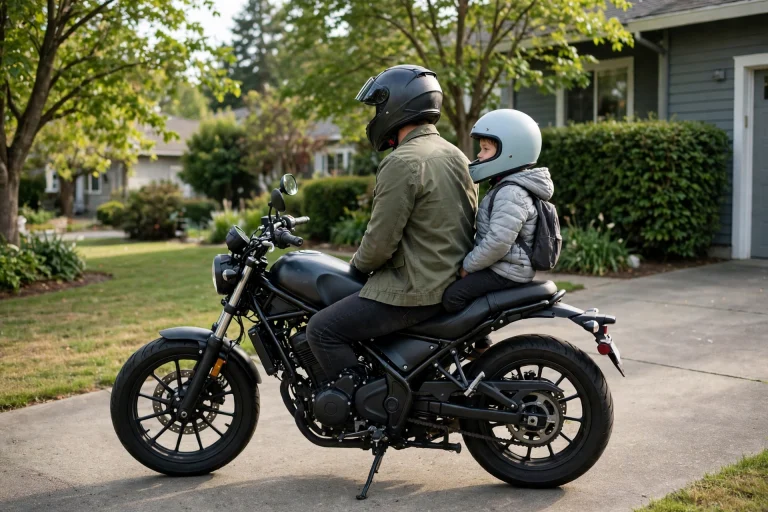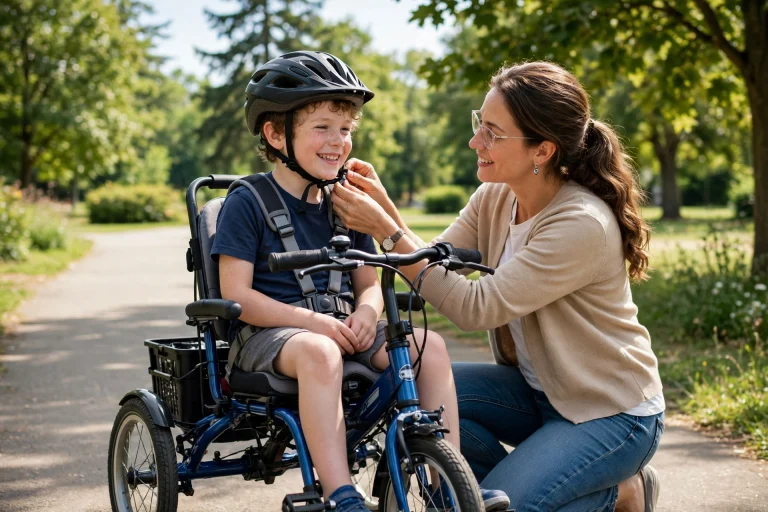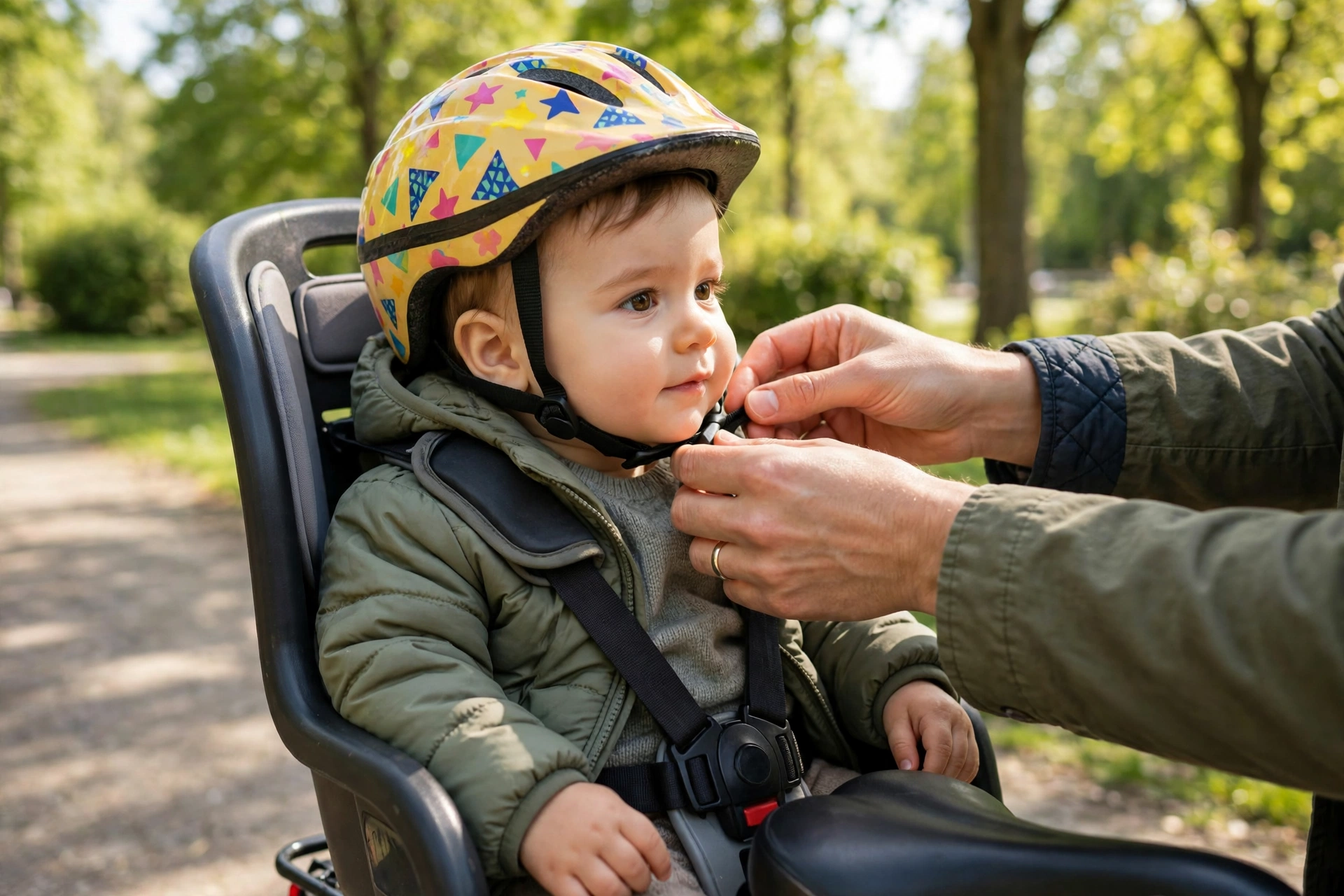
Yes, a baby can ride safely in a bike seat with a helmet — but in general terms, most pediatric and safety guidance suggests waiting until your baby is around 12 months old, has strong neck control, and can sit up steadily on their own. A properly fitting, certified baby helmet for a bike seat is an essential part of that picture, but the helmet alone does not make a too-young baby ready. Age, neck strength, fit, and the type of seat all matter together.
Many new parents are eager to share the bike with their baby. The questions are when to start and how to do it as safely as possible. This guide covers the guidance on age and neck strength, what to look for in a first helmet, and how to check the fit.
Is It Safe for a Baby to Ride in a Bike Seat?
In general terms, a baby riding in a well-installed child bike seat with a correctly fitted helmet is considered a reasonably safe activity once the baby is developmentally ready. The seat supports the child’s body, the harness keeps them secure, and the helmet protects the head, which is proportionally large and heavy on a baby’s body.
The concern with very young babies is not the seat itself but what happens inside it. Even a smooth bike ride produces bumps, vibration, and jostling. A baby whose neck muscles are still developing may not be able to hold their head steady — especially with the added weight of a helmet — and that uncontrolled movement is the main reason experts urge parents to wait.
There is also the question of what happens in a tip-over or fall. Adult riders can often put a foot down or absorb a fall; a strapped-in baby cannot. That is exactly why the helmet, the seat harness, and your own cautious riding all have to work together, and why starting at the right age matters so much.
How Old Should a Baby Be Before Riding in a Bike Seat?
The widely shared guidance is that babies should generally be around 12 months old before riding in a bike seat. By that age, in general terms, most babies can sit unsupported for extended periods and have the neck and trunk strength to hold their head up against the motion of the bike and the weight of a small helmet.
Every baby develops at their own pace, though. Some reach those milestones a little earlier and some a little later, which is why the number on the calendar is only a starting point. The better test is your baby’s actual ability: sitting steadily on the floor without toppling, holding their head upright and turning it freely, and tolerating gentle movement without slumping.
Because development varies, check with your pediatrician before the first ride. This is general guidance, not a law or a medical rule, and your child’s doctor knows their individual development. Some states and local areas also have rules about child passengers on bicycles, so it is worth checking the rules where you live — but regardless of what the law allows, your baby’s readiness is the real gate.
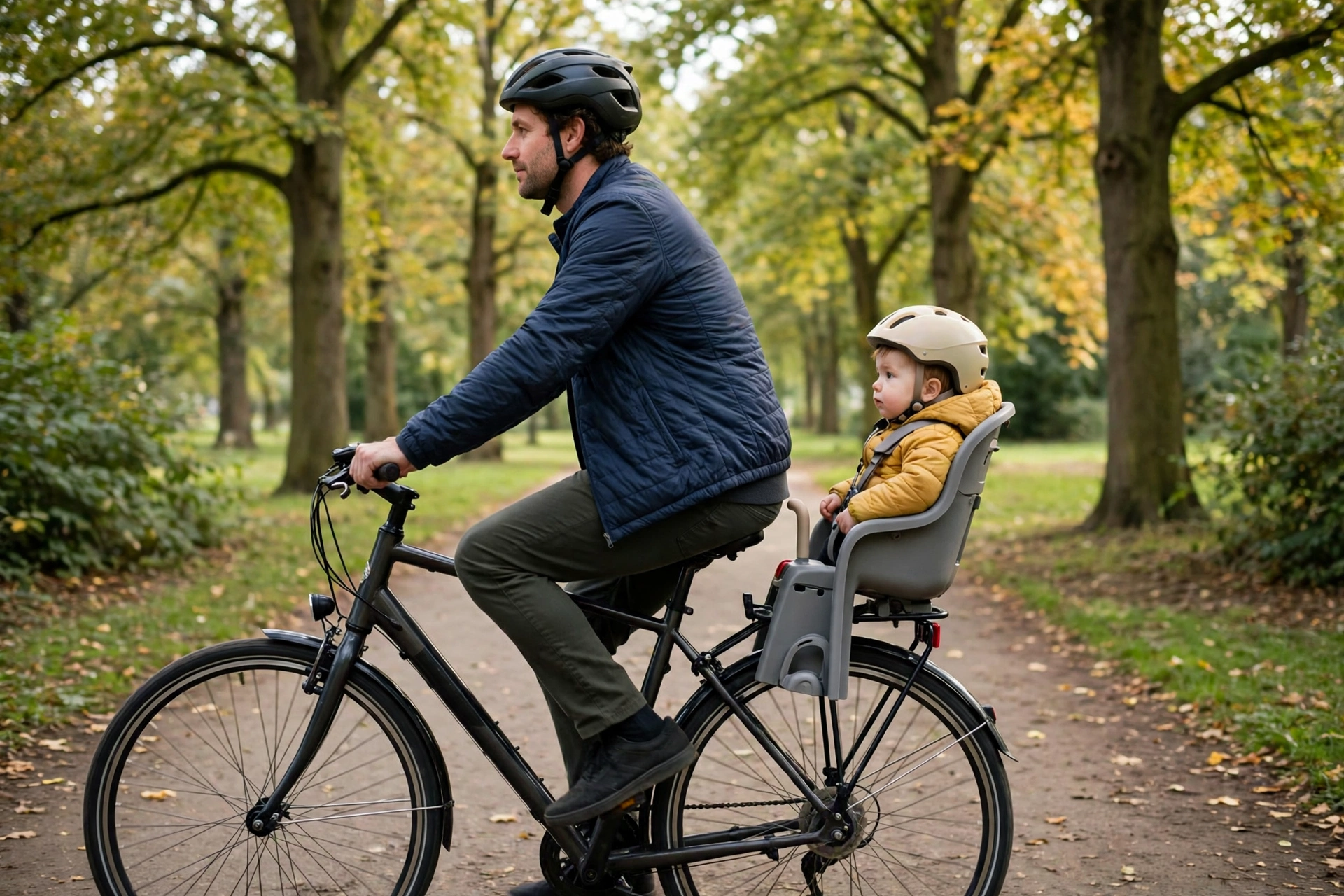
What Should You Look for in a Baby Helmet for a Bike Seat?
First, certification. Bike helmets sold for use in the United States must meet the CPSC safety standard, and a baby helmet is no exception. Look for the CPSC sticker inside the helmet, and buy from a reputable brand or shop so you know the label is genuine. Avoid novelty helmets that are shaped like toys but are not certified for cycling.
Second, size. Baby helmets come in very small sizes meant for heads in the smallest circumference ranges. Measure your baby’s head before you shop (more on that below) and choose the size that matches the measurement rather than buying a bigger one to grow into. A helmet that is too large will shift around on a small head and cannot do its job.
Third, weight and shape. The lightest helmet that fits properly is the kindest choice for a young neck. Many bike seats also have a high back or headrest, so look for a helmet with a smoother, flatter back profile that lets your baby rest their head against the seat instead of being pushed forward. A simple dial or pad fit system makes fine adjustments easier as your baby grows.
How Should a Baby’s Helmet Fit in a Bike Seat?
Measure around your baby’s head with a soft tape at the widest point, just above the eyebrows and ears, and match that measurement to the manufacturer’s size chart. The helmet should sit level on the head — not tilted back — with the front edge low on the forehead, roughly one to two finger widths above the eyebrows.
The helmet should feel snug all around without squeezing. Fasten the chin strap so it is snug but comfortable; a common parent check is that about one finger fits between the strap and the chin. The side straps should form a V shape that meets just below each ear. Then do the wiggle test: gently try to move the helmet front to back and side to side. It should move very little and should not slide down over the eyes or flop backward.
Finally, check the fit in the seat itself. Buckle your baby in, then confirm the helmet does not push their head forward against the seat back, the seat harness sits correctly over the shoulders, and your baby looks comfortable and upright. Some helmets also offer extra impact technology, such as the rotational liner explained in our guide to what MIPS is and how it works, which can be a nice extra — but for a baby, light weight and a correct fit come first.
When Should You Skip the Ride?
Skip the ride if your baby cannot yet sit steadily, seems tired or unwell, or cannot hold their head up comfortably with the helmet on. Sleepy babies slump in the seat, and a slumped position is not a safe one. If your baby consistently cries, fights the helmet, or goes floppy in the seat, take that as a sign to wait a few more weeks and try again.
Also skip it when conditions are against you: heavy traffic, poor weather, darkness, or routes with rough surfaces all add risk and jostling. Start with short, gentle rides on quiet paths close to home, and build up slowly as you and your baby gain confidence. Keep speeds modest and avoid sudden braking and sharp bumps where you can.
And a standing rule: replace any helmet after a crash or impact, even if it looks fine, because the foam can be damaged invisibly. Avoid hand-me-down helmets with an unknown history for the same reason.
Frequently Asked Questions
Q: What age can a baby start riding in a bike seat with a helmet?
A: In general terms, the commonly shared guidance is around 12 months old, once a baby can sit up steadily and has strong neck control. Because babies develop at different rates, confirm with your pediatrician before your first ride rather than relying on age alone.
Q: Are baby helmets certified the same way as bigger kids’ helmets?
A: Yes. Bike helmets sold in the United States, including the smallest baby sizes, must meet the CPSC bicycle helmet standard. Always check for the certification sticker inside the helmet and avoid uncertified novelty helmets.
Q: Is a bike trailer a safer option for a baby?
A: Trailers sit low to the ground and cannot tip the way a bike can, so many parents find them a calmer option. Your child should still wear a properly fitting helmet inside where one fits, and the same readiness guidance applies — check the trailer manufacturer’s age guidance and ask your pediatrician.

Olivia
Writer at Helmet Today, covering helmet reviews, fit and riding safety.