We may earn a commission when you buy through links on this page, at no extra cost to you. Learn more
A bicycle helmet with MIPS technology can add another layer of protection for riders. MIPS, which stands for Multi-directional Impact Protection System, uses a low-friction layer inside the helmet that allows some movement between the head and helmet during certain angled impacts. This design aims to help reduce rotational forces that can reach the head during a crash.
Different MIPS bicycle helmets offer different levels of ventilation, weight, fit adjustment, coverage, and riding performance. Road helmets often focus on low weight and airflow, while mountain bike helmets may provide more coverage around the back and sides of the head. Commuter and recreational models can offer a balance of comfort, visibility, and everyday practicality.
Fit should guide your choice as much as the MIPS system. Look for a helmet that sits level on your head and feels secure without creating painful pressure points. Check the size range, adjustment system, ventilation, weight, strap design, and certification before buying. Replace a helmet after a significant impact, even if the outside looks fine.
This guide covers five of the best MIPS bicycle helmets. We focus on MIPS protection, safety certification, fit, ventilation, weight, coverage, adjustment systems, comfort, strap design, durability, riding style, and overall value. These factors can help you choose a bicycle helmet that provides dependable protection while keeping your ride comfortable.
5 Best Mips Bicycle Helmets
| Image | Title | Best For | Link |
|---|---|---|---|
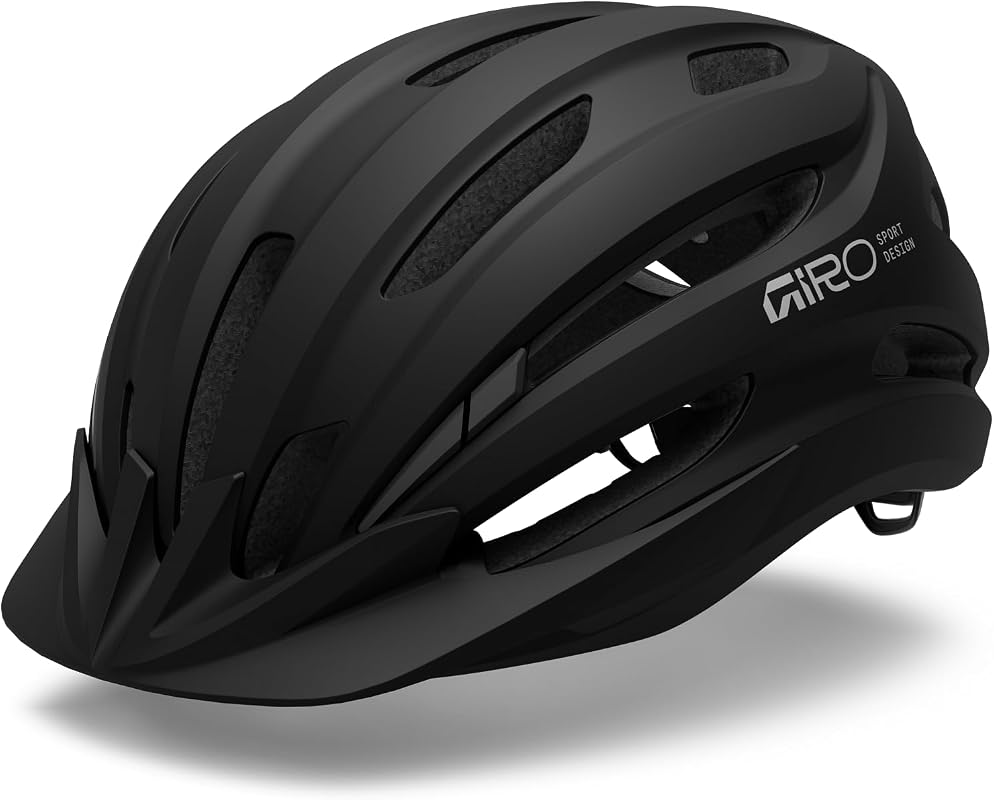 |
Giro Register MIPS II Helmet | Commuting and versatile trail riding. | View on Amazon |
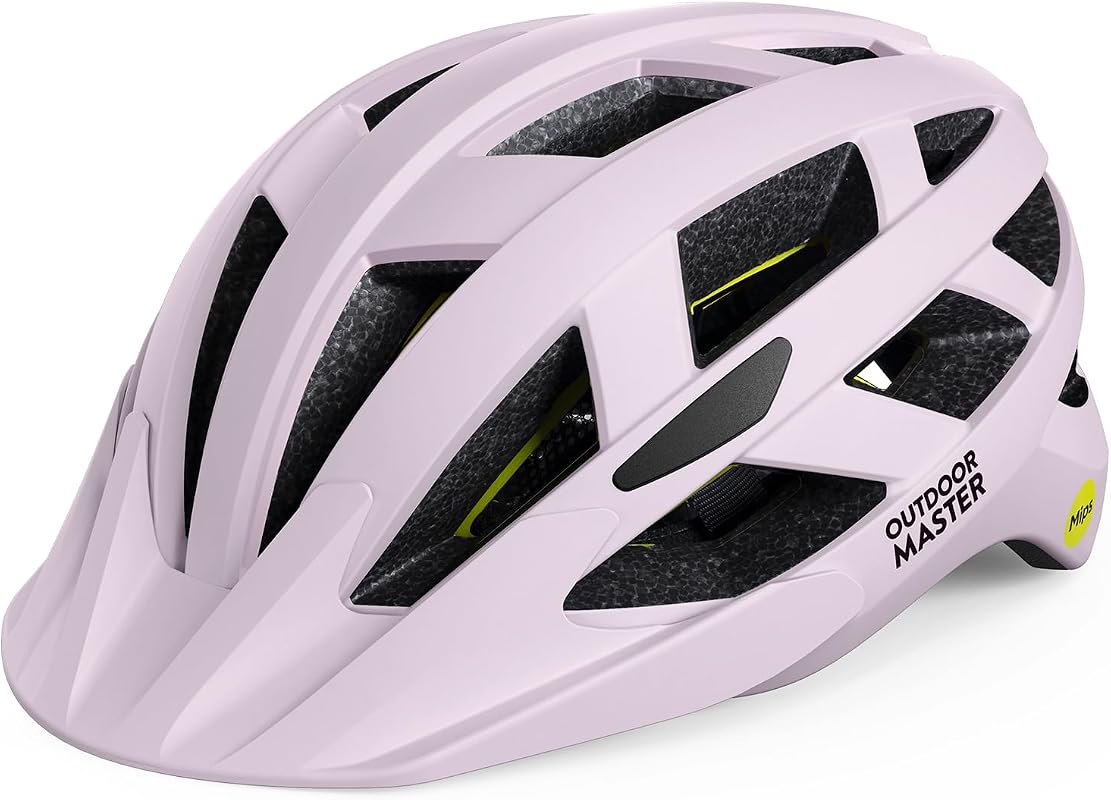 |
OutdoorMaster Gem MIPS Helmet | Recreational riders needing comfort. | View on Amazon |
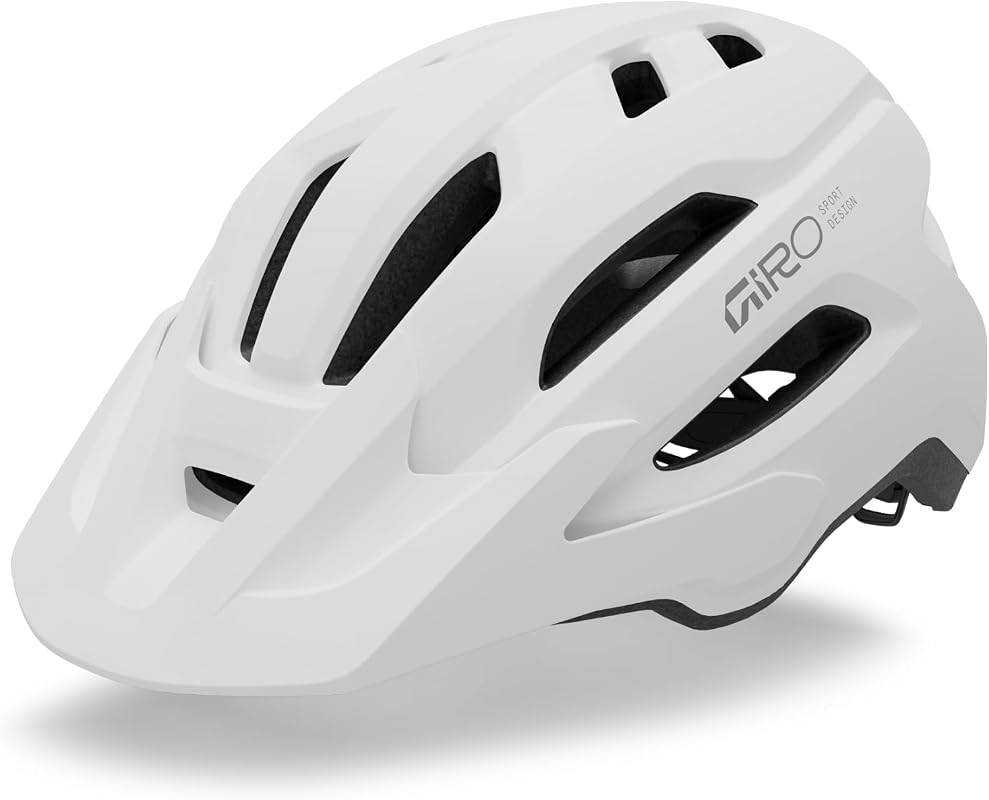 |
Giro Fixture MIPS II Helmet | Mountain bikers on a budget. | View on Amazon |
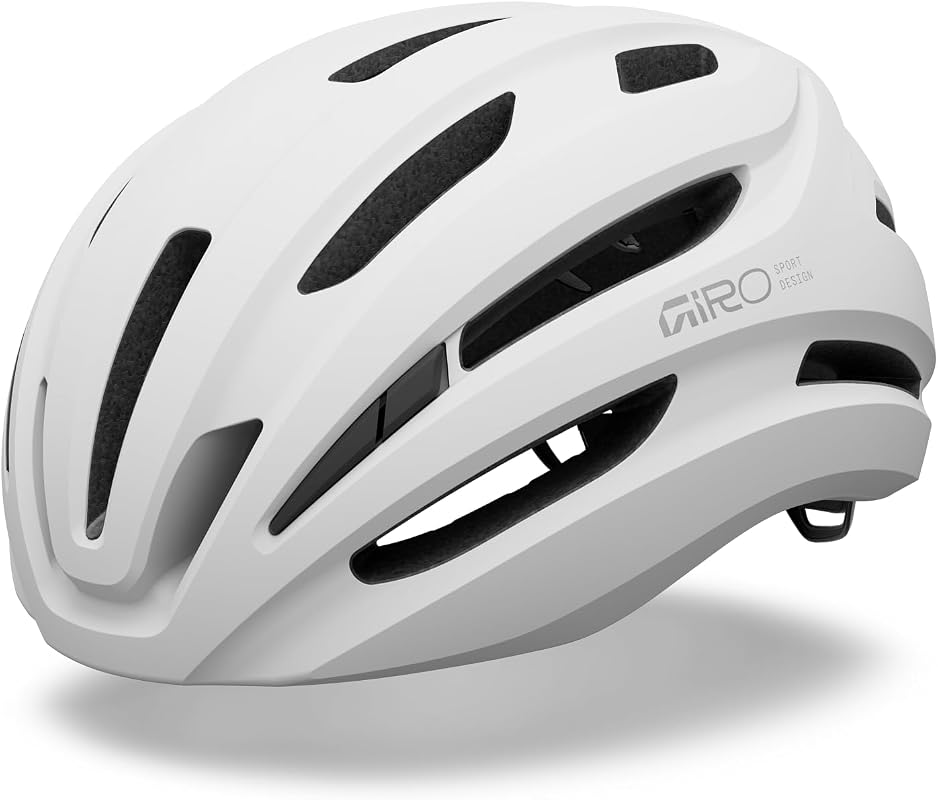 |
Giro Isode MIPS II Helmet | Road cycling and daily commuters. | View on Amazon |
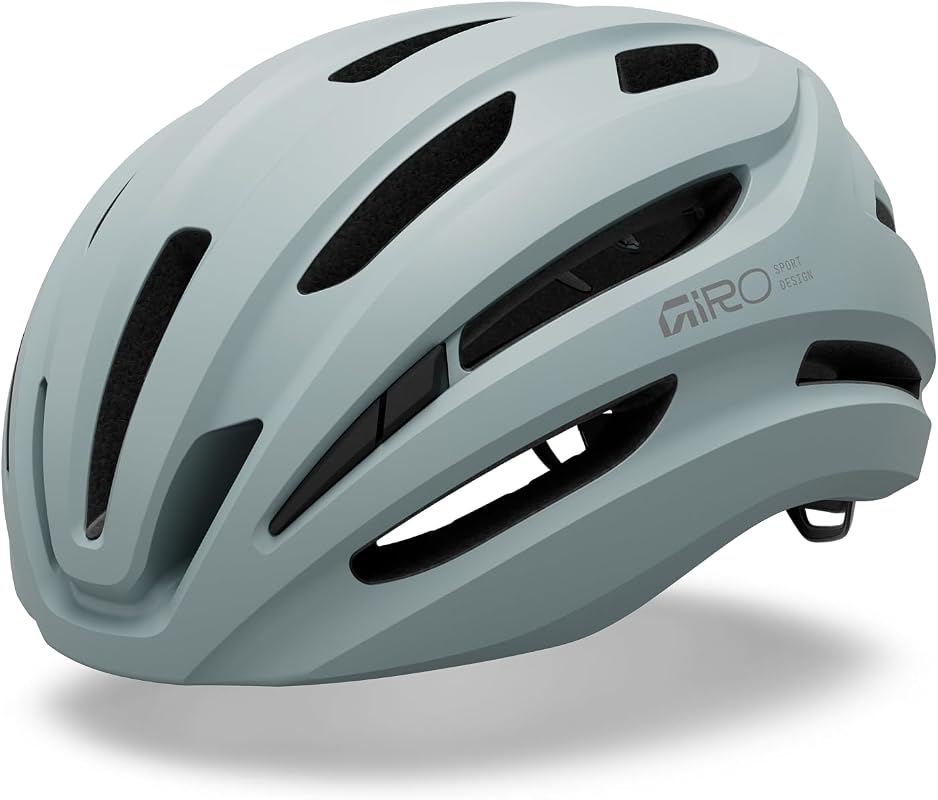 |
Giro Isode MIPS II Helmet | Road cycling and daily commuters. | View on Amazon |
Our Top 5 Best Mips Bicycle Helmets Reviews – Expert Tested & Recommended
1. Giro Register MIPS II Helmet
The Giro Register MIPS II is a fantastic all-rounder that blends a stylish look with top-tier safety features. It is built to keep you protected whether you are riding to work or hitting the trails on the weekend.
Key Features That Stand Out
- ✓ Integrated MIPS Brain Protection System for advanced safety
- ✓ Two-piece shell with durable in-mold hardbody construction
- ✓ Universal fit sizing that accommodates most head shapes easily
- ✓ Sleek and aerodynamic design suitable for various riding styles
Why We Recommend It
We love this helmet because it balances comfort and safety effortlessly. The fit system is highly adjustable, ensuring that the helmet stays securely in place without feeling restrictive during long rides.
Best For
Perfect for commuters and recreational mountain bikers who want one reliable helmet for everything.
Pros and Cons at a Glance
2. OutdoorMaster Gem MIPS Helmet
The OutdoorMaster Gem is all about personalized comfort. With its dual liner system, it allows riders to find the perfect fit, making it a standout option for those who struggle to find a helmet that feels just right.
Key Features That Stand Out
- ✓ MIPS system included for essential rotational impact protection
- ✓ Dual removable liners for customized fit and easy cleaning
- ✓ Highly adjustable dial for a secure head wrap
- ✓ Skin-friendly chin strap ensures comfort during long rides
Why We Recommend It
We recommend the Gem because it acknowledges that everyone’s head shape is different. By providing two thicknesses of liners, it solves the “wobble” issue that many riders experience with one-size-fits-most helmets.
Best For
Great for recreational riders who prioritize comfort and a secure fit above all else.
Pros and Cons at a Glance
3. Giro Fixture MIPS II Helmet
If you are looking for mountain bike-specific protection without the high price tag, the Giro Fixture MIPS II is an incredible choice. It provides extra rear coverage that is vital when you are navigating tricky terrain.
Key Features That Stand Out
- ✓ Extended rear coverage for increased head protection
- ✓ Integrated MIPS safety technology
- ✓ Roc Loc Sport fit system for quick, one-handed adjustments
- ✓ Deep vents that provide excellent airflow on hot days
Why We Recommend It
This is the go-to for many beginners because it doesn’t skimp on safety while remaining extremely affordable. The construction feels very robust, giving you peace of mind on the trails.
Best For
Ideal for mountain bikers and trail enthusiasts on a budget who want reliable, high-coverage protection.
Pros and Cons at a Glance
4. Giro Isode MIPS II Helmet
The Giro Isode MIPS II is a sleek, classic choice for road riders. It is lightweight, well-ventilated, and offers the essential MIPS protection required for high-speed riding on asphalt.
Key Features That Stand Out
- ✓ MIPS Evolve Core for advanced safety
- ✓ Lightweight In-Mold construction
- ✓ Roc Loc Sport fit system for precision adjustment
- ✓ Streamlined silhouette for road efficiency
Why We Recommend It
This is a no-nonsense helmet that does its job perfectly. It provides great airflow, which is a massive plus if you ride on sunny days, and it looks professional without feeling overly aggressive.
Best For
Excellent for road cycling enthusiasts and daily commuters looking for a clean, aerodynamic look.
Pros and Cons at a Glance
5. Giro Isode MIPS II Helmet
Essentially the same reliable performer as the previous entry, this Giro Isode MIPS II offers the same high standards of protection and comfort. It’s perfect for riders who appreciate a classic design and consistent safety specs.
Key Features That Stand Out
- ✓ Durable polycarbonate outer shell fused with foam
- ✓ Integrated MIPS safety for peace of mind
- ✓ Sleek, road-friendly design
- ✓ Versatile fit system for most adults
Why We Recommend It
We recommend the Isode II series generally because Giro has nailed the balance of price, performance, and weight. It’s a workhorse of a helmet that you can trust daily.
Best For
Ideal for road riders seeking a reliable, no-fuss helmet that looks great in any setting.
Pros and Cons at a Glance
Complete Buying Guide for Best Mips Bicycle Helmets
Essential Factors We Consider
When picking out a helmet, safety is non-negotiable. We always prioritize MIPS-equipped models because they provide that extra layer of rotational protection. Beyond that, we look for fit systems that are easy to use while riding, good ventilation to keep your head cool, and a weight that doesn’t feel like a heavy burden during long cycling sessions.
Budget Planning
You don’t need to spend a fortune to be safe. Many mid-range helmets, especially from trusted brands like Giro, offer excellent protection. While higher-end models might save a few extra grams or offer more premium finishes, the core safety technology in budget-friendly MIPS helmets is just as effective at protecting your brain.
Final Thoughts
Ultimately, the best MIPS bicycle helmet is the one that fits your head shape perfectly and makes you want to wear it every time you go for a ride. Never compromise on fit, as a loose helmet won’t offer the protection you expect in an accident.
Frequently Asked Questions
Q: What does MIPS actually do?
A: MIPS stands for Multi-Directional Impact Protection System. It is a slip-plane layer inside the helmet that lets the outer shell move slightly during an impact, which helps redirect the rotational forces that could otherwise reach your brain.
Q: Are MIPS helmets worth the extra cost?
A: Absolutely. Most experts agree that the added rotational protection is well worth the slight increase in price. It is an affordable way to add a significant safety benefit to your cycling gear.
Q: How do I know if my helmet fits correctly?
A: Your helmet should sit level on your head, not tilted back. It should feel snug and secure; when you shake your head, the helmet should move with it, not slide around independently.
Q: How often should I replace my MIPS helmet?
A: You should replace your helmet immediately after any significant impact, even if it looks undamaged. Otherwise, standard practice suggests replacing it every 3 to 5 years as the protective foam degrades over time due to UV exposure and sweat.

Olivia
Writer at Helmet Today, covering helmet reviews, fit and riding safety.