We may earn a commission when you buy through links on this page, at no extra cost to you. Learn more
A full-face mountain bike helmet can provide more coverage than an open-face design. It protects the head, cheeks, jaw, and chin while giving riders added confidence on technical trails, downhill sections, and rough terrain. A good fit remains essential because a loose helmet can move during a crash.
Different full-face helmets offer different combinations of weight, ventilation, protection, and comfort. Lightweight models can suit enduro and trail riding, while stronger downhill-focused designs can provide more extensive coverage. Adjustable fit systems, removable padding, visor design, airflow, and safety certifications also affect everyday use.
This guide covers five of the best mountain bike helmets full face. We focus on protection, fit, ventilation, weight, coverage, comfort, adjustability, visor design, durability, safety certification, and overall value. These factors can help you choose a full-face helmet that matches your riding style and trail conditions.
5 Best Mountain Bike Helmets Full Face
| Image | Title | Best For | Link |
|---|---|---|---|
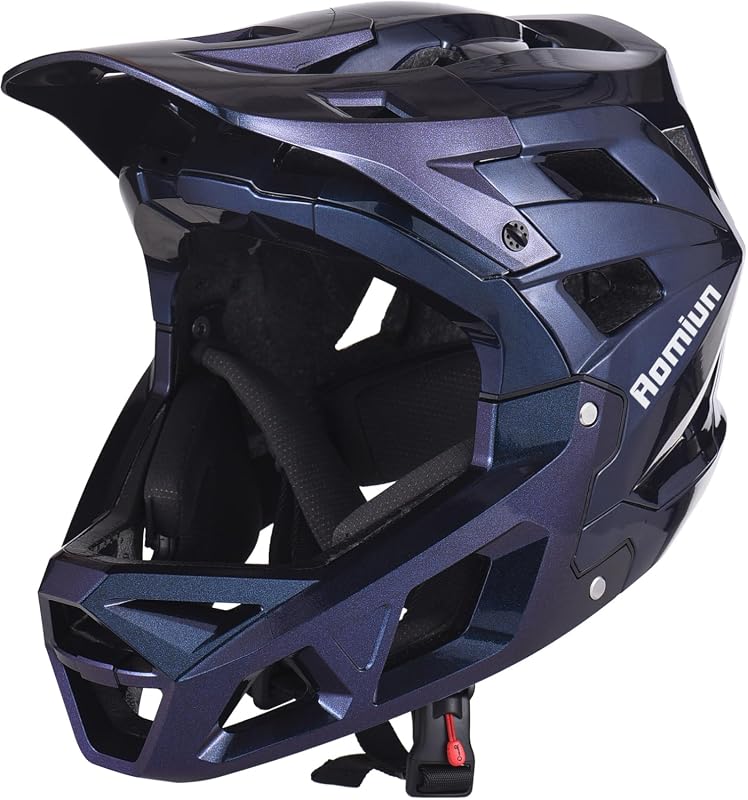 |
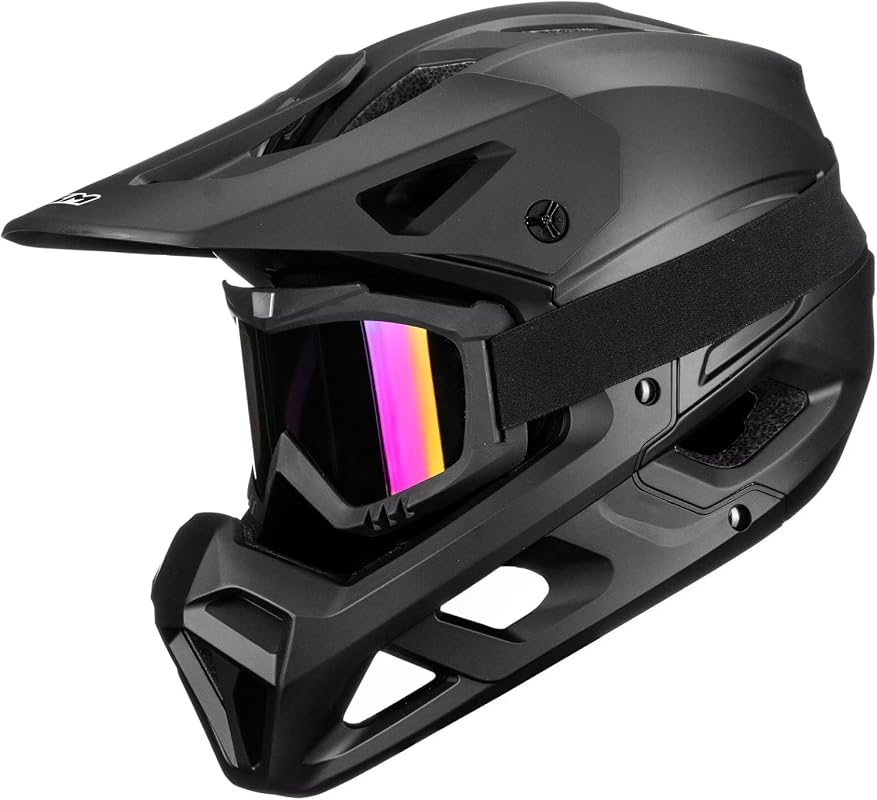
Adult Full Face Mountain Bike Helmet | Versatile trail riding with adjustable features. | View on Amazon |
 |
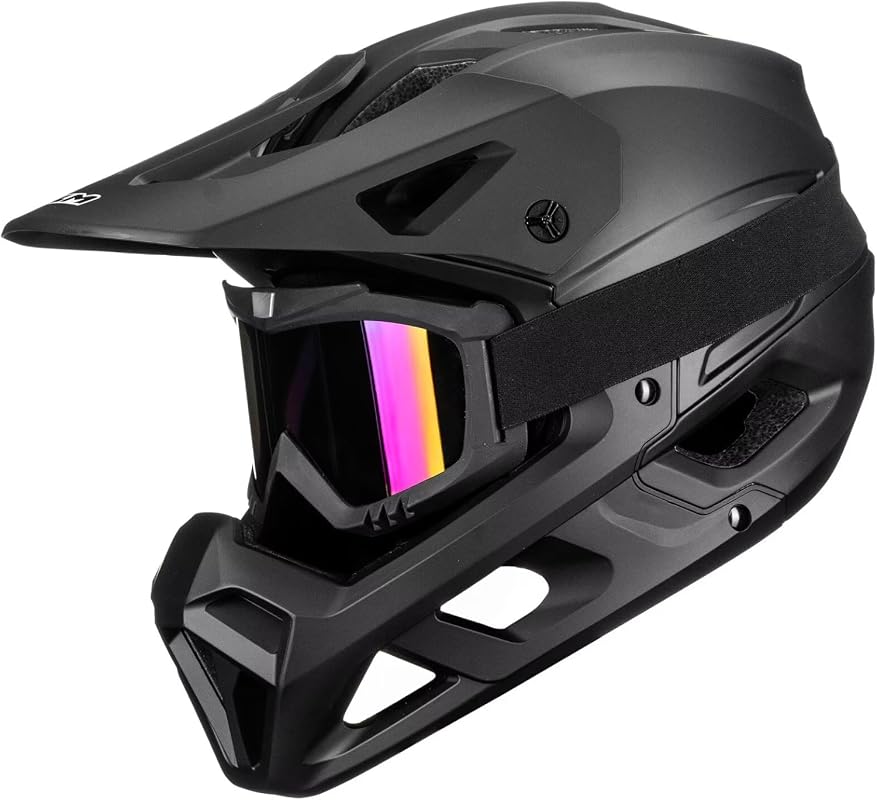
ILM HT58 Full Face MTB Helmet | Riders needing ASTM/CPSC certification. | View on Amazon |
 |
ILM HT58 Full Face MTB Helmet (Budget) | Value seekers requiring reliable protection. | View on Amazon |
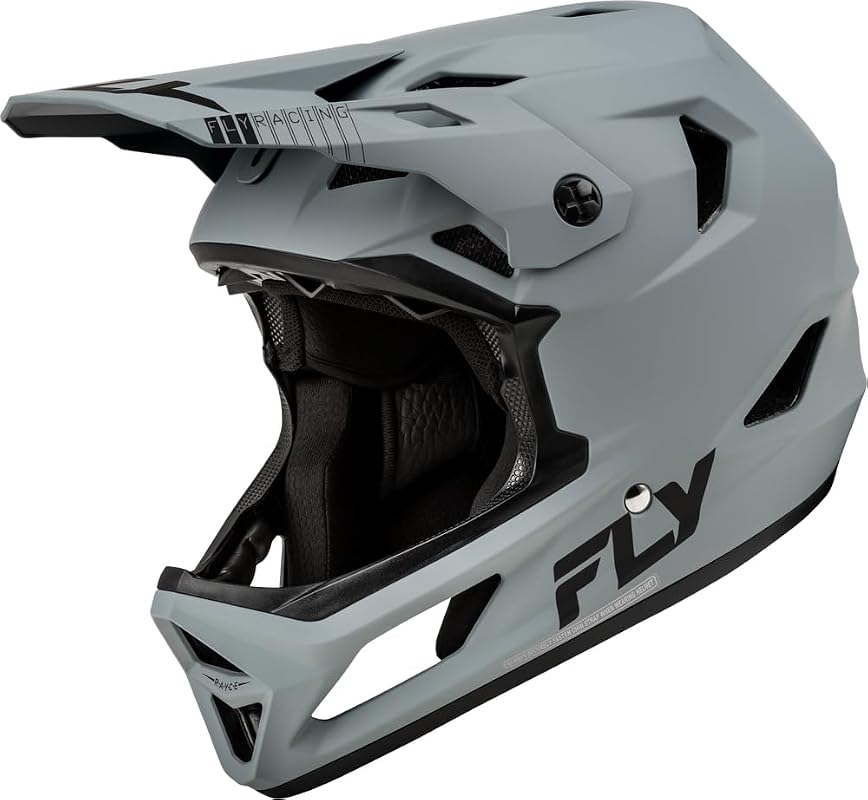 |
Fly Racing Rayce Full Face Helmet | High-speed downhill and bike park sessions. | View on Amazon |
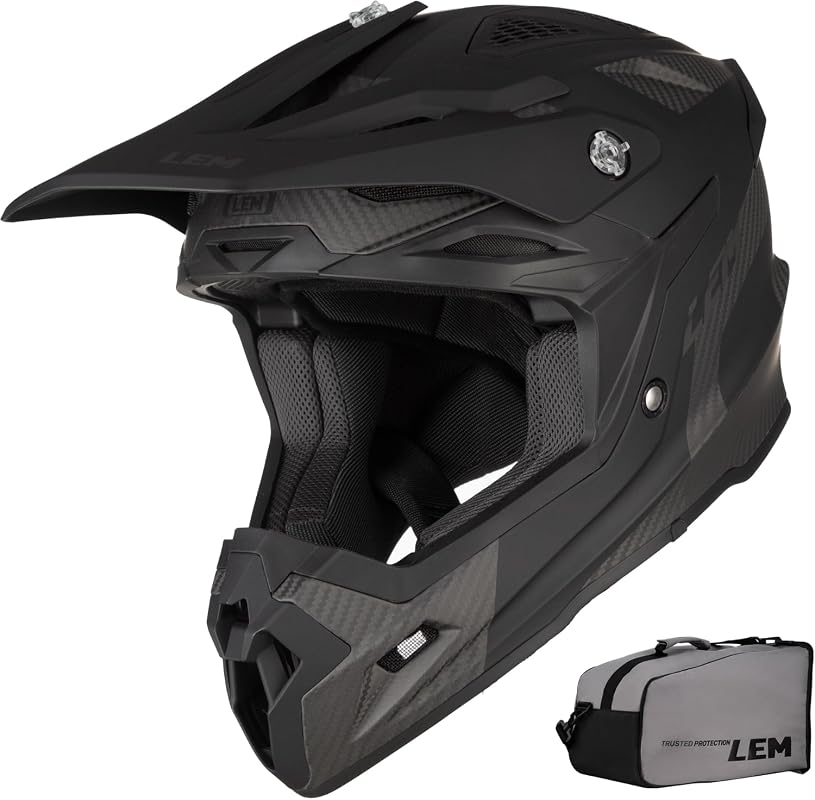 |
LEM MF07 Triple Full Face Helmet | Performance riders needing lightweight gear. | View on Amazon |
Our Top 5 Best Mountain Bike Helmets Full Face Reviews – Expert Tested & Recommended
1. Adult Full Face Mountain Bike Helmet
The adjustable full face mountain bike helmet with detachable visor and chin guard is a fantastic choice for riders who want versatility. It features a lightweight PC shell paired with a durable EPS liner that manages impact energy effectively.
Key Features That Stand Out
- ✓ Seamless one-piece aerodynamic shell construction.
- ✓ Detachable chin guard for dual-mode usage.
- ✓ 23 integrated air vents for superior cooling.
- ✓ Removable inner lining for easy cleaning.
Why We Recommend It
We love this helmet because it transitions perfectly between trail riding and more aggressive descents. Its ability to keep your head cool during long climbs while providing full protection on the way down is highly impressive.
Best For
Best for intermediate mountain bikers who want one helmet that does it all.
Pros and Cons at a Glance
2. ILM HT58 Full Face MTB Helmet
The ILM HT58 is built for safety and ruggedness. With ASTM and CPSC certifications, this helmet gives you peace of mind knowing it has been rigorously tested for high-impact protection on trails and BMX tracks.
Key Features That Stand Out
- ✓ Extended chin bar for maximum face protection.
- ✓ Includes dedicated goggles for seamless integration.
- ✓ ASTM F1447 and CPSC certified safety rating.
- ✓ Adjustable buckle and size dial for custom fit.
Why We Recommend It
It is rare to find a helmet that includes goggles and holds these rigorous safety certifications at this price point. The solid construction and EPP-reinforced chin bar make it a reliable partner for rough terrain.
Best For
Best for downhill riders who value certified safety standards above all else.
Pros and Cons at a Glance
3. ILM HT58 Full Face MTB Helmet (Budget)
If you are looking for the same great ILM safety features without breaking the bank, this version of the HT58 is your go-to. It provides the same robust protection and certified reliability at an entry-level price point.
Key Features That Stand Out
- ✓ Same certified safety as premium models.
- ✓ Adjustable visor for changing light conditions.
- ✓ Comfortable interior padding for long days.
- ✓ Sturdy chin bar prevents direct facial impact.
Why We Recommend It
We believe safety should be accessible to everyone. This helmet proves that you do not need to spend a small fortune to get a high-quality, fully certified, and durable piece of safety gear for your biking adventures.
Best For
Best for beginners or budget-conscious riders starting their journey in mountain biking.
Pros and Cons at a Glance
4. Fly Racing Rayce Full Face Helmet
The Fly Racing Rayce is specifically engineered for gravity-fed disciplines. With its ASTM DH certification, this helmet is designed to withstand the rigors of competitive downhill racing while keeping weight low enough to prevent rider fatigue.
Key Features That Stand Out
- ✓ Poly-alloy shell provides maximum durability.
- ✓ ASTM F1952 Downhill certified safety.
- ✓ TFV airflow system for excellent heat management.
- ✓ Lightweight construction at approx. 930g.
Why We Recommend It
This is a serious piece of equipment. The ventilation system is a standout, as most downhill helmets get stuffy, but this one keeps the air moving remarkably well during long laps at the bike park.
Best For
Best for downhill racers and aggressive trail riders who spend their weekends in the bike park.
Pros and Cons at a Glance
5. LEM MF07 Triple Carbon Fiber Full Face Helmet
For those who refuse to compromise on weight or protection, the LEM MF07 is the pinnacle of engineering. With a triple carbon fiber shell and dual-density foam, it offers incredible impact absorption without weighing you down.
Key Features That Stand Out
- ✓ Triple carbon fiber shell for extreme strength.
- ✓ Dual-density EPS/EPP foam for energy management.
- ✓ Ultralight 1200g design reduces neck fatigue.
- ✓ Advanced vent system for constant airflow.
Why We Recommend It
You can feel the difference in weight as soon as you put it on. It is remarkably light for a full-face helmet, which means less soreness after long days on the bike. It is a premium investment for a reason.
Best For
Best for competitive racers and serious enthusiasts who demand pro-level weight and protection.
Pros and Cons at a Glance
Complete Buying Guide for Best Mountain Bike Helmets Full Face
Essential Factors We Consider
When picking the best mountain bike helmets full face, look for safety certifications first. ASTM and CPSC standards ensure the gear has been tested against real-world crashes. Second, comfort is vital; check for adjustable fit systems, adequate padding, and most importantly, airflow. Since full-face helmets cover more surface area, ventilation systems determine whether you stay cool or overheat on steep climbs.
Budget Planning
Entry-level helmets often use durable plastics like polycarbonate, while professional-grade models use carbon fiber to shed weight. Determine your primary riding style—park riding vs. enduro racing—to decide if you need the ultra-lightweight benefits of a premium model or if a sturdy, reliable budget option fits your current skills better.
Final Thoughts
Invest in your safety. A good helmet is the most important piece of gear in your kit. Whether you choose a high-end carbon model or a reliable certified budget helmet, ensure it fits snugly and meets your specific riding needs to enjoy every trail run with total confidence.
Frequently Asked Questions
Q: Are full-face helmets too hot for summer riding?
A: Modern full-face helmets come with sophisticated ventilation systems and air channels designed to keep you cool, though they will always be slightly warmer than an open-face helmet due to the added protection.
Q: How do I know if the helmet is the right size?
A: Use a soft tape measure around the widest part of your head, usually just above your eyebrows. Compare this to the manufacturer’s size guide for the specific model you are looking at.
Q: Should I buy a carbon fiber helmet?
A: Carbon fiber is excellent if you are racing or riding for many hours, as the lower weight significantly reduces neck fatigue. If you are a casual rider, a standard high-quality EPS/PC model is perfectly adequate.

Olivia
Writer at Helmet Today, covering helmet reviews, fit and riding safety.