We may earn a commission when you buy through links on this page, at no extra cost to you. Learn more
A half-face MTB helmet can provide a useful balance between protection, airflow, and comfort. These open-face helmets cover the top, sides, and rear of the head while leaving the face open, making them popular for trail riding and everyday mountain biking. Current testing highlights fit, ventilation, coverage, and rotational-impact protection as key factors when choosing a trail helmet.
Different helmets offer different levels of coverage, ventilation, weight, and safety technology. MIPS and similar rotational-impact systems can add another layer of protection, while adjustable retention systems help keep the helmet secure. Large vents and internal airflow channels can also make a noticeable difference during long climbs and warm-weather rides.
This guide covers five of the best MTB half-face helmets. We focus on protection, fit, ventilation, weight, coverage, comfort, adjustment, durability, and overall value. These factors can help you find a dependable helmet for trail riding, enduro routes, and everyday mountain biking.
5 Best Mtb Half Face Helmets
| Image | Title | Best For | Link |
|---|---|---|---|
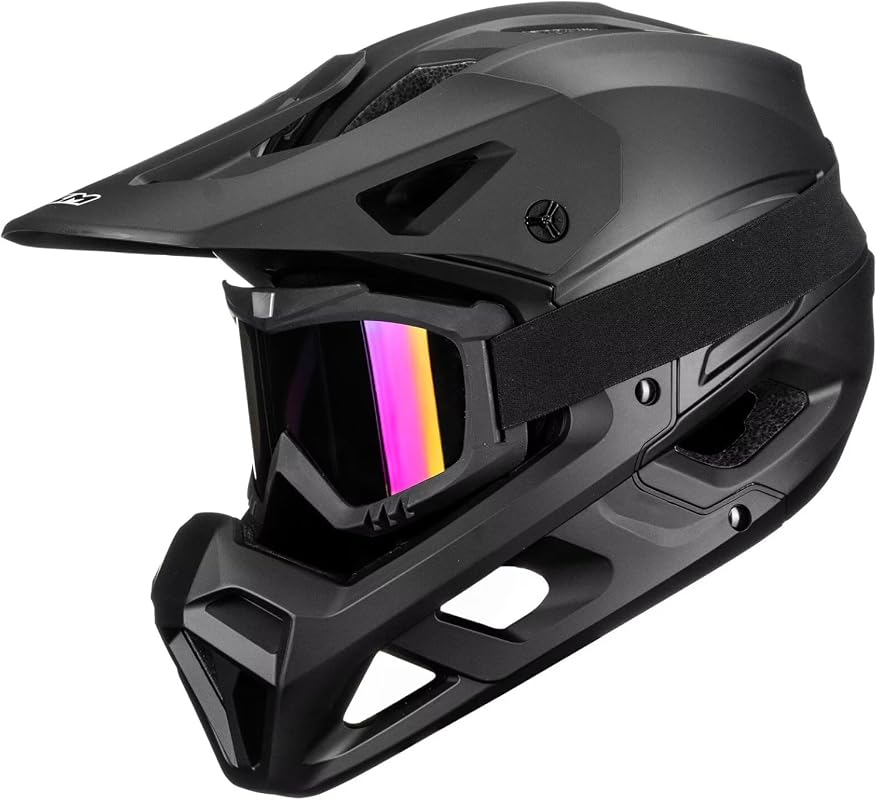 |
ILM HT58 Full Face Helmet | Full-face protection with an adjustable visor for MTB and BMX riders. | View on Amazon |
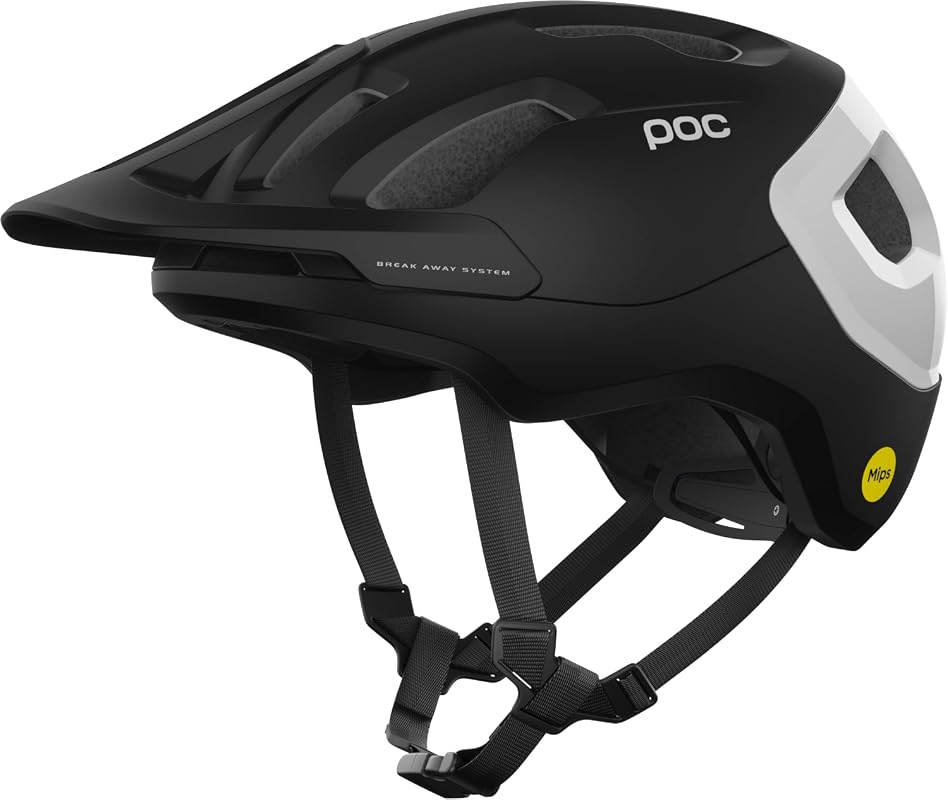 |
POC Axion Race MIPS Helmet | Trail and enduro riders needing superior MIPS brain protection. | View on Amazon |
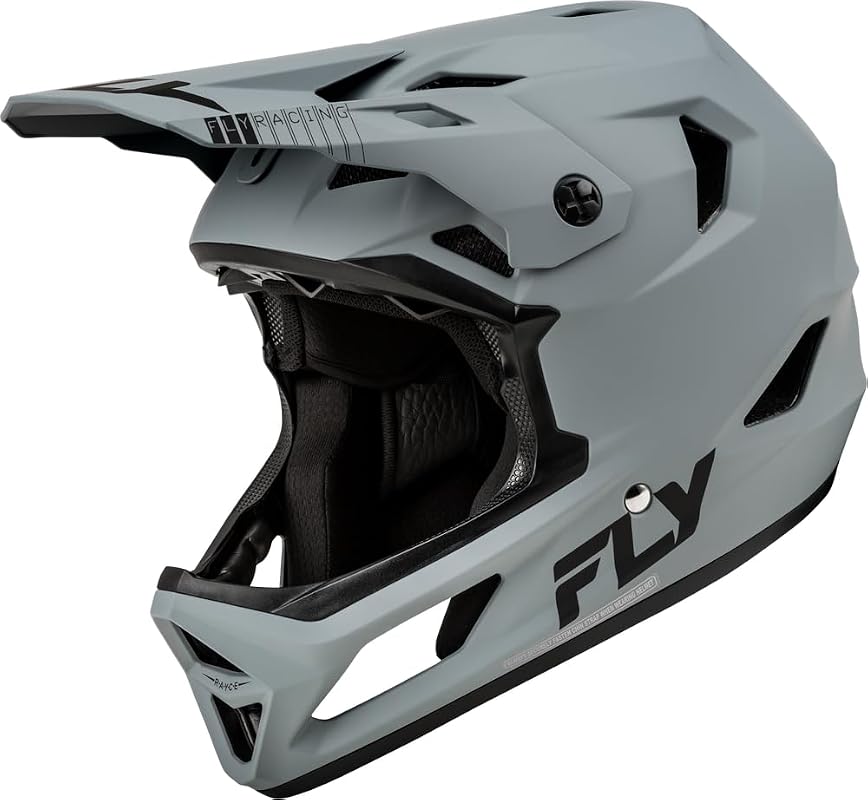 |
Fly Racing Rayce Full-Face Helmet | Budget-conscious riders who need ASTM downhill certification. | View on Amazon |
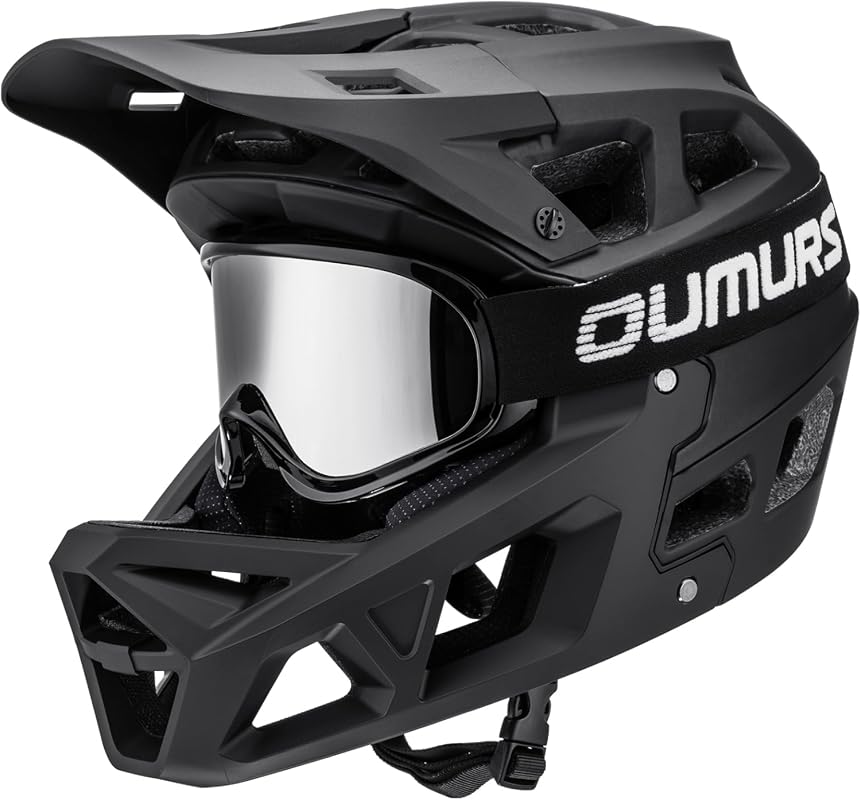 |
OUMURS Adult Full Face Helmet | E-bike and enduro enthusiasts seeking a lightweight, vented build. | View on Amazon |
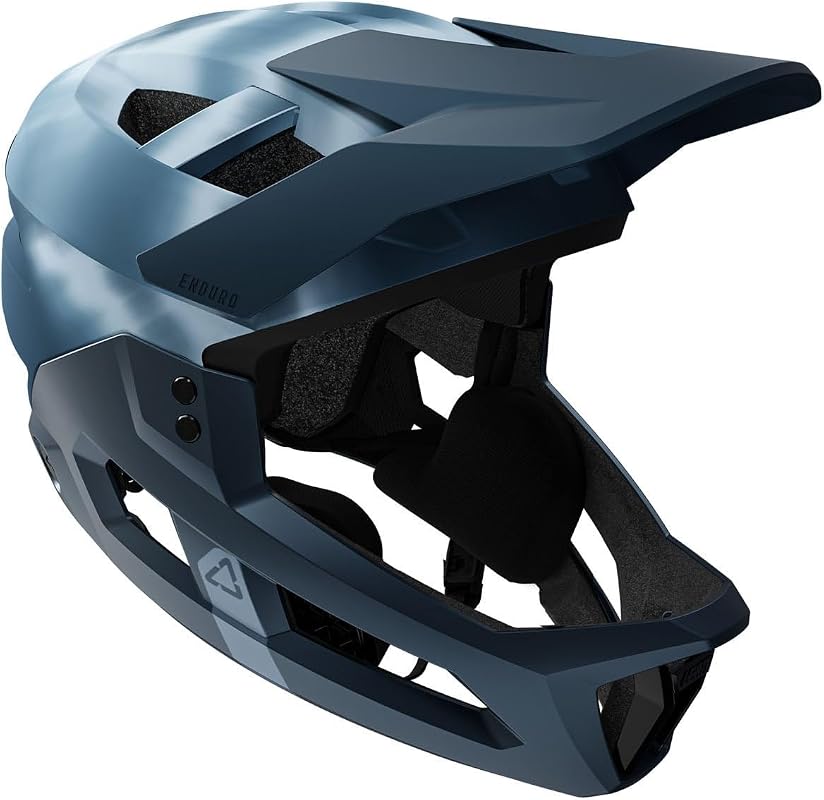 |
Leatt MTB Enduro 2.0 Helmet | Riders wanting a versatile 2-in-1 convertible system. | View on Amazon |
Our Top 5 Best Mtb Half Face Helmets Reviews – Expert Tested & Recommended
1. ILM Full Face Mountain Bike Helmet
The ILM HT58 is a fantastic option for those who want solid protection without breaking the bank. It comes with a functional adjustable visor and included goggles, making it a complete package for riders hitting the local trails or bike parks.
Key Features That Stand Out
- ✓ ASTM and CPSC certified for reliable impact protection.
- ✓ EPP-reinforced chin bar adds extra structural integrity.
- ✓ Adjustable buckle and size dial ensure a secure, personalized fit.
Why We Recommend It
This helmet stands out because it offers a high level of safety certification at an accessible price point. The inclusion of goggles and a sturdy chin bar means you are ready to ride right out of the box.
Best For
Budget-conscious mountain bikers and BMX riders who need full-face security during their daily sessions.
Pros and Cons at a Glance
2. POC Axion Race MIPS Helmet
When it comes to high-end protection, the POC Axion Race is a class leader. Designed for trail and enduro riding, this helmet integrates MIPS technology to handle rotational impact, giving you peace of mind on technical descents.
Key Features That Stand Out
- ✓ MIPS Integra brain protection system for enhanced safety.
- ✓ Optimized ventilation keeps you cool during high-intensity rides.
- ✓ Adjustable 360-degree fit system for a precise, comfortable hold.
Why We Recommend It
The build quality of this helmet is top-tier. It is incredibly lightweight and stays well-ventilated, which makes it perfect for long days in the saddle where comfort is just as important as protection.
Best For
Experienced riders who prioritize high-level safety technology and long-term comfort on diverse trail terrain.
Pros and Cons at a Glance
3. Fly Racing Rayce Full-Face Helmet
The Fly Racing Rayce is the definition of “getting the job done.” It features a rugged poly-alloy shell and is specifically tested to meet ASTM Downhill certification standards, making it a reliable choice for aggressive riding.
Key Features That Stand Out
- ✓ Certified for Downhill (ASTM F1952) and CPSC standards.
- ✓ True Functional Ventilation system manages heat efficiently.
- ✓ Lightweight construction helps reduce neck fatigue during long park laps.
Why We Recommend It
If you are heading to the bike park for the first time or need a dedicated full-face helmet that is tough, this is it. It provides high-grade safety without the steep price tag found in pro-level racing gear.
Best For
Downhill and bike park riders needing certified protection on a reasonable budget.
Pros and Cons at a Glance
4. OUMURS Adult Full Face Helmet
The OUMURS full-face helmet is a great pick for e-bike enthusiasts. Its multi-channel ventilation system is specifically designed to pull air through efficiently, keeping you comfortable during high-speed rides.
Key Features That Stand Out
- ✓ Triple-certified safety including ASTM standards.
- ✓ Lightweight build that doesn’t compromise on durability.
- ✓ Includes matching goggles for a complete trail look.
Why We Recommend It
We love the airflow on this one. Many full-face helmets can feel stuffy, but the OUMURS design uses pressure differentials to vent hot air effectively, making it much more bearable for extended trail sessions.
Best For
Riders looking for a versatile, well-ventilated helmet for e-bike trails and enduros.
Pros and Cons at a Glance
5. Leatt MTB Enduro 2.0 Helmet
The Leatt 2.0 is a game-changer if you want the flexibility of both a half-shell and full-face helmet in one. With its removable chin bar and 360 Turbine tech, it is arguably the most versatile helmet on this list.
Key Features That Stand Out
- ✓ 2-in-1 design with a removable chin bar.
- ✓ 360 Turbine technology reduces rotational head impacts.
- ✓ Fidlock magnetic buckle for easy on and off.
Why We Recommend It
This is perfect for someone who rides different types of terrain. You can climb in the half-shell mode and quickly snap on the chin bar when things get rowdy on the downhill sections. It is super convenient and highly safe.
Best For
Enduro riders who want one helmet for both climbing and aggressive descents.
Pros and Cons at a Glance
Complete Buying Guide for Mtb Half Face Helmets
Essential Factors We Consider
When shopping for the best MTB half face helmets, start by looking at safety certifications. Look for terms like CPSC, ASTM, or CE EN1078. Beyond that, consider ventilation; if you live in a hot climate, a helmet with more intake and exhaust ports is crucial. Fit is also non-negotiable—always measure your head according to the manufacturer’s size chart to avoid pressure points.
Budget Planning
You can find entry-level helmets that offer basic protection for a lower cost, but as you spend more, you gain features like MIPS, lighter materials, and better ventilation. Think about how often you ride; if you are on the trails every weekend, investing in a high-end helmet with better comfort features is worth every penny for the long term.
Final Thoughts
Ultimately, the best helmet is the one you feel comfortable wearing on every ride. Whether you go for the budget-friendly ILM or the high-tech POC Axion, ensure it fits snugly and meets the safety needs of your specific riding style. Don’t compromise on your safety, as your head deserves the best protection available.
Frequently Asked Questions
Q: Should I wear a full-face or half-face helmet for mountain biking?
A: It depends on the trail. Half-face is great for cross-country and casual trail riding. If you are doing downhill, bike park, or enduro, a full-face helmet is highly recommended for the extra jaw and face protection.
Q: How do I know if my MTB helmet fits properly?
A: A proper helmet should sit level on your head and not rock back and forth. You should be able to tighten the rear dial until it is snug but not painful, and the straps should form a ‘V’ shape just under your ears.
Q: When should I replace my mountain bike helmet?
A: You should replace your helmet immediately after any significant impact. Even if there are no visible cracks, the foam may have compressed and lost its ability to protect you. Otherwise, replace it every 3 to 5 years due to general wear and degradation of materials.
Q: What is MIPS technology?
A: MIPS (Multi-directional Impact Protection System) is a low-friction layer inside the helmet that allows the head to move slightly inside the helmet during an angled impact, significantly reducing the rotational forces transmitted to your brain.

Olivia
Writer at Helmet Today, covering helmet reviews, fit and riding safety.