We may earn a commission when you buy through links on this page, at no extra cost to you. Learn more
Upgrading to a high-performance mountain bike helmet does not require spending top-tier cash. The sub-150 price bracket delivers the ultimate balance of advanced safety features, superior ventilation, and lightweight comfort. Modern mid-range trail helmets feature rotational impact protection, extended rear coverage, and deep internal air channels to handle aggressive singletrack.
Multi-position adjustable visors accommodate riding goggles seamlessly, while micro-dial retention cradles ensure a customized, shift-free fit over rough terrain. High-grade EPS foam liners absorb heavy impact forces, and moisture-wicking brow pads prevent sweat from dripping into rider eyes.
Smart riders secure five-star safety ratings and sleek, aggressive styling while leaving plenty of budget for additional trail gear. This expert buying guide spotlights six top-rated MTB helmets under 150 engineered for maximum protection, cool airflow, and all-day trail comfort.
6 Best Mtb Helmets Under 150
| Image | Title | Best For | Link |
|---|---|---|---|
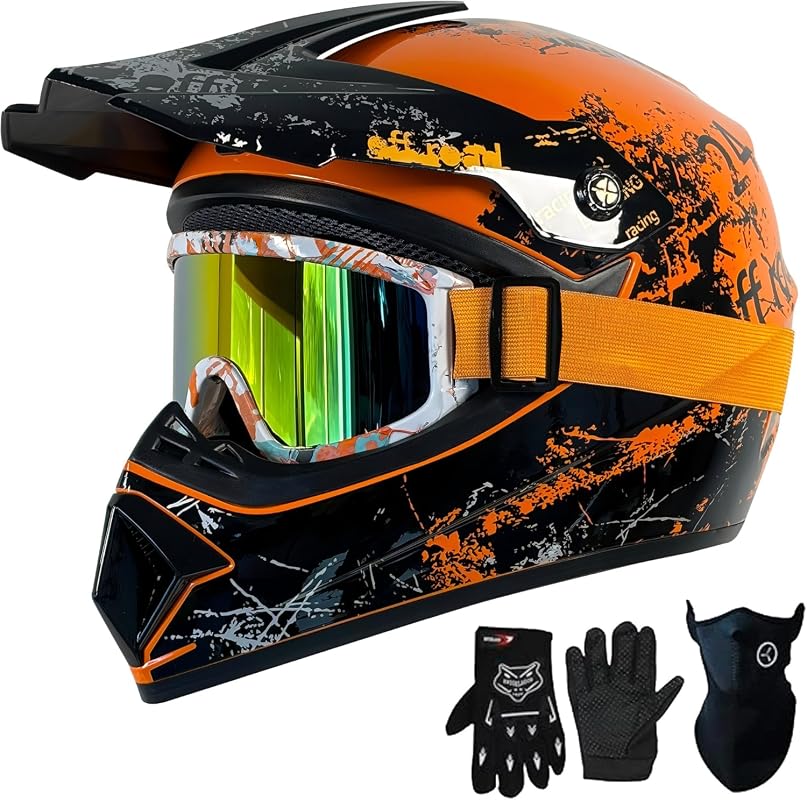 |
Youth Dirt Bike Full Face Helmet | Best for young riders needing high-impact protection for off-road dirt bike and ATV adventures. | View on Amazon |
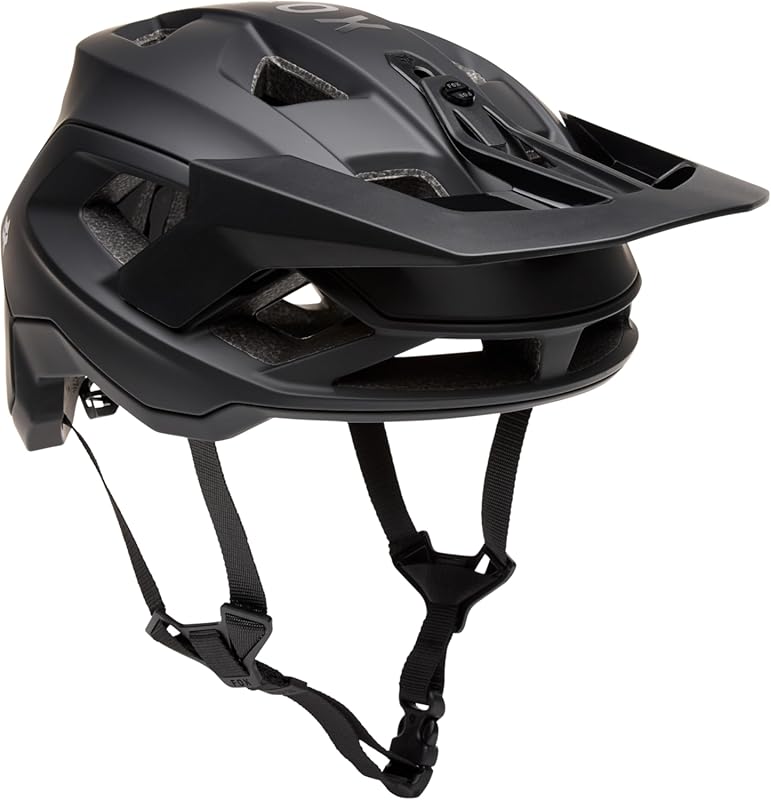 |
Fox Racing Speedframe | Top choice for trail riders looking for advanced MIPS rotational safety and cooling. | View on Amazon |
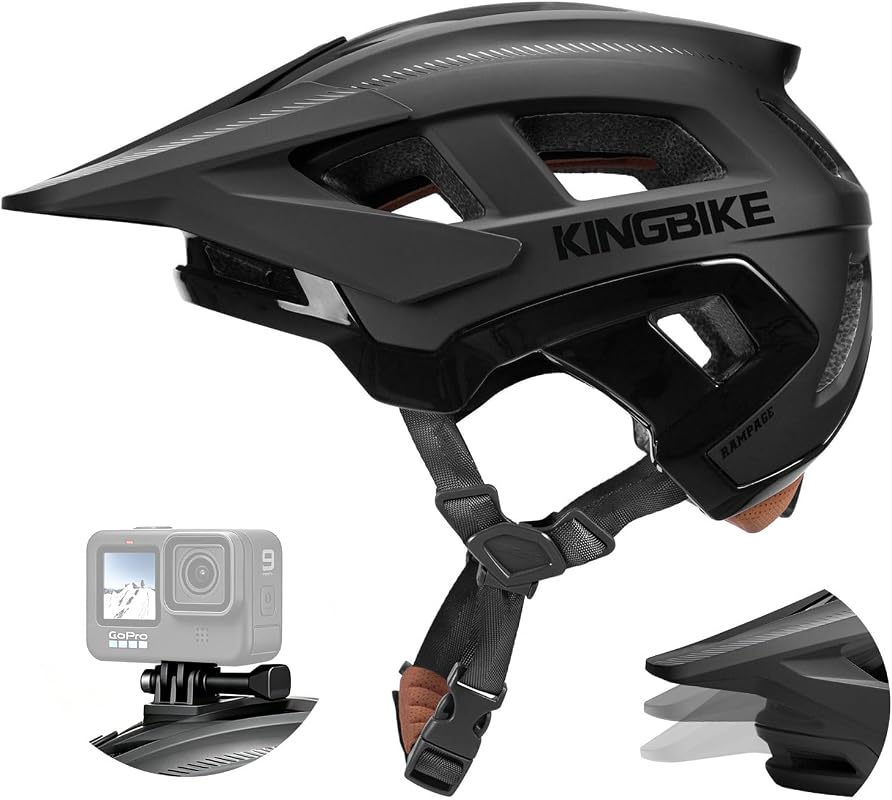 |
KINGBIKE NTA-8776 E-Bike | Perfect for tech-savvy riders needing a camera mount and triple-certified safety. | View on Amazon |
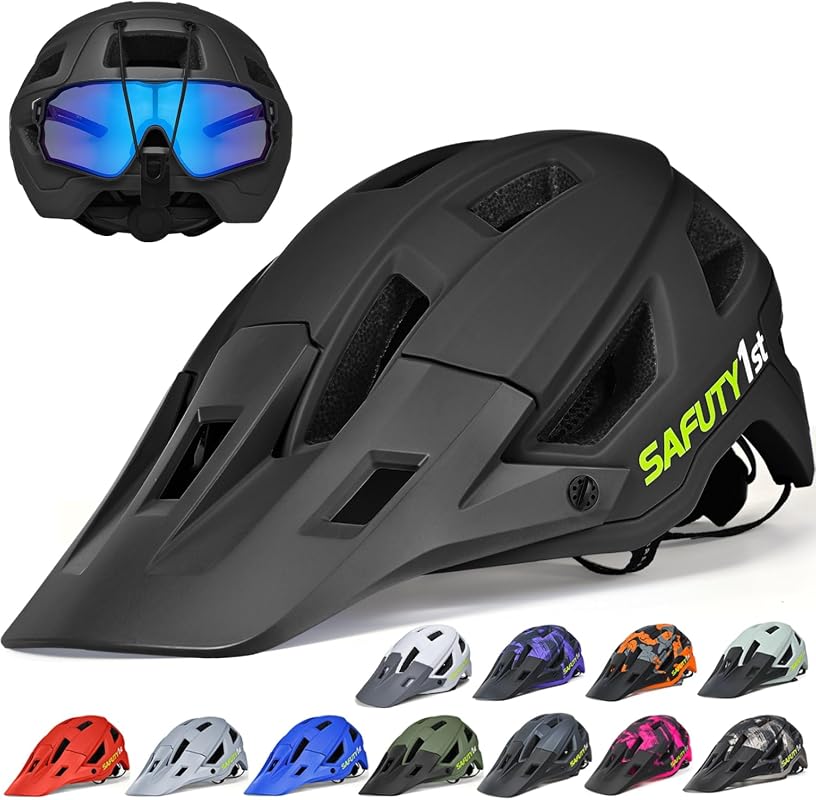 |
Adult CPSC Bike Helmet | Great for commuters and recreational riders needing basic, reliable impact protection. | View on Amazon |
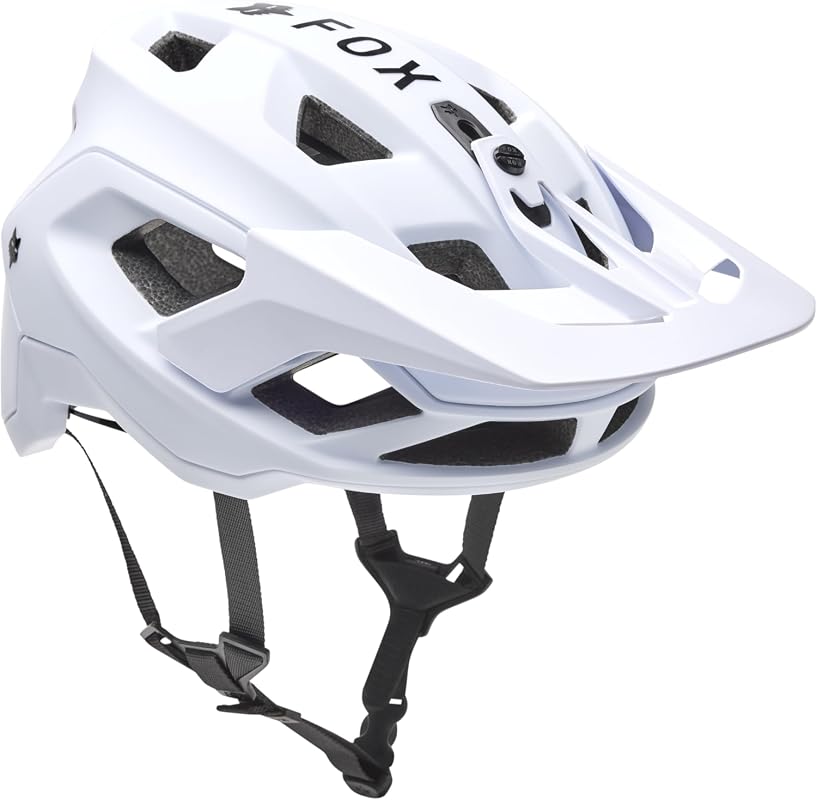 |
Fox Racing Speedframe | The classic trail choice for riders seeking a premium brand at an affordable price. | View on Amazon |
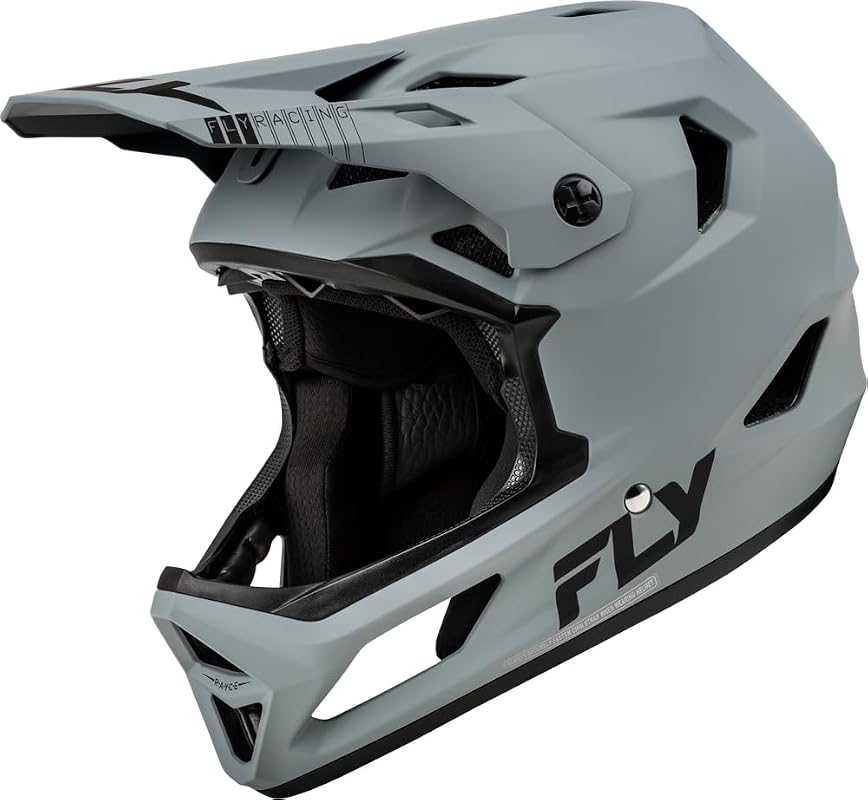 |
Fly Racing Rayce Full-Face | Best for downhill and park riders needing ASTM-certified full-face protection on a budget. | View on Amazon |
Our Top 6 Best Mtb Helmets Under 150 Reviews – Expert Tested & Recommended
1. DOT Certified Youth Full Face Helmet
This full-face helmet is a standout for younger riders who need robust safety features for dirt bikes or ATVs. Its durable ABS shell and energy-absorbing liner provide a high level of confidence for parents and kids alike.
Key Features That Stand Out
- ✓ DOT-certified safety ensures rigorous testing standards.
- ✓ Reinforced ABS outer shell for maximum impact resistance.
- ✓ Advanced EPS inner liner for better shock absorption.
- ✓ Multi-sport versatility for various off-road adventures.
Why We Recommend It
We love this helmet because it doesn’t sacrifice safety for a lower price point. It hits that sweet spot of durability and comfort that young riders need to stay protected on the trail.
Best For
This is the go-to choice for young riders engaging in dirt biking, ATV riding, or motocross activities.
Pros and Cons at a Glance
2. Fox Racing Speedframe Mountain Bike Helmet
The Fox Racing Speedframe is a favorite among trail riders for its combination of style and safety. It features the MIPS rotational protection system, which is crucial for modern mountain biking.
Key Features That Stand Out
- ✓ MIPS protection system to reduce rotational forces.
- ✓ Optimized venting for airflow during strenuous climbs.
- ✓ Removable and washable moisture-wicking liner.
- ✓ Sunglass-compatible design for convenience.
Why We Recommend It
It’s hard to beat the reputation of Fox Racing when it comes to mountain bike gear. The Speedframe is incredibly lightweight and stays cool on hot summer days.
Best For
Trail riders and all-mountain explorers who want professional-level safety and comfort.
Pros and Cons at a Glance
3. KINGBIKE NTA-8776 E-Bike Helmet
For those who love to document their rides, the KINGBIKE NTA-8776 is an incredible value. It comes with a built-in camera mount and triple-certification for added safety confidence.
Key Features That Stand Out
- ✓ Triple-certified safety for US and EU standards.
- ✓ Integrated action camera mount for vlogging.
- ✓ Three-position adjustable visor.
- ✓ Comfortable fit for both adults and youth.
Why We Recommend It
The versatility here is unmatched at this price. It feels secure, looks modern, and the added camera mount makes it perfect for adventure seekers.
Best For
Vloggers and trail enthusiasts who want to capture their rides without spending a fortune.
Pros and Cons at a Glance
4. Adult CPSC Certified Bike Helmet
Reliability meets affordability in this CPSC-certified helmet. It’s a great workhorse for daily commuters and casual riders who want something straightforward and safe.
Key Features That Stand Out
- ✓ CPSC and ASTM-certified impact protection.
- ✓ One-hand adjustable dial fit system.
- ✓ Removable visor for sun and debris protection.
- ✓ Lightweight shell design.
Why We Recommend It
If you don’t need fancy features and just want a helmet that fits well and is safe for urban or light trail use, this is it.
Best For
Urban commuters and recreational weekend riders.
Pros and Cons at a Glance
5. Fox Racing Speedframe Mountain Bike Helmet
Another excellent variation of the Fox Racing Speedframe. It features the same high-end build quality and protection that mountain bikers trust, ensuring consistent performance on any trail.
Key Features That Stand Out
- ✓ MIPS added protection system for rotational safety.
- ✓ Optimized EPS foam channels for cool airflow.
- ✓ Washable liner to keep it fresh after rides.
- ✓ Secure fit system that avoids pressure points.
Why We Recommend It
It’s consistently comfortable and provides peace of mind. For those who find one color or style slightly more appealing, this version offers the same reliability as the rest of the Speedframe line.
Best For
Dedicated mountain bikers who want trusted branding and proven safety systems.
Pros and Cons at a Glance
6. Fly Racing Rayce Full-Face Helmet
If you are looking to get into downhill or park riding, the Fly Racing Rayce is the best budget-friendly full-face helmet you will find. It is ASTM-certified, meaning it meets the specific needs of gravity riding.
Key Features That Stand Out
- ✓ ASTM F1952-15 certified for downhill safety.
- ✓ Poly-alloy shell is both lightweight and tough.
- ✓ TFV (True Functional Ventilation) system for airflow.
- ✓ Well-balanced weight reduces rider fatigue.
Why We Recommend It
Full-face protection is usually very expensive, but Fly Racing has made it accessible. It’s light, breathable, and meets all the safety standards required for intense gravity riding.
Best For
Downhill and bike park riders who need maximum coverage without the high cost.
Pros and Cons at a Glance
Complete Buying Guide for Best Mtb Helmets Under 150
Essential Factors We Consider
When selecting the best helmet, safety should always be the priority. Look for certifications like CPSC, CE EN1078, or ASTM. We also weigh the importance of MIPS (Multi-directional Impact Protection System) for trail riding, as it helps manage rotational forces during a crash. Ventilation, weight, and the adjustability of the fit system are the next most important factors to keep you comfortable during long rides.
Budget Planning
Spending under 150 doesn’t mean you are getting a low-quality product. Most manufacturers use the same safety EPS foam and shell construction for their mid-range helmets as they do for their top-tier models. By choosing helmets without complex secondary features like magnetic buckles or carbon-fiber shells, you can secure high-grade protection for a fraction of the cost.
Final Thoughts
Ultimately, the best helmet is the one that fits your head shape perfectly and encourages you to wear it every time you ride. Use our list as a starting point, check your measurements, and prioritize a fit that feels snug yet comfortable without pressure points.
Frequently Asked Questions
Q: Do I really need MIPS on my mountain bike helmet?
A: While not strictly required, MIPS provides an extra layer of safety by reducing rotational forces to the brain during impacts. We strongly recommend it for mountain biking where falls on uneven terrain are common.
Q: How often should I replace my mountain bike helmet?
A: You should replace your helmet immediately after any significant impact. Even if it looks fine, the interior foam structure may be compromised. Generally, you should replace a helmet every 3-5 years due to normal material aging.
Q: How can I tell if a helmet fits correctly?
A: A helmet should sit level on your forehead, just above your eyebrows. It should not rock forward or backward, and the straps should form a ‘V’ shape just under your ears without any slack.

Olivia
Writer at Helmet Today, covering helmet reviews, fit and riding safety.