We may earn a commission when you buy through links on this page, at no extra cost to you. Learn more
Riding technical singletrack requires a dedicated mountain bike helmet built for unpredictable off-road terrain. Modern trail helmets deliver deep rear occipital coverage, extended temporal protection, and adjustable multi-position visors to defend against hanging branches and flying debris. Advanced rotational impact management systems like MIPS, Spherical, and KinetiCore redirect harmful rotational energy away from the head during angled impacts.
Internal wind-tunnel air channels draw massive airflow across sensitive scalp zones, keeping riders cool during grueling climb efforts. Precision rear-dial retention systems micro-adjust in seconds, preventing dangerous helmet movement across chatter-heavy rock gardens and root sections. Antimicrobial brow pads absorb excess sweat instantly to preserve clear vision down high-speed descents.
Smart mountain bikers prioritize five-star Virginia Tech impact ratings, lightweight comfort, and seamless goggle integration when picking their daily trail lid. This comprehensive buying guide reviews six top-rated MTB trail helmets engineered for maximum protection, superior ventilation, and all-day riding performance.
6 Best Mtb Trail Helmets
| Image | Title | Best For | Link |
|---|---|---|---|
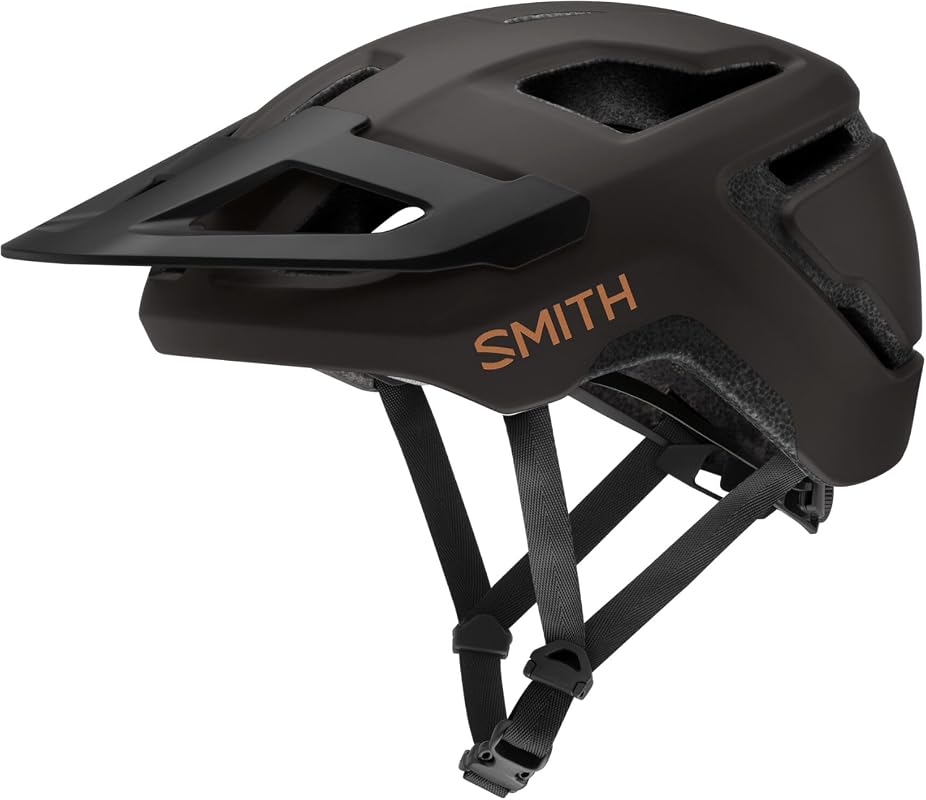 |
SMITH Pilot MTB Helmet | Premium MIPS protection | View on Amazon |
 |
ILM HT58 Full Face | Full face safety | View on Amazon |
 |
ILM ZL-B068 Full Face | Budget value | View on Amazon |
 |
Fox Racing Speedframe | Performance trail | View on Amazon |
 |
Lightweight Adult MTB | All-day comfort | View on Amazon |
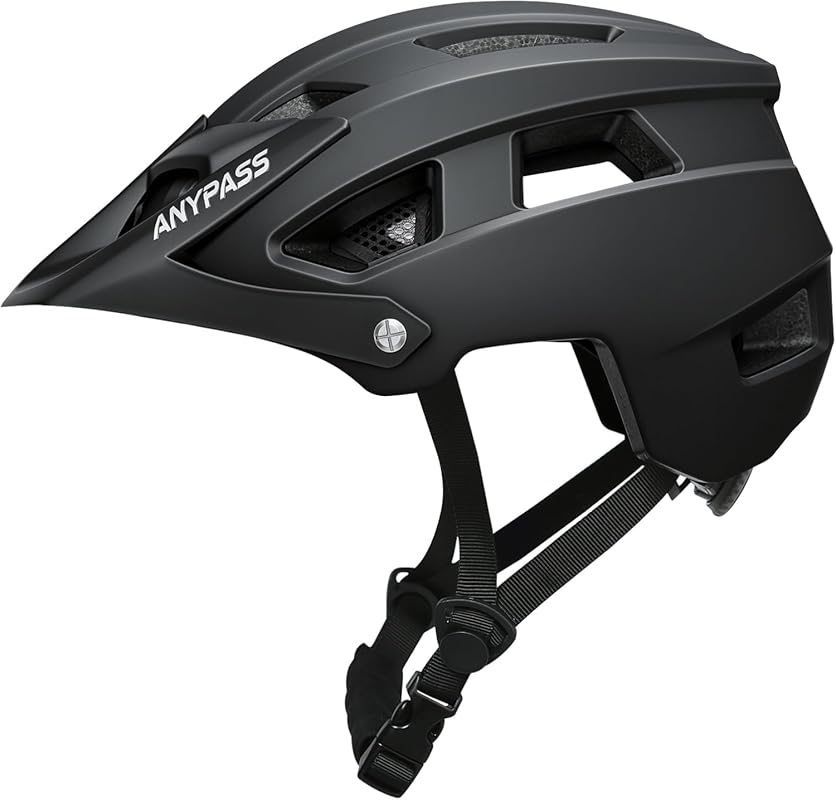 |
Lightweight Adult MTB | Versatile trail use | View on Amazon |
Our Top 6 Best Mtb Trail Helmets Reviews – Expert Tested & Recommended
1. SMITH Pilot MTB Cycling Helmet
The Smith Pilot brings a perfect blend of style and technical safety to the mountain bike scene. It is lightweight, well-ventilated, and designed to keep you feeling secure on technical terrain.
Key Features That Stand Out
- ✓ MIPS safety system for enhanced impact protection
- ✓ Lightweight construction for all-day riding
- ✓ Adjustable dial fit for a personalized feel
- ✓ Breathable design for hot summer climbs
Why We Recommend It
This helmet stands out because it offers professional-grade protection without the bulk. It is comfortable enough for long epics while still feeling robust enough for technical trail riding.
Best For
Serious trail riders who prioritize safety technology and long-term comfort.
Pros and Cons at a Glance
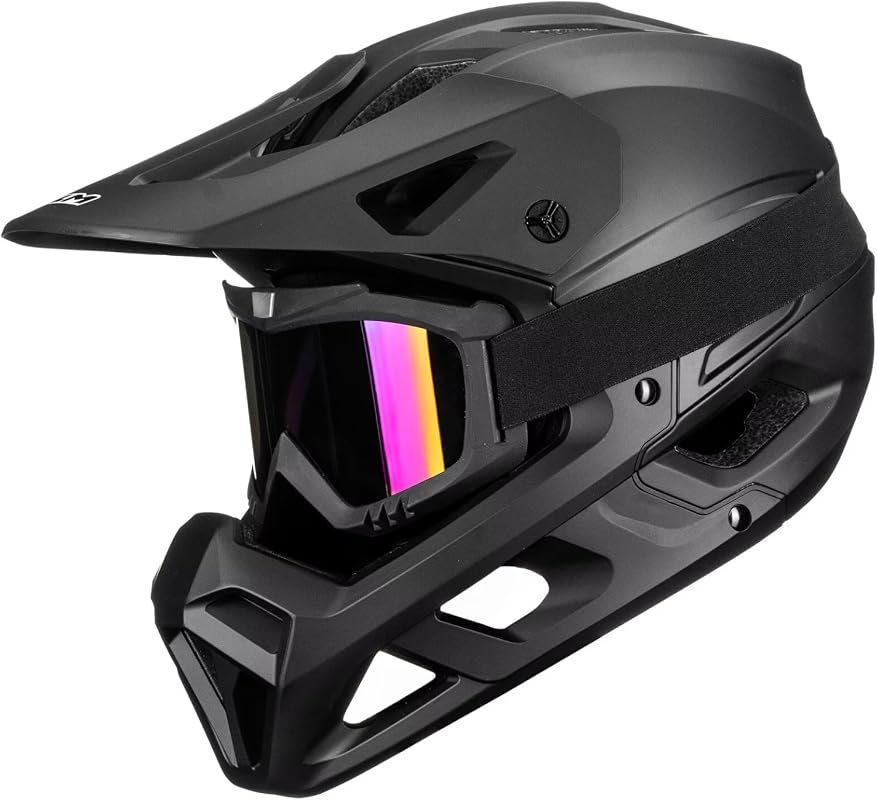
2. ILM HT58 Full Face Helmet
If you want the added security of full-face coverage without spending a fortune, the ILM HT58 is an excellent choice. It includes a sturdy chin bar and an adjustable visor.
Key Features That Stand Out
- ✓ Extended chin bar for maximum facial protection
- ✓ Tested to meet high safety standards
- ✓ Adjustable visor to block sun and debris
- ✓ Includes goggles for a complete setup
Why We Recommend It
The level of protection you get at this price point is impressive. It is a fantastic option for riders who spend time in the bike park or on gnarly, rocky trails.
Best For
Riders looking for affordable full-face protection for aggressive mountain biking.
Pros and Cons at a Glance
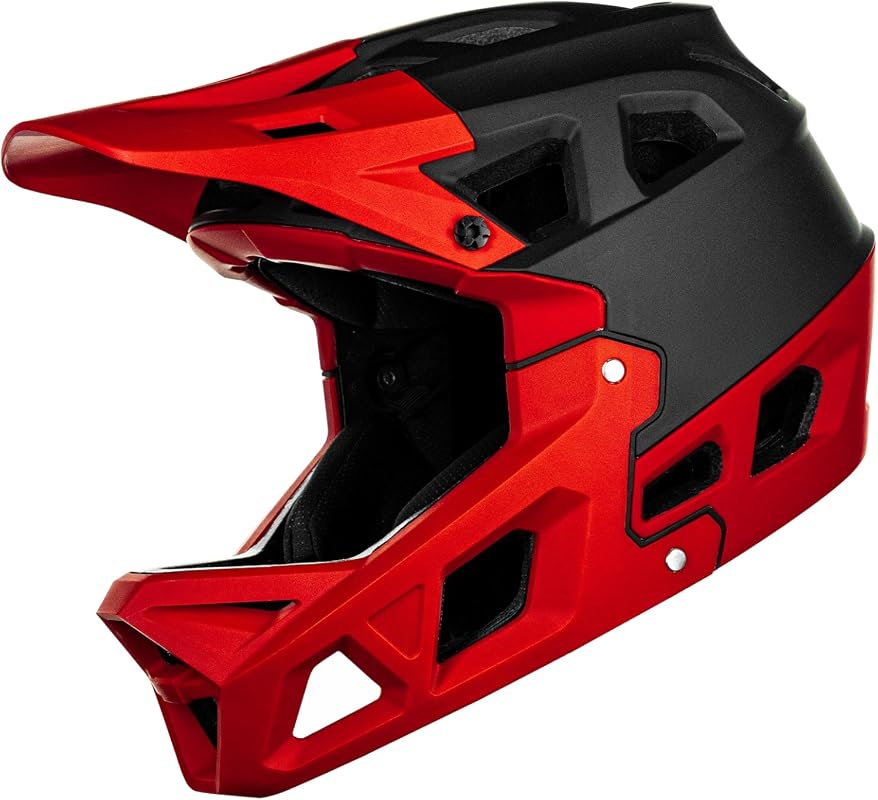
3. ILM ZL-B068 Full Face Helmet
The ZL-B068 is a lightweight, triple-certified helmet designed for riders who need robust protection that won’t weigh them down on longer trail rides.
Key Features That Stand Out
- ✓ Triple-certified safety standards
- ✓ Lightweight design at only 700 grams
- ✓ EPP chin bar for enhanced impact absorption
- ✓ Removable visor for visibility customization
Why We Recommend It
It strikes an ideal balance between weight and durability. You get premium safety certifications without the heavy, clunky feel often found in other full-face models.
Best For
Budget-conscious riders who still demand high-level safety certifications.
Pros and Cons at a Glance
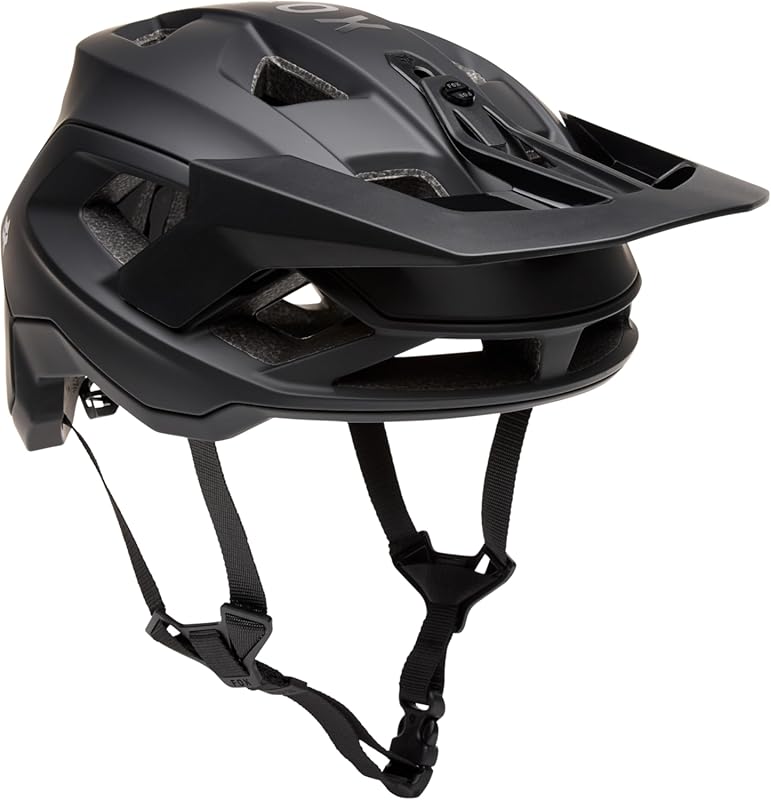
4. Fox Racing Speedframe MTB Helmet
Fox Racing is a staple in the mountain biking world, and the Speedframe continues that tradition by offering premium airflow and high-performance protection.
Key Features That Stand Out
- ✓ MIPS protection to reduce rotational forces
- ✓ Optimized venting for cooling air channels
- ✓ Moisture-wicking liner that is washable
- ✓ Sunglass-specific storage
Why We Recommend It
The ventilation on this helmet is top-tier. It is specifically designed to keep your head cool during long, grueling climbs while providing full coverage for the descents.
Best For
Enduro riders and trail enthusiasts who need reliable performance in varying weather conditions.
Pros and Cons at a Glance
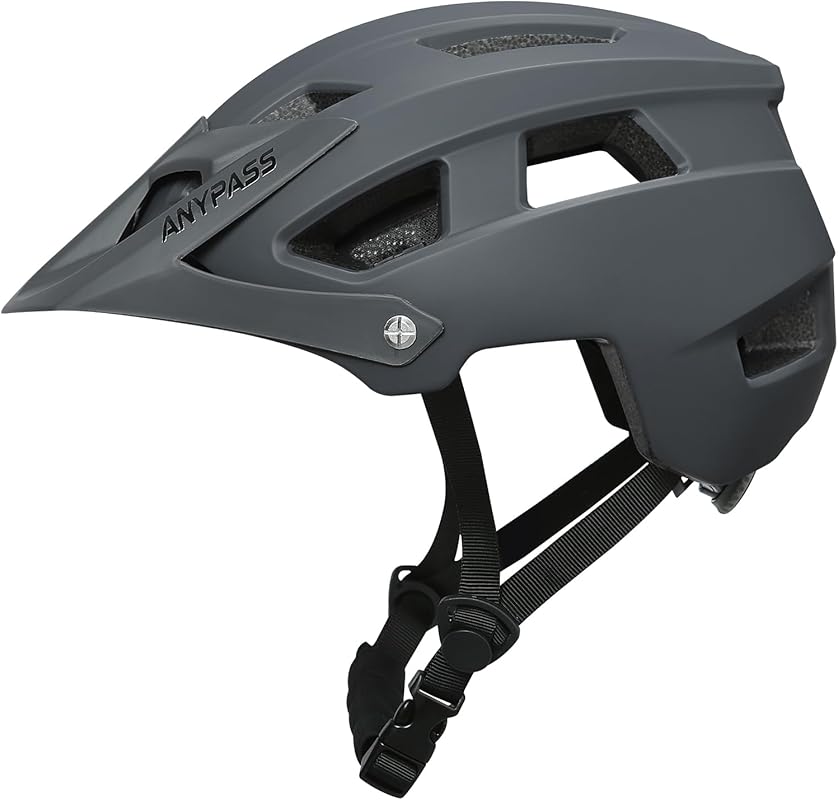
5. Lightweight Adult MTB Helmet
For those who value simplicity and weight reduction, this lightweight adult helmet offers solid CPSC-certified protection without feeling heavy on the neck.
Key Features That Stand Out
- ✓ Weighs only 330g for maximum comfort
- ✓ 17 optimized vents for great airflow
- ✓ Detachable sun visor for glare reduction
- ✓ High-density EPS foam core
Why We Recommend It
It is surprisingly light for a mountain bike helmet. The design is clean and functional, making it a great pick for daily commutes or casual trail riding.
Best For
Casual trail riders who want an unobtrusive and lightweight head protection solution.
Pros and Cons at a Glance
6. Lightweight Adult MTB Helmet (2nd Version)
This version of the lightweight adult helmet offers consistent safety and comfort, making it a reliable backup or primary helmet for various trail activities.
Key Features That Stand Out
- ✓ CPSC safety certification
- ✓ Featherlight 330g design
- ✓ Adjustable fit dial
- ✓ Removable sun visor included
Why We Recommend It
It delivers exactly what you need in an affordable, lightweight package. It is hard to find this level of comfort at such an accessible price.
Best For
Riders who want a no-nonsense helmet for everyday trail cycling.
Pros and Cons at a Glance
Complete Buying Guide for Best Mtb Trail Helmets
Essential Factors We Consider
When selecting a helmet, prioritize safety ratings (like CPSC or ASTM), proper fit, and adequate ventilation. A helmet that doesn’t fit well or feels like a hot oven will end up staying at home, which defeats the purpose. Always look for features like MIPS for rotational protection and adjustable visors for better trail visibility.
Budget Planning
You do not need to spend top-dollar to get a safe helmet. Many entry-level and mid-range options provide identical safety certifications to expensive models. Focus on the fit and specific features—like visor adjustability or extra padding—that improve your personal riding experience.
Final Thoughts
Ultimately, the best helmet is the one that fits your head shape and riding style. Whether you prefer the full-face security for technical trails or a lightweight open-face for long cross-country rides, investing in a quality helmet is the smartest move you can make for your riding career.
Frequently Asked Questions
Q: How often should I replace my MTB helmet?
A: Most manufacturers recommend replacing your helmet every 3 to 5 years, or immediately after any significant impact, even if there is no visible damage.
Q: What is MIPS technology?
A: MIPS stands for Multi-directional Impact Protection System. It is an interior layer that allows the helmet to slide slightly during an angled impact, which helps reduce the rotational force transferred to your brain.
Q: Are full-face helmets necessary for trail riding?
A: They are highly recommended for technical terrain, bike parks, or downhill riding. For casual, flat trails, an open-face helmet is usually sufficient and more comfortable.

Olivia
Writer at Helmet Today, covering helmet reviews, fit and riding safety.