We may earn a commission when you buy through links on this page, at no extra cost to you. Learn more
A night vision monocular can provide a compact way to improve visibility in dark or low-light environments when paired with a compatible helmet mounting system. The best models combine clear image quality, manageable weight, useful battery life, and a secure mounting solution. Digital monoculars may offer features such as infrared illumination, image recording, adjustable brightness, and different viewing modes, while traditional image-intensifier models can provide strong low-light performance without relying on a digital display.
Weight and balance matter for helmet use because heavier optics can create discomfort during extended wear. Users should also check the monocular’s mounting interface and make sure it works with the intended helmet mount before buying.
This guide highlights five of the best night vision monoculars for helmets based on low-light performance, image clarity, weight, battery life, mounting compatibility, durability, ease of use, and overall value. Each selection offers a practical option for users who want compact nighttime viewing while keeping their hands free.
5 Best Night Vision Monoculars For Helmet
| Image | Title | Best For | Link |
|---|---|---|---|
 |
ESSLNB 6×32 Night Vision Monocular | Versatile, high-resolution recording for campers and night observers. | View on Amazon |
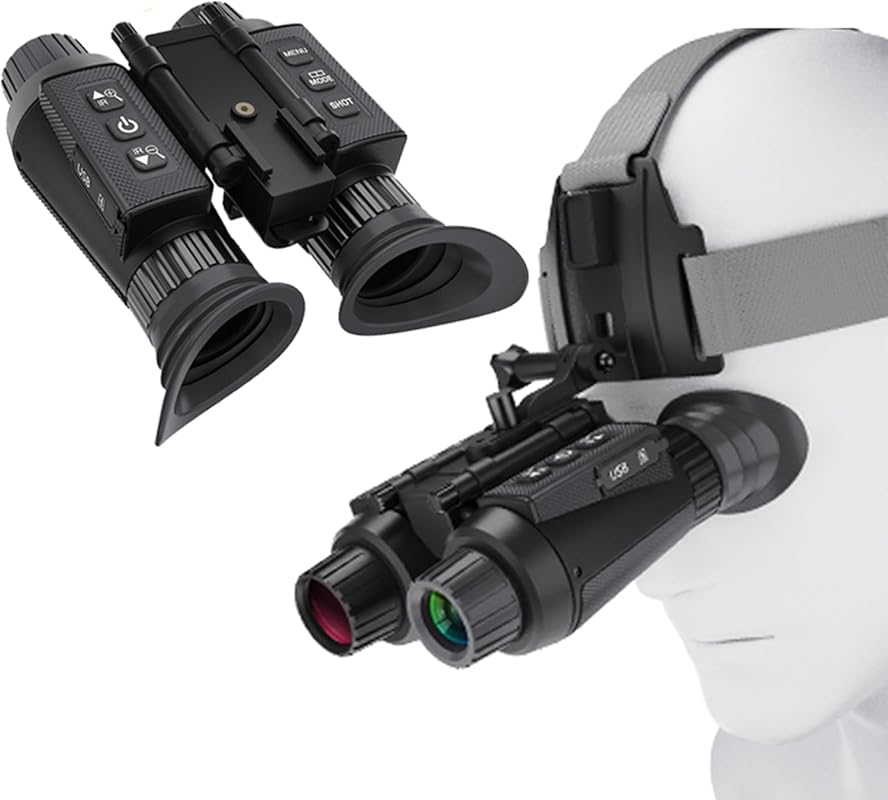 |
NV8300 Head-Mounted Night Vision Goggles | Immersive 3D viewing experience for hands-free nighttime navigation. | View on Amazon |
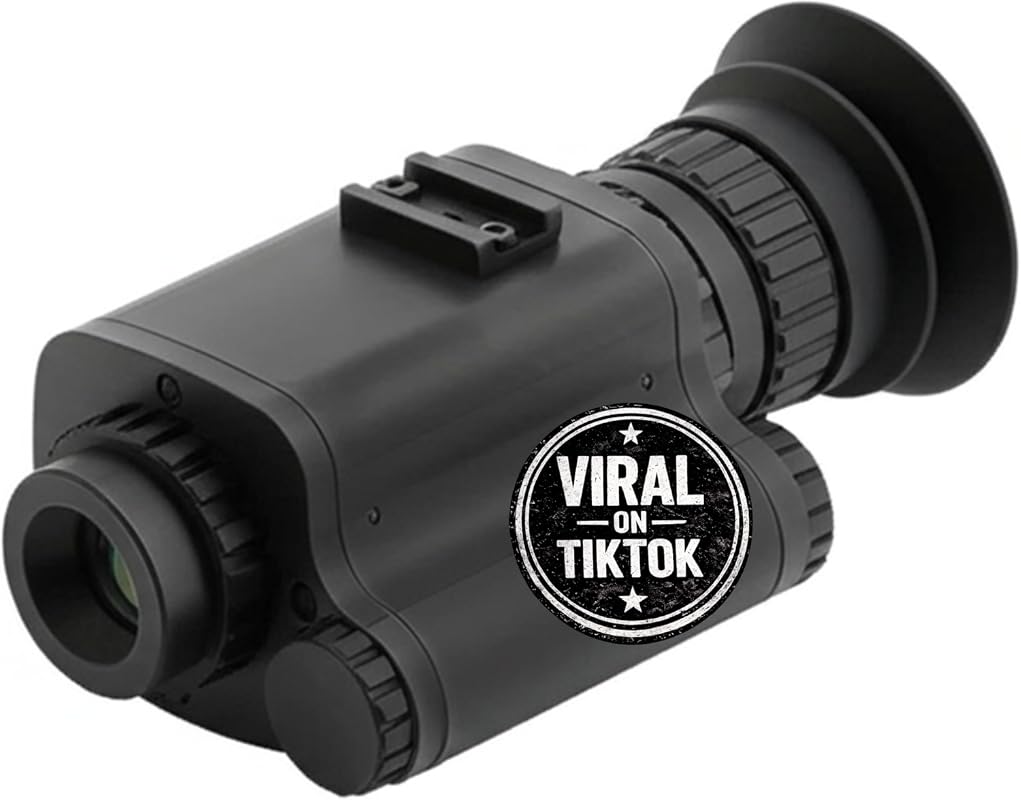 |
Thermal Vision Heat Thermal Monocular | Professional-grade thermal detection for spotting heat signatures. | View on Amazon |
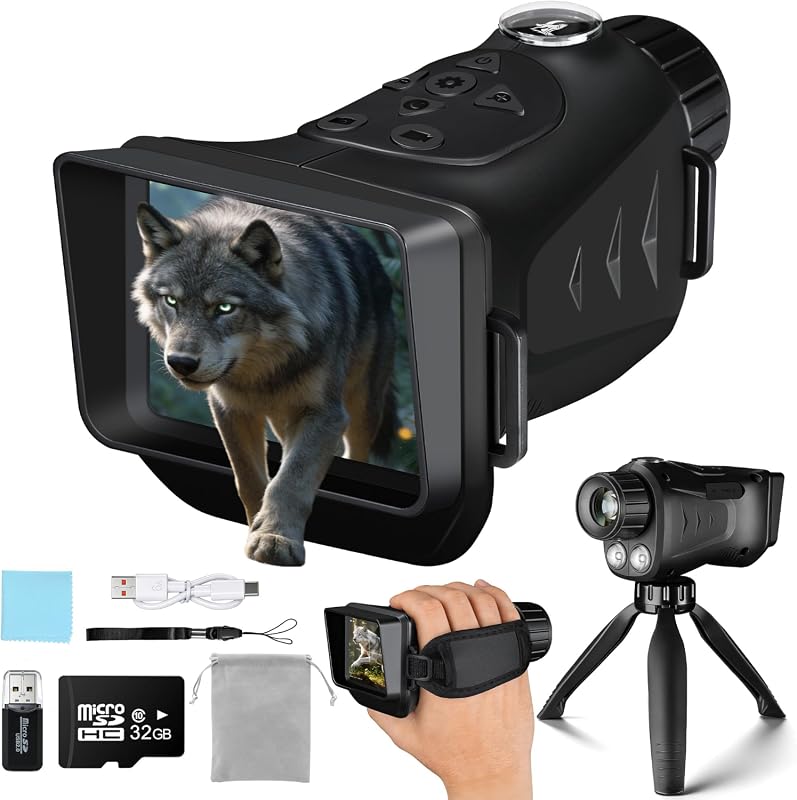 |
VXF 4K Digital Night Vision Monocular | Powerful 4K recording for total darkness performance. | View on Amazon |
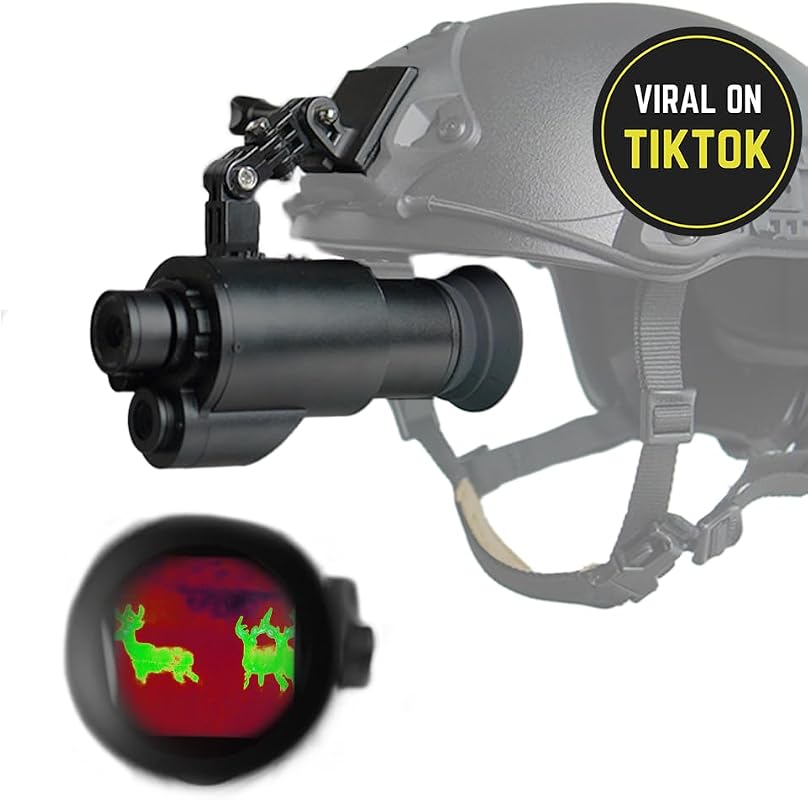 |
Fusion Thermal Digital Night Vision Goggles | Dual-mode technology for tactical training and airsoft. | View on Amazon |
Our Top 5 Best Night Vision Monoculars For Helmet Reviews – Expert Tested & Recommended
1. ESSLNB 6×32 Digital Night Vision Monocular
The ESSLNB 6×32 Digital Night Vision Monocular is a solid entry-level choice that packs a punch with 1080P HD recording capabilities. Its rugged design makes it feel reliable when you are out in the field at night.
Key Features That Stand Out
- ✓ 18X Digital Zoom for detailed long-range viewing
- ✓ Infrared illumination for total darkness performance
- ✓ 5-level adjustable IR settings for various lighting environments
Why We Recommend It
This monocular is user-friendly and offers great clarity for the price. We love how easy it is to adjust the focus, making it a stress-free experience for beginners and pros alike.
Best For
Perfect for night camping, wildlife scouting, and general observation.
Pros and Cons at a Glance
2. NV8300 Head-Mounted Night Vision Goggles
The NV8300 Head-Mounted Night Vision Goggles are all about the immersion. Featuring unique 3D display technology, these goggles feel much more natural on your face than standard monoculars.
Key Features That Stand Out
- ✓ Patented naked-eye 3D display technology
- ✓ Lightweight and compact for comfortable helmet mounting
- ✓ Individual eye focus/diopter adjustments
Why We Recommend It
The ability to adjust each eye independently is a life-saver if your vision isn’t 20/20. It feels like wearing a futuristic headset, and the build quality holds up well to frequent movement.
Best For
Those who need hands-free movement and a more natural, immersive depth perception.
Pros and Cons at a Glance
3. Thermal Vision Heat Thermal Monocular
If you want to spot heat rather than just amplify light, this Thermal Vision Monocular is an incredible budget-friendly entry into the world of thermal imaging. It detects living things instantly in total darkness.
Key Features That Stand Out
- ✓ High-sensitivity thermal sensor (25mk)
- ✓ 45° Wide-angle field of view
- ✓ Low-latency 60Hz display
Why We Recommend It
Thermal tech is usually extremely expensive, but this unit makes it accessible. It is perfect for detecting wildlife through brush where traditional night vision might fail.
Best For
Wildlife scouting and professional thermal imaging tasks on a budget.
Pros and Cons at a Glance
4. VXF 4K Digital Night Vision Monocular
The VXF 4K Digital Night Vision Monocular is all about high-resolution detail. Its dual IR illuminator setup makes a noticeable difference in range and clarity compared to basic models.
Key Features That Stand Out
- ✓ 4K UHD video recording quality
- ✓ Dual 850nm IR illuminators for wide reach
- ✓ 18X digital zoom for balancing detail and field of view
Why We Recommend It
If you want to record high-quality footage of your night adventures, this is the one. It handles darkness well and keeps images sharp enough to identify details at a distance.
Best For
Advanced users who prioritize high-quality video recording and long-range visibility.
Pros and Cons at a Glance
5. Fusion Thermal Digital Night Vision Goggles
The Fusion Thermal and Digital Goggles are truly professional tools. Combining thermal and digital modes gives you the ultimate advantage in tactical scenarios where clarity is not negotiable.
Key Features That Stand Out
- ✓ Dual-mode: Thermal and digital night vision
- ✓ Near delay-free 60FPS display
- ✓ Comfortable, grippy rubberized headstrap
Why We Recommend It
These goggles are designed for action. The transition between modes is seamless, and the overall durability means they can handle the bumps and scrapes of intense airsoft or field operations.
Best For
Tactical training, professional field work, and serious airsoft enthusiasts.
Pros and Cons at a Glance
Complete Buying Guide for Best Night Vision Monoculars For Helmet
Essential Factors We Consider
When picking a night vision monocular for your helmet, weight is the first thing you should think about. Carrying extra weight on your forehead can lead to neck fatigue very quickly. Look for ergonomic designs and consider if you need a thermal component or just standard digital night vision. Also, check for battery life and how easy it is to swap batteries while wearing your gear.
Budget Planning
Night vision ranges from budget-friendly hobbyist gear to professional-grade tactical equipment. Decide if you need high-resolution recording and thermal imaging, or if a basic digital model will suffice. Remember to set aside some budget for a sturdy helmet mount if it is not included in the package.
Final Thoughts
There is no one-size-fits-all solution, but you can find the perfect match based on your activity. Whether it is for hobbyist camping or tactical training, the key is prioritizing comfort and visibility. Take your time to review these options to see which best fits your specific needs.
Frequently Asked Questions
Q: Can I use these monoculars during the day?
A: Yes, most digital night vision devices function during the day, but you should ensure the lens cap is on or the device settings are adjusted to prevent blinding the sensor with too much light.
Q: Do I need a special helmet mount?
A: Most head-mounted units come with their own strap systems, but if you have a tactical helmet, you might need a specific bracket or adapter to secure the monocular correctly.
Q: Is thermal vision better than digital night vision?
A: Thermal is better at detecting heat sources (like people or animals) even in complete darkness or through light brush, while digital night vision is better at seeing fine details in the environment.

Olivia
Writer at Helmet Today, covering helmet reviews, fit and riding safety.