

We may earn a commission when you buy through links on this page, at no extra cost to you. Learn more
An open-face mountain bike helmet can provide a good balance of head protection, ventilation, and comfort for riders who want more airflow than a full-face helmet. The best models combine durable shells, impact-absorbing liners, secure fit systems, and well-placed vents for comfortable riding on trails.
Adjustable retention systems can help keep the helmet stable during climbs, descents, and rough terrain, while removable padding can make cleaning easier after dusty or sweaty rides. Some designs offer extended coverage around the back and sides of the head for added protection without the extra weight of a full-face helmet. Lightweight construction can also improve comfort during longer rides.
This guide highlights five open-face mountain bike helmets based on protection, fit, ventilation, weight, comfort, durability, adjustability, and overall value. The selections offer practical options for trail riding, cross-country cycling, bike parks, and everyday mountain biking.
5 Best Open Face Mountain Bike Helmets
| Image | Title | Best For | Link |
|---|---|---|---|
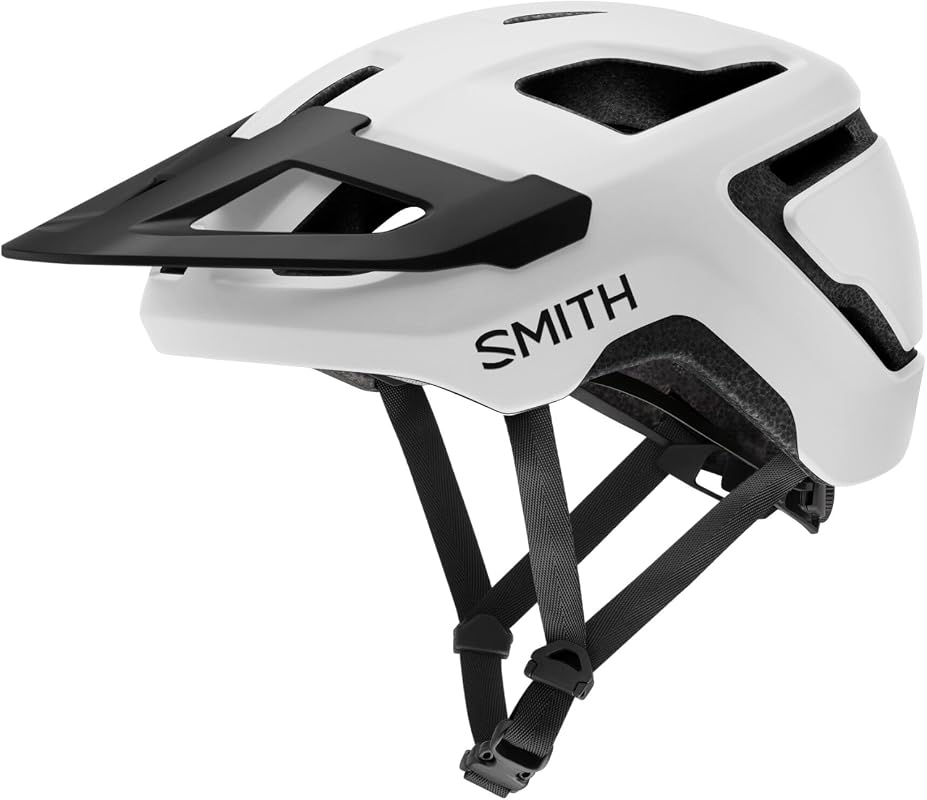 |
SMITH Pilot MTB Helmet | Lightweight protection with MIPS technology for all-day trail comfort. more | View on Amazon |
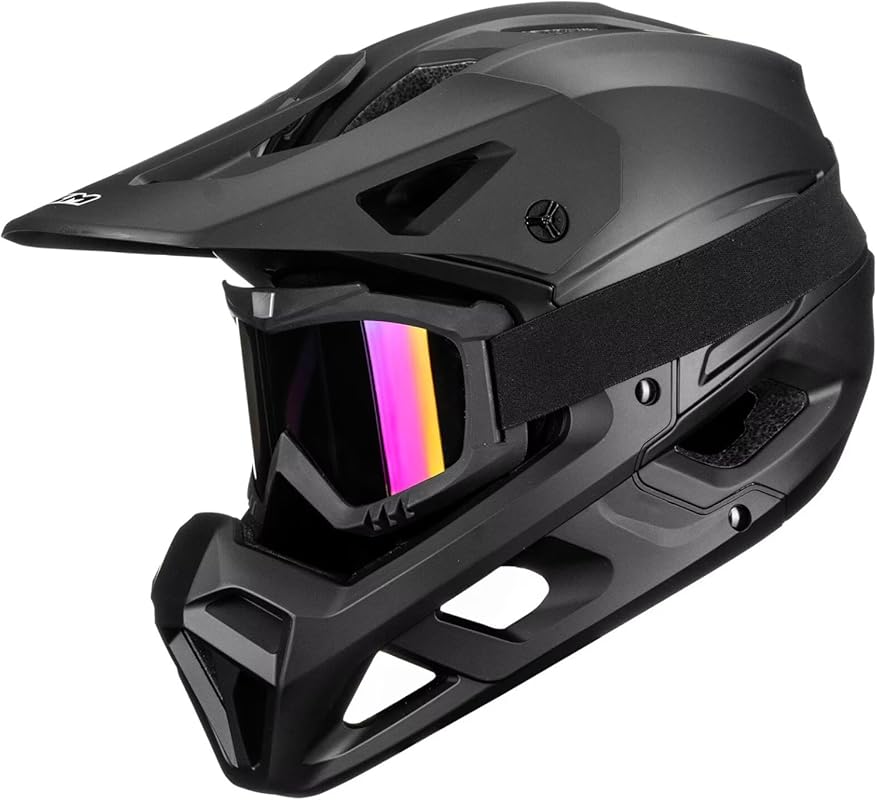 |
ILM HT58 Full Face | Extended chin bar protection for aggressive MTB and BMX riding. more | View on Amazon |
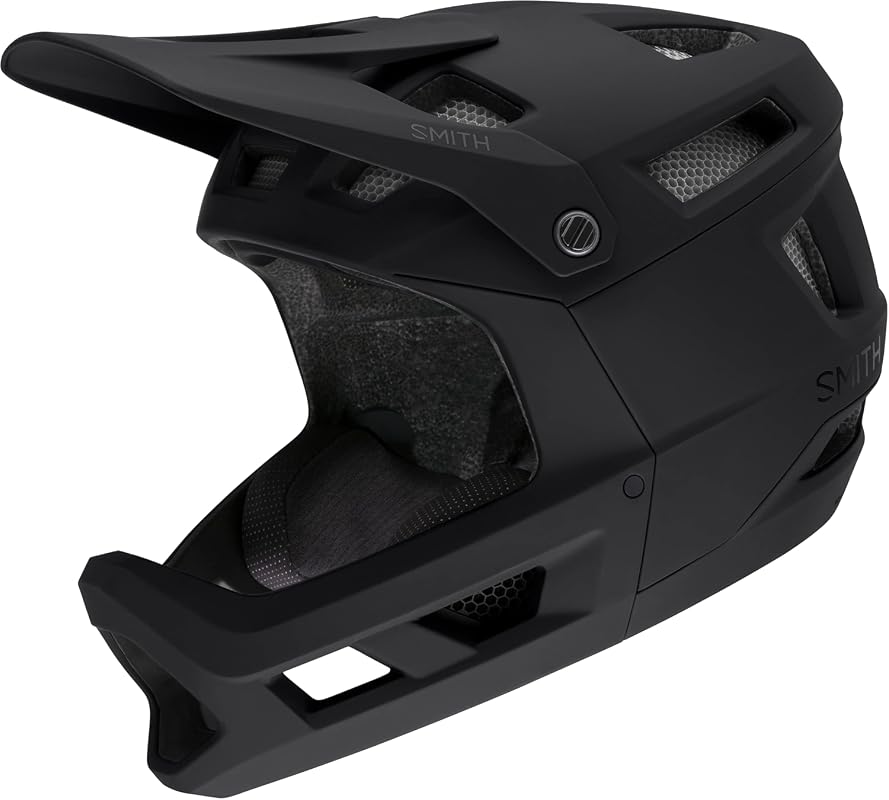 |
SMITH Mainline Helmet | Downhill-certified protection with advanced ventilation systems. more | View on Amazon |
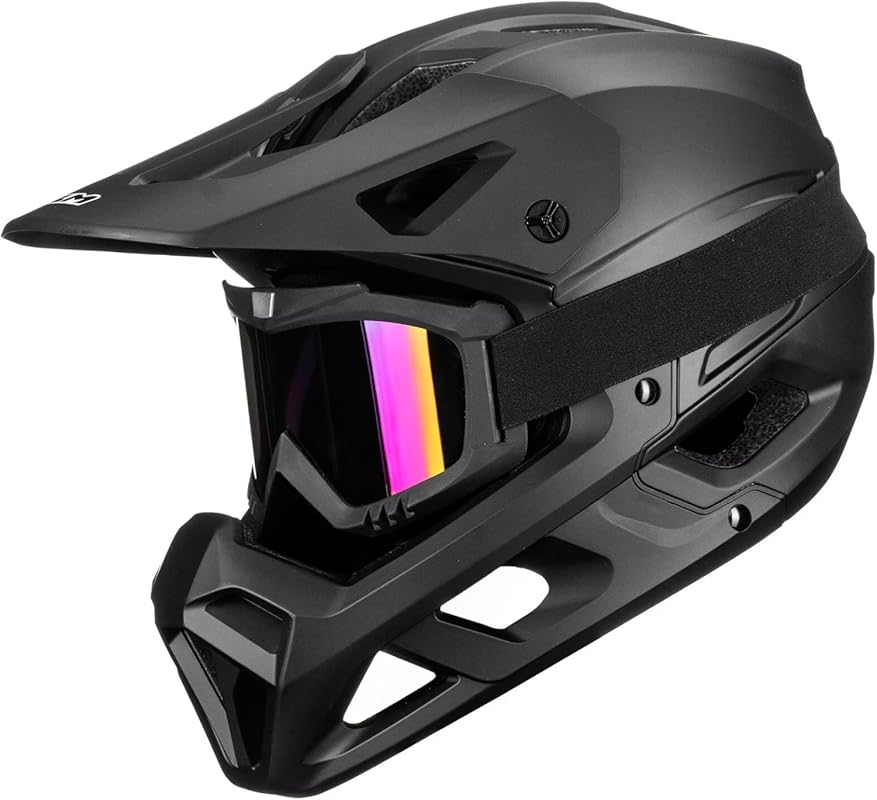 |
ILM HT58 Full Face | Certified, durable, and adjustable for various riding disciplines. more | View on Amazon |
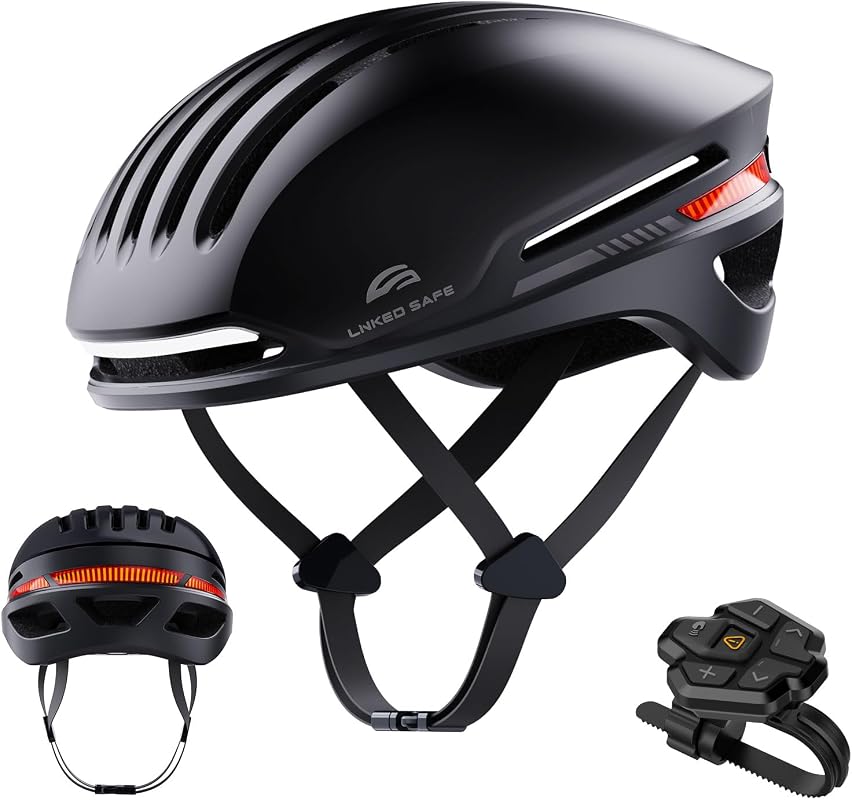 |
Smart Bluetooth Helmet | Modern features like integrated speakers and LED safety signals. more | View on Amazon |
Our Top 5 Best Open Face Mountain Bike Helmets Reviews – Expert Tested & Recommended
1. SMITH Pilot MIPS Mountain Bike Helmet
The SMITH Pilot MIPS is a fantastic all-rounder. It strikes a perfect balance between lightweight construction and heavy-duty protection, making it ideal for riders who spend all day on the trails.
Key Features That Stand Out
✓ MIPS impact protection system included.
✓ Lightweight design for less neck fatigue.
✓ Highly adjustable visor for better field of view.
✓ Intuitive dial-fit system for a snug feel.
Why We Recommend It
We love this helmet because it feels practically weightless on the head while providing top-tier safety. The airflow is excellent, keeping you cool during those grueling summer climbs.
Best For
Riders who value comfort and advanced safety features for long trail days.
Pros and Cons at a Glance
2. ILM HT58 Full Face Helmet
If you want extra protection without breaking the bank, the ILM HT58 is a strong contender. While technically a full-face design, its adaptability makes it a favorite for aggressive riders who occasionally want full coverage.
Key Features That Stand Out
✓ Extended chin bar for added facial security.
✓ CPSC certified for mountain bike and BMX use.
✓ Adjustable visor to block the sun or low branches.
✓ Durable EPS foam shell construction.
Why We Recommend It
It provides a robust feel that gives you confidence on steep descents. The inclusion of goggles makes it a great value package for those just starting with more aggressive riding.
Best For
Riders who need affordable, extra protection for rougher trails and jump lines.
Pros and Cons at a Glance
3. SMITH Mainline Cycling Helmet
The SMITH Mainline is a premium choice for riders who want downhill-certified protection without the bulk. It incorporates advanced Koroyd coverage to ensure you stay safe while feeling light and agile.
Key Features That Stand Out
✓ Complete Koroyd impact protection coverage.
✓ 21 ventilation ports for incredible airflow.
✓ Sweat-activated anti-odor lining.
✓ MIPS safety system integration.
Why We Recommend It
It is surprisingly breathable for its protective capacity. The design is sleek, and it integrates perfectly with goggles or sunglasses, making it a versatile tool for any trail expert.
Best For
Serious riders who want maximum protection on technical descents without feeling weighed down.
Pros and Cons at a Glance
4. ILM HT58 Full Face Helmet
The ILM HT58 is essentially a twin of our second pick but offers the same reliable, CPSC-certified protection in a different aesthetic. It remains a top choice for those needing consistent performance.
Key Features That Stand Out
✓ Sturdy EPS and reinforced chin bar.
✓ Highly adjustable for various head sizes.
✓ Includes visor and goggle compatibility.
✓ Reliable buckle closure system.
Why We Recommend It
You get exactly what you expect: a safe, durable helmet that protects your face on tricky terrain. It’s perfect for those who want a simple, “grab-and-go” solution for their riding kit.
Best For
Riders who need a dependable spare helmet or a durable starter piece.
Pros and Cons at a Glance
5. Smart Bluetooth Cycling Helmet
The Smart Bluetooth Cycling Helmet is for the gadget lover. Beyond just protection, it features integrated speakers, LED turn signals, and brake lights, keeping you connected and visible on the road or path.
Key Features That Stand Out
✓ Built-in Bluetooth speakers for audio.
✓ Integrated LED turn signals and brake lights.
✓ Long battery life for extended rides.
✓ Fully safety certified (FCC, CPSC, etc.).
Why We Recommend It
It adds a layer of tech-forward safety that is becoming increasingly popular. If you commute or ride on shared trails, the increased visibility is a game-changer.
Best For
Tech-focused riders who prioritize extra visibility and communication on their bikes.
Pros and Cons at a Glance
Complete Buying Guide for Open Face Mountain Bike Helmets
Essential Factors We Consider
When picking a helmet, look for safety certifications first. You want a lid that meets modern standards and includes rotational impact protection like MIPS. Next, consider ventilation; if you live in a hot climate, more vents will make a massive difference in your ride quality. Finally, ensure the fit system allows for easy one-handed adjustments while wearing gloves.
Budget Planning
You don’t need to spend a fortune to be safe, but remember that mid-to-high-range helmets often offer better durability, lighter materials, and superior airflow. If you ride infrequently, a budget-friendly option is perfectly fine as long as it is certified. However, for daily riders, investing in a premium model often pays for itself through increased comfort and longer product lifespan.
Final Thoughts
Your helmet is the most vital piece of safety gear you own. Take the time to measure your head correctly and read user reviews regarding sizing for the specific model you want. By balancing safety certifications, comfort, and your personal riding style, you’ll be able to hit the trails with confidence and enjoy every moment.
Frequently Asked Questions
Q: What is MIPS and why is it important?
A: MIPS stands for Multi-directional Impact Protection System. It is an added layer inside the helmet designed to reduce rotational forces that can occur during an angled impact, providing extra protection for your brain.
Q: How do I know if a helmet fits correctly?
A: A good helmet should sit level on your head, about two finger-widths above your eyebrows. It should not rock forward or backward, and the straps should form a ‘V’ shape just under your ears without being too tight.
Q: How often should I replace my mountain bike helmet?
A: Most manufacturers recommend replacing your helmet every 3 to 5 years, or immediately after any significant impact, even if the damage isn’t visible to the naked eye.

Olivia
Writer at Helmet Today, covering helmet reviews, fit and riding safety.
Pingback: Do I Need a Full Face Mountain Bike Helmet?