We may earn a commission when you buy through links on this page, at no extra cost to you. Learn more
Painting a leather fire helmet requires a coating that works with leather without weakening, cracking, or damaging the material. The right leather paint should remain flexible after drying and provide good adhesion without making the surface stiff. Water-based leather paints can offer easier application and cleanup, while flexible finishes can help the coating move with the leather during regular use.
Proper surface preparation also matters because dirt, oils, and old coatings can prevent new paint from adhering evenly. Thin coats usually provide better results than one heavy coat, especially on textured leather surfaces. A compatible protective finish can also help preserve the new color and reduce scuffing.
This guide highlights six paints for leather fire helmets based on flexibility, adhesion, finish quality, durability, ease of application, and overall value. Always check the helmet manufacturer’s instructions and applicable fire-service standards before applying any coating, since an unapproved paint or finish can affect the helmet’s protective performance or certification.
6 Best Paints For Leather Fire Helmet
| Image | Title | Best For | Link |
|---|---|---|---|
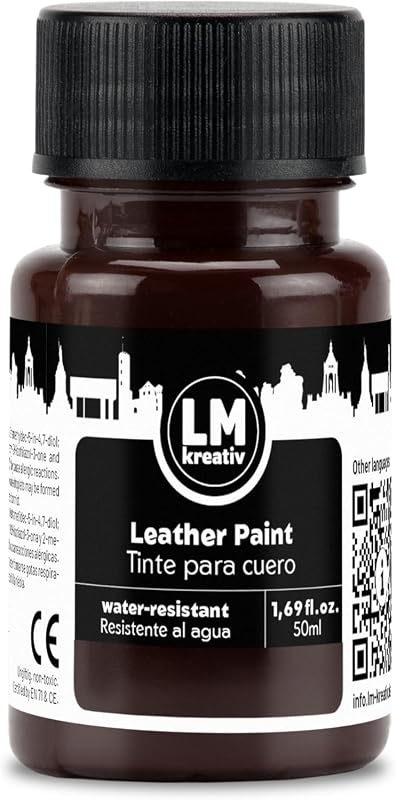 |
Brown Leather Paint 1.69 oz | Perfect for deep restoration and color matching on aged leather surfaces. | View on Amazon |
 |
Angelus Acrylic Leather Paint Duo | Professional quality standard for waterproofing and durability. | View on Amazon |
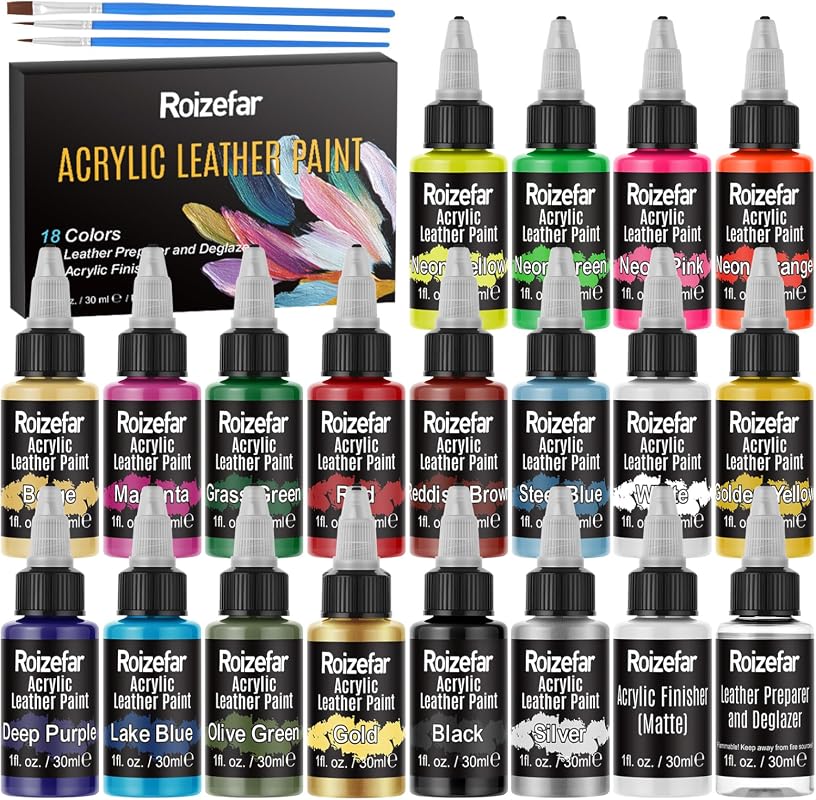 |
18-Color Acrylic Leather Paint Kit | Great for creative customizations with a full suite of colors. | View on Amazon |
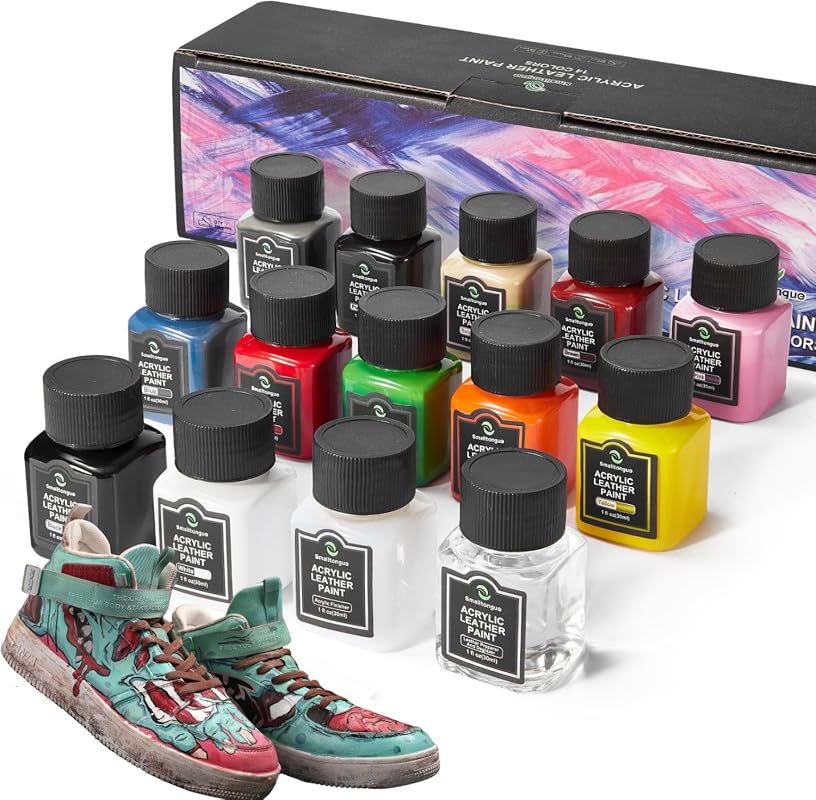 |
14-Color Acrylic Leather Paint Set | Versatile set for routine maintenance and repair tasks. | View on Amazon |
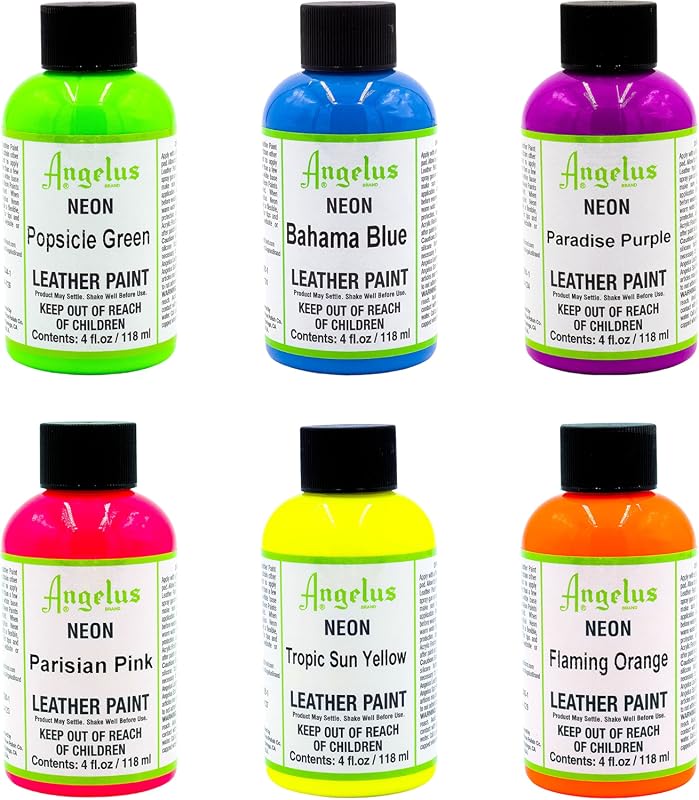 |
Angelus Neon Leather Paint Kit | Ideal for adding high-visibility accents to your gear. | View on Amazon |
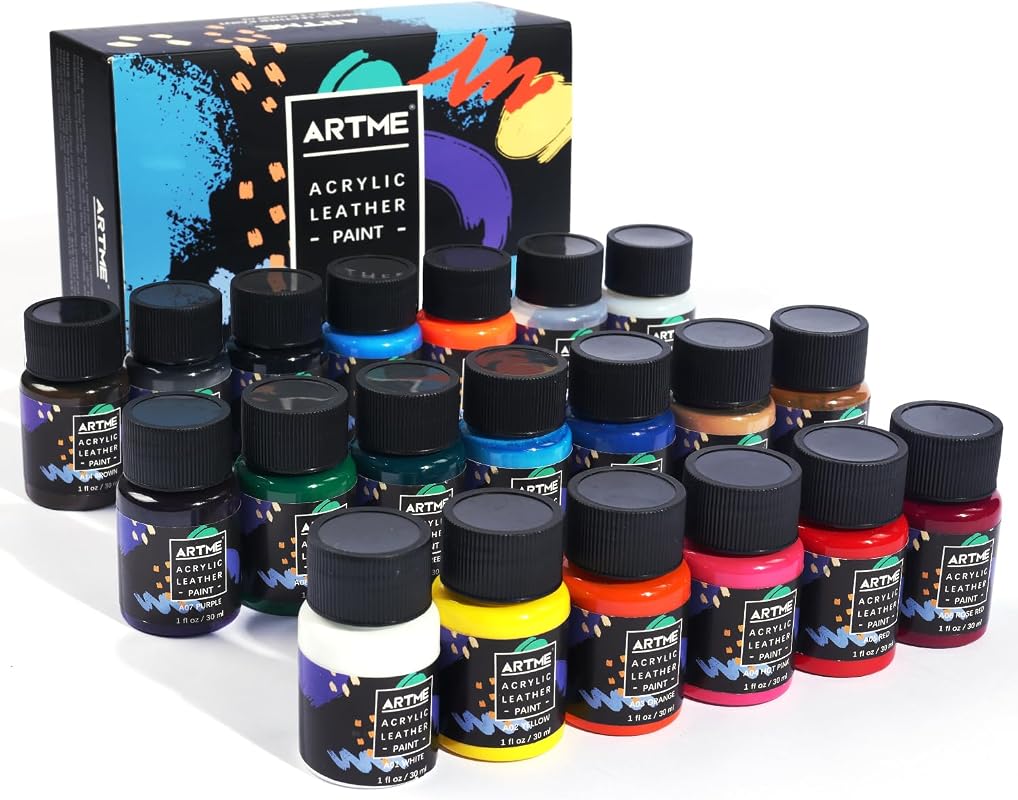 |
ARTME Acrylic Leather Paint Set | Large volume bottles for major restoration projects. | View on Amazon |
Our Top 6 Best Paints For Leather Fire Helmet Reviews – Expert Tested & Recommended
1. Brown Leather Paint 1.69 oz
If you are looking for a reliable way to restore an older leather fire helmet, this paint is a standout choice. It offers excellent coverage that hides scuffs and faded spots while keeping the leather feeling flexible.
Key Features That Stand Out
- ✓ Provides a deep and long-lasting color finish.
- ✓ Highly effective at covering deep scratches and wear.
- ✓ Works well on both genuine and synthetic leather materials.
- ✓ Maintains the natural texture of the leather surface.
Why We Recommend It
We love this paint because it doesn’t just sit on the surface; it bonds well with the material, which is critical for gear that goes through a lot of stress. It is easy to apply and dries quickly, letting you get back to your duties sooner.
Best For
This is the best paint for a leather fire helmet that needs a thorough color refresh or spot repair on worn areas.
Pros and Cons at a Glance
2. Angelus Acrylic Leather Paint Duo
When it comes to durability, Angelus is the gold standard for many professionals. This duo set gives you the basics you need to keep your gear looking sharp and weather-ready.
Key Features That Stand Out
- ✓ Professional grade formula that resists cracking.
- ✓ Highly water-resistant finish once cured.
- ✓ Compatible with various leather preparation products.
- ✓ Versatile black and white combo for touch-ups or bold designs.
Why We Recommend It
We recommend this because it is trusted by gear restorers worldwide. The paint is highly pigmented, meaning you won’t need dozens of coats to get solid, opaque coverage.
Best For
Best for those who want a professional-grade finish that handles everyday wear and tear with ease.
Pros and Cons at a Glance
3. 18-Color Acrylic Leather Paint Kit
For those who love to customize their gear, this kit is fantastic. It includes a wide range of colors along with a deglazer and finisher, making it a complete value package.
Key Features That Stand Out
- ✓ Massive 18-color variety for unlimited mixing.
- ✓ Includes essential prep and finish liquids.
- ✓ Excellent value for the price point.
- ✓ Consistent pigment quality across all colors.
Why We Recommend It
We recommend this kit for anyone getting into custom helmet design. Having everything included in one box saves you time and ensures all components work well together.
Best For
Perfect for artists and firefighters who want to personalize their helmets with custom artwork.
Pros and Cons at a Glance
4. 14-Color Acrylic Leather Paint Set
This 14-color set is perfect for routine maintenance. It provides just enough variety to handle most repair needs while remaining very easy to store and organize.
Key Features That Stand Out
- ✓ Wide range of essential colors.
- ✓ Includes finisher for a professional look.
- ✓ Great flow and consistency.
Why We Recommend It
It is a balanced, easy-to-use set for someone who needs to keep their gear maintained without needing a massive stock of specialized paints.
Best For
Ideal for general upkeep and small color-correction tasks on your fire helmet.
Pros and Cons at a Glance
5. Angelus Neon Leather Paint Kit
If you need high visibility for your gear, this neon kit from Angelus is the answer. It keeps the same legendary durability you expect from their brand but with added brightness.
Key Features That Stand Out
- ✓ Bright, fun, and highly visible neon colors.
- ✓ Crack and peel resistant formula.
- ✓ Great for high-vis accents or patches.
Why We Recommend It
These paints are perfect for when you need to make specific elements of your gear pop or provide extra visibility in low light.
Best For
Best for those looking to add high-visibility customizations to their equipment.
Pros and Cons at a Glance
6. ARTME Acrylic Leather Paint Set
This large set from ARTME is ideal if you have a massive restoration project. With 30ml bottles for each color, you won’t run out of paint halfway through your work.
Key Features That Stand Out
- ✓ Large 30ml volume per bottle.
- ✓ Highly mixable colors to create custom shades.
- ✓ Flexible and durable once fully cured.
Why We Recommend It
We recommend this for its volume and flexibility. It is a workhorse set for anyone doing heavy-duty restoration work on multiple pieces of gear.
Best For
Best for those with large, multi-helmet projects that require a lot of paint volume.
Pros and Cons at a Glance
Complete Buying Guide for Leather Fire Helmet Paint
Essential Factors We Consider
When choosing the best paint for a leather fire helmet, you need to focus on flexibility and heat resistance. Leather moves, and a rigid paint will crack. Look for acrylic-based paints specifically marketed for leather, as they are engineered to flex without peeling. Also, check that the paint is waterproof, as fire helmets are exposed to water, foam, and various elements during duty.
Budget Planning
You don’t need to spend a fortune to get great results. Small touch-up bottles are very affordable, while larger kits offer more value if you plan on doing a full color change or multiple helmet projects. Always prioritize quality over quantity; a high-quality small bottle will last through many repairs compared to a cheap, low-pigment large set.
Final Thoughts
Whether you are keeping your gear professional with a fresh coat of black or adding custom details, taking your time with the preparation phase is the secret to success. Always clean the leather, strip the old finish, and seal your final work for the best, most durable results.
Frequently Asked Questions
Q: Can I use regular spray paint on my leather helmet?
A: No, we strongly advise against regular spray paint. It is usually too rigid and will crack and peel almost immediately when the leather flexes or experiences heat. Stick to specialized acrylic leather paints.
Q: Do I need a finisher after painting?
A: Yes, applying an acrylic finisher is highly recommended. It adds a layer of protection that resists scratching and water, significantly extending the life of your paint job.
Q: How do I remove the old paint or finish?
A: Most kits include or recommend a “deglazer.” This chemical removes the factory finish or old wax, which is essential to allow the new paint to bond properly to the leather surface.

Olivia
Writer at Helmet Today, covering helmet reviews, fit and riding safety.