We may earn a commission when you buy through links on this page, at no extra cost to you. Learn more
A passive welding helmet uses a fixed-shade lens to protect the eyes and face from the intense light, sparks, and heat produced during welding. This straightforward design can appeal to welders who prefer a simple hood without electronic controls, batteries, or auto-darkening sensors.
A good passive helmet should provide a secure fit, clear optical quality, adequate shade protection, and enough coverage for the face and neck. Lightweight shells and adjustable headgear can make long welding sessions more comfortable, while durable materials can withstand regular shop or field use. Lens shade selection matters because different welding processes and current levels require different levels of protection.
This guide covers five of the best passive welding helmets based on lens quality, shade protection, viewing area, comfort, coverage, durability, and overall value. Each option offers a practical choice for welders who want straightforward protection for stick, MIG, TIG, or other compatible welding applications.
5 Best Passive Welding Helmets
| Image | Title | Best For | Link |
|---|---|---|---|
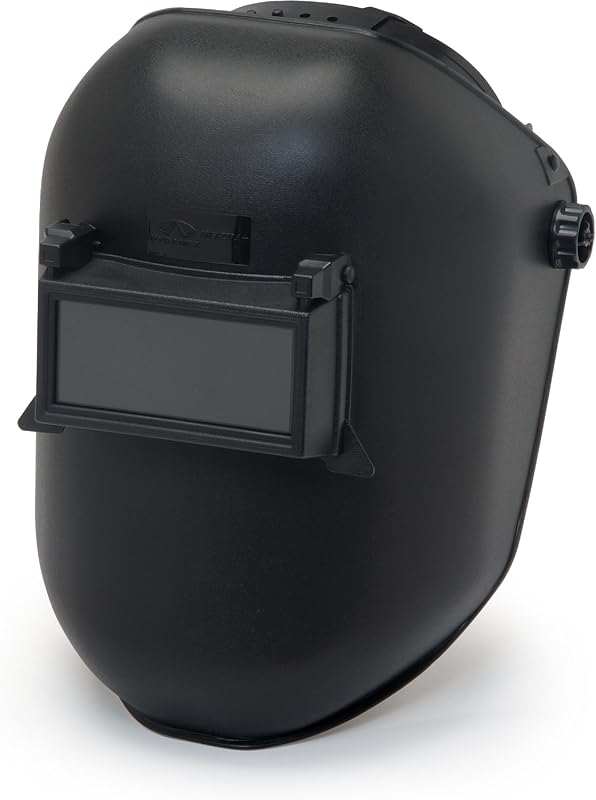 |
Pyramex Leadhead Passive Welding Helmet | Lightweight durability and reliable eye protection for everyday welding. | View on Amazon |
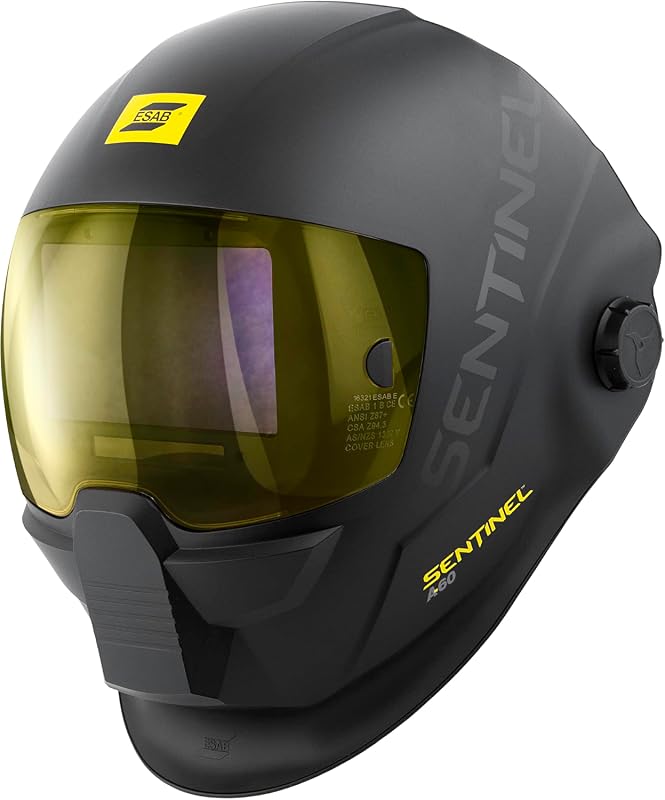 |
ESAB Sentinel A60 Welding Helmet | Professional-grade performance with advanced optical clarity. | View on Amazon |
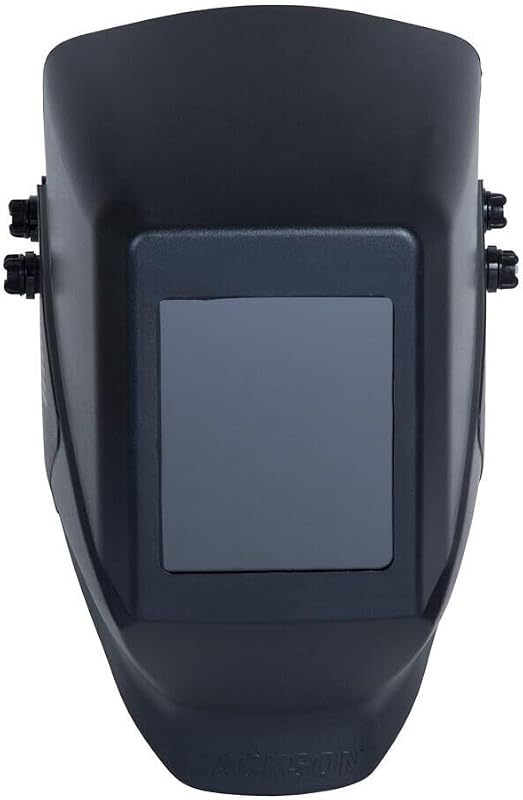 |
Jackson Safety HSL 100 Welding Helmet | Tough industrial use and maximum face protection. | View on Amazon |
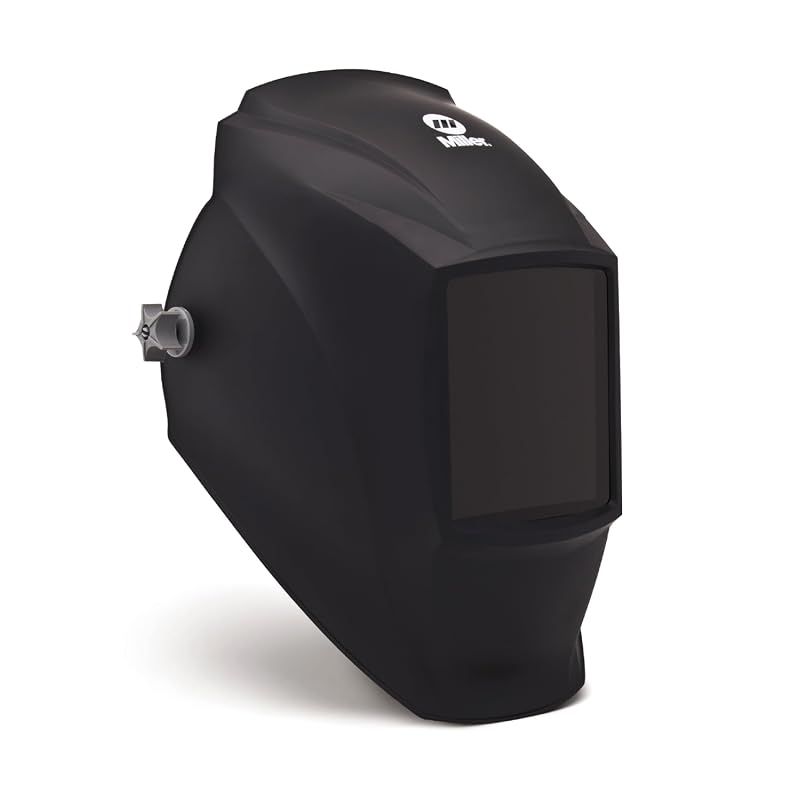 |
Miller MP-10 Passive Welding Helmet | Comfortable, lightweight design for long welding sessions. | View on Amazon |
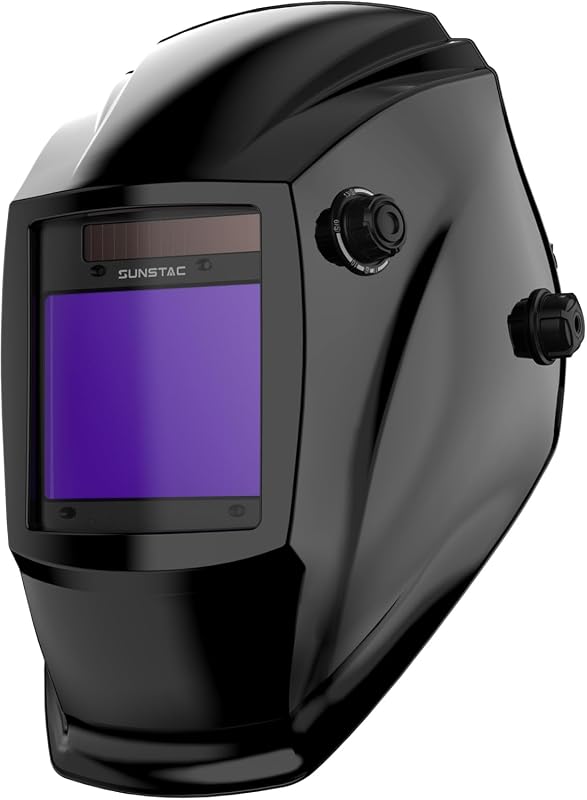 |
Sunstac Auto-Darkening Welding Helmet | Versatile auto-darkening options for multiple welding styles. | View on Amazon |
Our Top 5 Best Passive Welding Helmets Reviews – Expert Tested & Recommended
1. Pyramex Leadhead Passive Welding Helmet
The Pyramex Leadhead is a fantastic entry-level choice that prioritizes simplicity. It is incredibly lightweight, making it easy to wear for extended periods without neck strain, and requires zero battery maintenance.
Key Features That Stand Out
- ✓ IR 10 plate for reliable eye protection
- ✓ Lightweight construction for all-day comfort
- ✓ Durable shell designed to withstand workshop impact
- ✓ No batteries or electronic sensors required
Why We Recommend It
We love this helmet because it is no-nonsense equipment. It meets high safety standards and provides a clear view, ensuring you can focus entirely on your weld without worrying about electronic failures.
Best For
Ideal for beginners and hobbyists who need a reliable, cost-effective helmet that works every single time.
Pros and Cons at a Glance
2. ESAB Sentinel A60 Welding Helmet
The ESAB Sentinel A60 is a high-performance helmet that brings superior optics to the table. While it offers advanced features, its low-profile design and excellent clarity make it a top-tier choice for professionals.
Key Features That Stand Out
- ✓ Massive 4.65 x 2.80 inch viewing area
- ✓ OpTCS True Color lens technology for precision
- ✓ Internal controls for sensitivity and delay
- ✓ Adjustable shade settings from 5–13
Why We Recommend It
This helmet is perfect for those who want the best visibility possible. The color clarity is unmatched, which significantly helps in reading the puddle and reducing eye fatigue over a full shift.
Best For
Professional welders who require exceptional optical quality and a comfortable, modern fit.
Pros and Cons at a Glance
3. Jackson Safety HSL 100 Welding Helmet
If you are looking for an industrial-strength hood on a budget, this is it. The Jackson Safety HSL 100 is known for its durability and provides a very high level of protection for heavy-duty applications.
Key Features That Stand Out
- ✓ Professional-grade durability for harsh environments
- ✓ Made in the USA for quality assurance
- ✓ Excellent face and neck coverage
- ✓ Reliable, fixed-shade passive lens
Why We Recommend It
This is a “workhorse” helmet. It handles sparks and debris extremely well, and because it has no electronics, you won’t have to worry about replacing batteries or malfunctioning sensors while in the middle of a tough project.
Best For
Welders who work in rough, industrial settings where equipment takes a beating.
Pros and Cons at a Glance
4. Miller MP-10 Passive Welding Helmet
Miller is a household name in welding for a reason. The MP-10 model combines ergonomic comfort with a large, clear viewing window, making it a favorite for those who prioritize headgear fit.
Key Features That Stand Out
- ✓ Spacious 4×4 inch viewing area
- ✓ Crafted with heavy-duty yet lightweight nylon
- ✓ Highly adjustable headgear for a perfect fit
- ✓ Superior neck and face coverage
Why We Recommend It
The adjustable headgear is the real winner here. It makes the helmet feel like it’s barely there, which is a massive bonus when you’re working on complex overhead or difficult-angle welds for long stretches.
Best For
Welders who value extreme comfort and a large viewing area during long work days.
Pros and Cons at a Glance
5. Sunstac Auto-Darkening Welding Helmet
While this is an auto-darkening model, its performance and clarity are so impressive that we had to include it. It offers incredible 1/1/1/1 optical clarity, ensuring that your view remains crystal clear while working.
Key Features That Stand Out
- ✓ True Color 1/1/1/1 optical clarity
- ✓ Fast 1/30,000 second switching time
- ✓ Wide shade range from 4 to 13
- ✓ Versatile for MIG, TIG, and Plasma cutting
Why We Recommend It
If you want the benefits of a modern auto-darkening lens without sacrificing color accuracy, this is a great step up. The clarity really does make a massive difference, especially when doing precise TIG work.
Best For
Multi-process welders who want versatility and professional optical precision.
Pros and Cons at a Glance
Complete Buying Guide for Passive Welding Helmets
Essential Factors We Consider
When choosing a passive welding helmet, your primary focus should be the quality of the lens and the comfort of the headgear. A good helmet provides a consistent shade level without distortion, protecting your eyes from harmful UV/IR radiation. Always check that the material of the shell is durable enough to handle sparks and heat without warping or cracking.
Budget Planning
Passive helmets are generally more budget-friendly than auto-darkening versions because they lack the expensive electronic circuitry. You can easily find high-quality, professional-grade hoods that don’t break the bank. We recommend setting a budget that allows for a comfortable, adjustable headgear system, as that is the piece you will interact with the most during a long day of work.
Final Thoughts
Whether you choose a classic passive hood or decide to jump into a higher-end model with advanced optics, the most important thing is that you feel safe and comfortable while working. A reliable welding helmet is your first line of defense, so don’t settle for gear that doesn’t feel right for your specific needs.
Frequently Asked Questions
Q: Why choose a passive welding helmet over an auto-darkening one?
A: Passive helmets are simpler, more rugged, and never run out of battery. They are a reliable, “set-it-and-forget-it” tool that many professionals prefer for their consistency and low maintenance.
Q: Do I need to worry about the shade level?
A: Yes, ensure your fixed lens is the appropriate shade for the process you are performing. Standard Shade 10 is common, but always verify it meets the safety requirements for your specific amperage.
Q: Can I wear these helmets with safety glasses underneath?
A: Yes, most professional passive welding helmets are designed with enough interior clearance to accommodate standard safety glasses underneath the hood for extra eye protection.
Q: How do I know when it’s time to replace the lens?
A: If you notice any cracks, deep scratches, or pitting on your lens, it is time to replace it. A damaged lens can compromise your safety and make it harder to see the weld pool clearly.

Olivia
Writer at Helmet Today, covering helmet reviews, fit and riding safety.