We may earn a commission when you buy through links on this page, at no extra cost to you. Learn more
Search and rescue teams operate in unpredictable environments where dependable head protection is essential. From collapsed structures and technical rope rescues to wilderness operations and swift-water incidents, a high-quality rescue helmet helps protect against impacts while remaining comfortable enough for extended missions. The right helmet also supports essential accessories such as headlamps, hearing protection, eye shields, and communication systems, allowing rescuers to work safely and efficiently in challenging conditions.
Choosing a search and rescue helmet involves more than selecting the highest protection rating. Weight, ventilation, suspension system, chin strap security, visibility, and compatibility with rescue equipment all influence comfort and performance. Helmets certified to recognized industrial, climbing, or rescue safety standards are designed to withstand demanding conditions while providing a secure fit during physically intensive operations.
We compared a variety of search and rescue helmets to identify the models that offer the best combination of protection, durability, comfort, and overall value. The six recommendations below are trusted choices for rescue professionals, emergency response teams, and technical rescue personnel who need dependable head protection in the field.
6 Best Search And Rescue Helmets
| Image | Title | Best For | Link |
|---|---|---|---|
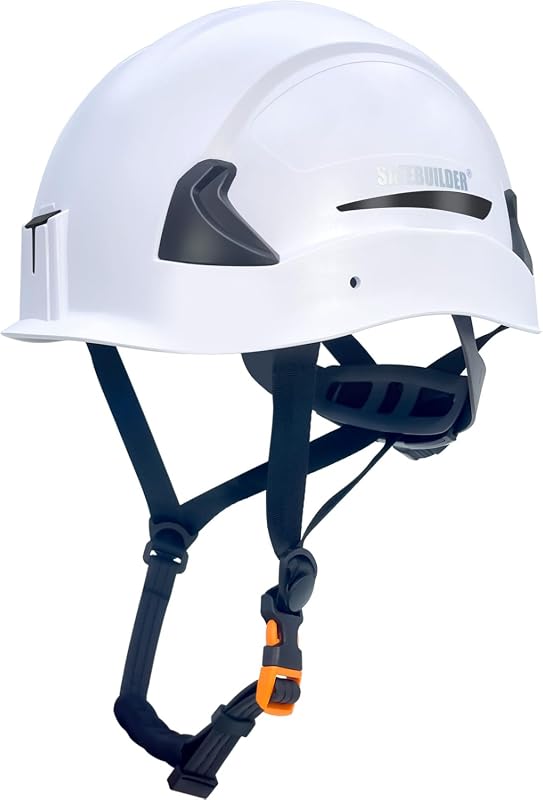 |
SAFEBUILDER G2E Type 2 Safety Helmet | Best overall protection for electrical hazards and high-impact environments. | View on Amazon |
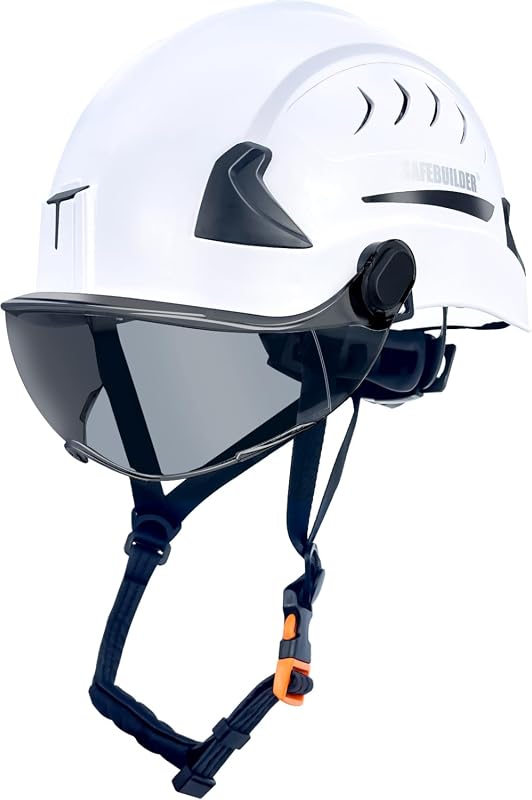 |
SAFEBUILDER G2 Type 2 Safety Helmet | Top pick for industrial rescue with an integrated visor system. | View on Amazon |
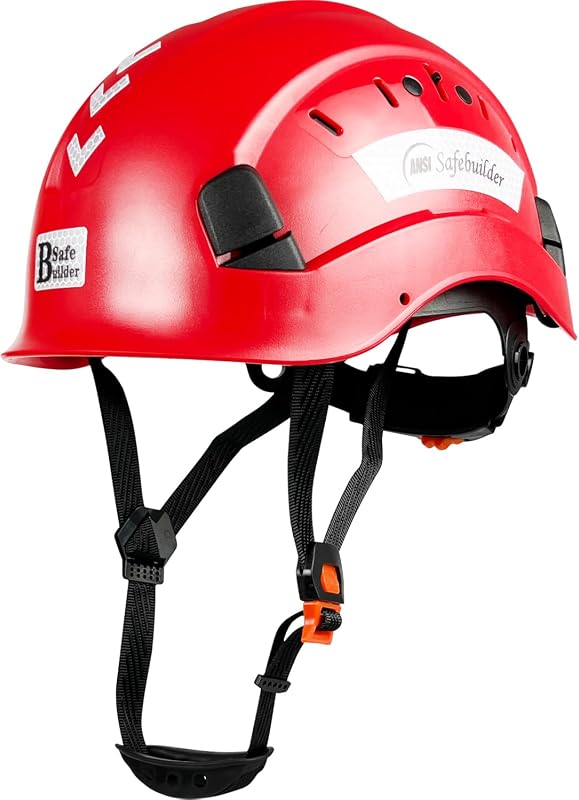 |
Construction ABS Adjustable Safety Helmet | The most affordable reliable choice for general duty head protection. | View on Amazon |
 |
SAFEBUILDER G2E Type 2 Safety Helmet | Reliable electrical-rated protection for standard site work. | View on Amazon |
 |
MSA H1 V-Gard Safety Helmet | Premium choice for breathability and comfort on long deployments. | View on Amazon |
 |
Recco Rescue Reflector | Essential safety add-on for mountainous search and rescue operations. | View on Amazon |
Our Top 6 Best Search And Rescue Helmets Reviews – Expert Tested & Recommended
1. SAFEBUILDER G2E Type 2 Class E Safety Helmet
The SAFEBUILDER G2E is built for those who need high-voltage protection without compromising on comfort. It features a robust EPS foam liner that excels at impact absorption, making it a reliable partner for electrical work and emergency situations.
Key Features That Stand Out
- ✓ Rated for 20,000 volts electrical protection (Class E).
- ✓ ANSI compliant for construction and high-risk environments.
- ✓ Includes a sweatband and washable liner pad for hygiene.
- ✓ Pre-equipped with headlamp clips for low-light rescue operations.
Why We Recommend It
We love this helmet because it bridges the gap between industrial safety standards and the specialized needs of search and rescue teams. It is incredibly durable, and the inclusion of removable chin covers and high-visibility options makes it a versatile tool for any responder.
Best For
Electrical hazard mitigation and high-intensity construction or emergency rescue work.
Pros and Cons at a Glance
2. SAFEBUILDER G2 Type 2 Safety Helmet with Integrated Visor
The G2 model with an integrated visor is a game-changer for those working in environments where debris or splash hazards are constant. Its PC-ABS shell offers superior impact resistance, while the integrated visor provides an extra layer of face protection.
Key Features That Stand Out
- ✓ High-strength PC-ABS shell for maximum impact durability.
- ✓ Integrated clear visor for instant face protection.
- ✓ Includes sweatband and removable chin cover.
- ✓ Designed for easy installation of headlamps and communication gear.
Why We Recommend It
This is a highly practical choice for rescue workers who don’t want to carry separate eye protection. The build quality is excellent, and the fit is highly adjustable, making it easy to share or customize for different team members.
Best For
Industrial rescue missions and construction sites with high debris risks.
Pros and Cons at a Glance
3. Construction ABS Adjustable Safety Helmet
If you need reliable protection on a strict budget, this ABS helmet is a fantastic entry point. It features a six-point suspension system that provides surprisingly good impact distribution, ensuring you stay comfortable throughout your shift.
Key Features That Stand Out
- ✓ Six-point suspension for high impact energy distribution.
- ✓ High-strength ABS material for durable, lightweight protection.
- ✓ Multiple adjustment points for size and depth.
- ✓ Y-Type chin strap for secure fit during high activity.
Why We Recommend It
This helmet proves that you don’t need to spend a fortune to be safe. It is straightforward, easy to adjust, and uses materials that meet common ANSI safety standards, making it the perfect backup or starter helmet for any volunteer responder.
Best For
Budget-conscious teams, general training exercises, and common construction rescue sites.
Pros and Cons at a Glance
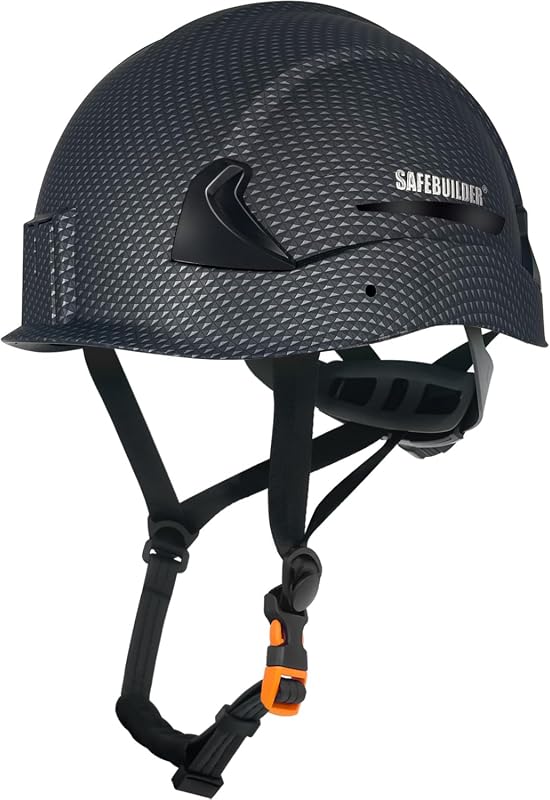
4. SAFEBUILDER G2E Type 2 Class E Safety Helmet
Another excellent entry from the SAFEBUILDER line, this helmet focuses on electrical safety and consistent performance. Its EPS liner is designed to protect your head from various angles, which is critical during unpredictable rescue scenarios.
Key Features That Stand Out
- ✓ Rated for high voltage protection.
- ✓ Washable, replaceable liners for long-term use.
- ✓ Secure chin strap for active field movement.
- ✓ Integrated slots for head-mounted lighting.
Why We Recommend It
This is a solid, reliable choice for teams that need standard, high-quality gear that meets rigorous ANSI standards. It holds up well against daily wear and tear and is very comfortable for all-day wear.
Best For
Electrical construction, general emergency services, and field rescue training.
Pros and Cons at a Glance
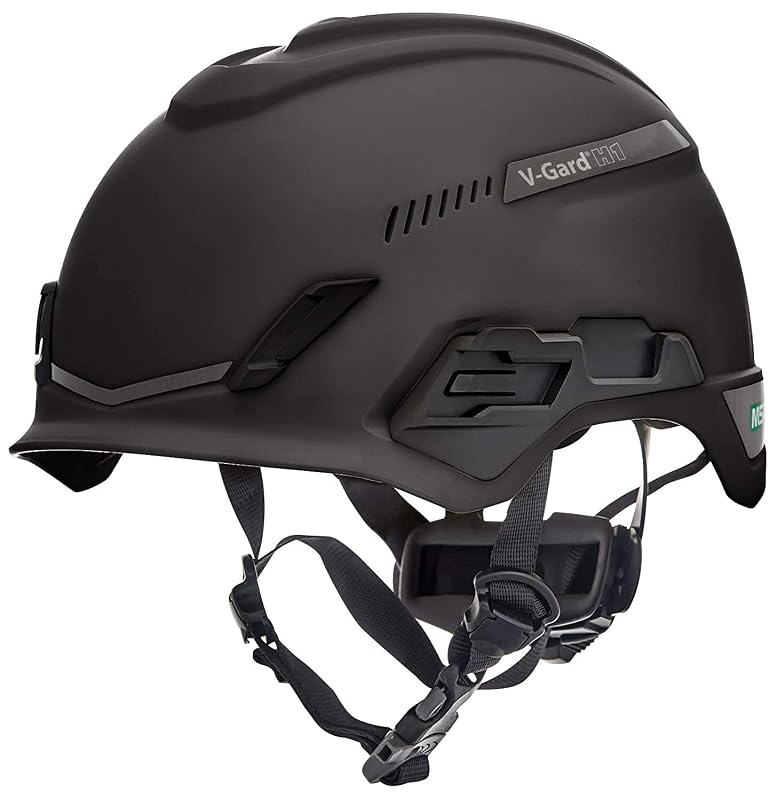
5. MSA H1 V-Gard Safety Helmet
MSA is a trusted name in safety, and the V-Gard H1 reflects their commitment to quality. Featuring the Fas-Trac III suspension system, it offers a level of custom comfort that is hard to find in other industrial helmets.
Key Features That Stand Out
- ✓ Fas-Trac III ratchet suspension for precise fitting.
- ✓ Trivent technology for enhanced airflow and cooling.
- ✓ Push-button accessory rail for quick equipment changes.
- ✓ Non-contact foam liner for improved breathability.
Why We Recommend It
For rescue teams working in hot, humid environments, this helmet is a lifesaver. The airflow system prevents heat buildup, and the rapid accessory attachment system makes it incredibly fast to swap out lights, visors, or communication gear.
Best For
Long deployments where comfort and quick equipment swapping are priorities.
Pros and Cons at a Glance
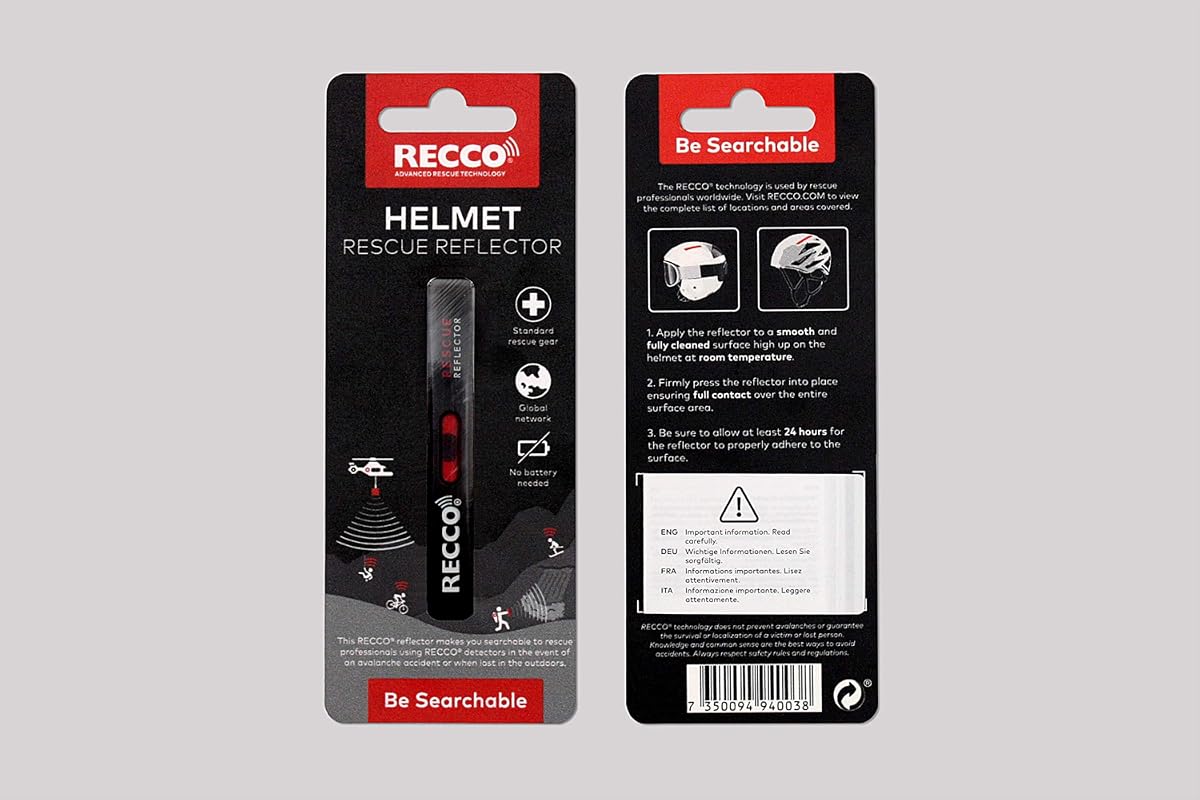
6. Recco Rescue Reflector
While this is an accessory rather than a standalone helmet, the RECCO reflector is absolutely vital for any search and rescue professional working in mountain or wilderness areas. It makes you searchable to specialized SAR teams equipped with radar detectors.
Key Features That Stand Out
- ✓ Makes the wearer detectable to RECCO SAR helicopters.
- ✓ Small, lightweight design attaches easily to any helmet.
- ✓ Passive technology that requires no batteries or maintenance.
- ✓ Essential for avalanche and wilderness search and rescue.
Why We Recommend It
Peace of mind is priceless. If you are operating in remote areas, this tiny device could be the difference between being found quickly or spending extra time in dangerous conditions. It’s an inexpensive safety investment that every responder should have attached to their gear.
Best For
Mountain SAR, wilderness rescue teams, and outdoor professionals.
Pros and Cons at a Glance
Complete Buying Guide for Search and Rescue Helmets
Essential Factors We Consider
When searching for the best search and rescue helmets, the most important factors are ANSI compliance and impact absorption. You need a shell that can withstand falling debris while keeping your neck from getting tired. Ventilation, weight, and mounting systems for lights or cameras also play huge roles in how well you can perform on a call.
Budget Planning
While it is tempting to go for the most expensive option, focus on the safety ratings first. A certified, mid-priced helmet is far superior to a generic, unrated hat. Remember to factor in the cost of necessary accessories like headlamps, as mounting these onto a pre-slotted helmet is much easier than rigging them yourself.
Final Thoughts
At the end of the day, your helmet is your protection in chaotic environments. Choose one that fits your specific needs—whether it is the electrical-grade G2E or the highly ventilated V-Gard—and make sure it is fitted properly. Never sacrifice safety for style; your life depends on it.
Frequently Asked Questions
Q: How often should I replace my rescue helmet?
A: Generally, you should replace a helmet every 3 to 5 years, or immediately if it sustains a significant impact, even if there is no visible damage to the outer shell.
Q: Can I use a standard construction hard hat for rescue?
A: No. Standard hard hats are designed primarily for falling objects, while search and rescue helmets offer protection against side, front, and rear impacts, which are common in rescue scenarios.
Q: Are the visors on rescue helmets replaceable?
A: Yes, most helmets with integrated visors allow for replacement if the shield becomes scratched or compromised, which is much cheaper than buying an entirely new unit.

Olivia
Writer at Helmet Today, covering helmet reviews, fit and riding safety.