We may earn a commission when you buy through links on this page, at no extra cost to you. Learn more
5 Best Ski Helmets For Backcountry
| Image | Title | Best For | Link |
|---|---|---|---|
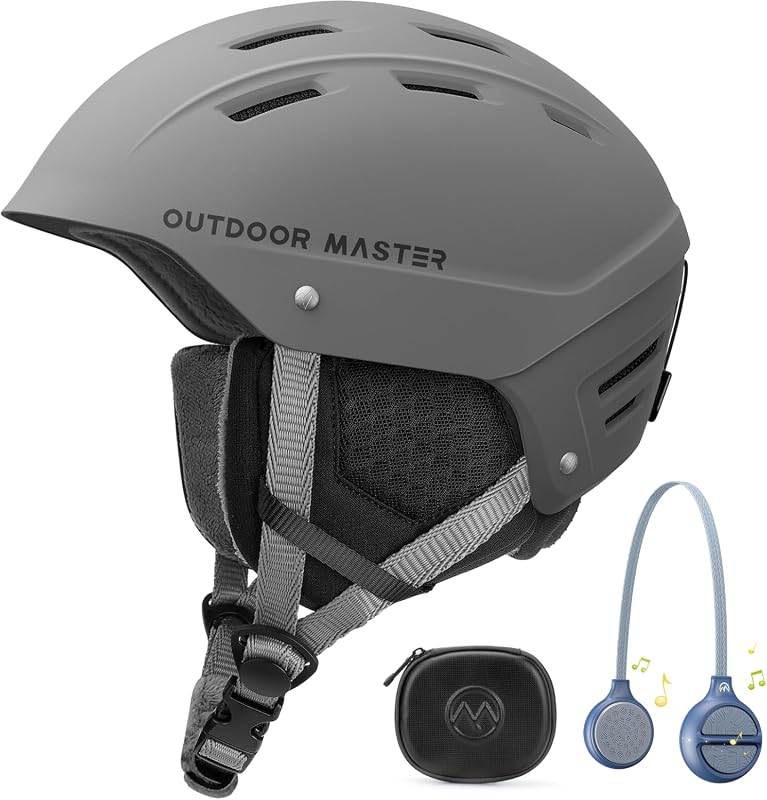 |
OutdoorMaster Kelvin II Bluetooth Ski Helmet | Integrated audio for those who love tunes on the ascent. | View on Amazon |
 |
OutdoorMaster Kelvin II MIPS Ski Helmet | Enhanced safety features for rugged backcountry terrain. | View on Amazon |
 |
POC Fornix MIPS Ski Helmet | Premium protection and adjustable airflow. | View on Amazon |
 |
Smith Holt Adult Snow Helmet | All-season versatility for varied outdoor sports. | View on Amazon |
 |
Giro Ledge Ski Helmet | Reliable, no-nonsense protection for frequent skiers. | View on Amazon |
Our Top 5 Best Ski Helmets For Backcountry Reviews – Expert Tested & Recommended
1. OutdoorMaster Kelvin II Bluetooth Ski Helmet
If you love listening to music while you climb, this helmet is a dream. It comes with integrated Bluetooth headphones that make long skin tracks much more enjoyable.
Key Features That Stand Out
- ✓ Seamless integration with included Bluetooth headset.
- ✓ Durable ABS shell construction for impact protection.
- ✓ 14 ventilation holes for excellent airflow during high-intensity climbs.
Why We Recommend It
This helmet is perfect for those who want technology and comfort in one package. It keeps you cool during exertion and provides great audio quality without needing external speakers.
Best For
Recreational backcountry skiers who enjoy music and want an all-in-one convenient solution.
Pros and Cons at a Glance
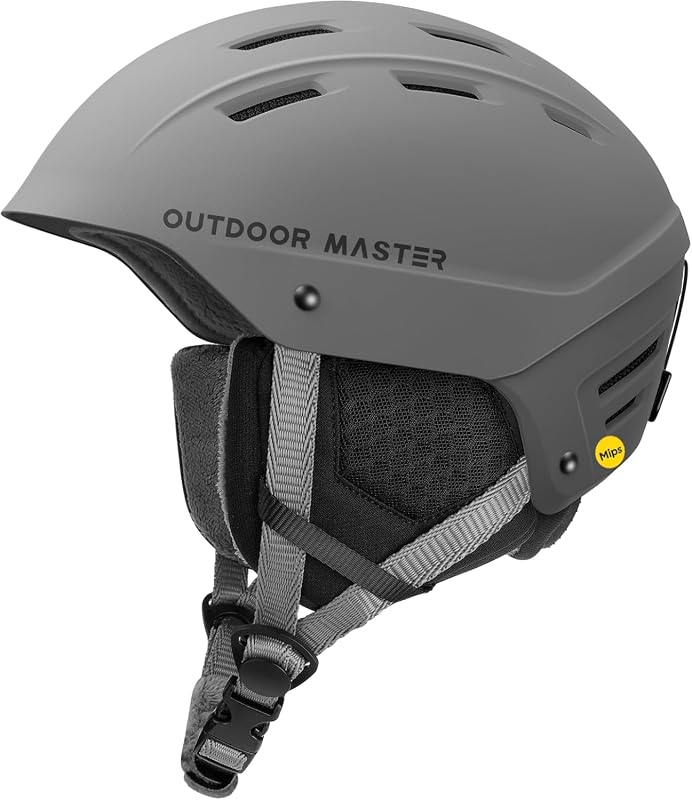
2. OutdoorMaster Kelvin II MIPS Ski Helmet
Safety is the priority in the backcountry, and the addition of MIPS technology makes this a top-tier choice. It provides superior protection against rotational forces.
Key Features That Stand Out
- ✓ MIPS brain protection system for safer impact response.
- ✓ Reinforced ABS shell and shock-absorbing EPS core.
- ✓ Optimized vent layout for effective moisture wicking.
Why We Recommend It
We love this for backcountry trips because it hits the sweet spot between advanced safety features and breathability. It fits snugly with goggles, preventing fogging during strenuous activity.
Best For
Backcountry skiers who prioritize advanced safety tech in their gear.
Pros and Cons at a Glance
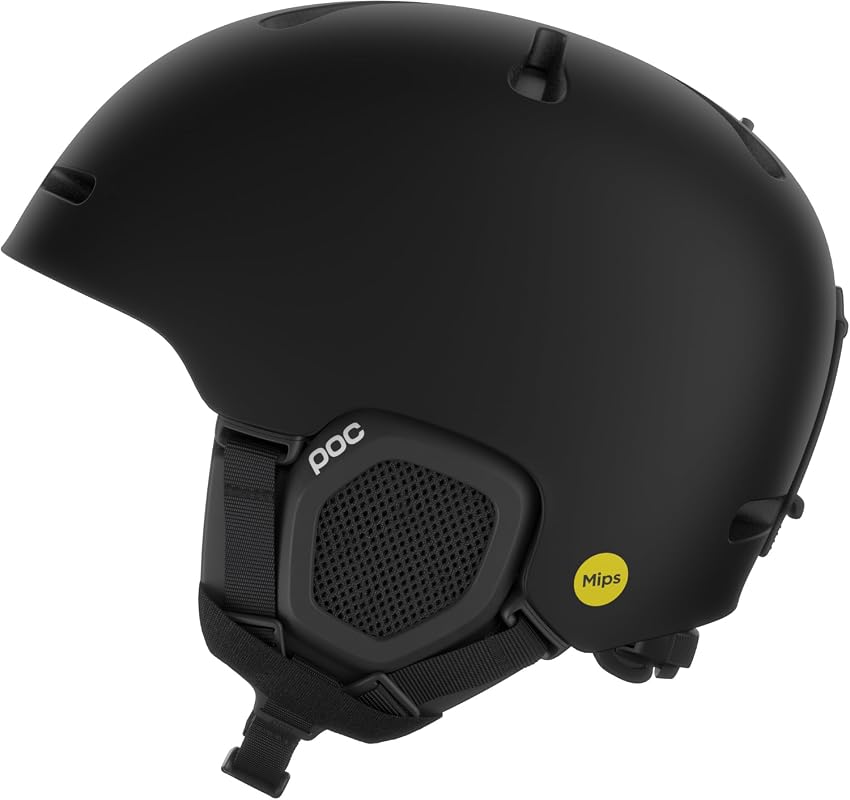
3. POC Fornix MIPS Ski Helmet
The POC Fornix is a favorite among backcountry guides for its lightweight feel and effective adjustable ventilation. It feels very natural to wear all day.
Key Features That Stand Out
- ✓ Adjustable vents that allow for precise climate control.
- ✓ Integrated goggle vent channels to prevent lens fogging.
- ✓ Aramid bridge reinforcement for added durability.
Why We Recommend It
For the price, you get an incredibly refined helmet. The ability to open or close vents on the fly is a game-changer when you’re moving between shade and sun on a spring tour.
Best For
Budget-conscious skiers who want high-end performance features.
Pros and Cons at a Glance
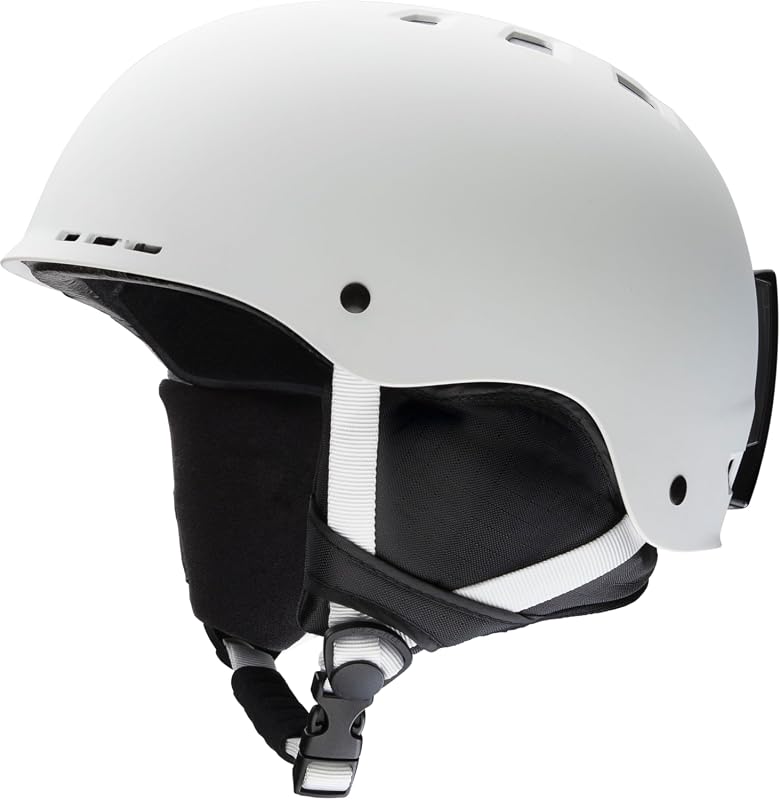
4. Smith Holt Adult Snow Helmet
The Smith Holt is the Swiss Army knife of helmets. It is an all-season performer that works just as well on the mountain as it does for summer skating.
Key Features That Stand Out
- ✓ Multi-sport certification for various activities.
- ✓ AirEvac ventilation system for seamless goggle integration.
- ✓ Robust ABS construction for high-impact durability.
Why We Recommend It
If you don’t want a closet full of sport-specific gear, the Holt is your best friend. It’s tough, simple, and keeps you protected regardless of the season.
Best For
Active individuals looking for one helmet that does it all.
Pros and Cons at a Glance
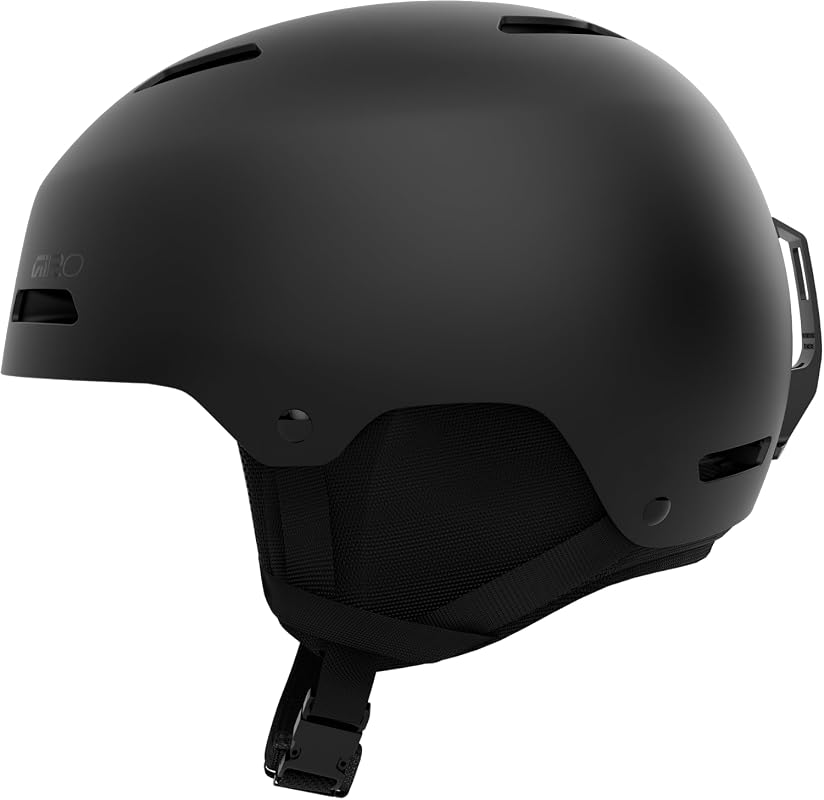
5. Giro Ledge Ski Helmet
The Giro Ledge is built for value and durability. It uses a Hard Shell construction that stands up to the rigors of frequent mountain use without showing wear.
Key Features That Stand Out
- ✓ Hard shell construction for maximum ruggedness.
- ✓ Auto Loc 2 self-adjusting fit system.
- ✓ Stack Vent technology to keep goggles clear of fog.
Why We Recommend It
It’s simple, reliable, and comfortable. We love the self-adjusting fit system, which removes the need to fiddle with knobs while wearing gloves in cold weather.
Best For
Skiers who want a durable, no-fuss helmet that fits perfectly every time.
Pros and Cons at a Glance
Complete Buying Guide for Best Ski Helmets For Backcountry
Essential Factors We Consider
When you are looking for the best backcountry helmet, prioritize breathability, weight, and safety certification. You want a helmet that won’t make you sweat excessively on the climb but will provide solid protection on the descent.
Budget Planning
You do not need to spend a fortune to get a safe product. Many mid-range options offer excellent MIPS technology and durable builds. Focus on the fit and safety certifications rather than expensive, unnecessary bells and whistles.
Final Thoughts
Choose a helmet that fits your head shape well. A helmet that is comfortable is one you will actually want to wear all day in the backcountry.
Frequently Asked Questions
Q: Do I really need MIPS in my backcountry helmet?
A: MIPS provides extra protection against rotational forces during an impact, which is highly recommended for any type of skiing.
Q: How do I know if my helmet fits correctly?
A: A proper helmet should feel snug, not tight, with no gaps between the liner and your head. It should not move when you shake your head.
Q: Can I use a regular ski helmet for backcountry touring?
A: Yes, as long as it is comfortable and breathable enough for your activity level, but specialized backcountry helmets often offer better temperature control.

Olivia
Writer at Helmet Today, covering helmet reviews, fit and riding safety.