We may earn a commission when you buy through links on this page, at no extra cost to you. Learn more
A high-quality ski helmet is essential for reducing the risk of head injuries during skiing and snowboarding. While no helmet can completely prevent a concussion, the best models are designed to help reduce impact forces through advanced safety technologies and certified protective construction. Choosing a well-fitting helmet is just as important as selecting one with the right safety features.
Top ski helmets for concussion protection often include technologies such as MIPS or other rotational impact management systems, lightweight in-mold or hybrid shell construction, adjustable fit systems, and effective ventilation for all-day comfort. Many models also feature removable liners, goggle-compatible designs, and certified impact protection that meets recognized safety standards. A secure fit helps the helmet perform as intended during a crash.
This guide features five of the best ski helmets for concussion protection, selected for their safety features, comfort, and overall value. Every recommendation offers practical features for different skiing styles, experience levels, and budgets. Find a helmet that provides a secure fit, dependable protection, and the confidence to enjoy your time on the mountain.
5 Best Ski Helmets For Concussion
| Image | Title | Best For | Link |
|---|---|---|---|
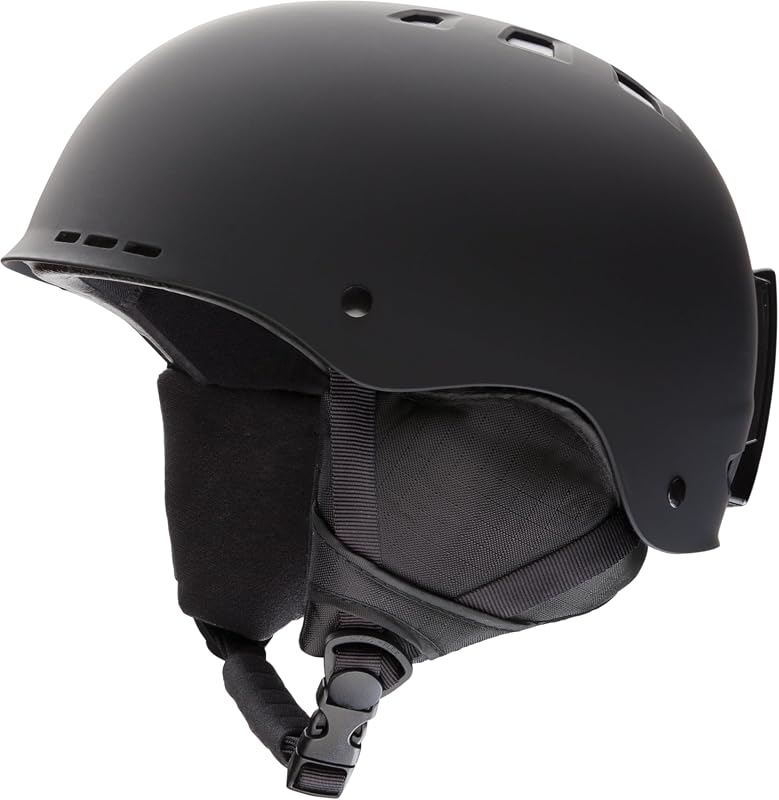 |
Smith Holt All-Season Helmet | Versatile, all-season impact protection. | View on Amazon |
 |
Smith Holt All-Season Helmet | Durable, certified, reliable protection. | View on Amazon |
 |
Giro Ledge Ski Helmet | Budget-friendly, hard-shell durability. | View on Amazon |
 |
Sena Latitude Bluetooth Helmet | Connected, smart tech-integrated safety. | View on Amazon |
 |
Giro Ledge Ski Helmet | High-value, reliable everyday protection. | View on Amazon |
Our Top 5 Best Ski Helmets For Concussion Reviews – Expert Tested & Recommended
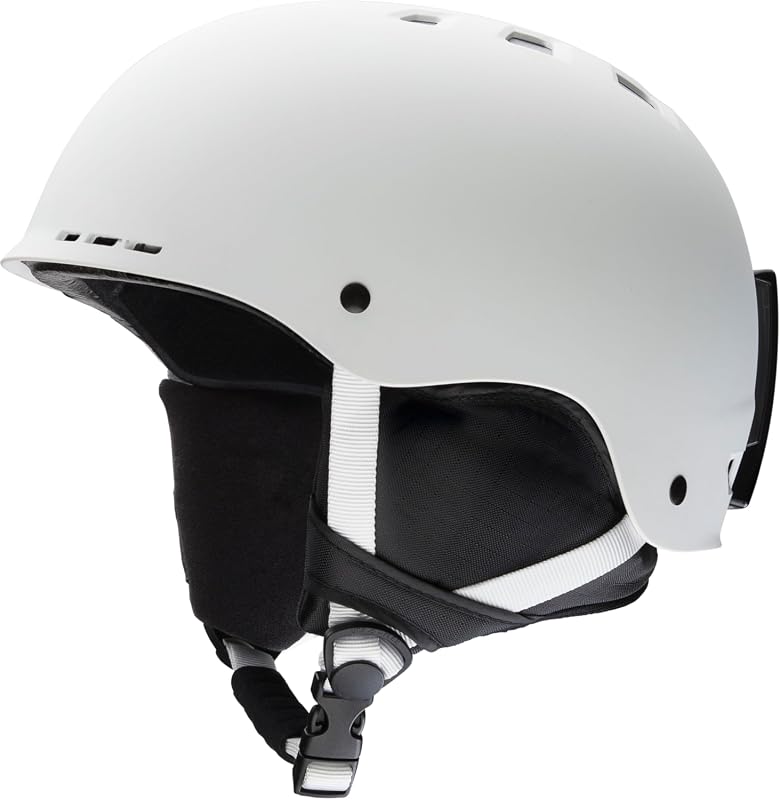
1. Smith Holt All-Season Helmet
The Smith Holt helmet is a versatile powerhouse. It provides robust protection by meeting multiple safety certifications, making it a reliable choice for preventing head injuries on the slopes.
Key Features That Stand Out
- ✓ Multi-season usage from snow to skate.
- ✓ High-impact ABS construction for maximum safety.
- ✓ AirEvac ventilation system reduces fogging.
- ✓ Certified for ASTM F 2040 and CE EN 1077.
Why We Recommend It
We love this helmet because it is built like a tank. It offers high-level security for those worried about concussion prevention without sacrificing the breathability needed for long days of riding.
Best For
Skiers and snowboarders who want one durable, multi-purpose helmet for all their outdoor activities.
Pros and Cons at a Glance
2. Smith Holt All-Season Helmet
Much like its counterpart, this model offers premium security. It is engineered to handle hard impacts, making it a stellar candidate for those prioritizing head protection.
Key Features That Stand Out
- ✓ Robust ABS outer shell.
- ✓ Integrated ventilation management.
- ✓ Certified for multiple sports.
- ✓ Reliable, long-lasting performance.
Why We Recommend It
This is a go-to for riders who want consistency. You know exactly what you are getting with Smith, and this helmet delivers the reliability required for concussion safety.
Best For
Intermediate riders who want a trusted brand name and solid protection.
Pros and Cons at a Glance
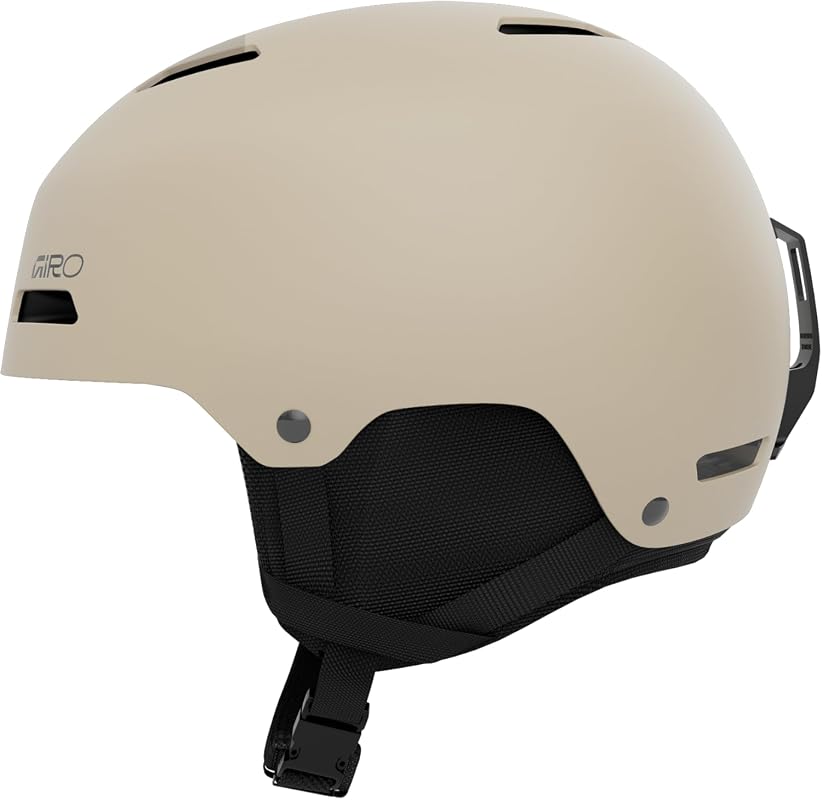
3. Giro Ledge Ski Helmet
The Giro Ledge proves that safety does not have to break the bank. It offers a rugged build that is perfect for park riders who occasionally take a spill.
Key Features That Stand Out
- ✓ Hard Shell construction for impact resistance.
- ✓ Auto Loc 2 fit system for ease of use.
- ✓ Stack Vent technology for fog-free riding.
- ✓ Clean, minimalist design style.
Why We Recommend It
We appreciate how this helmet handles the daily grind of the terrain park. It is a solid, no-nonsense option for those needing reliable concussion reduction tech on a budget.
Best For
Beginners and budget-conscious riders looking for reliable safety standards.
Pros and Cons at a Glance
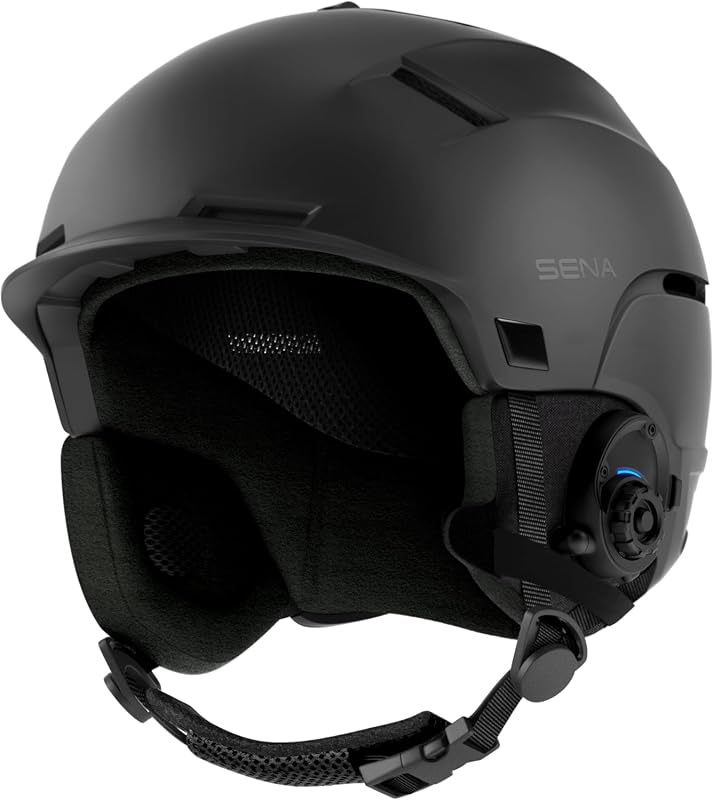
4. Sena Latitude Bluetooth Snow Helmet
Safety meets technology. The Sena Latitude combines protective gear with integrated Bluetooth communication, which is great for staying in contact with your crew while riding.
Key Features That Stand Out
- ✓ Built-in Bluetooth intercom system.
- ✓ Integrated speakers and microphone.
- ✓ Wireless music streaming capability.
- ✓ Designed for snow-specific environments.
Why We Recommend It
Communication is a safety feature in its own right. Being able to talk to friends instantly helps coordinate moves and avoid collisions, supporting your overall brain injury prevention plan.
Best For
Social riders who want to stay connected on the mountain.
Pros and Cons at a Glance
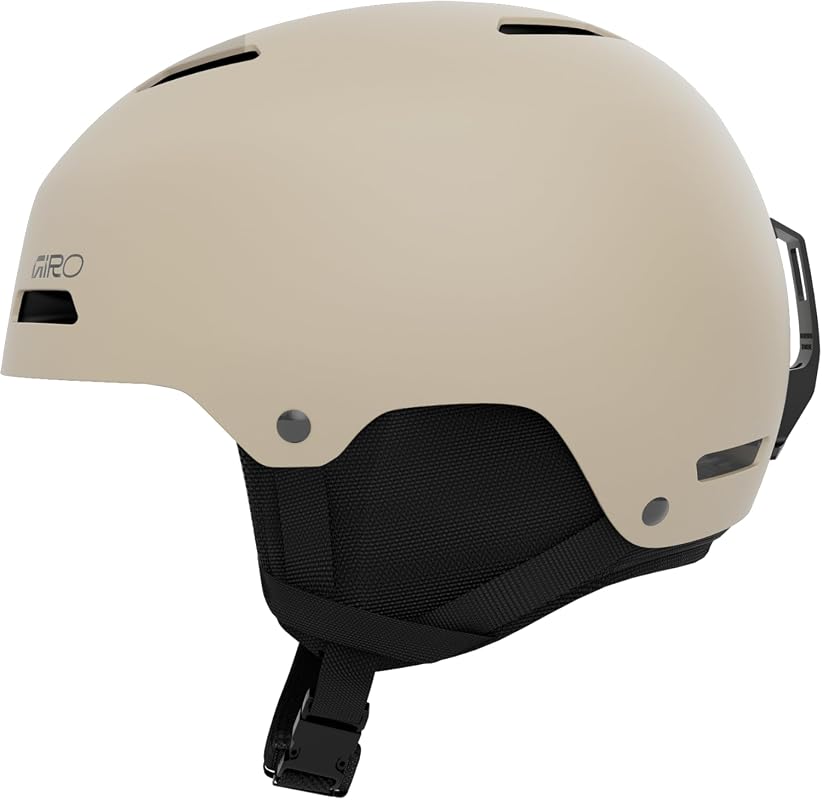
5. Giro Ledge Ski Helmet
Another strong entry from Giro, this version of the Ledge maintains the high standards for safety and protection we expect for serious winter athletes.
Key Features That Stand Out
- ✓ Hard shell construction for impact absorption.
- ✓ Reliable, removable fit system.
- ✓ Stack Vent fog-fighting tech.
- ✓ Compatible with various eyewear.
Why We Recommend It
When you need a spare or a solid primary helmet, this model is a consistent performer that keeps your head safe without fuss. It is a staple for those prioritizing impact protection.
Best For
Anyone looking for a reliable, no-nonsense helmet for everyday use.
Pros and Cons at a Glance
Complete Buying Guide for Best Ski Helmets For Concussion
Essential Factors We Consider
When searching for the best ski helmets for concussion protection, look for MIPS (Multi-directional Impact Protection System) or similar slip-plane technologies. Additionally, ensure the helmet carries up-to-date certifications like ASTM F2040. A proper fit is non-negotiable; your helmet should feel snug without creating pressure points, and it should never wobble on your head.
Budget Planning
Quality safety gear is an investment. While you can find excellent protection at lower price points, investing a bit more often grants you better ventilation systems, advanced materials, and lighter weight options. Always prioritize the safety rating over bells and whistles.
Final Thoughts
Remember that no helmet can completely eliminate the risk of injury, but wearing the right one is the single best step you can take. Pick a helmet that fits well and matches your riding style to ensure you stay protected and comfortable on every run.
Frequently Asked Questions
Q: What makes a helmet good for concussion prevention?
A: Helmets designed for this purpose often include rotational impact technology that allows the helmet to slide slightly during a crash, reducing the rotational force transferred to the brain.
Q: How often should I replace my ski helmet?
A: You should replace your helmet after any significant impact or every 3 to 5 years, as materials degrade over time and lose their protective efficiency.
Q: Does a more expensive helmet provide more protection?
A: Not always. Most helmets must pass the same basic safety certifications, but more expensive models often offer better comfort, ventilation, and advanced rotational impact systems.

Olivia
Writer at Helmet Today, covering helmet reviews, fit and riding safety.