We may earn a commission when you buy through links on this page, at no extra cost to you. Learn more
Technical rescue helmets serve a distinct and critical purpose, engineered to meet the rigorous demands of environments far beyond the capabilities of standard hard hats. They must comply with specific standards like EN 16473, which mandates protection against mechanical impacts, flame, electrical, and chemical hazards. This makes them indispensable for professionals in urban search and rescue, rope access, and water rescue operations.
The best rescue helmets are defined by their ability to provide advanced protection without compromising on comfort or functionality during extended operations. Features such as lightweight, durable shells, integrated accessory rails for lights and communication devices, and advanced padding systems for impact absorption are crucial. They must also offer excellent ventilation and a secure fit to maintain focus during high-stress missions.
From multi-mission platforms suitable for land, water, and hoist operations to highly specialized helmets with augmented reality for navigating smoke-filled environments, the options available today reflect the diversity of rescue work. Selecting the right helmet is a critical investment in the safety and effectiveness of any rescue team.
5 Best Technical Rescue Helmets
| Image | Title | Best For | Link |
|---|---|---|---|
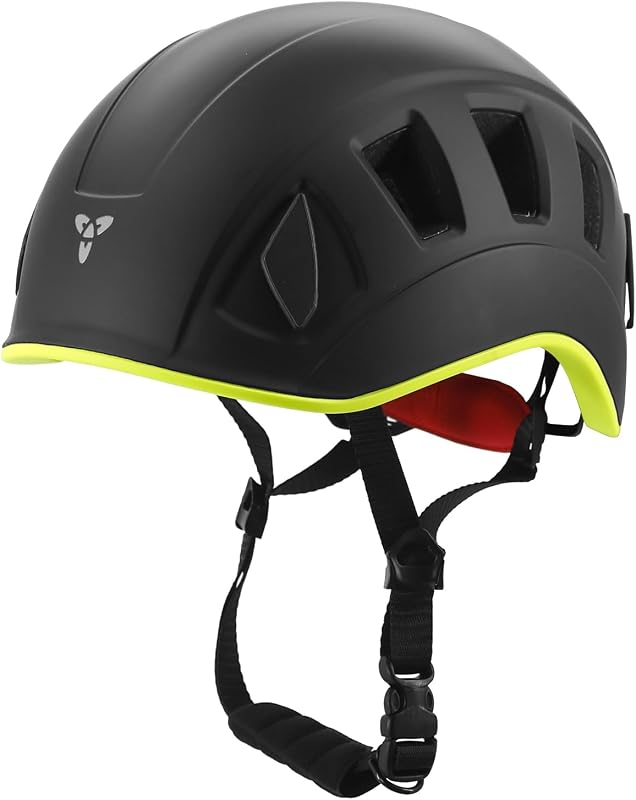 |
NewDoar Climbing Helmet | Lightweight, certified rescue work. | View on Amazon |
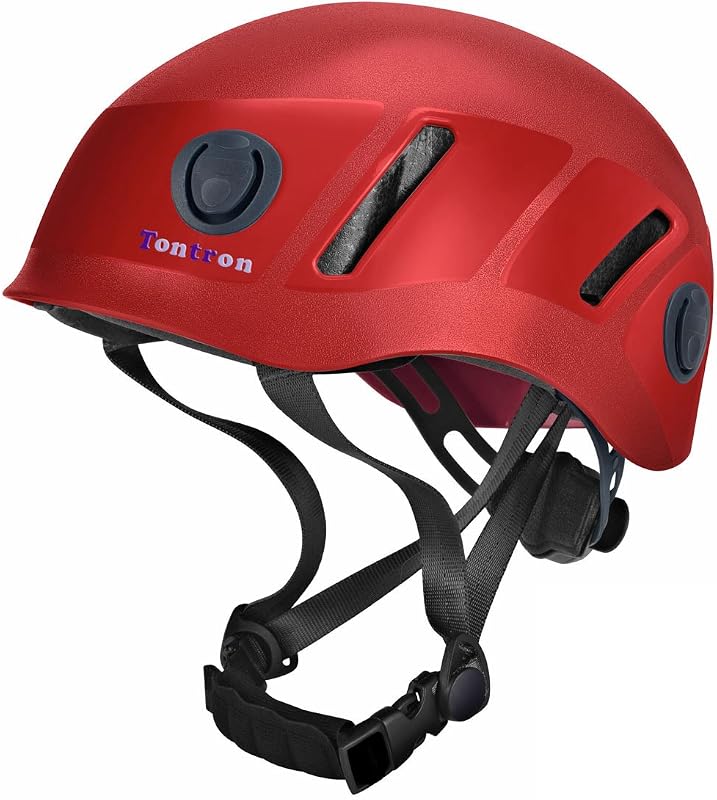 |
Tontron Hiking Climbing Helmet | Multi-sport, high-impact safety. | View on Amazon |
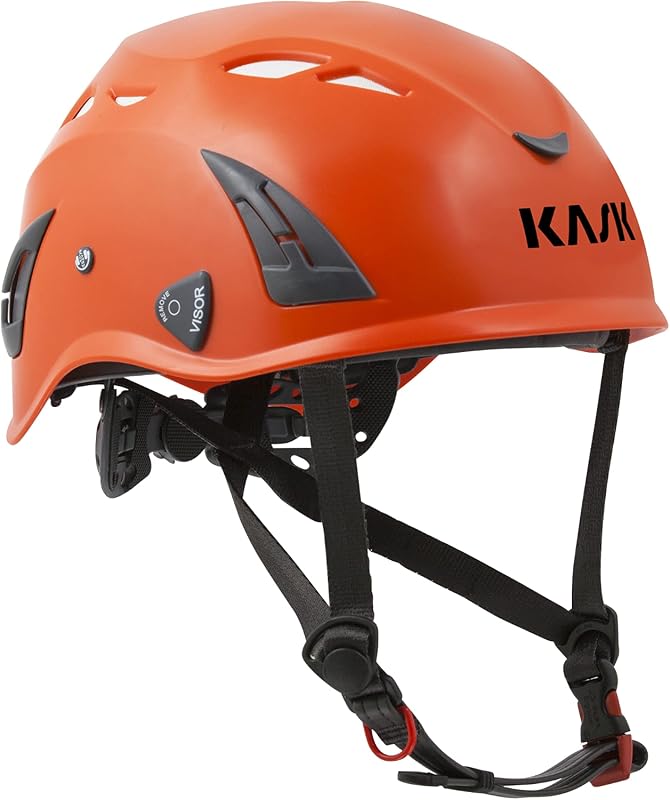 |
KASK Superplasma HD Helmet | Professional, industrial rescue. | View on Amazon |
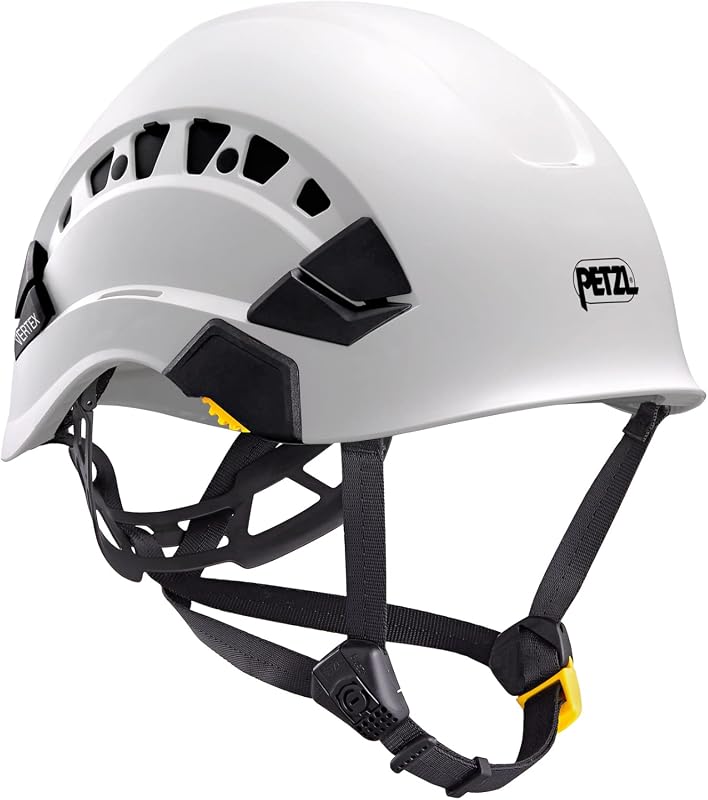 |
Petzl Vertex Vent Helmet | High-altitude, ventilated protection. | View on Amazon |
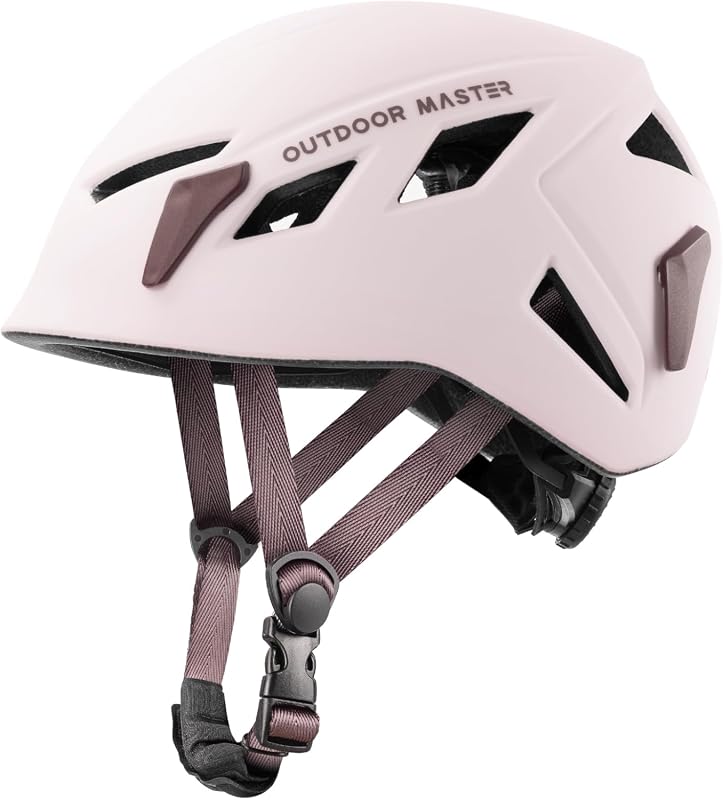 |
OutdoorMaster Climbing Helmet | Arborist and search and rescue. | View on Amazon |
Our Top 5 Best Technical Rescue Helmets Reviews – Expert Tested & Recommended
1. NewDoar Ultralight Climbing Helmet
The NewDoar ultralight helmet is a standout performer that combines a tough PC shell with high-quality shock-absorbing foam. It is designed specifically for those who need reliable head protection without the bulk.
Key Features That Stand Out
✓ EN 12492:2012 certified for high-level safety standards.
✓ Advanced ventilation system with 11 ports for airflow.
✓ Integrated clips for secure headlamp attachment.
Why We Recommend It
This helmet feels incredibly light on your head, which makes a huge difference during long operations. The funnel-shaped ventilation ducts really do keep your head cool when you are exerting yourself in the field.
Best For
Ideal for search and rescue personnel and climbers who need reliable, lightweight gear.
Pros and Cons at a Glance
2. Tontron Hiking Climbing Helmet
The Tontron helmet is a rugged, multi-purpose option. Its high-impact ABS shell provides solid protection, and the design is versatile enough for both industrial tasks and recreational climbing.
Key Features That Stand Out
✓ CE EN12492 certified for climbing safety.
✓ Sideways vents designed to prevent debris entry.
✓ Easy-to-use rear adjustment dial for a snug fit.
Why We Recommend It
We love how durable this feels. It is built to take a beating, yet it remains comfortable enough for all-day wear. The adjustment system is intuitive and works well even while you are wearing gloves.
Best For
Those who need a versatile helmet that transitions easily between industrial work and outdoor rescue tasks.
Pros and Cons at a Glance
3. KASK Superplasma HD Helmet
KASK is a legendary name in the industry, and the Superplasma HD shows why. It is specifically engineered for professional rescue and high-altitude operations where comfort and reliability are non-negotiable.
Key Features That Stand Out
✓ 2DRY moisture-wicking technology for rapid sweat dispersal.
✓ UP&DOWN 2.0 fit system that moves with your head.
✓ ABS shell with a high-density polystyrene interior.
Why We Recommend It
The moisture management on this helmet is top-tier. Even in humid conditions, the padding stays surprisingly dry. It feels very secure and does not shift, which is crucial when you are moving around a vertical environment.
Best For
Professional rescuers and industrial workers needing a high-performance, long-lasting helmet.
Pros and Cons at a Glance
4. Petzl Vertex Vent Helmet
The Petzl Vertex is synonymous with quality in the rescue world. Its unique selling point is the sliding shutter ventilation system, which lets you control airflow based on the weather conditions.
Key Features That Stand Out
✓ Adjustable ventilation with sliding shutters.
✓ DUAL chinstrap to prevent loss during work at heights.
✓ FLIP&FIT system for a customizable and comfortable fit.
Why We Recommend It
The ability to close the vents is a game-changer when working in rainy or cold conditions. It really feels like a piece of equipment that was designed by someone who has spent plenty of time on a rope.
Best For
Industrial climbers and rescue experts who work in changing weather conditions.
Pros and Cons at a Glance
5. OutdoorMaster Climbing Helmet
OutdoorMaster focuses on the balance between thick protective materials and overall lightweight feel. It is a fantastic entry-level choice that doesn’t compromise on the essential safety features.
Key Features That Stand Out
✓ Thick core design for enhanced impact protection.
✓ PC+EPS in-mold construction for shock absorption.
✓ Ultra-lightweight build at only 290g.
Why We Recommend It
You barely notice you are wearing it. The weight distribution is excellent, meaning it doesn’t pull on your neck. It’s a great, reliable helmet for those starting their rescue training journey.
Best For
Arborists, hikers, and search and rescue trainees looking for an affordable, lightweight lid.
Pros and Cons at a Glance
Complete Buying Guide for Technical Rescue Helmets
Essential Factors We Consider
When you are shopping for a technical rescue helmet, the most important factor is certification. Look for EN 12492 or ANSI Z89.1 ratings to ensure the gear meets industry safety standards. Beyond safety, comfort is key. Look for adjustable suspension systems, moisture-wicking liners, and adequate ventilation to ensure the helmet remains comfortable during long rescue operations.
Budget Planning
You can find functional helmets across a wide price range. While entry-level options provide basic protection, investing in higher-end models often yields better materials, such as more durable shells and superior moisture-management padding. Always prioritize safety certifications over brand names, but remember that a more expensive helmet often lasts longer in harsh field conditions.
Final Thoughts
Selecting the right helmet comes down to your specific work environment and duration of wear. If you work in high-altitude or changing weather, a model with adjustable vents is a must. If you are budget-conscious but need a reliable tool for training, there are excellent lightweight options that get the job done effectively.
Frequently Asked Questions
Q: Do I need to replace my helmet after one drop?
A: Most manufacturers recommend replacing a helmet if it has sustained a significant impact, even if there is no visible damage. Internal structure can be compromised by a hard hit.
Q: Are all rescue helmets also good for climbing?
A: Most technical rescue helmets are built to climbing standards, but always check the specific product description for climbing certifications to ensure they provide the right impact protection.
Q: How often should I wash my helmet liner?
A: If you use it regularly, aim to wash the interior padding every few weeks. Many modern helmets feature removable liners that can be hand-washed with mild soap.

Olivia
Writer at Helmet Today, covering helmet reviews, fit and riding safety.